
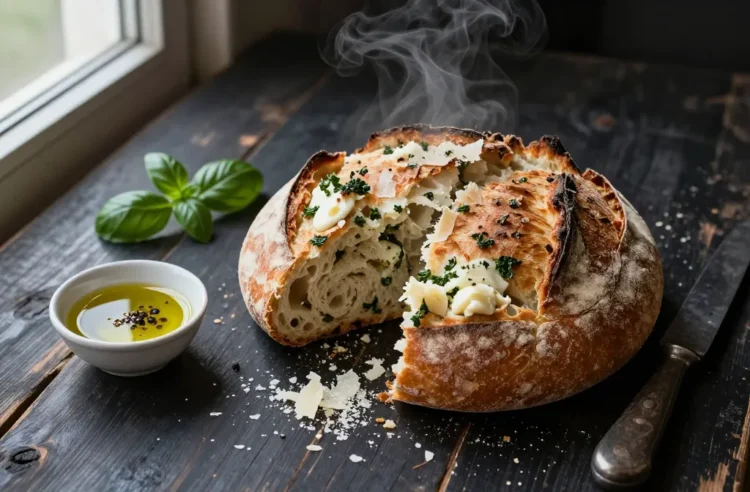
You want bread that tastes like an Italian bakery hugged your kitchen? Let’s do it. This rustic herb-and-cheese loaf delivers a crackly crust, chewy crumb, and a hit of garlic-basil-parmesan that makes store-bought seem… meh. It’s simple, wildly fragrant, and perfect for dunking in soup, scooping up pasta sauce, or just tearing apart and eating over the counter like a gremlin. No judgment.
Why This Bread Slaps (And When to Make It)
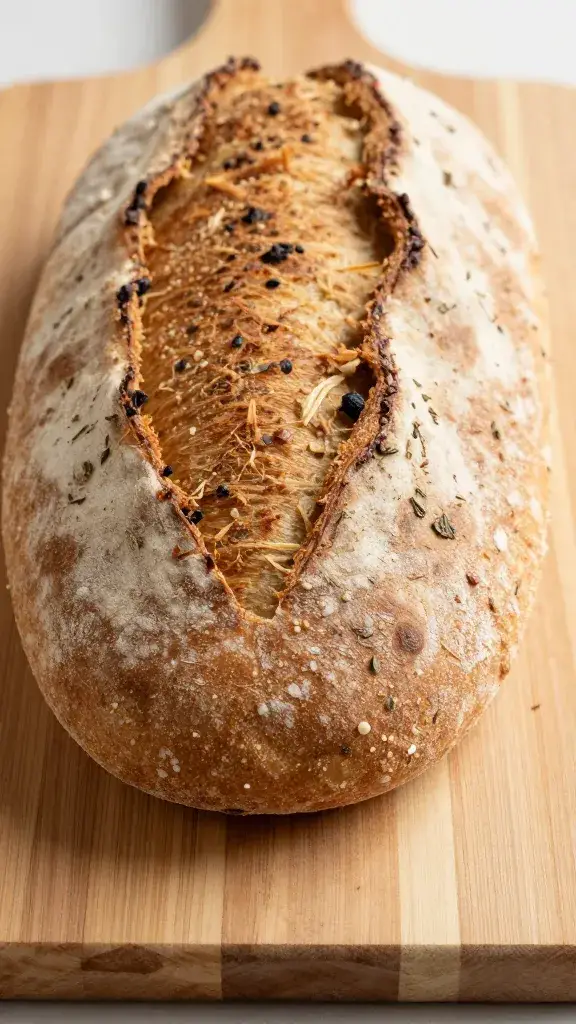
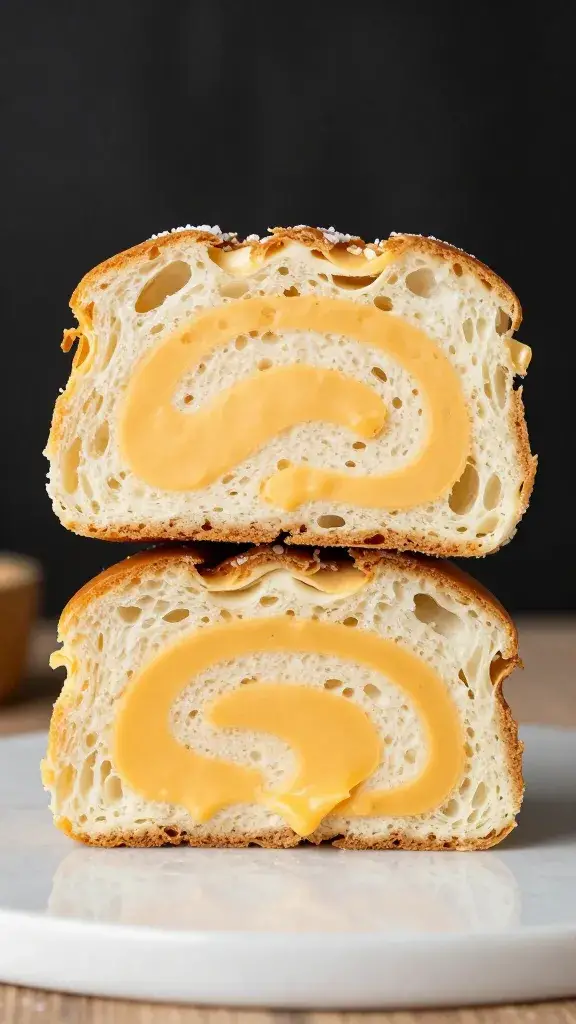
You get three wins in one loaf: crunch, chew, and a cheesy, herby swirl. The dough stays friendly for beginners, but it still bakes up like you spent years in a Tuscan village perfecting your nonna-core. Bake it for weekend brunch, pasta night, or that “I have olive oil and feelings” moment.
FYI: This bread plays nice with everything—charcuterie boards, roast chicken, tomato salads, or just salted butter. No wrong answers.
Ingredients: Keep It Real, Keep It Flavorful
Here’s what you’ll need for one hearty loaf.
For the dough:
- 3 1/4 cups (400 g) bread flour (you can sub all-purpose, but expect a slightly softer crumb)
- 1 1/4 cups (300 ml) warm water (about 100–105°F / 38–41°C)
- 2 tsp instant yeast
- 2 tsp sugar or honey
- 2 tsp kosher salt
- 2 tbsp extra-virgin olive oil
For the herb-cheese mix:
- 1/2 cup freshly grated Parmesan (or Pecorino Romano for extra bite)
- 1/2 cup shredded low-moisture mozzarella (for mild meltiness)
- 2–3 tbsp finely chopped fresh basil
- 1 tbsp finely chopped fresh rosemary
- 1 tbsp finely chopped fresh oregano or thyme
- 2 cloves garlic, very finely minced (or 1 tsp garlic powder)
- 1–2 tsp lemon zest (optional, but bright and lovely)
- Freshly cracked black pepper, to taste
Finish:
- 1 tbsp olive oil for brushing
- Pinch of flaky sea salt
Herb Swaps and Cheesy Tweaks
– Dried herbs work if you cut the amounts in half. Dried hits harder.
– Swap mozzarella for provolone or fontina if you want more character.
– Add chopped sun-dried tomatoes or olives for a bolder, brinier vibe (drain well).
Method: From Bowl to Bakery Vibes
Let’s keep it straightforward and stress-free.
- Bloom (kinda) and mix: In a large bowl, whisk warm water, sugar, and yeast. Add olive oil. Toss in flour and salt. Stir with a spoon until shaggy and no dry bits remain.
- Knead: Turn onto a lightly floured surface and knead 6–8 minutes until smooth and elastic. Or use a stand mixer with a dough hook for 5–6 minutes on medium-low. The dough should feel slightly tacky, not sticky.
- First rise: Shape into a ball, place in a lightly oiled bowl, cover, and let rise in a warm spot until doubled, 60–90 minutes.
- Mix the filling: In a small bowl, combine Parmesan, mozzarella, herbs, garlic, zest, and black pepper. Smells like victory already.
- Shape with a swirl: Turn dough onto the counter, gently press into a rectangle (about 12×9 inches). Sprinkle the cheese-herb mix evenly, leaving a 1-inch border. Roll up from a long side into a tight log. Pinch seam and tuck the ends.
- Final rise: Place seam-side down on parchment. Curve slightly into a bâtard or keep it as a log. Cover and let puff 30–45 minutes until pillowy.
- Preheat and steam hack: Heat oven to 450°F (230°C). Put a cast-iron skillet or empty metal pan on the bottom rack for steam. If you have a Dutch oven, you can use that instead with the lid.
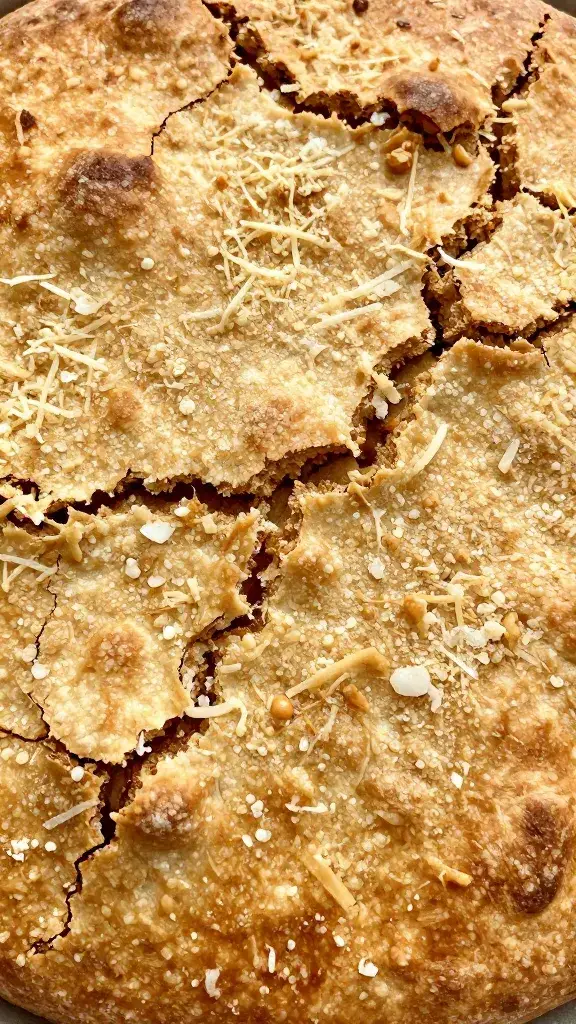
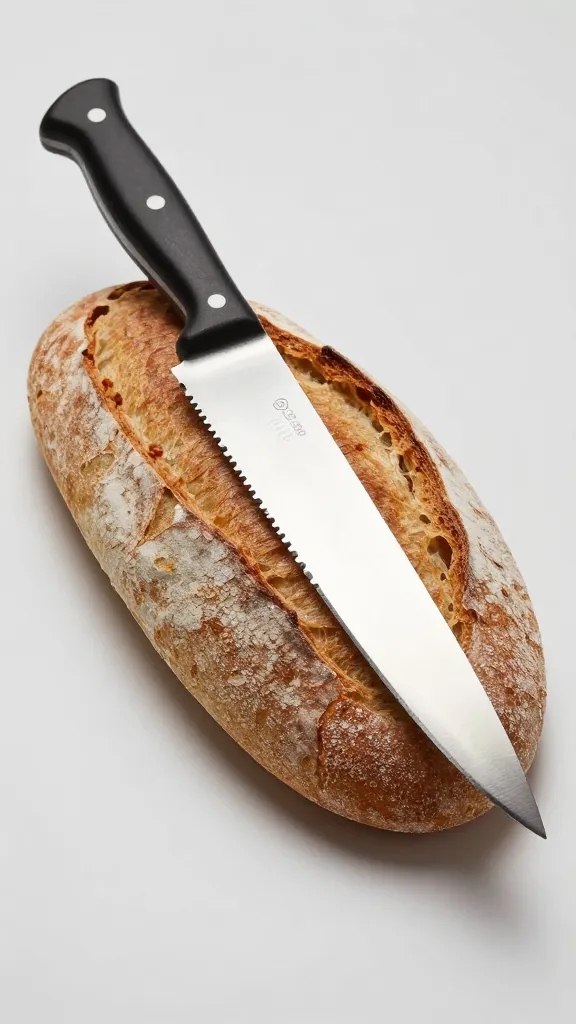
- Score and bake: Brush loaf with olive oil, sprinkle flaky salt, and score 3 diagonal slashes with a sharp knife. Slide the loaf (on parchment) onto a baking sheet or stone. Pour a cup of hot water into the preheated skillet to create steam. Bake 25–30 minutes until deep golden and 200–205°F (93–96°C) inside.
- Cool (yes, really): Let the loaf cool at least 30 minutes. The interior sets, the crust sings, and patience tastes better.
Using a Dutch Oven Instead
– Preheat Dutch oven at 450°F (230°C) for 30 minutes.
– Transfer loaf with parchment into the pot, cover, bake 20 minutes.
– Uncover and bake 10–12 minutes more to crisp and brown.
Texture Goals: Chewy Crumb, Crackly Crust
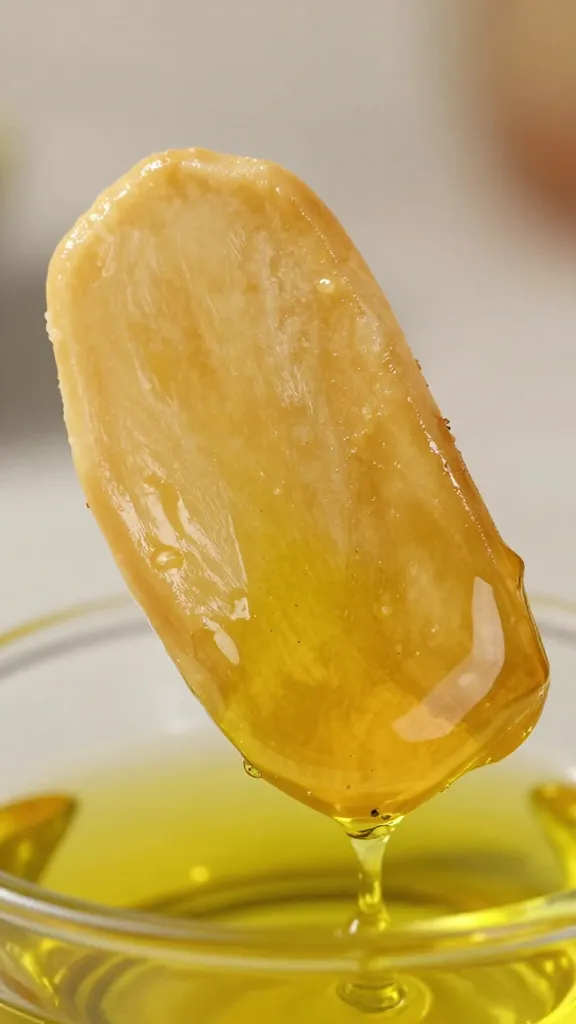
Want that perfect bite? You control it.
- Hydration: Keep the dough slightly tacky. Add flour only if it sticks aggressively.
- Steam: Steam boosts crust. Use the pan hack or a Dutch oven for guaranteed snap.
- Cheese inside, not outside: It melts and caramelizes in ribbons without scorching the crust.
- Longer rise = deeper flavor: Refrigerate the dough (covered) overnight after the first mix for tangier, more complex notes. IMO, it’s worth it.
Common Oopsies (And How to Dodge Them)
– Dense loaf? You under-proofed. Let it rise longer and watch volume, not the clock.
– Blowouts on the side? You skipped scoring. Give steam an exit.
– Burnt bottom? Double up your baking sheet or move the rack one notch higher.
Flavor Variations That Still Taste Like Vacation
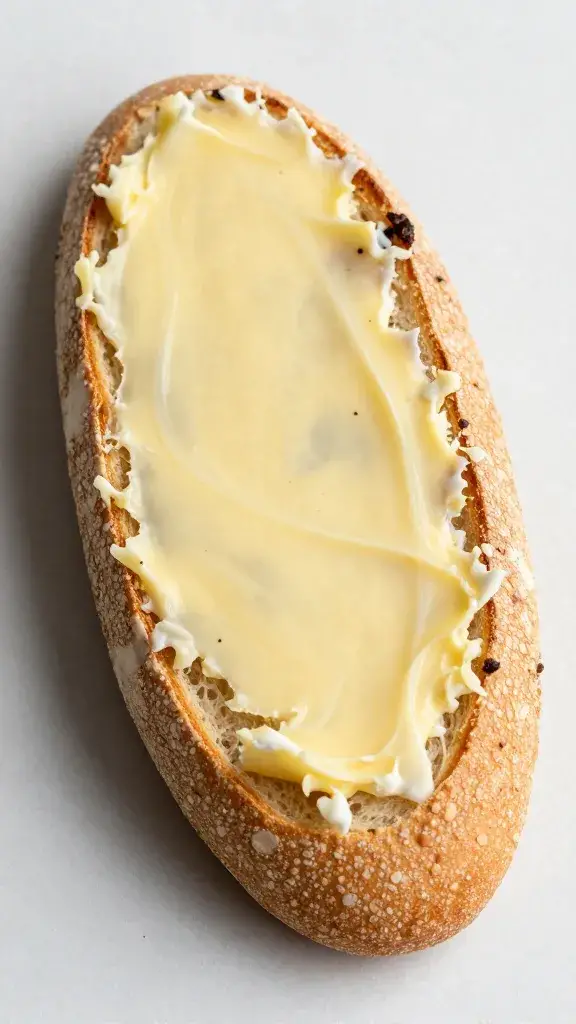
You want options? I got you.
- Roasted Garlic + Asiago: Squeeze in roasted garlic cloves and swap mozzarella for asiago.
- Calabrian Chili Heat: Add 1–2 tsp chopped Calabrian chiles or red pepper flakes.
- Olive + Lemon: Fold in chopped Castelvetrano olives and keep the zest. Bright, briny, dreamy.
- Whole Wheat Rustic: Use 1 cup (120 g) whole wheat flour and 2 1/4 cups (280 g) bread flour. Add 1–2 tbsp extra water if needed.
Serving Ideas That Make You Look Extra
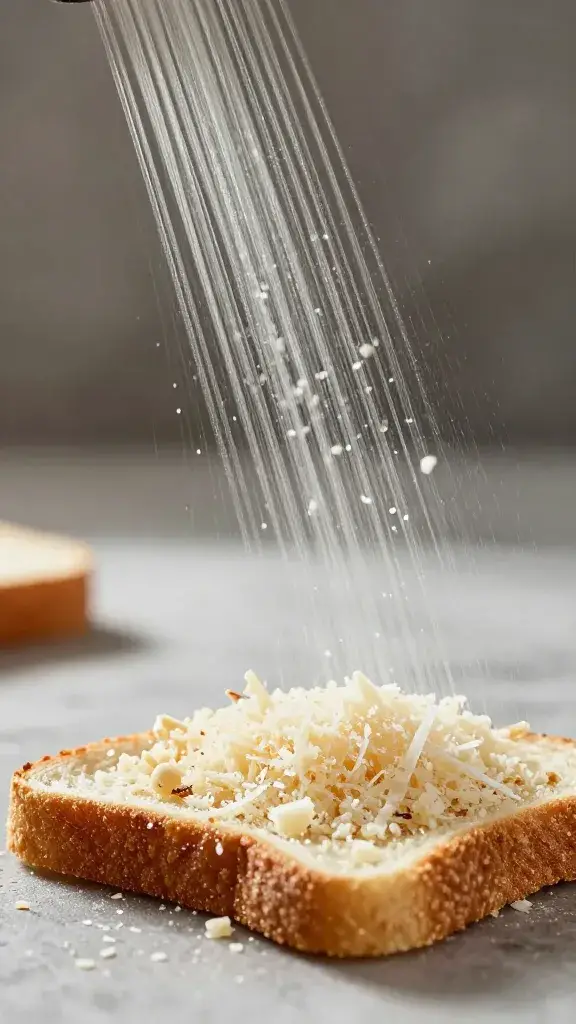
Let’s turn a loaf into a moment.
- Simple dip: Good olive oil, balsamic drizzle, pinch of flaky salt, cracked pepper.
- Soup dipper: Minestrone, tomato-basil, or creamy mushroom. The crust holds up like a champ.
- Open-face toast: Ricotta, roasted tomatoes, basil, and a swipe of pesto. Brunch flex achieved.
- Leftover makeover: Cube and toast for croutons, or blitz stale slices into herby breadcrumbs. FYI: nothing gets wasted.
Step-By-Step Timeline (Quick Reference)
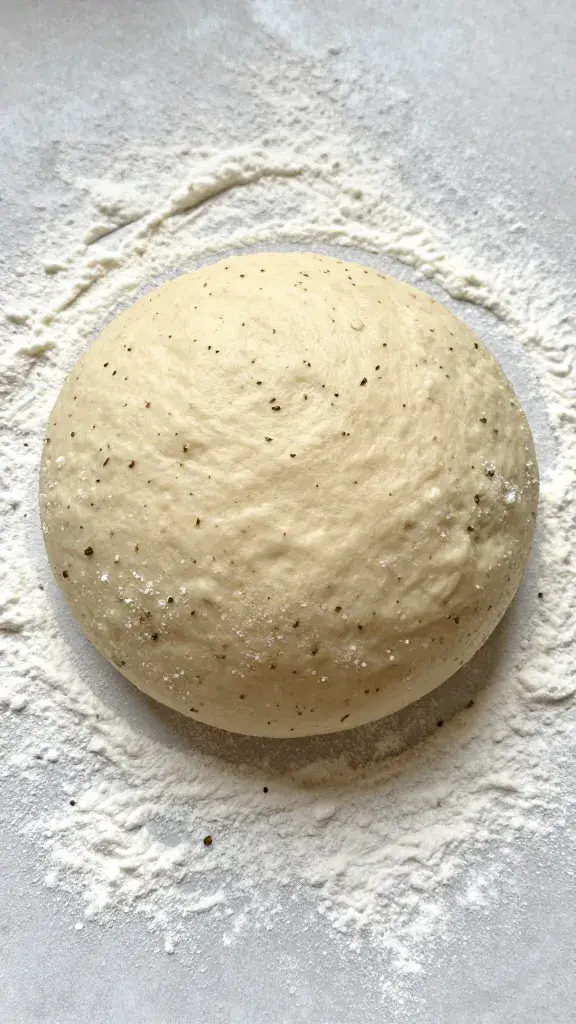
– Mix and knead: 10 minutes
– First rise: 60–90 minutes
– Shape and fill: 10 minutes
– Final rise: 30–45 minutes
– Bake: 25–30 minutes
– Cool: 30 minutes (don’t skip!)
Total time: About 3 hours, most of it hands-off. Weekend project energy with weeknight payoff.
FAQ
Can I make this without a stand mixer?
Absolutely. Hand-knead for 6–8 minutes until the dough turns smooth and elastic. If it sticks, use a light dusting of flour and keep going. Your forearms get a mini workout, and your bread won’t judge you.
What if I only have dried herbs?
Use about half the amount of dried vs. fresh. So if the recipe says 2 tbsp fresh basil, use 1 tbsp dried. Rub the dried herbs between your fingers to wake up the oils. IMO, fresh wins for aroma, but dried gets the job done.
My crust softened after cooling. How do I keep it crisp?
Let it cool on a wire rack so steam escapes. If it softens later, re-crisp slices in a 375°F (190°C) oven for 5–8 minutes. Avoid sealing a hot loaf in plastic—condensation turns crackle into meh.
Can I freeze the dough or the baked loaf?
Yes and yes. Freeze shaped dough after the first rise; thaw in the fridge overnight, then proof and bake. For a baked loaf, cool completely, wrap tightly, and freeze up to 2 months. Reheat at 350°F (175°C) for 12–15 minutes.
What cheese melts best without leaking out?
A combo works best: Parmesan (flavor) + low-moisture mozzarella (melt) stay in the crumb and don’t erupt. Avoid fresh mozzarella here—it releases too much moisture. Pecorino adds a salty kick if you like it punchier.
Do I need bread flour?
No, but it helps. Bread flour gives extra chew and structure. All-purpose still bakes beautifully—just expect a slightly softer texture. If you have vital wheat gluten, add 1 tbsp to all-purpose for a similar effect.
Conclusion
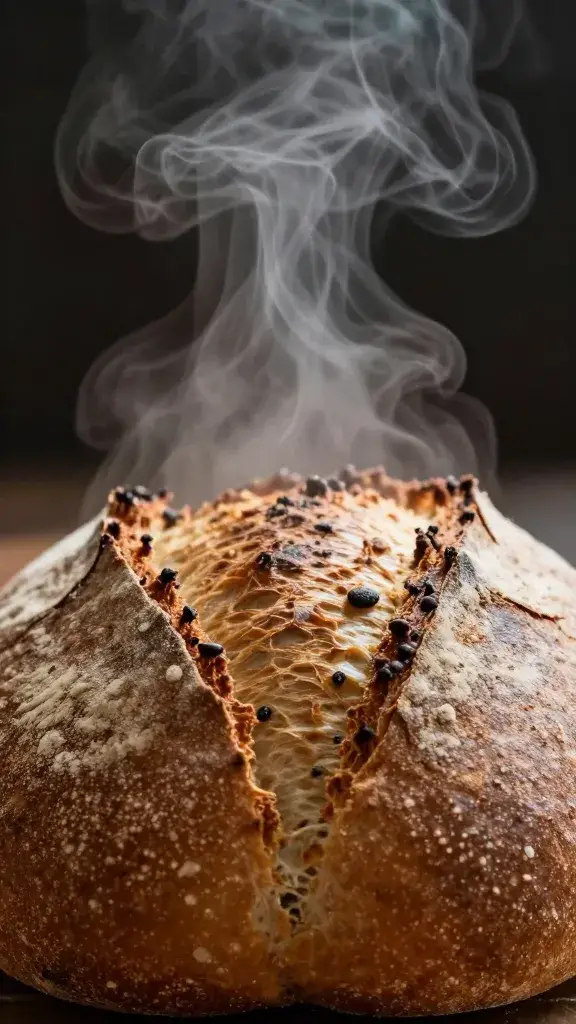
This rustic Italian herb and cheese bread doesn’t overcomplicate things—it just delivers bold, cozy flavor in a crackly package. You mix, you roll, you bake, and suddenly your kitchen smells like a holiday in Umbria. Tear into it warm, pour some olive oil, and call it a win. And if anyone asks for the recipe? Smile and say it’s “surprisingly simple,” because IMO, that’s half the fun.