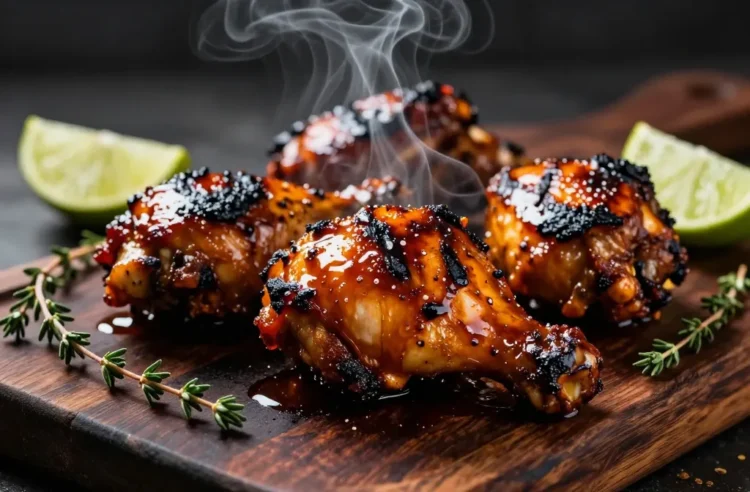
Craving jerk chicken that gleams like a magazine cover and tastes like a beachside smoke shack? You can lacquer that bird with a rum-kissed glaze and get restaurant-level shine in eight minutes flat. No culinary degree required, just heat, timing, and a sauce that earns oohs and ahhs. Let’s talk Jamaican Jerk Rum Lacquer—sticky, spicy, slightly sweet, and ridiculously good.
What Exactly Is a Rum Lacquer?
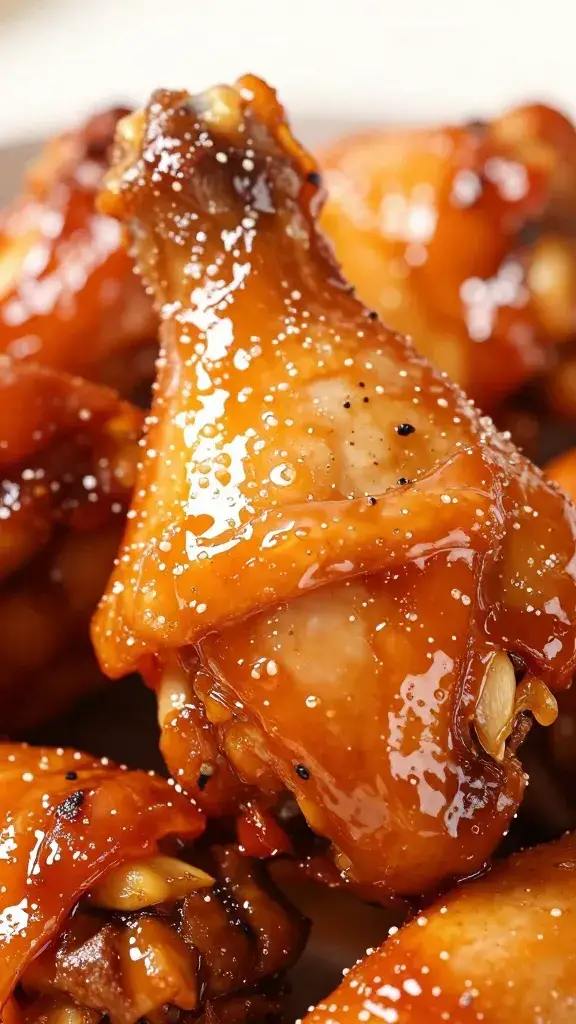
A lacquer is a glossy finish, but for food. Think sticky-sweet, slightly syrupy glaze that clings to crispy edges and makes your chicken look like it’s been polished. That’s what we’re doing here—only with jerk spices and dark rum.
You brush it on near the end of cooking, blast it with heat, and boom: shiny, caramelized, flavor-bomb chicken. Takes eight minutes. Maybe nine if you’re generous with the glaze.
The Flavor Vibes: Island Heat Meets Molasses Magic
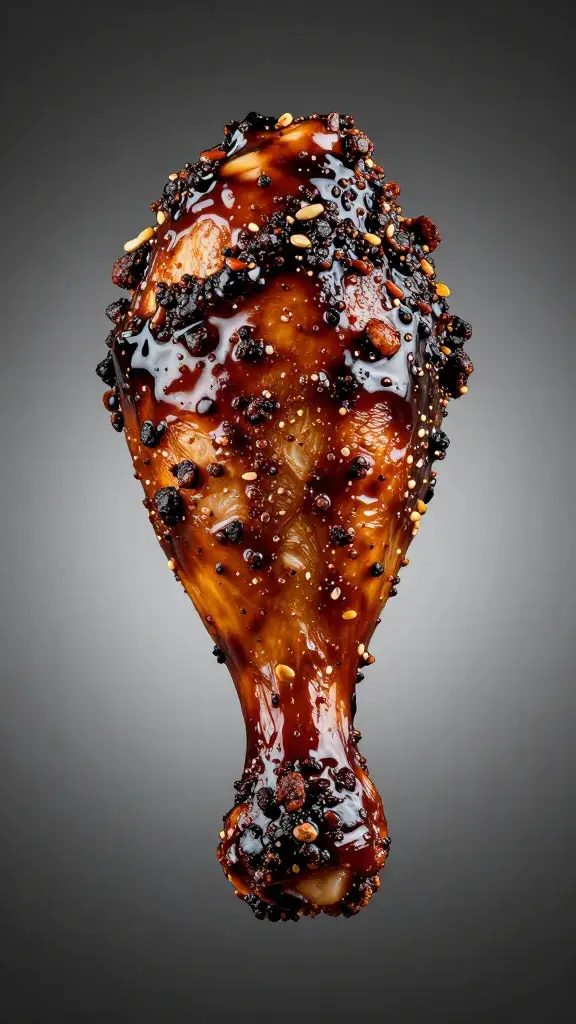
Jerk already brings serious personality: Scotch bonnet heat, warm allspice, thyme, and smoky backbone. The rum lacquer adds glossy sweetness and a little boozy depth. It balances heat with caramel and makes the spices pop.
Key flavor pillars:
- Heat: Scotch bonnet or habanero = fruity fire
- Warmth: Allspice, cinnamon, nutmeg
- Herbal: Fresh thyme, scallions, garlic
- Sweet-smoky: Dark rum, brown sugar, molasses
- Tang: Lime juice and a whisper of vinegar
Ingredients You Actually Need
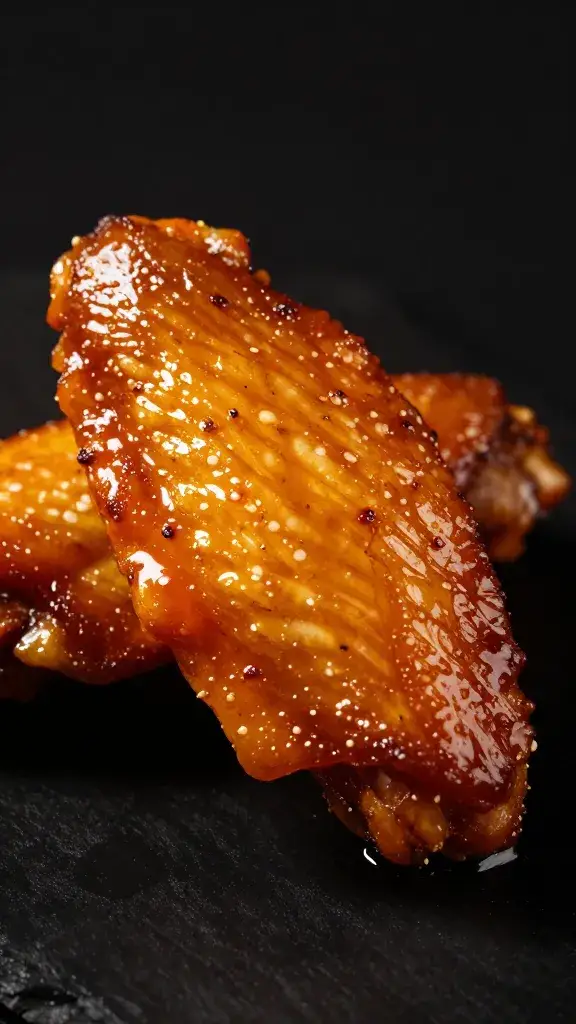
Keep your pantry normal, but grab a few island MVPs. IMO, don’t skip the allspice or dark rum—they’re the soul of the finish.
For the Jerk Marinade
- 4-6 chicken thighs (bone-in, skin-on for best lacquer)
- 2-3 scallions, chopped
- 3 cloves garlic
- 1-2 Scotch bonnets or 1 habanero (seeded if you scare easily)
- 1 tbsp fresh thyme leaves
- 2 tsp ground allspice
- 1 tsp ground cinnamon
- 1/2 tsp ground nutmeg
- 1 tbsp brown sugar
- 2 tbsp soy sauce or tamari
- 2 tbsp neutral oil
- Juice of 1 lime
- 1 tsp kosher salt, 1/2 tsp black pepper
For the Rum Lacquer (8-Minute Shine)
- 1/2 cup dark or spiced rum (Appleton, Goslings, or your fave)
- 1/4 cup brown sugar
- 1 tbsp molasses (optional but powerful)
- 2 tbsp jerk marinade (steal from the batch)
- 1 tbsp lime juice
- 1 tsp apple cider vinegar
- Pinch of allspice and salt
Prep Like You Mean It
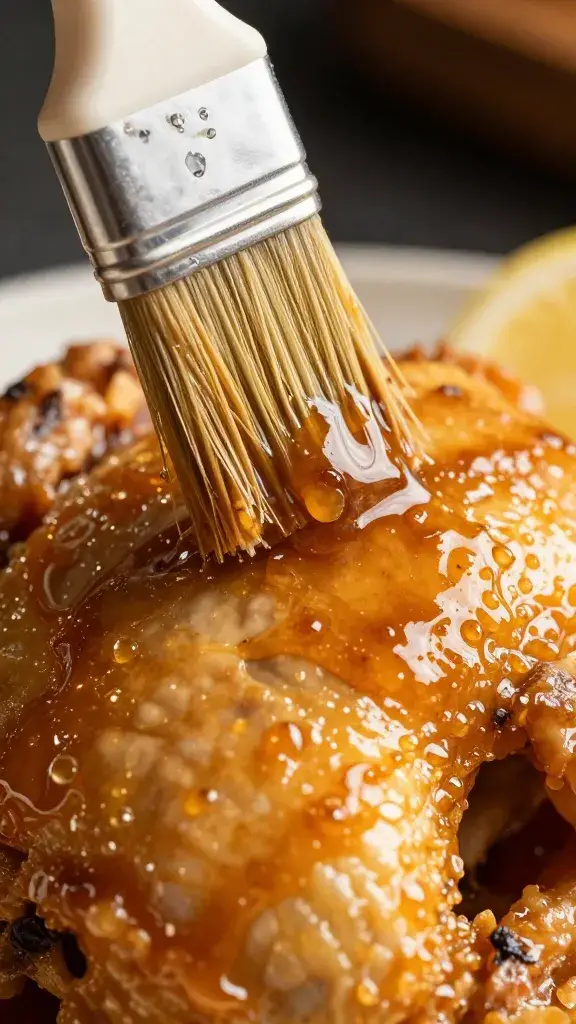
Blend the marinade. Toss everything in a blender or food processor and buzz until thick and fragrant. It should smell like a tropical spice cabinet.
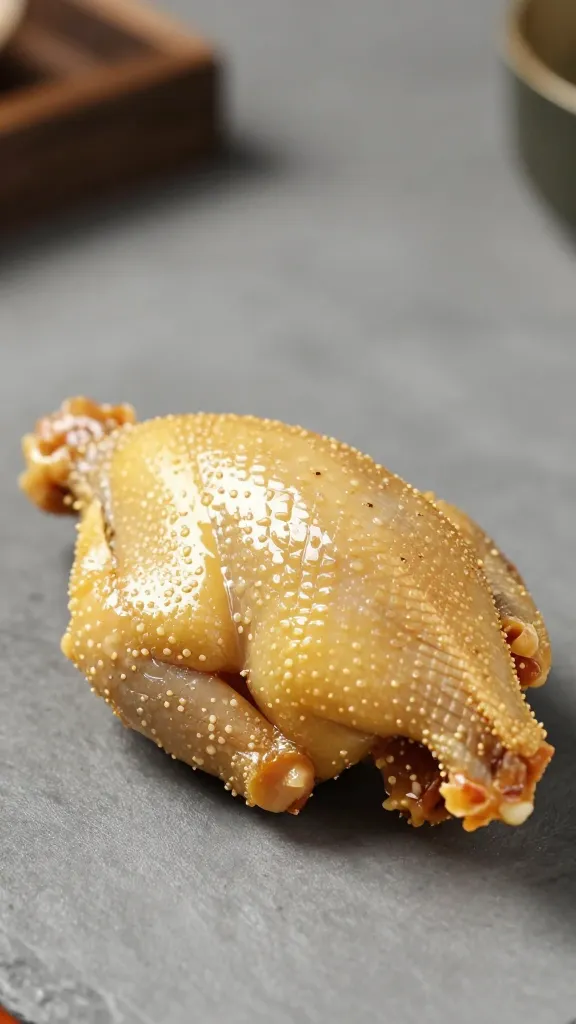
Coat the chicken. Massage it on all sides and under the skin. Marinate for at least 2 hours, preferably overnight. FYI, the flavor payoff increases dramatically after 12 hours.
Cook Options (All Win)
- Grill: Medium heat, flip every 5-7 minutes until nearly done. Get some char—smoke = flavor.
- Oven: 425°F (220°C), sheet pan with rack, 30-35 minutes for thighs.
- Air fryer: 375°F (190°C), 18-22 minutes, flip halfway.
We’ll lacquer right before the finish, so cook to within shouting distance of done: 165°F internal, or just shy of it because the glaze cooks the rest of the way.
The 8-Minute Lacquer: Step-by-Step
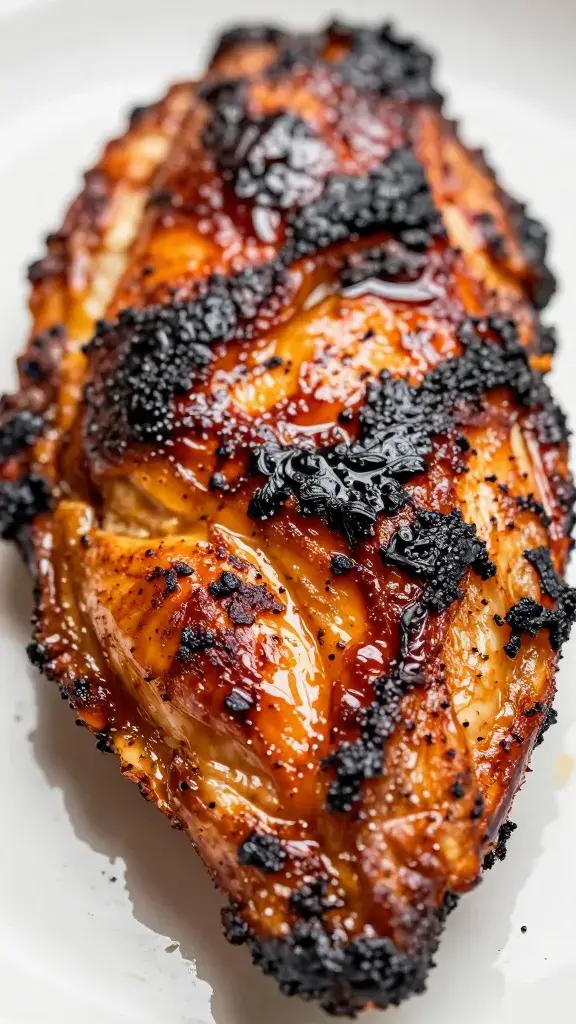
You’ve got hot chicken and a bubbling glaze moment incoming. Let’s nail the timing.
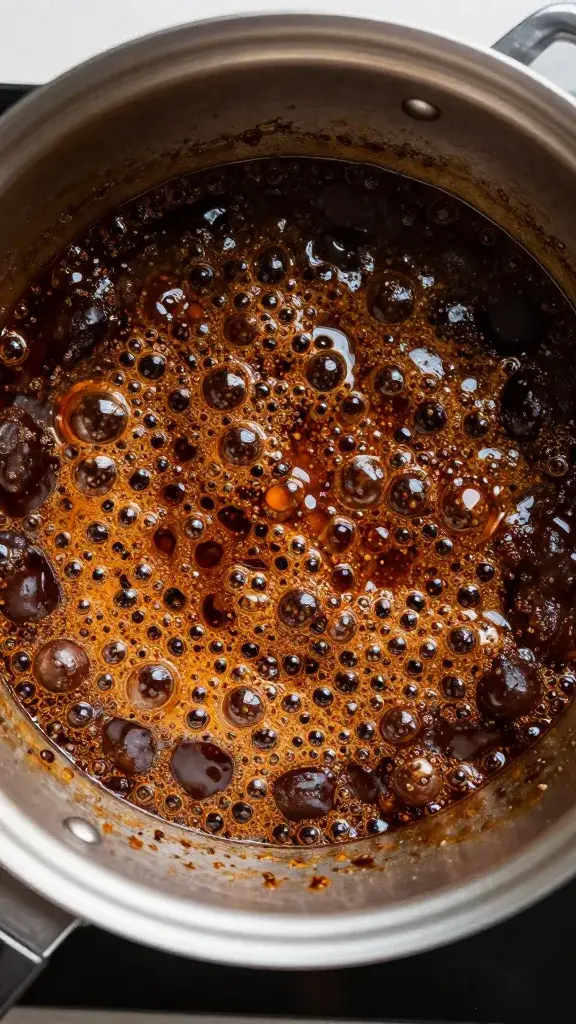
- Simmer the lacquer: Add rum, sugar, molasses, jerk, lime, vinegar, allspice, and a pinch of salt to a small pan. Bring to a gentle simmer over medium. Reduce 3-5 minutes until syrupy and glossy. If you can draw a line on the back of a spoon, you’re good.
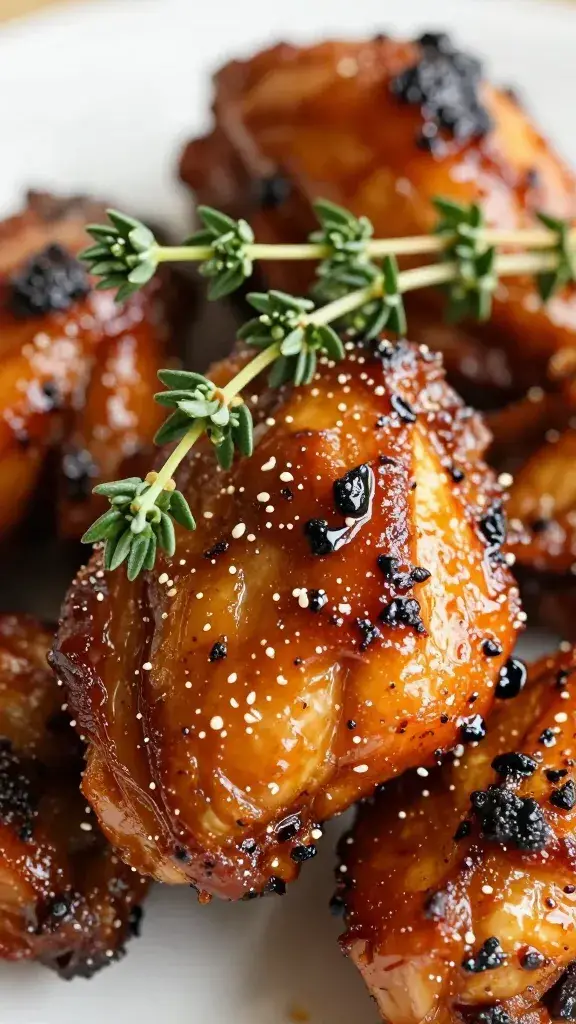
- Brush generously: Paint the chicken with the lacquer. Don’t be shy. You want drips, edges, and all the nooks glistening.
- High heat blast (the shine-maker):
- Grill: Move to hotter zone, 2-3 minutes per side, brush again.
- Oven: Broil on high 3-4 minutes, rotate pan once. Re-glaze and broil 1-2 more minutes.
- Air fryer: 400°F (205°C), 2-4 minutes after brushing, then one more brush and 1-2 minutes.
- Repeat brush + blast: Two thin coats beat one thick coat. The sugar caramelizes fast, so watch it like a hawk.
- Rest 5 minutes: The lacquer sets, the juices calm down, and you don’t burn your mouth. You’re welcome.
Texture Tricks That Make It Look Pro
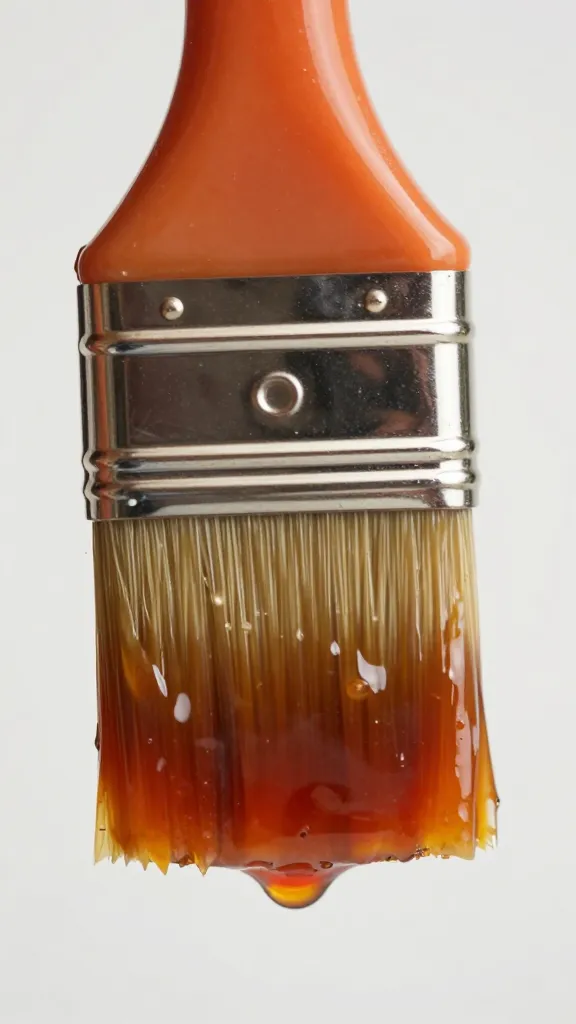
You want glossy, not gummy. Crisp, not soggy. These moves help.
- Dry the chicken before marinating: Pat it dry so the marinade clings.
- Use a rack in the oven: Air circulation = crisp skin.
- Thin coats of glaze: If it runs like water, reduce longer. If it blobs, whisk in a splash of rum or lime.
- Hit it hot at the end: The glaze needs high heat to set and shine.
- Finish with a lime gloss: Right before serving, add a few drops of lime over the lacquer for a bright snap.
Pairings and Sides That Slap
Let the chicken be the star, but sidekicks matter.
- Coconut rice and peas: Creamy, cooling, a classic for a reason.
- Charred pineapple or mango: Sweet fruit with char = lights out.
- Simple slaw: Cabbage, carrot, lime, and a pinch of salt. Balances the heat.
- Grilled corn with jerk butter: Butter + jerk seasoning + lime zest = elite.
- Cold beer or rum punch: Not optional IMO.
Make It Yours: Heat, Sweet, and Rum Tweaks
Everyone’s heat tolerance lives on a sliding scale. Adjust freely.
Heat Control
- Mild: Seed your peppers and use 1 pepper total.
- Medium: One pepper with seeds plus extra black pepper.
- “Call the fire department”: Two peppers, seeds in, and a dash of cayenne.
Sweetness
- Less sweet: Cut sugar in the lacquer to 2 tbsp and skip molasses.
- More sweet: Add 1 tbsp honey at the end for shine and softer sweetness.
Rum Choices
- Dark rum: Deep molasses notes, classic jerk partner.
- Spiced rum: Built-in vanilla/cinnamon—great shortcut.
- No alcohol: Sub pineapple juice with a splash of vanilla and an extra 1 tsp vinegar for balance.
FAQ
Can I use chicken breasts instead of thighs?
Yes, but watch them closely. Breasts dry out faster. Pound them to even thickness, cook to 160°F, then lacquer and broil to finish. Pull them at 165°F after the glaze sets.
Do I need Scotch bonnet peppers?
They’re traditional and fruity-hot, but habaneros work great. If you can’t do either, use jalapeños plus a pinch of cayenne. You’ll miss some fruitiness, but the glaze still slaps.
Will the alcohol cook off completely?
Mostly, yes. You simmer the lacquer and then blast it under high heat, which drives off the alcohol and leaves the flavor. If you want zero alcohol, use the pineapple juice swap above.
Can I make the lacquer ahead?
Totally. Store it in the fridge for up to a week. Warm gently to loosen before brushing. If it thickens too much, whisk in a teaspoon of hot water or rum.
What if my glaze burns under the broiler?
You broiled too close or too long. Move the rack down a notch, lower broil to medium, and go in shorter bursts. Also, thin coats caramelize without scorching—key detail.
Is bottled jerk seasoning fine?
It’s fine for weeknights. Use 2-3 tablespoons paste or 2 tablespoons dry spice with a splash of oil and lime. Add fresh thyme and scallions to wake it up, IMO.
Serving and Flexes
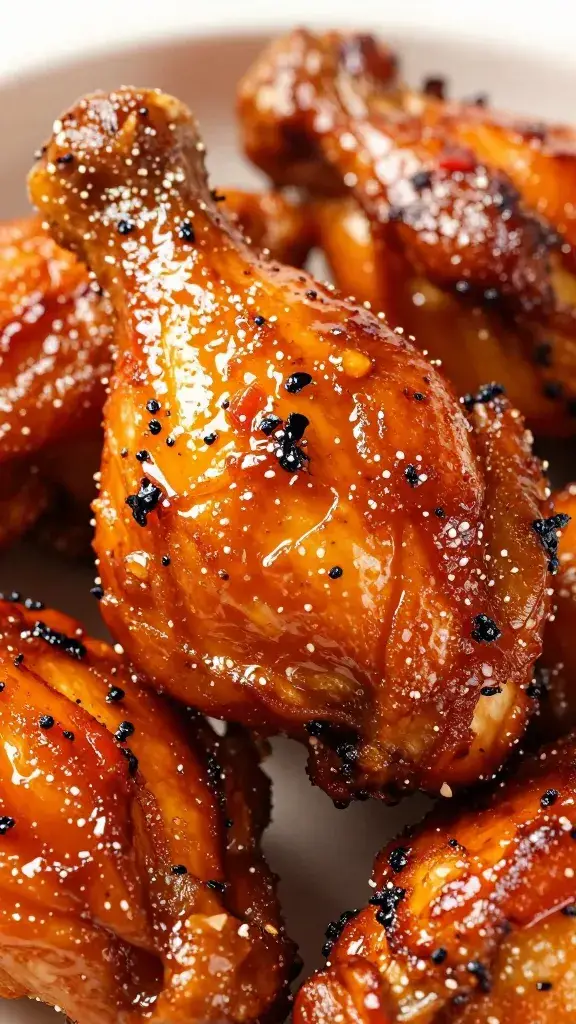
Plate the chicken with a little extra lacquer drizzled on the platter—don’t hide the shine you worked for. Sprinkle chopped scallions and thyme over the top. Add lime wedges. Everyone squeezes their own and thinks they cooked dinner. Win-win.
For guests, slice the thighs off the bone and fan them out so the lacquered edges show. If you want to be extra, dust the plate with a pinch of allspice and sea salt. It looks chef-y with basically zero effort.
Conclusion
Jamaican Jerk Rum Lacquer brings heat, smoke, and glossy swagger in eight minutes flat. You marinate, cook almost to done, then brush and blast until it shines like a new car. It’s sticky, spicy, and dangerously craveable. Try it once, and you’ll start lacquering everything—wings, pork, shrimp—fair warning.