
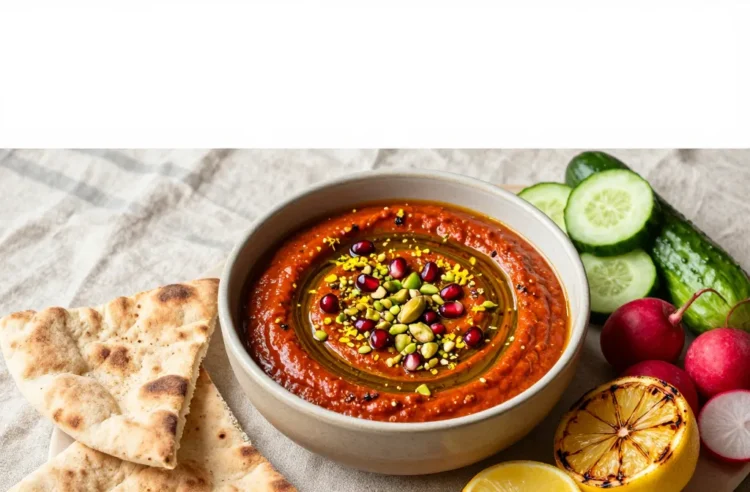
Lemony, nutty, smoky, and just a little bit fancy—this Pistachio-Lemon Muhammara will hijack your snack board and steal the show. It’s a riff on the classic Syrian dip that keeps everything you love (roasted peppers! spice! sweetness!) and adds a bright lemon snap and buttery pistachios. Perfect for a Middle-East-inspired Easter board when you want something fresh, colorful, and not another bowl of hummus. Ready to level up your mezze game?
Why Pistachio-Lemon Muhammara Belongs on Your Easter Board
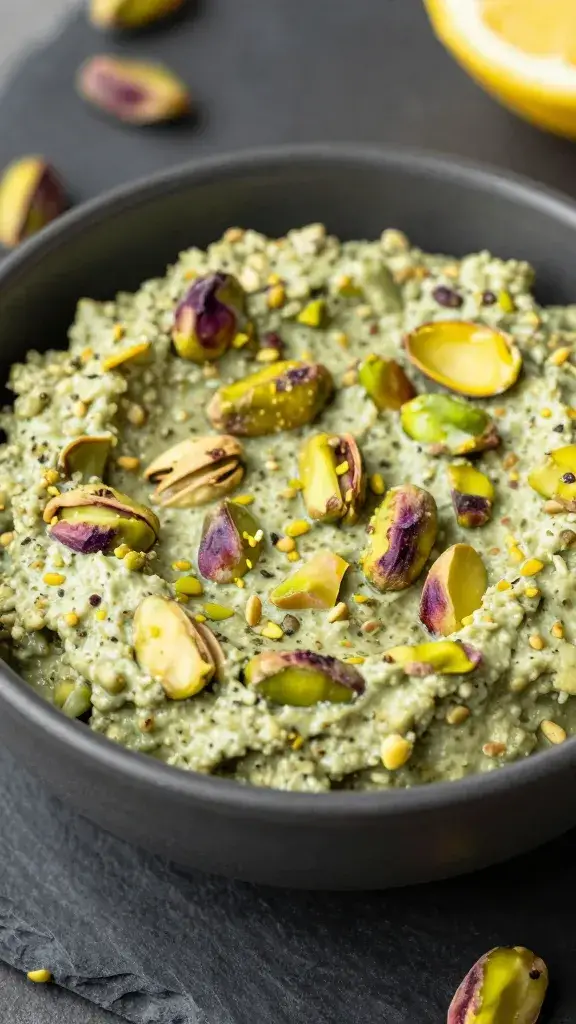
This dip checks every box for a crowd-pleaser. It’s vibrant and tangy, with enough texture to feel interesting but still totally scoopable. Bonus points: you can make it ahead, and it tastes even better after a nap in the fridge.
Traditionally, muhammara uses walnuts, but pistachios bring a delicate richness and that signature green glow. The lemon brightens everything, so your board feels springy instead of sleepy. FYI: once you make this, you’ll crave it with everything.
What You’ll Need (and Why It Works)
Let’s keep it simple. You probably have most of this already. The pistachios and lemon twist the classic in the best way possible.
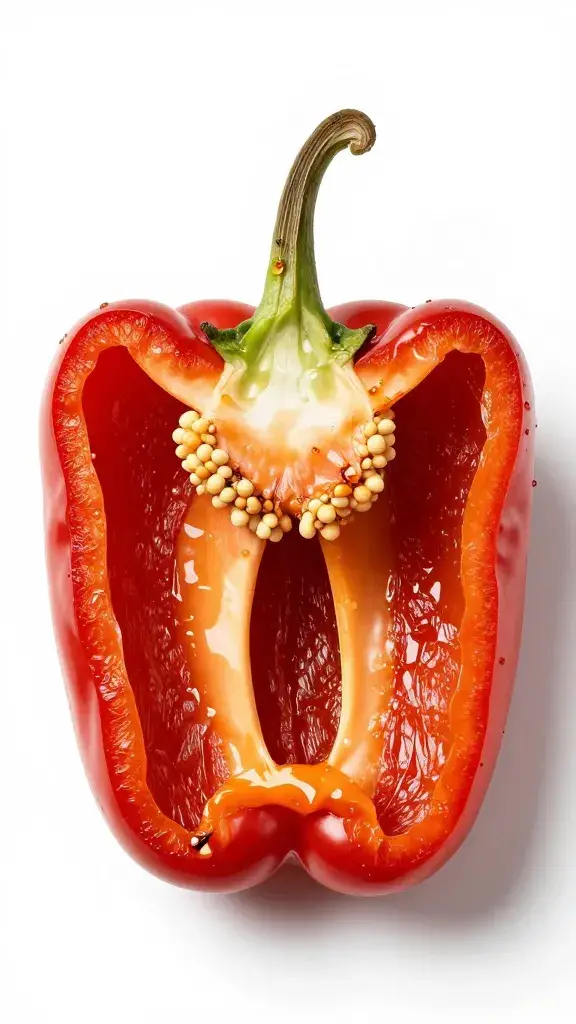
- Roasted red peppers (jarred works!): Sweet, smoky base with zero hassle.
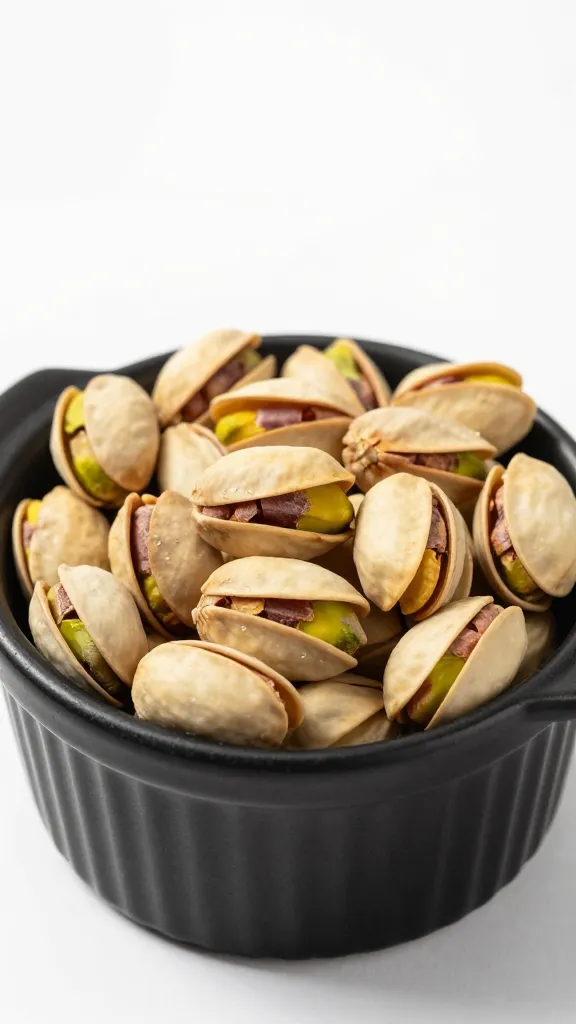
- Pistachios (unsalted, shelled): Buttery, faintly sweet, and a gorgeous green finish.
- Day-old bread or panko: For body. Muhammara needs a little heft.
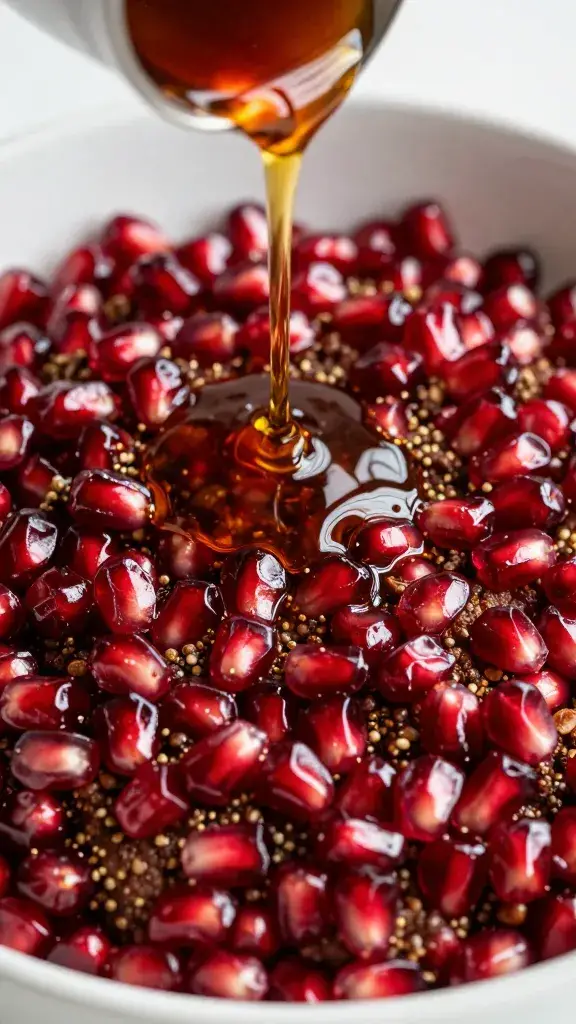
- Pomegranate molasses: Tart-sweet magic. Sets muhammara apart from “random pepper dip.”
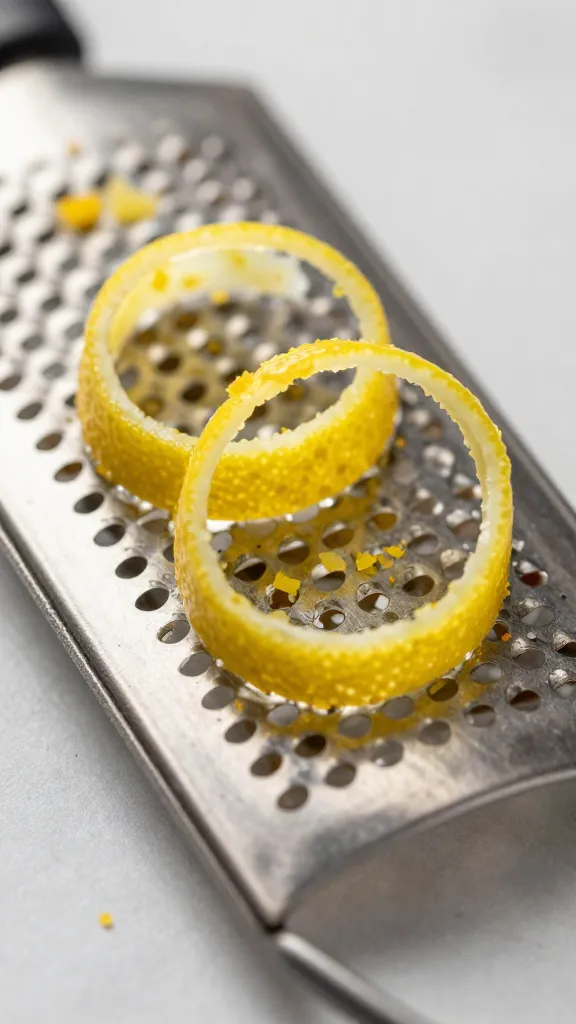
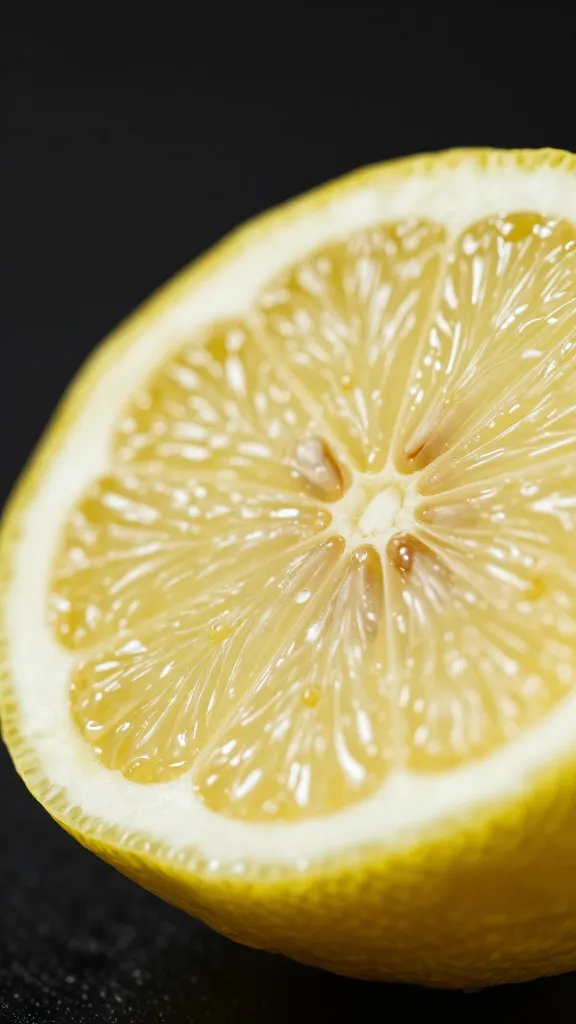
- Fresh lemon juice + zest: Brightens and balances the richness—this is the lemon moment.
- Extra-virgin olive oil: Silky texture and fruity depth.
- Garlic: One clove, two if you’re feeling bold.
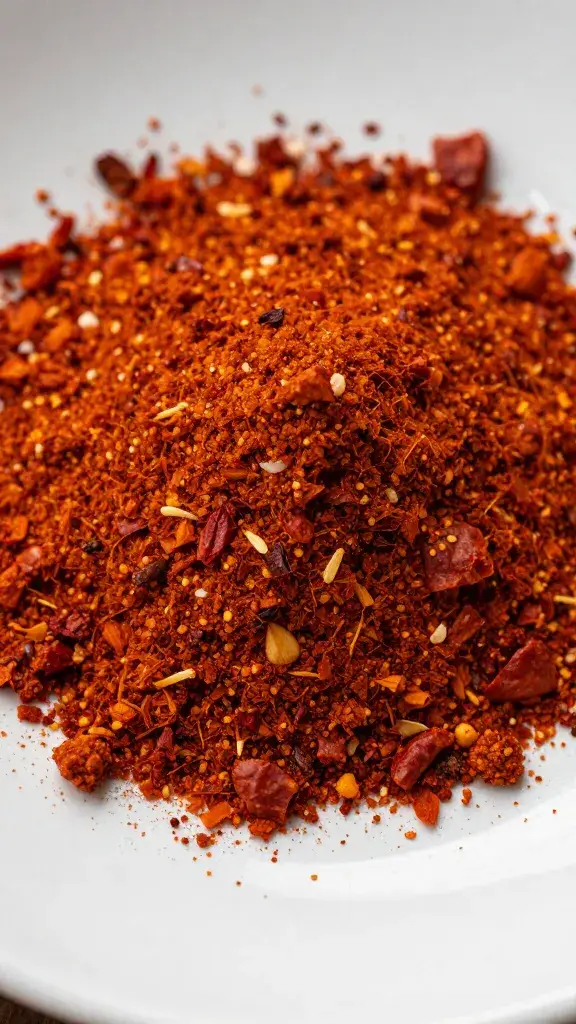
- Ground cumin + Aleppo pepper: Warmth and gentle heat. Sub chili flakes if needed.
- Sea salt: Because flavor matters.
Optional But Highly Recommended
- Smoked paprika: Enhances the roasted vibe.
- Sumac: A lemony dusting that screams “I know what I’m doing.”
- Tahini: A spoonful for extra creaminess, if you like.
How to Make It (No Stress, All Flavor)
You can blitz this together in the time it takes to set out the crackers. Bread soaks. Everything goes into the processor. Taste and tweak. Done.
- Prep the bread: If using fresh bread, toast it lightly first. Tear 1 cup of bread (or use 1/2 cup panko). Splash with a tablespoon of water or lemon juice to soften—30 seconds does it.
- Pulse the nuts: Add 3/4 cup pistachios to a food processor. Pulse until finely chopped, not a paste. Save a tablespoon for garnish if you’re fancy (you are).
- Add the base: Toss in 1 jar (about 12 oz) drained roasted red peppers, the softened bread, 1–2 garlic cloves, 1 teaspoon cumin, 1–2 teaspoons Aleppo pepper, and a pinch of smoked paprika if using. Pulse until chunky-smooth.
- Finish with flavor: Add 2 tablespoons pomegranate molasses, zest of 1 lemon, juice of 1/2 to 1 lemon (to taste), 2–3 tablespoons olive oil, and salt. Blend again. You want a lush, spreadable dip.
- Taste + adjust: More lemon for brightness, more molasses for depth, more salt for pop. IMO, a little extra zest never hurt anyone.
- Chill (optional but ideal): Let it rest 30–60 minutes so the flavors marry like an old couple that still flirts.
Texture Tips
– Too loose? Add more bread crumbs or a handful of pistachios and pulse.
– Too thick? Drizzle in olive oil or a splash of lemon juice.
– Too sweet? Add salt and a pinch more Aleppo or sumac.
Assembling a Middle-East Easter Board Around It
You’ve got the star of the show. Now build the stage. Think color, crunch, and lots of dippers.
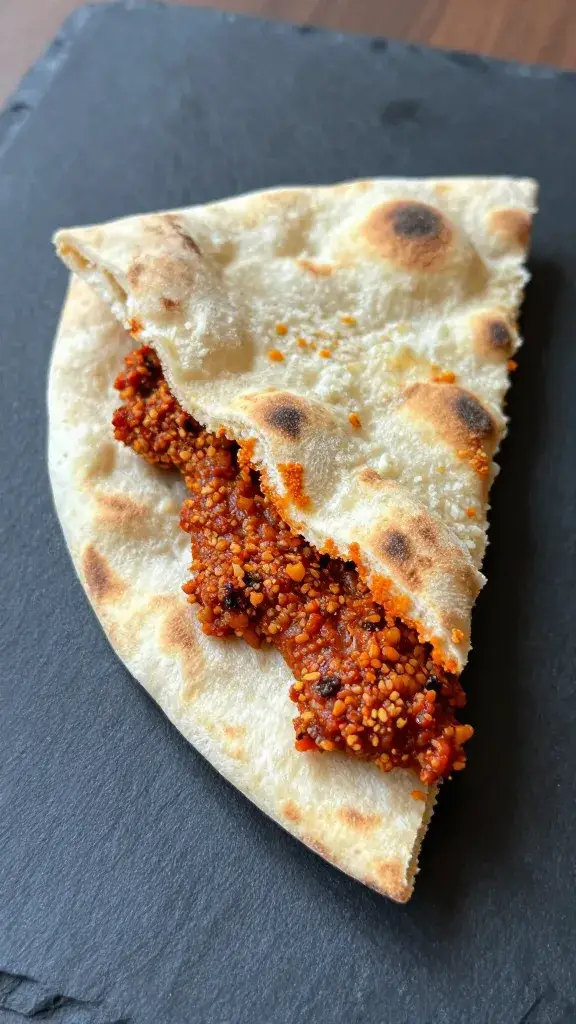
- Breads + crunch: Warm pita, toasted pita chips, seeded crackers, thin lavash, grissini.
- Fresh veg: Persian cucumbers, radishes, endive leaves, cherry tomatoes, baby carrots, snap peas.
- Salty bits: Marinated feta cubes, olives (Castelvetrano and Kalamata), pickled turnips.
- Other spreads: Hummus (sure), labneh with olive oil and za’atar, toum for the garlic lovers.
- Proteins: Jammy eggs or soft-boiled quail eggs for an Easter nod. Sliced sujuk or pastirma if you’re feeling extra.
- Sweet touch: Fresh grapes, orange segments, or dried apricots. They flatter the pomegranate notes.
Plating Like a Pro
– Spread the muhammara in a shallow bowl.
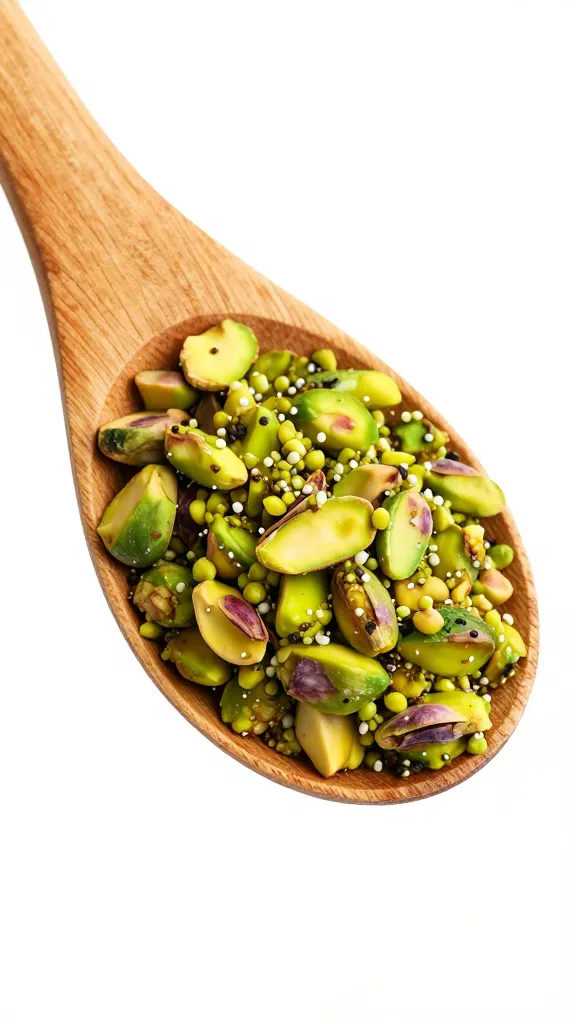
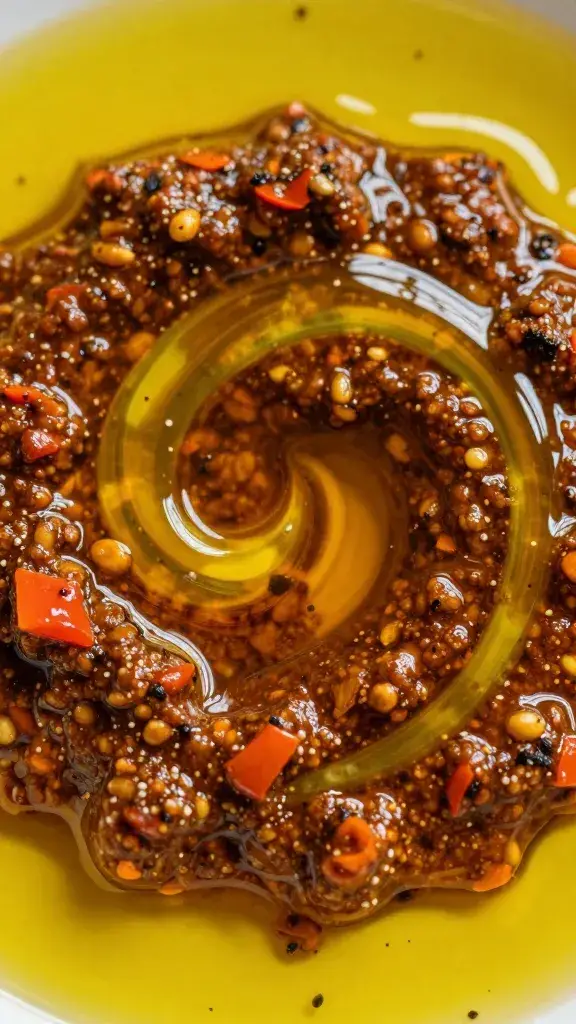
– Make a swoosh and top with olive oil, chopped pistachios, lemon zest, and a dusting of sumac.
– Tuck herbs (mint, parsley) around the bowl. Color = appetite.
Flavor Play: Variations You’ll Actually Use
Let’s riff responsibly. Don’t overcomplicate it—just nudge the flavors toward your vibe.
- Smoky-grill edition: Char fresh red peppers and a half lemon on the grill. Use both—the lemon juice gets this subtle caramelized effect.
- Green goddess twist: Add a small handful of cilantro and parsley. Bright green, huge herb energy.
- Spicy-crunch top: Heat olive oil with Aleppo and sesame seeds; spoon over as a chili crisp moment.
- Nut swap: Go half pistachio, half walnut for classic vibes with pistachio charm.
- Extra creamy: Blend in 1 tablespoon tahini. It rounds the edges in a luxurious way.
Make-Ahead, Storage, and Serving Temps
You can totally make this the day before your Easter board moment. It only improves.
- Make-ahead: 1–2 days in advance is ideal.
- Storage: Airtight container in the fridge for up to 4–5 days.
- Freezing: Not recommended—texture takes a hit.
- Serving temp: Bring to room temp for 20–30 minutes so the flavors pop.
Garnish Like You Mean It
Finish with:
– Olive oil, lemon zest, crushed pistachios
– Sumac or Aleppo pepper
– Pomegranate arils if you have them (festive and juicy)
Pairing Ideas: Drinks and Dishes That Click
This dip plays well with others. Keep the drinks crisp and the sides simple.
- Wine: Dry rosé, Albariño, or a zippy Sauvignon Blanc. Acid loves lemon and spice.
- Beer: Pilsner or a citrusy wheat beer keeps things bright.
- NA: Sparkling water with lemon and a splash of pomegranate juice. Fancy, zero effort.
- Main courses: Roast chicken with herby rub, grilled lamb chops, or harissa-roasted carrots over labneh.
Frequently Asked Questions
Can I make muhammara without pomegranate molasses?
You can, but the flavor shifts. Mix 1 tablespoon lemon juice with 1 teaspoon honey as a quick hack, then adjust salt and acid. It won’t taste identical, but it still slaps, IMO.
What if I can’t find Aleppo pepper?
Use red pepper flakes, but cut the amount in half and add a pinch of smoked paprika for depth. Aleppo tastes milder and fruitier, so go easy on the heat.
Is this dip vegan and gluten-free?
It’s naturally vegan. To make it gluten-free, use GF breadcrumbs or almond meal. Check your pomegranate molasses label just in case, but it’s typically fine.
How do I avoid a watery dip?
Drain jarred peppers thoroughly and pat them dry. Add bread or crumbs gradually until it looks thick but spreadable. If it thins out later, pulse in more pistachios or crumbs.
Can I use fresh peppers instead of jarred?
Absolutely. Roast or grill 3–4 red peppers until charred, steam in a covered bowl, peel, and deseed. They bring deeper flavor—just season generously since fresh peppers vary.
How long should it rest before serving?
Give it at least 30 minutes. The lemon and spices settle in and the texture evens out. Overnight? Even better, FYI.
Final Thoughts
Pistachio-Lemon Muhammara delivers color, character, and that zesty “who made this?” energy every board needs. It’s unfussy, make-ahead friendly, and wildly versatile. Put it front and center on your Middle-East Easter board, pile on the dippers, and watch it vanish—proof that sometimes the dip is the main event.