
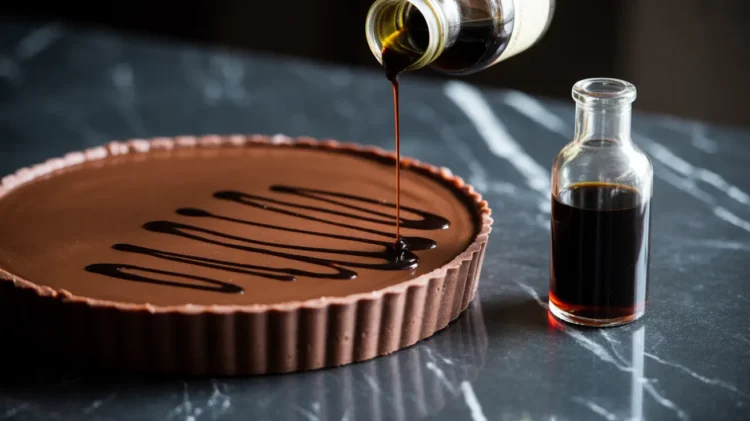
Vinegar-spritzed desserts are one of the most talked-about sweet trends of 2026, and the numbers back it up — a remarkable 62% of consumers actively look for “new and unusual” dessert flavors when dining out or shopping, and acidic, tangy sweets are leading that charge. If you’ve been curious about how a well-placed spritz of vinegar can completely change the character of a cake, tart, or cheesecake dip, you’re in exactly the right place.
Key Takeaways
| Question | Answer |
|---|---|
| What are vinegar-spritzed desserts? | Desserts finished with a light application of vinegar (balsamic, apple cider, white wine, or fruit vinegar) to add acidity, balance sweetness, and improve texture. |
| What vinegar is best for desserts? | Balsamic vinegar is the most popular for rich desserts. Apple cider vinegar works brilliantly in fruit-based and vegan sweets. White wine vinegar suits delicate flavors like lemon. |
| Does vinegar make desserts taste sour? | Not if used correctly. A spritz adds brightness and cuts through heavy sweetness without making the dessert taste acidic — it’s about balance, not sourness. |
| Which desserts work best with a vinegar spritz? | Cheesecakes, fruit tarts, chocolate cakes, lemon desserts, panna cottas, and even cupcake glazes all benefit from a well-chosen vinegar. Our lemon cream pie cheesecake dip is a great starting point. |
| Is vinegar in desserts a new idea? | Not at all. Balsamic over strawberries is a classic Italian combination. What’s new is the trend of deliberately spritzing or drizzling vinegar as a finishing technique. |
| Can vinegar improve texture in baked goods? | Yes. Apple cider vinegar is recognized as a moisture-retention and gluten-tenderizing agent, especially in vegan and plant-based baking. |
| How much vinegar should you use? | Less is almost always more. For a spritz, think 1 to 2 teaspoons per serving. For a glaze, a 2-tablespoon reduction goes a long way. |
What Are Vinegar-Spritzed Desserts, and Why Should You Care?
Put simply, vinegar-spritzed desserts are sweets that use a measured application of vinegar — whether drizzled, spritzed, swirled in, or reduced to a glaze — to add a hit of acidity that balances flavor, lifts heaviness, and introduces an entirely new sensory dimension.
The “spritz” is the key word here. We’re not talking about dousing a cheesecake in malt vinegar. We’re talking about a precise, light application that works the same way a squeeze of lemon finishes a good pasta — it just clicks everything into place.
Vinegar in desserts is not a gimmick. It’s a genuine culinary technique that professional pastry chefs and street food vendors across Italy, Japan, and Latin America have used for generations. What’s changed in 2026 is that home bakers and food creators are finally picking it up.
Think of balsamic over fresh strawberries. Think of raspberry shrubs turned into cake glazes. Think of a white wine vinegar reduction swirled into a lemon cheesecake dip. Once you see the pattern, you’ll start spotting opportunities everywhere.

Three practical benefits of vinegar-spritzed desserts, distilled into an at-a-glance infographic. Learn how a light spritz can balance flavors, boost moisture, and enhance texture.
Why Vinegar-Spritzed Desserts Are Trending in 2026
Flavor curiosity is at an all-time high in 2026, and tangy, sour, and acidic profiles are generating enormous enthusiasm. Tangy, sour, and zesty treats have generated over 2.5 million online conversations and searches in a 12-month period, confirming that this is the second biggest trend in global patisserie right now.
Balsamic vinegar’s presence on social media has grown by 10.75% year-over-year as more bakers showcase their glossy reductions and fruity spritzes on visual platforms. What was once niche has become genuinely mainstream.
There are a few reasons this is happening now specifically:
- Consumers are fatigued by one-note sweetness in commercial desserts
- Fermented and acidic foods have crossed from health trends into flavor trends
- Balsamic glazes and vinegar-based shrubs have become far more accessible at grocery stores
- The “umami dessert” conversation online is pushing bakers to experiment with savory crossovers
- Visual platforms are rewarding the glossy, dramatic drizzle that balsamic and reduced vinegars produce
It’s not just aesthetics either. A spritz of the right vinegar genuinely makes a good dessert taste better. That’s the reason this trend has real staying power.
The Best Types of Vinegar for Vinegar-Spritzed Desserts
Not every vinegar belongs on a dessert, and choosing the right one makes the difference between a sophisticated finish and a culinary disaster. Here’s how we break it down:
Balsamic Vinegar (Traditional and Glaze)
This is the gold standard for vinegar-spritzed desserts. Aged balsamic has natural sweetness from reduced grape must, which means it complements rather than clashes with sugary bases. Drizzle it over strawberries, panna cotta, vanilla ice cream, or even dark chocolate tarts.
Balsamic glaze (the pre-reduced, syrupy version) is the easiest entry point if you’re new to this technique. It gives you the glossy spritz effect without needing to reduce your own.
Apple Cider Vinegar (ACV)
Apple cider vinegar is brilliant in fruit-forward desserts and absolutely essential for vegan baking. It reacts with baking soda to create lift, and it helps retain moisture in plant-based cakes and muffins. The flavor is mild enough that it almost disappears into the final product, leaving only the texture benefit and a subtle fruit-forward tang.
White Wine Vinegar
This is our go-to for delicate, floral desserts. It works particularly well in lemon-based sweets because it reinforces the citrus without introducing competing flavors. Use it sparingly in glazes or reductions for tarts, lemon cakes, and light panna cottas.
Raspberry or Cherry Vinegar (Fruit Vinegars)
Fruit vinegars are the wild card, and they’re increasingly easy to find in 2026. A raspberry vinegar spritzed over a chocolate mousse or a cherry vinegar reduction on a dark chocolate brownie creates a sweet-tart contrast that stops people mid-bite. These are the ones that make your guests ask “what’s in this?”
Rice Wine Vinegar
Mild, clean, and slightly sweet, rice wine vinegar is the best choice for Asian-inspired desserts or any recipe where you want acidity without any sharpness. It’s particularly good in mochi-based sweets or coconut-cream desserts where other vinegars would overpower.
Best Vinegar-Spritzed Dessert Recipes to Try Right Now
The best place to start with vinegar-spritzed desserts is with recipes you already know how to make. Adding the vinegar element is about refinement, not reinvention.
Here are some of our favorite applications:
Balsamic-Spritzed Strawberry Shortcake
Macerate your strawberries in sugar as usual, then add a tablespoon of good balsamic vinegar. The result is a syrup that tastes deeper, more complex, and almost winey. Spoon it over whipped cream and a biscuit and you have something genuinely special.
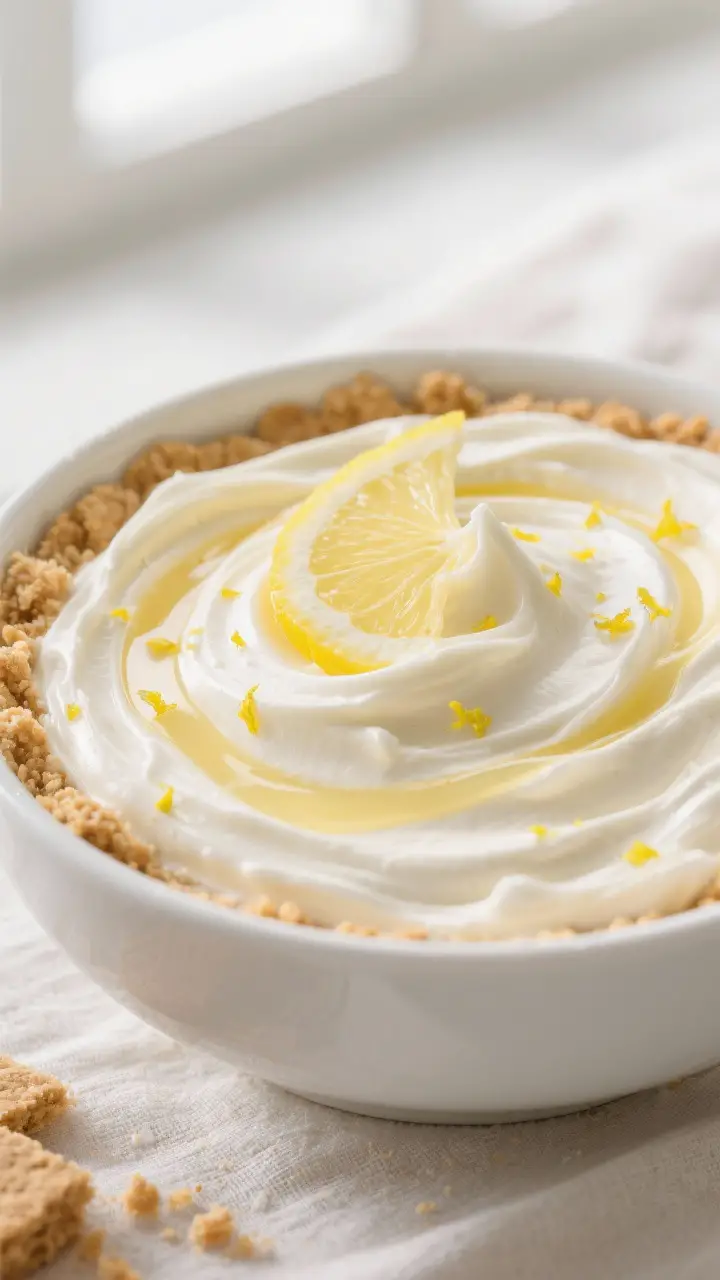
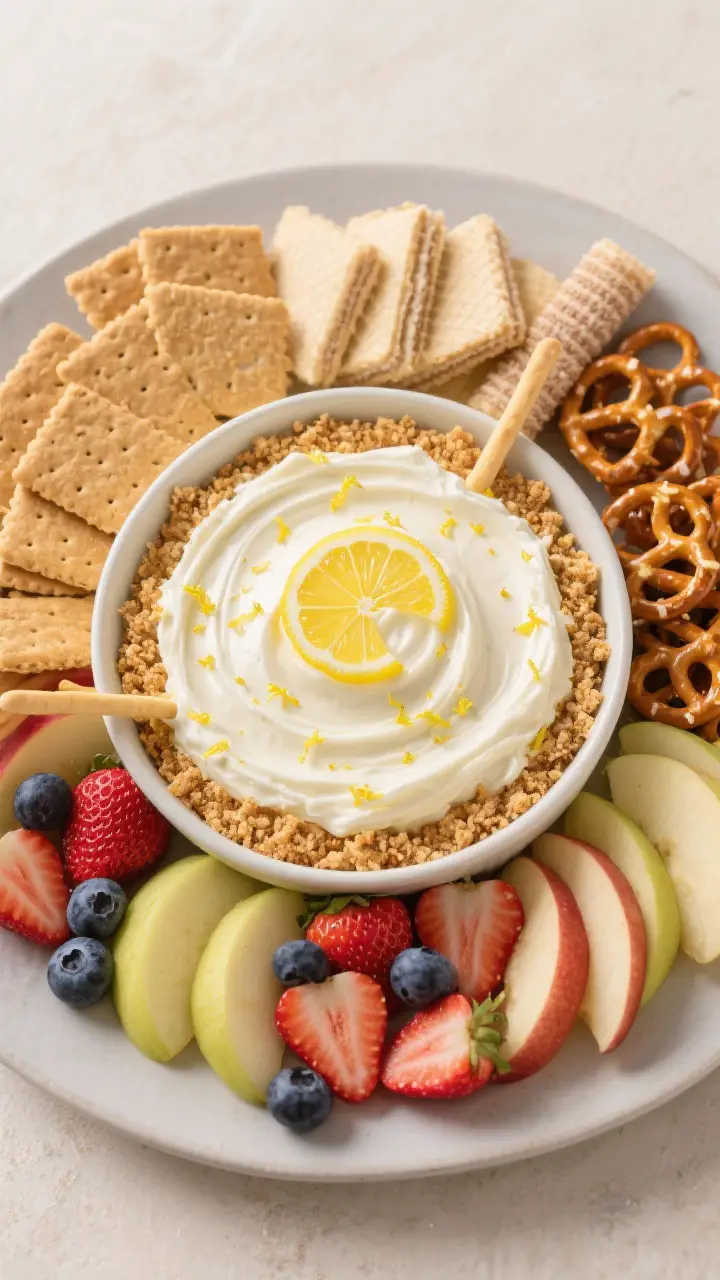
Lemon Cheesecake Dip with White Wine Vinegar Swirl
Our lemon cream pie cheesecake dip is already bright and tangy from fresh lemon juice and zest. Adding a half-teaspoon of white wine vinegar to the base before chilling deepens the tang and gives the dip a more “pie-like” acidity that makes the sweetness pop.

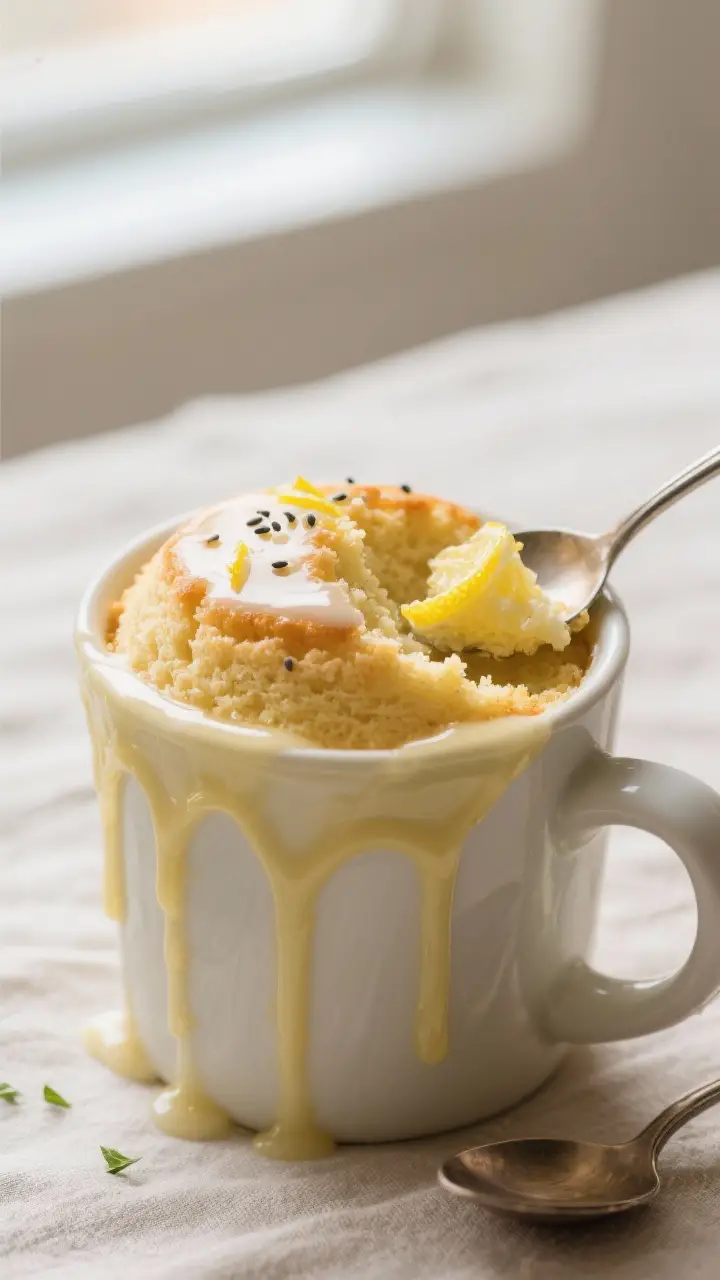
Apple Cider Vinegar Lemon Mug Cake
Adding a small amount of ACV to your lemon mug cake batter does two things: it activates the baking soda for a better rise, and it sharpens the citrus flavor. It’s one of those changes that costs you almost nothing but is immediately noticeable in the final result.
Balsamic-Glazed Pineapple Cupcakes
Take tropical cupcakes and finish them with a balsamic glaze drizzle instead of a plain sugar glaze. The vinegar cuts through the sweetness of the frosting and adds a caramel-like depth that turns a simple cupcake into something that feels genuinely grown-up. Our pina colada cupcakes are the perfect base for this technique.


Vinegar-Spritzed Desserts: Which Vinegar Works Best for Which Sweet
Matching vinegar to the right dessert is similar to matching wine with food. You want complementary profiles, not competing ones. Here’s a practical pairing guide we use in our kitchen:
| Dessert Type | Best Vinegar | Application Method | Flavor Effect |
|---|---|---|---|
| Strawberry or berry tart | Aged balsamic | Drizzle over fruit | Deepens fruit flavor, adds sweetness |
| Lemon cake or dip | White wine vinegar | Stir into batter or base | Sharpens citrus, brightens sweetness |
| Vegan or fruit-based cake | Apple cider vinegar | Mix into batter | Improves rise, moisture, and texture |
| Dark chocolate brownie or mousse | Raspberry or cherry vinegar | Reduce to glaze, drizzle | Sweet-tart contrast, fruit complexity |
| Tropical cupcakes or coconut cake | Rice wine or white balsamic | Glaze or spritz | Cuts sweetness without overpowering |
| Panna cotta or cheesecake | Balsamic glaze | Drizzle at service | Visual drama plus sharp contrast to cream |
| Ice cream | Aged balsamic | Drizzle at point of serving | Rich caramel-meets-fruit complexity |
How to Apply Vinegar to Desserts: The Spritz Technique Explained
The “spritz” in vinegar-spritzed desserts is more about intention than equipment. You don’t need a spray bottle (though that works brilliantly for aged balsamic). Here are the four main methods we use:
1. The Direct Drizzle
For thick, aged balsamic or pre-made glaze, simply pour a controlled amount from a spoon or squeeze bottle directly over the finished dessert. This works best as a finishing touch applied just before serving.
2. The Reduction Method
Pour balsamic or fruit vinegar into a small saucepan, add a teaspoon of sugar, and reduce over low heat until syrupy. This concentrates the flavor and creates a visually stunning glossy glaze. You get about a third of the original volume, so one cup of vinegar becomes roughly three tablespoons of intense glaze.
3. The Incorporated Method
For apple cider vinegar in baking, you stir a small amount (usually one teaspoon to one tablespoon) directly into the wet ingredients or batter. The acidity reacts with baking soda, creating carbon dioxide bubbles that lift the crumb. The vinegar flavor essentially disappears, leaving only the functional benefit.
4. The Maceration Method
This is the classic approach for vinegar-spritzed fresh fruit desserts. Toss sliced fruit with sugar and a small amount of vinegar, then leave it for 20 to 30 minutes. The sugar draws out fruit juices, the vinegar deepens those juices, and you end up with a naturally syrupy, complex topping that is far better than plain macerated fruit.
The Benefits of Vinegar-Spritzed Desserts Beyond Just Flavor
It’s not all about taste. Vinegar brings genuine functional benefits to dessert-making that make it worth understanding properly.
Flavor Balance
Acidity is one of the most underused tools in sweet cooking. Most home bakers rely on salt to balance sweetness, but a spritz of vinegar can do the same job in a more nuanced, flavor-forward way. It doesn’t just balance — it actually makes each individual flavor in the dessert taste more distinct and pronounced.
Moisture Retention
Apple cider vinegar is recognized as a “secret weapon” by experienced home bakers for its ability to improve moisture retention in cakes, especially vegan and gluten-free ones where the structural proteins from eggs and butter are absent. The acidity interacts with the starches in the flour to slow moisture loss during baking.
Texture Improvement
In cakes and muffins, the reaction between vinegar and baking soda creates a lighter, more open crumb. In no-bake cheesecakes and dips, a small amount of vinegar adds body and a slightly firmer set. In fruit-based desserts, it helps the macerated fruit hold its structure rather than becoming completely waterlogged.
Extended Freshness
Vinegar’s natural acidity acts as a mild preservative. Desserts that include a vinegar component — particularly fruit-based ones — tend to stay fresher for slightly longer in the refrigerator, as the pH slows bacterial growth.
Vinegar-Spritzed Desserts for Every Occasion
One of the things we love about vinegar-spritzed desserts is that they scale beautifully from a Wednesday night craving to a full dinner party spread. Here’s how we think about occasion-matching:
- Weeknight dessert: A lemon mug cake with a tiny drizzle of white wine vinegar glaze takes less than 10 minutes and feels genuinely special.
- Weekend entertaining: A balsamic-reduced strawberry topping over panna cotta or cheesecake is visually dramatic and makes almost no extra effort.
- Party crowd: A fruit vinegar-finished dessert dip (like a lemon cheesecake dip with a white wine vinegar tang) served with a platter of dippers is easy to scale and always impressive.
- Vegan or dietary-specific guests: ACV-based baking means your vinegar-spritzed cupcakes or cakes can meet plant-based requirements without losing flavor or texture.
- Outdoor events: Balsamic-macerated fruit desserts travel well and can be prepped hours ahead. The vinegar actually keeps the fruit vibrant and flavorful longer than plain maceration.
“The most common feedback we get when someone tries a vinegar-spritzed dessert for the first time is ‘I can’t put my finger on what makes this better, but it’s just better.’ That’s exactly the point.”
What Not to Do When Making Vinegar-Spritzed Desserts
There are a few mistakes that can take a vinegar-spritzed dessert from brilliant to genuinely unpleasant. Here’s what we’ve learned the hard way:
Don’t Use Cheap or Harsh Vinegar
Cheap white distilled vinegar has no place in desserts. It’s sharp, harsh, and one-dimensional. Always use quality balsamic, apple cider vinegar (the unfiltered, raw kind with the “mother”), white wine vinegar, or a good fruit vinegar. The quality of your vinegar determines the quality of your result.
Don’t Apply Vinegar Too Early in Hot Applications
If you’re reducing a vinegar glaze, let it cool slightly before applying it to a delicate dessert base. Hot acidic liquid can break down the structure of cream-based or gelatin-set desserts. Apply warm, not scalding.
Don’t Overdo It
Seriously. One teaspoon too many and you’ve gone from “intriguingly tangy” to “this tastes like salad dressing.” Start with half of what you think you need, taste, and adjust. You can always add more; you cannot take it out.
Don’t Skip the Sweetener When Reducing
If you’re making your own balsamic reduction, a teaspoon of honey or sugar in the pan softens the acidity and gives you a balanced glaze rather than a punishing one. This is especially important if you’re using a younger, less naturally sweet balsamic.
Don’t Combine with Overwhelmingly Delicate Flavors
Vanilla sponge, plain cream puffs, or very subtle floral desserts can be overpowered even by a light vinegar touch. Save your vinegar-spritzed technique for desserts with bold, fruity, chocolatey, or citrus bases that can hold their own.
Storing and Serving Your Vinegar-Spritzed Desserts Like a Pro
Vinegar-spritzed desserts generally store well, but there are a few storage principles worth knowing so your hard work doesn’t go to waste.
No-Bake and Cream-Based Desserts
Refrigerate covered for up to three days. The vinegar component actually helps these stay fresh. Always bring to near room temperature before serving — cold dampens both sweetness and the acidity contrast, which is precisely the effect you worked to create.
Baked Goods with ACV
Store at room temperature in an airtight container for two to three days, or freeze (without glaze) for up to three months. Apply any vinegar glaze fresh at serving time for the best visual and flavor impact.
Balsamic Reductions and Glazes
Make your balsamic reduction in advance and store it in a small jar in the refrigerator for up to two weeks. It will thicken further as it cools, so warm it gently before using. This is a genuinely great make-ahead element for entertaining — the glaze is done, you just drizzle at service.
Macerated Fruit Toppings
Vinegar-macerated fruit holds well in the refrigerator for 24 hours. Beyond that, the fruit starts to break down too much. For best results, prepare these the same day, a few hours ahead. The longer maceration time (up to four hours) actually deepens the flavor significantly compared to a quick 20-minute steep.
Vinegar-Spritzed Desserts vs. Traditional Sweet Desserts: Is the Upgrade Worth It?
If you’ve gotten this far, you might be wondering whether all this is actually worth the extra step. Short answer: yes, and here’s why in plain terms.
| Factor | Traditional Dessert | Vinegar-Spritzed Dessert |
|---|---|---|
| Flavor complexity | One-dimensional sweetness | Layered: sweet, tangy, complex |
| Perceived sweetness | Can feel cloying | Balanced and less overwhelming |
| Extra cost | n/a | Pennies per serving |
| Extra effort | n/a | 1 to 5 minutes depending on method |
| Guest reaction | “That’s good” | “What is that? Can I have the recipe?” |
| Texture | Standard | Often lighter, more tender crumb |
| Shelf life | Standard | Marginally extended by vinegar’s natural acidity |
The upgrade is almost always worth it, particularly for fruit-based desserts, citrus cakes, and any no-bake sweet where you want to cut through the richness of cream cheese or heavy cream. The cost is almost zero, and the upside is genuine.
Conclusion
Vinegar-spritzed desserts are one of those rare culinary ideas that sound unusual but make complete sense the moment you try them. The acidity sharpens flavors, reduces the sense of heaviness, improves texture, and gives otherwise ordinary sweets a quality that people notice but can rarely identify.
In 2026, as consumers increasingly move away from one-note sweetness toward complex, layered dessert flavors, the technique of finishing sweets with a considered vinegar spritz positions any home baker as someone who genuinely understands how flavor works. It’s not trendy for its own sake — it’s a technique that has always produced better results, and the food world is simply catching up.
Start simple. Balsamic over strawberries. A teaspoon of ACV in your next lemon cake batter. A white wine vinegar tang stirred into a no-bake cheesecake base. Try it once and we’re confident vinegar-spritzed desserts will become a permanent part of how you cook sweets.
And if you want to explore more bright, citrus-forward dessert territory right now, our lemon mug cake is ready in under five minutes and gives you a brilliant base to experiment with from day one.