
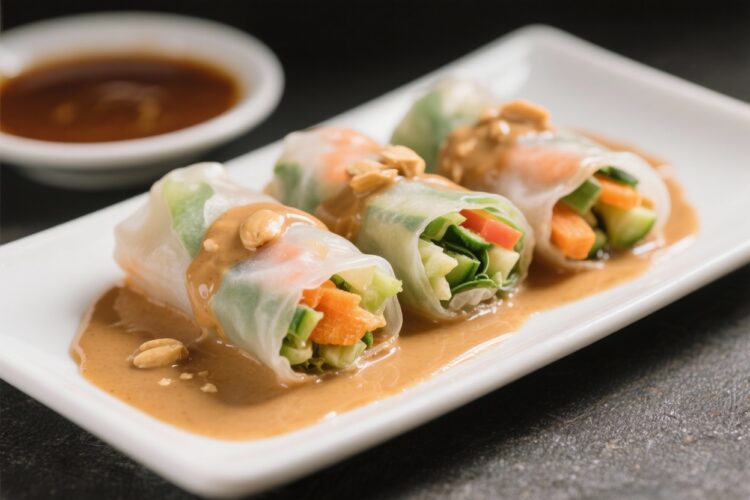
Fresh vegetable spring rolls are one of those meals that feel light but still leave you happy and full. They’re crisp, colorful, and fun to make—great for lunch, a quick dinner, or sharing with friends. The creamy peanut sauce brings everything together with a salty-sweet kick.
If you’ve never worked with rice paper before, don’t worry—once you get the hang of it, rolling is fast and easy. This version is flexible, affordable, and full of texture and flavor.
Why This Recipe Works
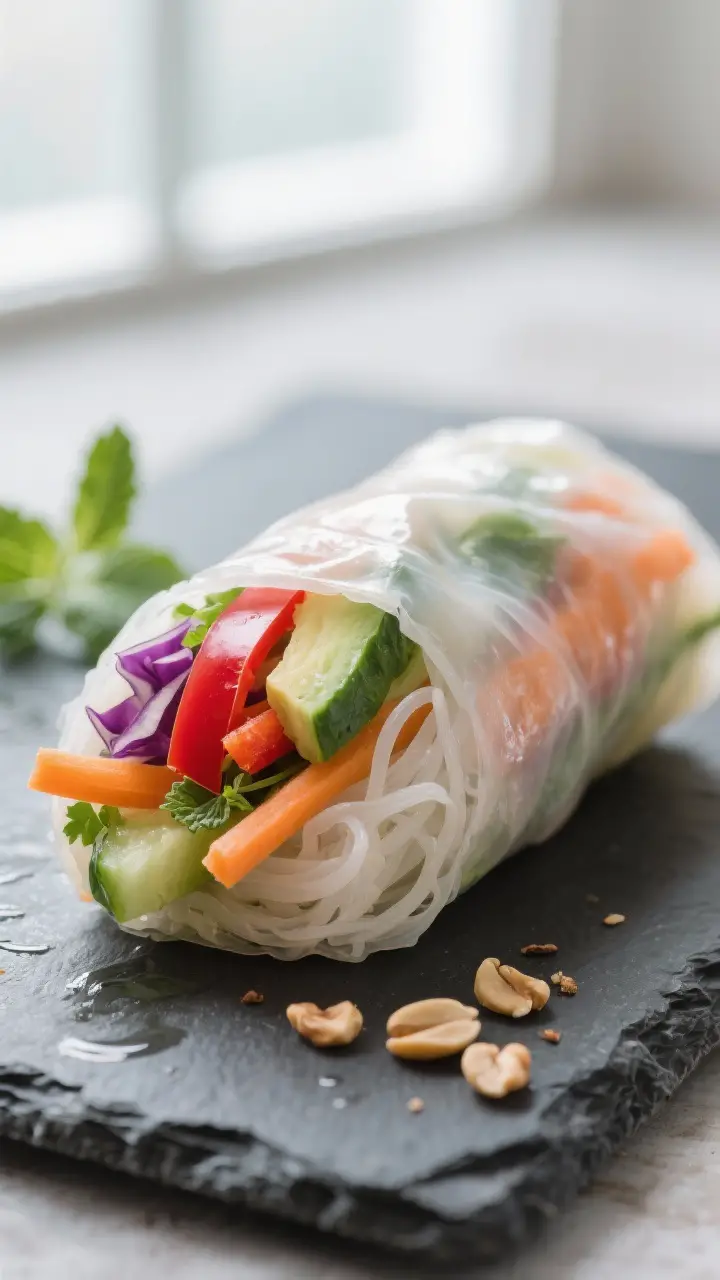
These spring rolls layer crunchy vegetables with fresh herbs for bright flavor in every bite. Thinly sliced produce keeps the rolls tight and easy to wrap. Rice noodles add soft chew, making the rolls more satisfying without feeling heavy. A balanced peanut sauce brings salty, sweet, tangy, and spicy notes.
Everything can be prepped ahead, so assembly is quick and low-stress.
Shopping List
- Rice paper wrappers (8–10-inch size)
- Rice vermicelli noodles (or thin rice noodles)
- Carrots (julienned)
- Cucumber (seeded and julienned)
- Red bell pepper (thinly sliced)
- Purple cabbage (shredded)
- Avocado (sliced; optional but creamy)
- Fresh herbs: mint, cilantro, and/or Thai basil
- Green onions (thinly sliced)
- Lettuce (butter or romaine, torn into strips)
- Roasted peanuts (chopped; optional for crunch)
For the Peanut Sauce:
- Creamy peanut butter
- Soy sauce or tamari
- Lime juice (fresh)
- Rice vinegar
- Honey or maple syrup
- Garlic (finely grated)
- Ginger (finely grated)
- Chili-garlic sauce or sriracha (to taste)
- Warm water (to thin)
- Sesame oil (optional)
Step-by-Step Instructions
- Prep the vegetables. Wash and dry all produce. Julienne carrots and cucumber, slice bell pepper and avocado, shred cabbage, tear lettuce, and chop herbs. Keep everything in small piles for easy assembly.
- Cook the rice noodles. Boil water, add noodles, and cook according to package directions (usually 3–5 minutes).
Drain and rinse under cold water to stop cooking. Toss with a few drops of sesame oil to prevent sticking.
- Make the peanut sauce. In a bowl, whisk 1/2 cup peanut butter, 2 tablespoons soy sauce, 1 tablespoon lime juice, 1 tablespoon rice vinegar, 1–2 teaspoons honey, 1 small grated garlic clove, 1 teaspoon grated ginger, and chili-garlic sauce to taste. Thin with warm water a little at a time until smooth and pourable.
Adjust salt, sweetness, and heat as you like.
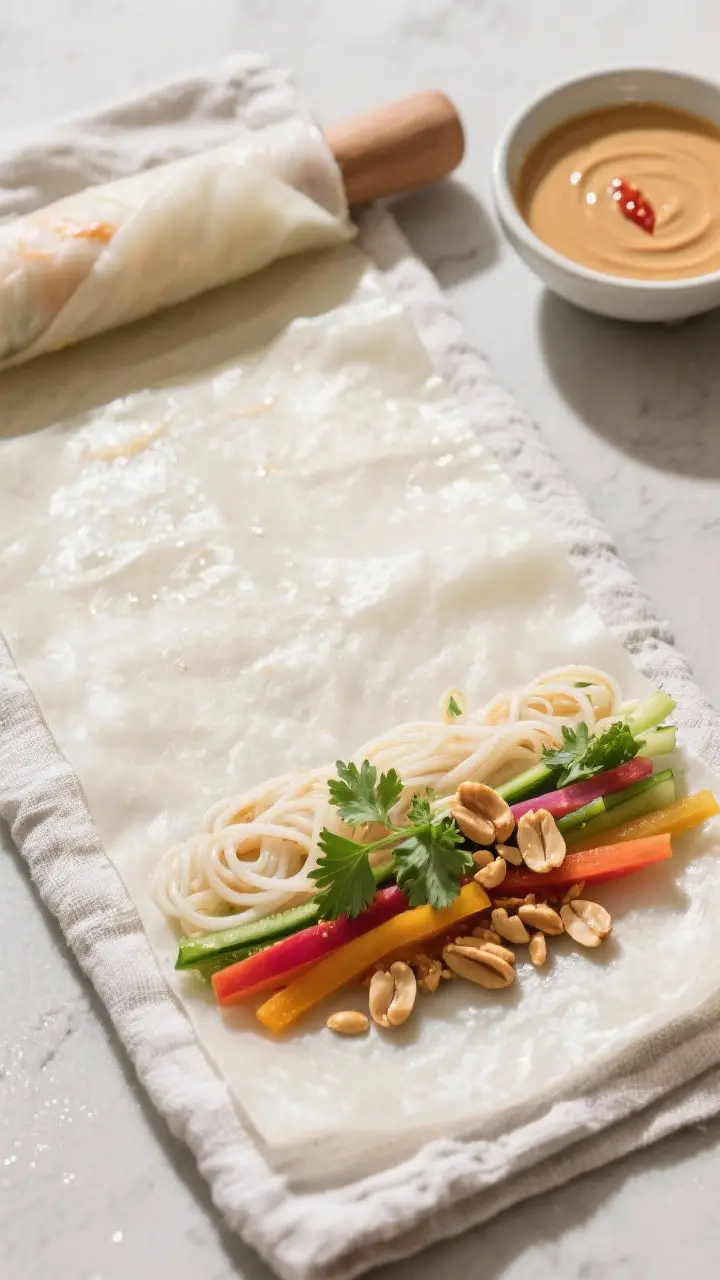
- Set up a rolling station. Fill a wide, shallow bowl or pie plate with warm water. Lay out a clean cutting board or damp kitchen towel for rolling. Keep fillings and sauce nearby.
- Soften the rice paper. Dip one wrapper into the warm water for about 10–15 seconds until it’s pliable but not floppy.
Place it flat on your board. It will continue to soften as you assemble.
- Layer the fillings. In the lower third of the wrapper, add a small handful of noodles, then a little of each vegetable. Top with herbs and a few peanut pieces if using.
Don’t overfill—aim for a tidy bundle.
- Roll it up. Fold the bottom over the filling, tuck in the sides, then roll tightly toward the top, like a burrito. If the wrapper tears, patch with a small piece of another wrapper or just keep rolling tighter on the next one.
- Repeat. Continue until you’ve used the fillings. Place finished rolls seam-side down on a plate.
If they stick, lightly oil the plate or space them apart.
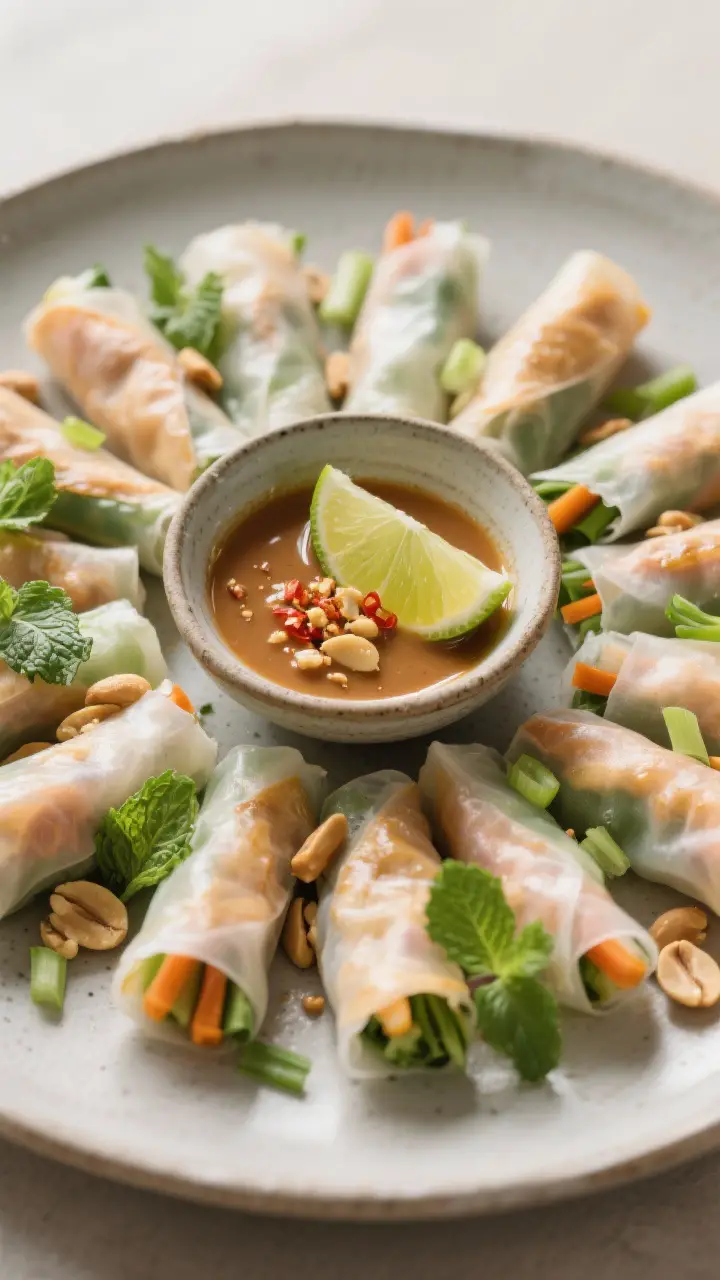
- Serve with sauce. Arrange on a platter. Sprinkle with extra herbs or crushed peanuts. Serve with plenty of peanut sauce for dipping.
How to Store
Spring rolls are best the day they’re made.
If you need to store them, wrap each roll in plastic wrap or place between layers of damp paper towel in an airtight container. Refrigerate up to 24 hours.
Keep the peanut sauce in a jar in the fridge for up to one week. It may thicken—stir in a splash of warm water or lime juice to loosen before serving.
Why This is Good for You
These rolls pack a variety of vegetables, which means fiber, vitamins, and antioxidants. Fresh herbs add bright flavor and plant compounds that support overall wellness.
Rice noodles offer gentle carbs for energy without heaviness. The peanut sauce adds protein and healthy fats, helping you feel satisfied. It’s a balanced, colorful way to eat more plants.
What Not to Do
- Don’t oversoak the rice paper. If it’s too soft in the water, it will tear easily.
Keep it slightly firm; it softens as you roll.
- Don’t overfill. Too much stuffing makes rolling messy and causes tears. Less is more.
- Don’t skip drying wet veggies. Excess moisture leads to slippery rolls that won’t hold together.
- Don’t serve without tasting the sauce. Adjust salt, sweetness, acid, and heat so it pops.
- Don’t stack finished rolls directly. They’ll stick. Use parchment or light oil, or space them out.
Recipe Variations
- Protein boost: Add baked tofu strips, tempeh, or cooked shrimp or chicken if you want extra protein.
- Fruit-forward: Add mango or pineapple for a sweet, juicy twist that pairs well with herbs.
- Crunch factor: Add thin apple slices, jicama, or extra peanuts for more texture.
- Spicy peanut sauce: Stir in extra chili-garlic sauce, a pinch of red pepper flakes, or a dab of chili crisp.
- Gluten-free: Use tamari or coconut aminos instead of soy sauce.
Most rice paper and rice noodles are naturally gluten-free.
- Low-carb option: Skip the noodles and load up on lettuce and crunchy veg.
- Miso-lime dip: Swap peanut butter for tahini, and add 1–2 teaspoons white miso for a nut-free, savory option.
FAQ
Can I make these ahead for a party?
Yes, but plan carefully. Roll them the morning of and wrap each one to prevent sticking. Refresh the peanut sauce with a splash of water or lime before serving, and keep everything chilled until guests arrive.
What if my rice paper keeps tearing?
You’re likely soaking too long or overfilling.
Dip the wrapper for a shorter time and use fewer fillings. Roll tighter with confidence, and patch small tears with an extra piece of softened wrapper if needed.
How do I keep the rolls from drying out?
Cover finished rolls with a slightly damp paper towel and plastic wrap. The moisture barrier helps keep the rice paper supple without turning soggy.
Can I use another nut butter?
Absolutely.
Almond butter works well and tastes slightly toasty. For nut-free, use sunflower seed butter or tahini; you may need to adjust sweetness and salt.
Do I have to use rice noodles?
No. They add nice texture, but you can skip them or substitute shredded lettuce, zucchini noodles, or glass noodles.
Just keep the filling light so rolling stays easy.
How spicy should the sauce be?
It’s up to you. Start mild and add heat gradually. Taste as you go—balanced heat should warm, not overwhelm, the other flavors.
What vegetables work best?
Crisp, watery vegetables with good crunch are ideal: carrots, cucumber, bell peppers, cabbage, and lettuce.
Avocado adds creaminess, and herbs lift everything. Use what’s fresh and colorful.
Can I pan-fry these rolls?
These are meant to be fresh, not fried. If you want a crispy version, use spring roll wrappers (wheat-based) and fry or bake.
Rice paper doesn’t crisp the same way.
How many rolls per person?
Plan on 2–3 rolls per person for a light meal, or 1–2 as an appetizer. If you add protein like tofu or shrimp, they’ll be more filling.
Is the sauce freezer-friendly?
Peanut sauce freezes fairly well. Store in a small container, leaving room for expansion, for up to 2 months.
Thaw in the fridge and whisk with warm water to smooth it out.
Wrapping Up
Vegetable spring rolls are fresh, colorful, and surprisingly simple once you set up your station. With a few crisp veggies, tender noodles, and a punchy peanut sauce, you get a meal that feels good and tastes great. Keep the fillings flexible and the sauce balanced, and you’ll have a repeat-worthy recipe for busy weekdays or relaxed weekends.
Make a batch, share a platter, and enjoy the crunch.