
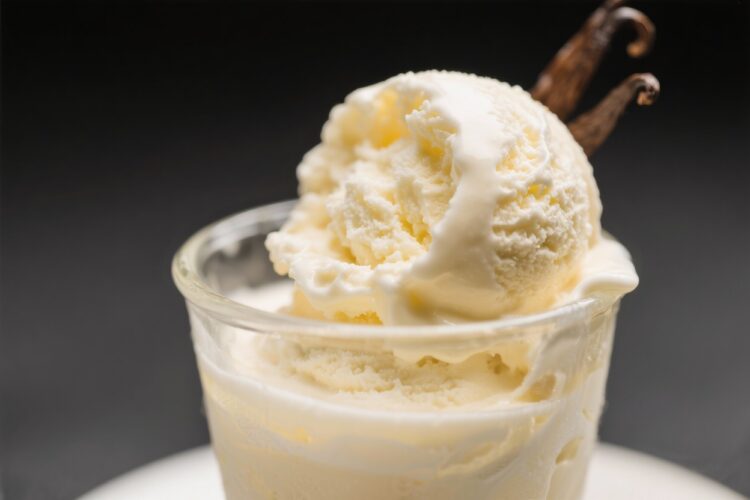
Vanilla custard ice cream is the kind of treat that makes a quiet night feel special. It’s creamy, smooth, and deeply vanilla—simple, but far from boring. This version uses an egg custard base, which gives it that luxurious scoop-shop texture you can’t get from shortcut recipes.
If you’ve never made custard before, don’t worry. With a few basic steps and the right timing, you’ll have a dessert that tastes like it came from a classic ice cream parlor.
Why This Recipe Works
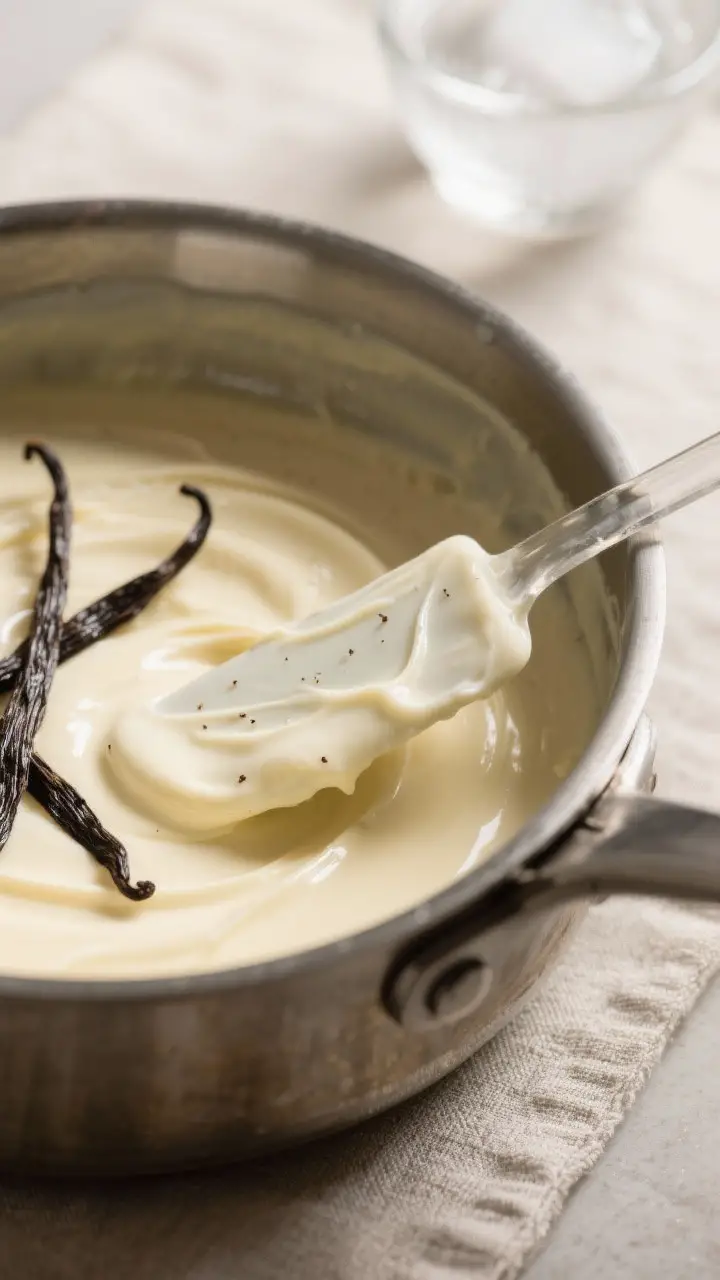
This recipe relies on a custard base made with egg yolks, sugar, and dairy. The yolks provide fat and emulsifiers, which make the texture silky and dense instead of icy.
Cooking the mixture to just the right point thickens it enough to coat a spoon, which ensures a stable base once chilled and churned. Using both cream and milk keeps the ice cream rich but not heavy. Real vanilla—especially from a bean or paste—adds complex flavor with warm, floral notes that pure extract alone can’t match.
What You’ll Need
- Heavy cream (2 cups) – for richness and a smooth mouthfeel
- Whole milk (1 cup) – balances the fat so it’s creamy, not greasy
- Egg yolks (5 large) – thicken and emulsify the custard
- Granulated sugar (3/4 cup) – sweetens and helps with texture
- Vanilla bean (1, split and scraped) or vanilla bean paste (2 teaspoons) or pure vanilla extract (1 tablespoon) – for true vanilla flavor
- Fine sea salt (a pinch) – brightens the sweetness
- Optional: 1 tablespoon light corn syrup or 1 teaspoon vodka – helps reduce iciness
How to Make It
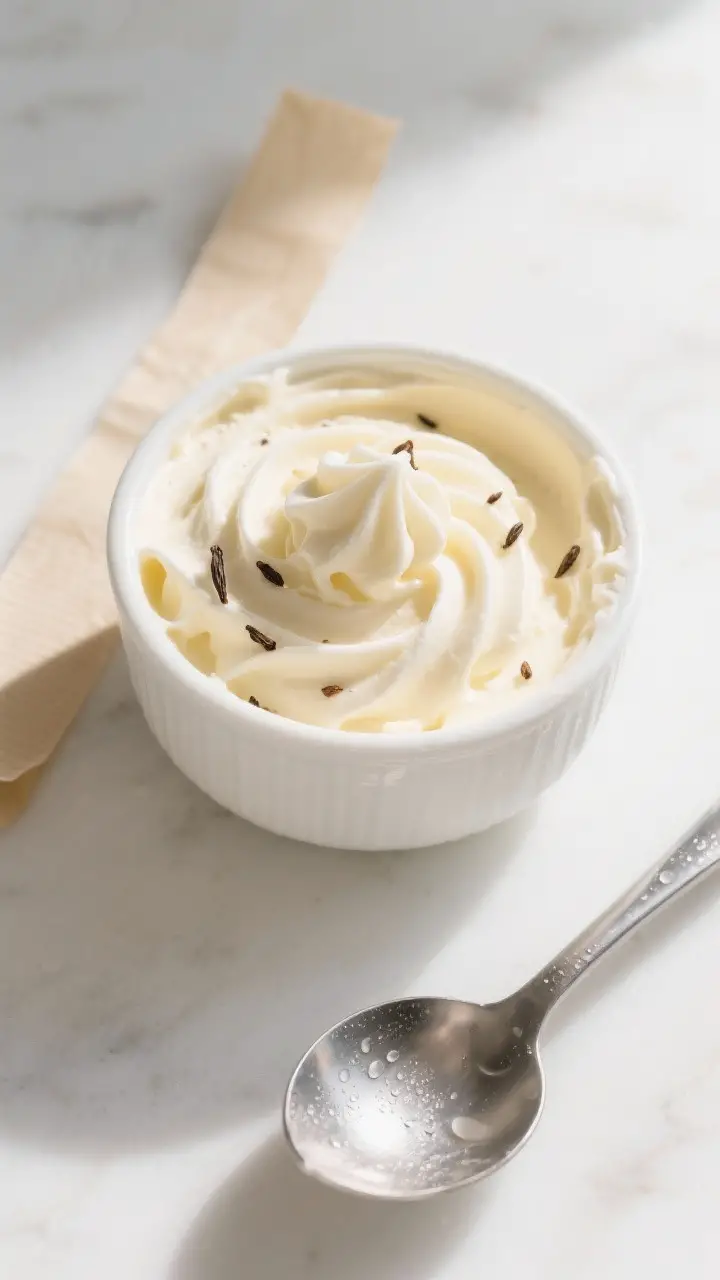
- Chill your equipment. Place your ice cream maker insert in the freezer at least 24 hours ahead, unless you have a self-refrigerating machine.
Have a fine-mesh strainer and an ice bath ready for cooling the custard quickly.
- Warm the dairy and vanilla. In a medium saucepan, combine heavy cream, milk, and vanilla (bean seeds and pod, paste, or extract). Add a pinch of salt. Warm over medium heat until steaming, just below a simmer.
If using a vanilla bean, let it steep for 10 minutes off the heat for extra flavor.
- Whisk the yolks and sugar. In a bowl, whisk egg yolks with sugar until slightly thickened and pale. This helps dissolve the sugar and prevents graininess.
- Temper the eggs. Slowly ladle a cup of the hot dairy into the yolk mixture while whisking constantly. This gently warms the eggs so they don’t scramble.
Pour the tempered yolks back into the saucepan with the rest of the warm dairy.
- Cook the custard. Stir the mixture over medium-low heat with a heatproof spatula, scraping the bottom and sides. Cook until the custard thickens enough to coat the back of the spatula and a finger swiped across leaves a clear line, about 5–8 minutes. For accuracy, aim for 170–175°F (77–80°C)—do not boil.
- Strain and chill. Remove from heat, then pour through a fine-mesh strainer into a clean bowl to remove any bits and the vanilla pod.
If using vanilla extract, stir it in now. If using vodka or corn syrup, add it now too. Nestle the bowl in an ice bath and stir until cool, then cover and refrigerate until thoroughly chilled, at least 4 hours or overnight. Cold base = better texture.
- Churn. Pour the chilled custard into your ice cream maker and churn according to the manufacturer’s instructions, typically 15–25 minutes, until it resembles soft-serve and holds soft peaks.
- Freeze to set. Transfer the ice cream to a lidded container.
Press parchment or plastic wrap directly on the surface to prevent ice crystals. Freeze 4–6 hours, or until scoopable.
- Serve. Let the ice cream sit at room temperature for 5 minutes before scooping for the best texture and flavor.
Storage Instructions
- Store in an airtight container with a layer of parchment or plastic wrap pressed on the surface to limit ice crystals.
- Keep in the coldest part of the freezer, not the door.
- Best within 2 weeks for ideal texture and flavor, though it will keep longer.
- If it’s too hard to scoop, let it rest on the counter for a few minutes. Avoid repeated long thaws and refreezes, which degrade texture.
Why This is Good for You
This dessert is a treat, but it does have a few upsides.
The custard includes egg yolks, which provide choline and fat-soluble vitamins. Milk and cream add calcium and protein. A small serving satisfies cravings thanks to its richness, so you may feel content with less.
Most importantly, making it yourself means no artificial flavors or stabilizers, and you control the sweetness.
Pitfalls to Watch Out For
- Scrambled eggs: If you heat the custard too fast or let it boil, it can curdle. Keep the heat moderate and stir constantly.
- Thin texture: Under-cooked custard won’t thicken later. Aim for 170–175°F and that classic “coat-the-spoon” stage.
- Icy results: Churning a warm base or skimping on fat can lead to ice crystals.
Chill the base fully and use the listed cream-to-milk ratio.
- Weak vanilla flavor: Use a vanilla bean or good-quality paste for the most pronounced flavor. If using extract, add it off the heat.
- Over-churning: This can turn the texture greasy or buttery. Stop when it’s soft-serve thick, then finish in the freezer.
Recipe Variations
- Vanilla Bean Speckle: Use a whole vanilla bean for those tiny black seeds and deeper aroma.
Steep the pod in the dairy, then strain.
- French Vanilla: Increase egg yolks to 6 for an ultra-rich, custardy scoop with a deeper color.
- Honey Vanilla: Replace 2–3 tablespoons of sugar with mild honey. Add the honey after cooking and straining, while the base is warm.
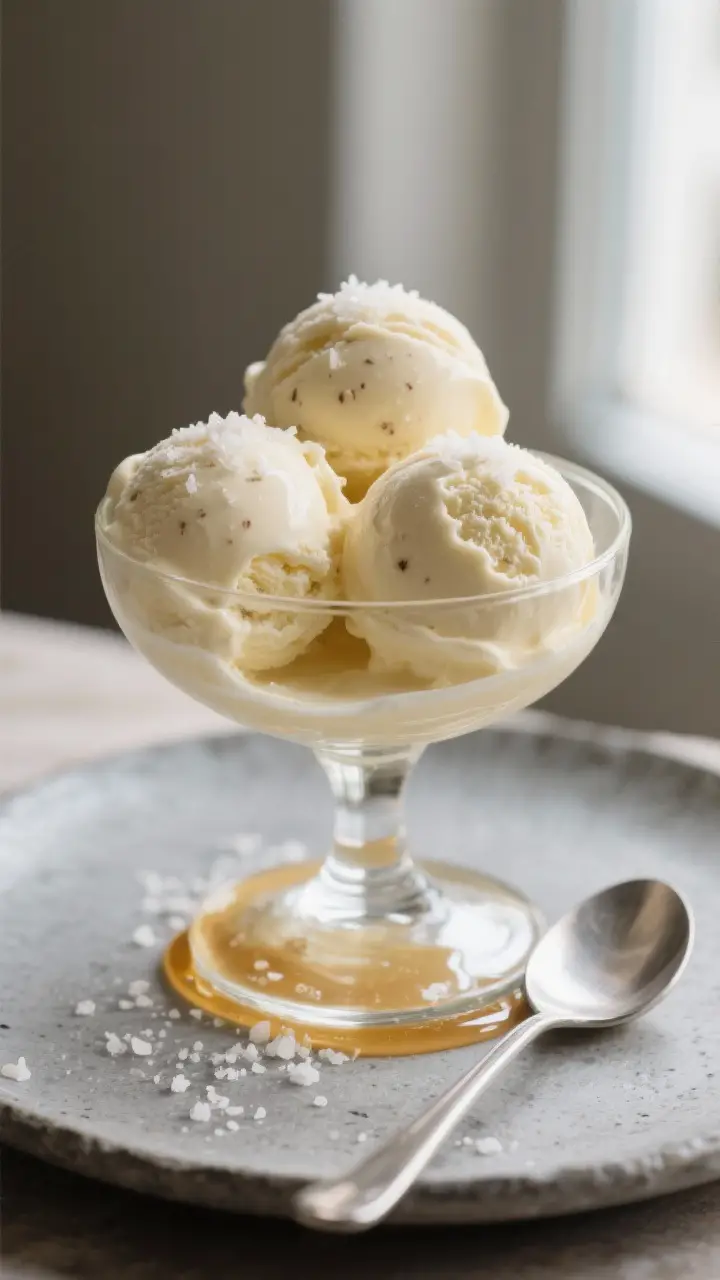
- Salted Vanilla: Add an extra pinch of flaky sea salt just before churning. It enhances the sweetness and complexity.
- Vanilla Almond Crunch: Stir in chopped toasted almonds and a drizzle of melted chocolate in the last minute of churning for a stracciatella effect.
- Bourbon Vanilla: Add 1–2 teaspoons bourbon with the vanilla.
Alcohol helps keep the ice cream scoopable and adds warm notes.
- Lactose-Friendly: Use lactose-free whole milk and cream. The process remains the same, but flavor and texture stay lush.
- No-Churn Shortcut: Whip 2 cups cold heavy cream to soft peaks, fold in 1 can sweetened condensed milk and 1 tablespoon vanilla. Freeze.
Not custard, but tasty and easy.
FAQ
Can I make this without an ice cream maker?
Yes. Chill the cooked custard thoroughly, then pour into a shallow pan and freeze. Every 30 minutes, stir vigorously with a fork or whisk to break up ice crystals for 3–4 hours.
The texture won’t be as smooth as churned ice cream, but it’s still delicious.
How do I know the custard is done without a thermometer?
Dip a spoon or spatula into the custard, then run your finger across the back. If it leaves a clean line that doesn’t immediately fill in, it’s ready. It should feel thicker than cream but still pourable.
Can I use half-and-half instead of milk and cream?
You can, but the texture will be lighter and may freeze firmer.
To compensate, add 1 tablespoon corn syrup or 1 teaspoon vodka to help reduce iciness.
What’s the best vanilla to use?
A split vanilla bean or high-quality vanilla bean paste gives the most rounded flavor and those signature specks. Pure vanilla extract works well too—just avoid imitation extract for this simple recipe.
Why is my ice cream grainy?
Graininess can come from overcooked eggs or undissolved sugar. Strain the custard after cooking, and make sure the sugar is fully whisked into the yolks before tempering.
Also, fully chill the base before churning.
How long should I chill the base before churning?
At least 4 hours, but overnight is ideal. The colder the base, the finer the ice crystals and the smoother the final texture.
Can I reduce the sugar?
Yes, but sugar affects texture and softness. If you cut more than 2 tablespoons, consider adding a teaspoon of corn syrup or a splash of alcohol to help maintain scoopability.
Is it safe to eat custard made with eggs?
Yes, as long as you cook the custard to at least 170°F and don’t let it boil.
Pasteurized eggs offer extra peace of mind if you’re concerned.
Final Thoughts
Vanilla custard ice cream proves that simple ingredients, treated well, can taste luxurious. Once you get comfortable with the custard method, you can tweak it to suit your preferences or fold in any add-ins you love. Keep your base cold, churn to soft-serve, and let the freezer finish the job.
With a little care, you’ll have a classic scoop that never goes out of style.
Printable Recipe Card
Want just the essential recipe details without scrolling through the article? Get our printable recipe card with just the ingredients and instructions.