
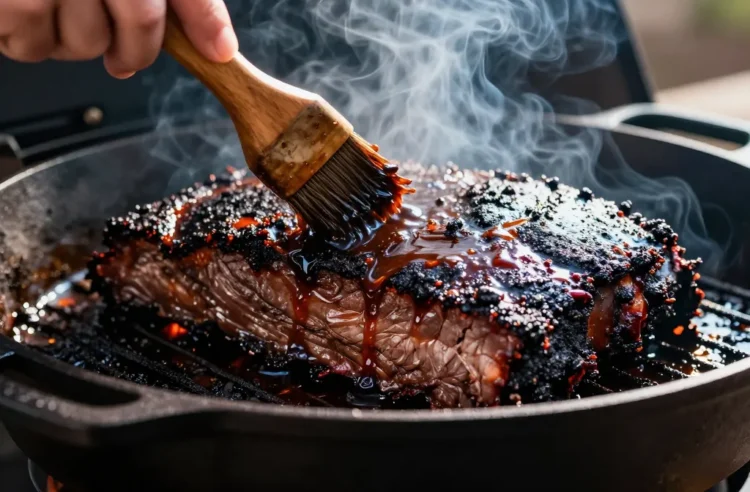
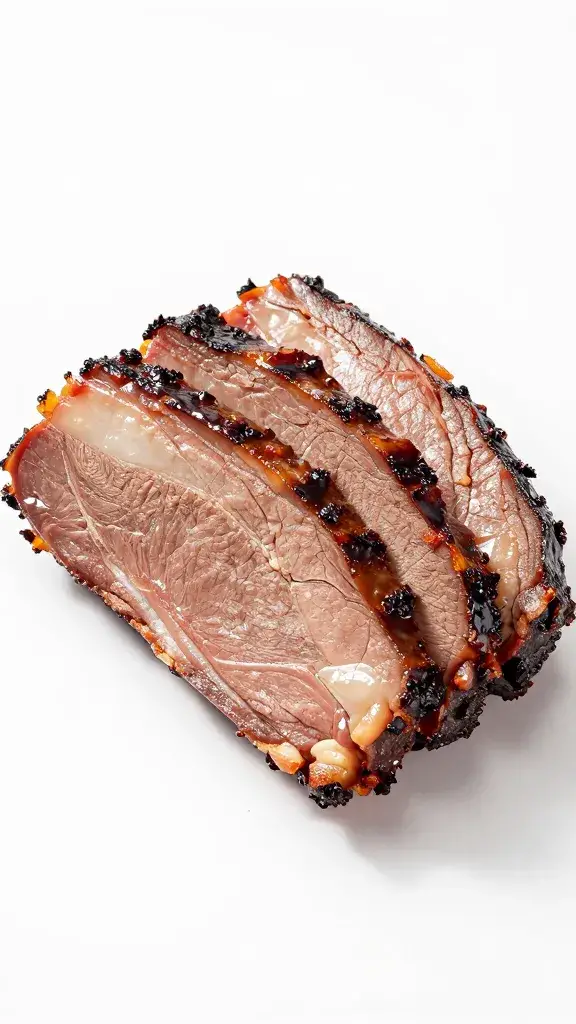
You want bark so dark your neighbors think you installed a smokehouse? You want heat that whispers then winks, and a coffee kick that means business? Grab your mop. We’re diving into a Texas espresso-chipotle glaze that punches through the crust and drives flavor deep. It’s sweet, spicy, smoky, and it flat-out slaps on brisket, beef ribs, and pork shoulder.
What Exactly Is a Mop, and Why Should You Care?

A mop is a thin sauce you brush or dab on low-and-slow barbecue during the cook. It keeps meat moist, adds layers of flavor, and builds a bark that makes you proud of your life choices. Think of it like steady flavor deposits every 30-60 minutes.
Key point: A mop isn’t a sticky glaze. It’s not a sauce you slather at the end. It’s a flavor bath you apply throughout to enhance smoke, spice, and crust.
Why Espresso + Chipotle Works Like a Charm
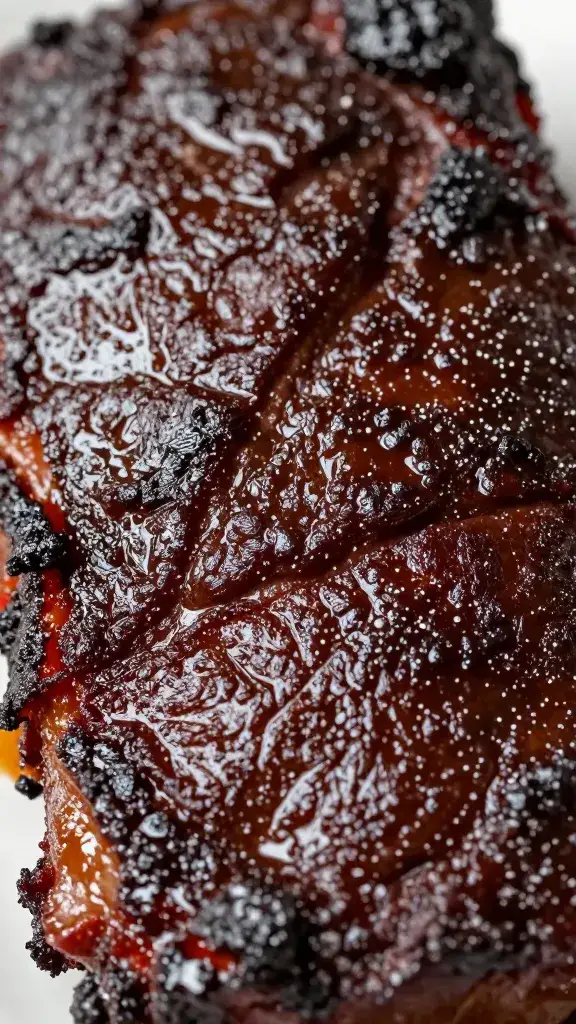
Espresso brings roasted bitterness and subtle cocoa vibes. Chipotle brings smoke, heat, and a hint of sweetness. Together, they amplify beef’s natural umami and make pork taste richer than it has any right to.
Flavor math, simplified:
- Espresso = roasted, bitter backbone
- Chipotle = smoky heat with a kiss of sweet
- Apple cider vinegar = twang and tenderness
- Beef stock = savory depth
- Molasses or brown sugar = caramel edge for bark
The Texas Espresso-Chipotle Mop: The Game Plan
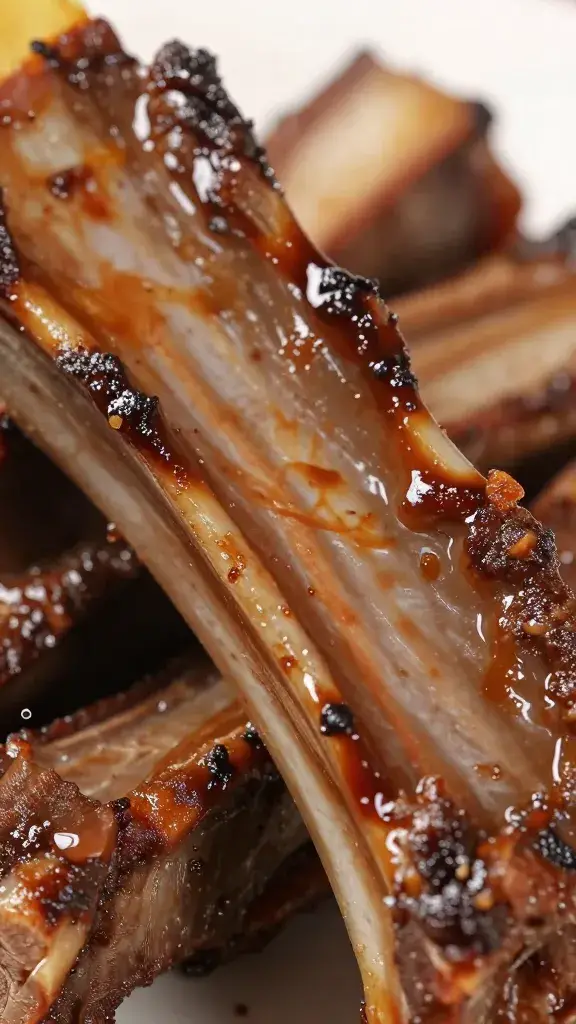
Yield: Enough for a 10-15 lb brisket or two racks of beef ribs.
Ingredients:
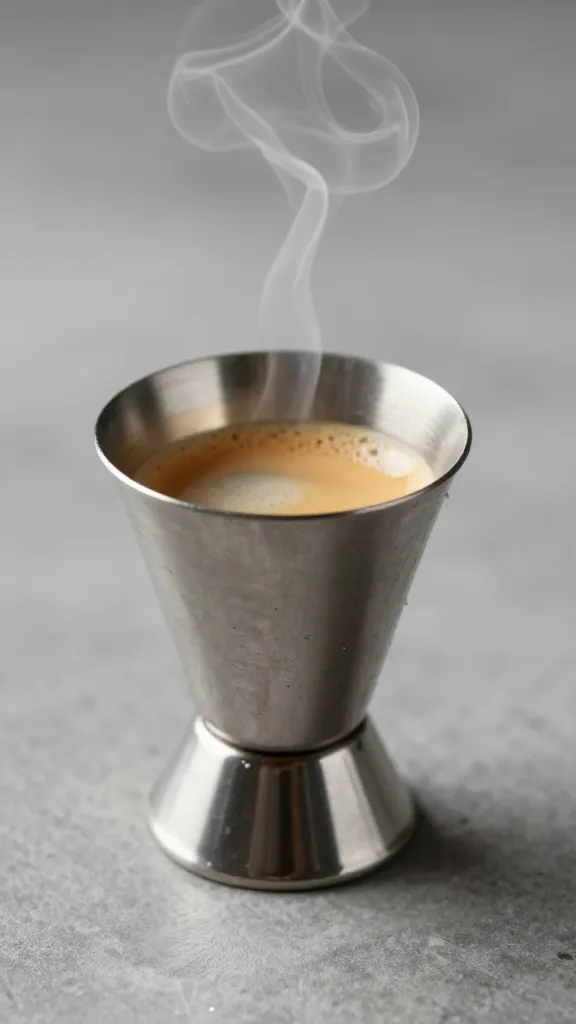
- 1 cup strong brewed espresso (or super-strong coffee)
- 1 cup beef stock (low sodium)
- 1/2 cup apple cider vinegar
- 2 tbsp molasses (or dark brown sugar)
- 1-2 tbsp adobo sauce from canned chipotles
- 1 tsp ground chipotle powder (adjust for heat)
- 1 tsp Worcestershire
- 1 tsp kosher salt
- 1 tsp black pepper (coarse)
- Optional: 1 tsp cocoa powder (unsweetened) for extra depth
Directions:
- Warm everything in a small pot over low heat. Stir until dissolved.
- Taste and adjust salt, heat, and sweetness. You control the vibe.
- Keep it warm when you use it. Warm mop = better absorption.
Pro Tip: Balance Is Everything
If your espresso tastes harsh, bump the molasses by a teaspoon. If it skews sweet, add a splash more vinegar. If you like a slow burn, lean on chipotle powder. IMO, a 1.5x vinegar bump helps pork shoulder sing.
Deep Bark Penetration: How to Actually Get It
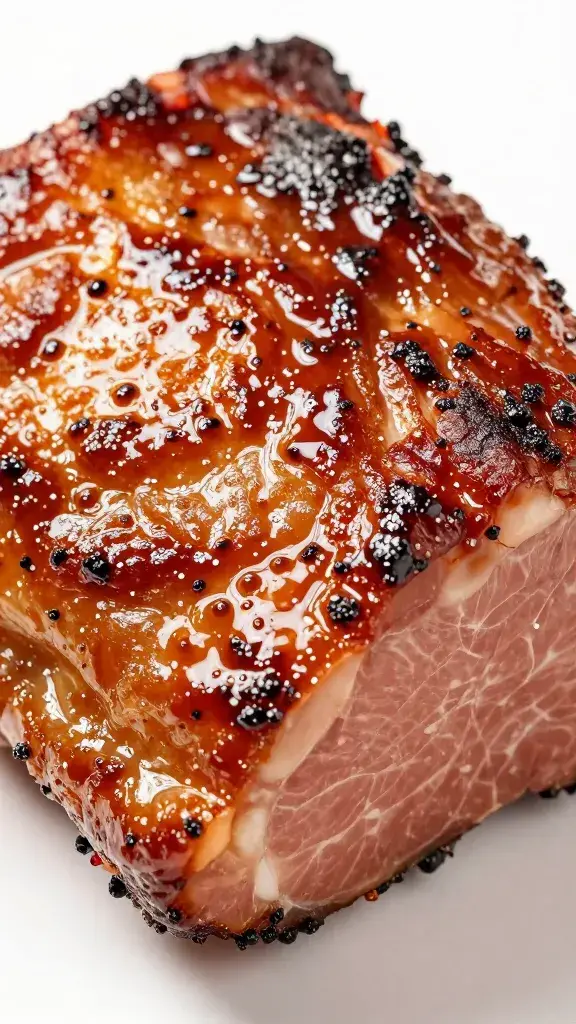
Let’s talk technique, because ingredients only carry you so far.
Start with a proper rub. Salt, pepper, a touch of garlic powder, maybe some paprika. You want a dry surface that invites smoke. Don’t cake it on like frosting.
Smoke low and steady. Aim for 250-275°F. Too hot and you burn sugars; too low and you stall forever.
Mop smart, not constantly.
- First mop at 2 hours in, once the rub sets and the bark starts to form.
- Then mop every 45-60 minutes. Light, quick passes. Don’t drown the bark.
- Use a brush or a spray bottle with the mop thinned 1:1 with stock if needed.
Rest like you mean it. After you hit doneness (probe tender, usually 200-205°F internal for brisket), rest wrapped in butcher paper or foil for 1-2 hours. The mop’s flavor marries into the meat during this time. Yes, it matters.
Why Mop Helps Penetration
Moisture on the surface attracts smoke particles and soluble flavor compounds. The warm liquid helps dissolve fats and surface sugars just enough to escort flavors beneath the bark. Is it magic? No. But chemistry says “you’re welcome.”
Meat Matchups: Best Cuts for This Mop
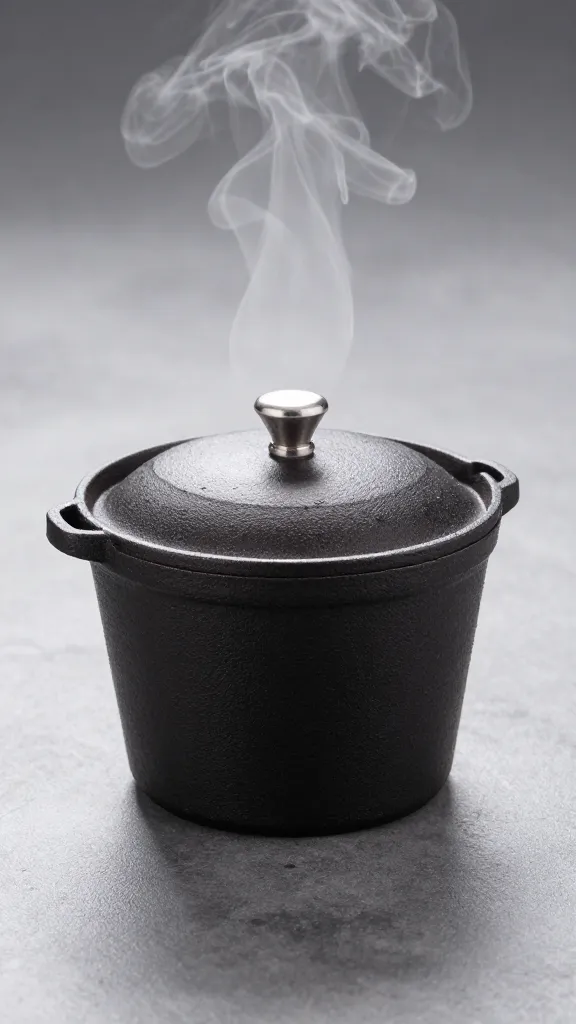
Beef Brisket: The espresso’s bitterness locks arms with rendered fat. Chipotle turns up the swagger. Perfect marriage.
Beef Plate Ribs: Dinosaur bones plus coffee heat = Instagram hero status. FYI, these ribs drink mop like it’s happy hour.
Pork Shoulder: Go slightly sweeter and tangier. Sub 1 tbsp molasses with 1 tbsp honey and add a splash of orange juice.
Tri-Tip (hot-and-fast option): Sear, then finish indirect with a quick mop at the 10-minute mark. Don’t overdo it—tri-tip hates sogginess.
What About Chicken?
It works, but go lighter on espresso and heavier on vinegar and brown sugar. Also, mop toward the end so you don’t wash off delicate skin. Crisp matters.
Common Pitfalls (And How to Dodge Them)
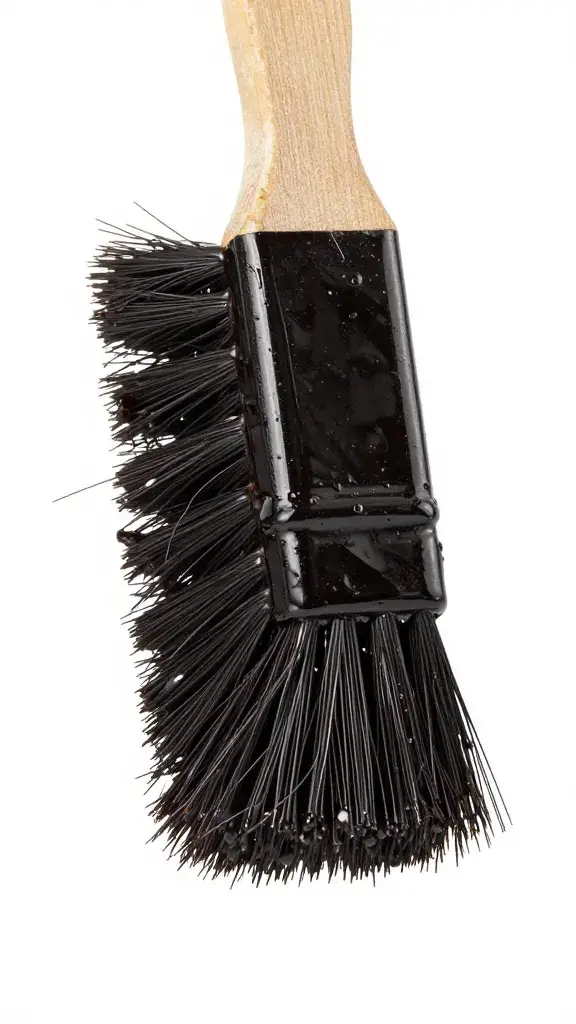
- Too bitter? Your coffee’s over-extracted. Brew fresh, shorten the pull, or use strong drip instead of espresso.
- Flabby bark? You mopped too often or too heavy. Patience. Let the surface dry between mops.
- Over-smoked vibes? Dial back wood intensity and let the espresso and chipotle lead. Oak or post oak does great; mesquite can bully.
- Salt shock? Use low-sodium stock and watch your rub’s salt levels. You can always sprinkle later.
Advanced Tweaks for Flavor Nerds
Fat booster: Whisk in 1-2 tbsp beef tallow. It clings to meat and adds luxury. Don’t go greasy.
Whiskey wink: Add 2 tbsp bourbon for caramel and vanilla notes. Cook it for a minute to mellow the booze.
Umami bomb: A 1/2 tsp of miso or fish sauce takes it into “why is this so good?” territory. Keep it subtle.
Sweet heat variant: Swap molasses for piloncillo or dark muscovado and add a pinch of cinnamon. Sounds weird, tastes right.
Timing Your Mop With the Stall
When the stall hits (160-170°F internal), your meat sweats and cools. Keep mopping lightly every hour to ride it out. If you wrap, give one last mop, then wrap tight in butcher paper. You’ll lock in moisture and preserve bark texture.
Serving and Finishing Moves
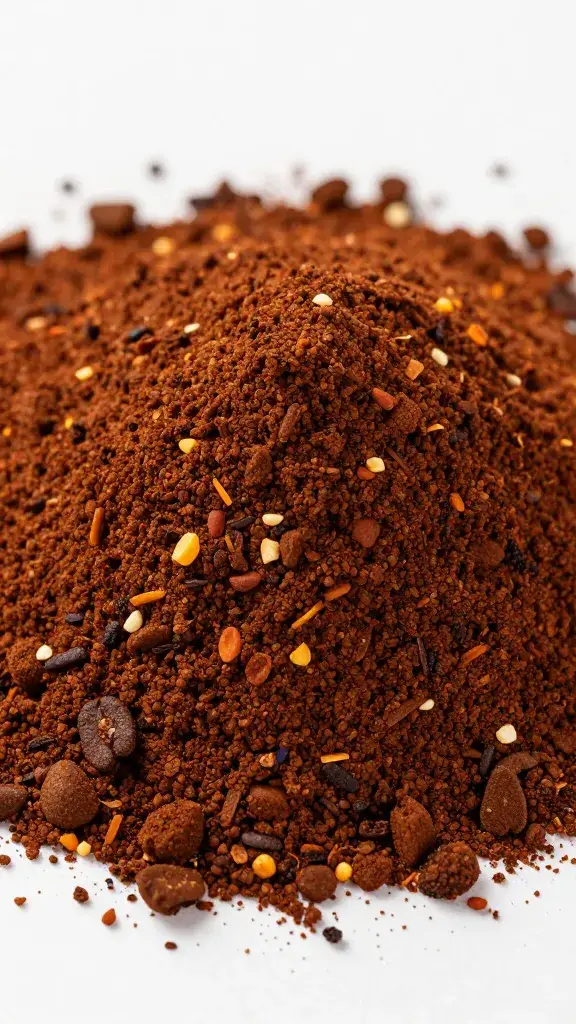
Reduce for a finishing glaze: Boil a cup of leftover mop until syrupy. Brush lightly before slicing. That sheen? Chef’s kiss.
Sauce on the side: Whisk the reduced mop with a bit more stock and a dab of butter. You’ve got a thin, punchy jus that doesn’t bury the bark.
Slicing matters: Always slice against the grain and keep the knife strokes smooth. You worked for that bark—don’t tear it off with a dull blade.
FAQ
Can I use instant espresso powder?
Yes. Mix it strong so you don’t taste “watery coffee.” About 2-3 tsp powder per cup of hot water works. Taste it—if it’s not bold, it won’t show up after a 10-hour cook.
How often should I mop a brisket?
Every 45-60 minutes after the initial 2-hour set. Short, gentle passes only. If your pit loses heat fast, stretch it to every 75 minutes to keep temps steady.
Does the mop replace my rub?
Nope. The rub builds the foundation of your bark. The mop amplifies it, adds moisture, and layers flavor. You want both, like fries and salt.
What wood pairs best with this flavor profile?
Post oak for classic Texas vibes. Pecan adds subtle sweetness. Hickory works if you go easy. Mesquite brings big personality—use sparingly unless you love smoke-forward profiles, IMO.
Can I make it less spicy?
Absolutely. Skip the chipotle powder and stick to 1 tsp adobo sauce. You’ll get smoke without a lingering burn. Sweeten a touch more to balance the espresso.
Is this mop good for pellet grills?
Yes. Pellet grills often run cleaner smoke, so the espresso-chipotle combo adds richness that pellets sometimes lack. Mop timing stays the same.
Conclusion
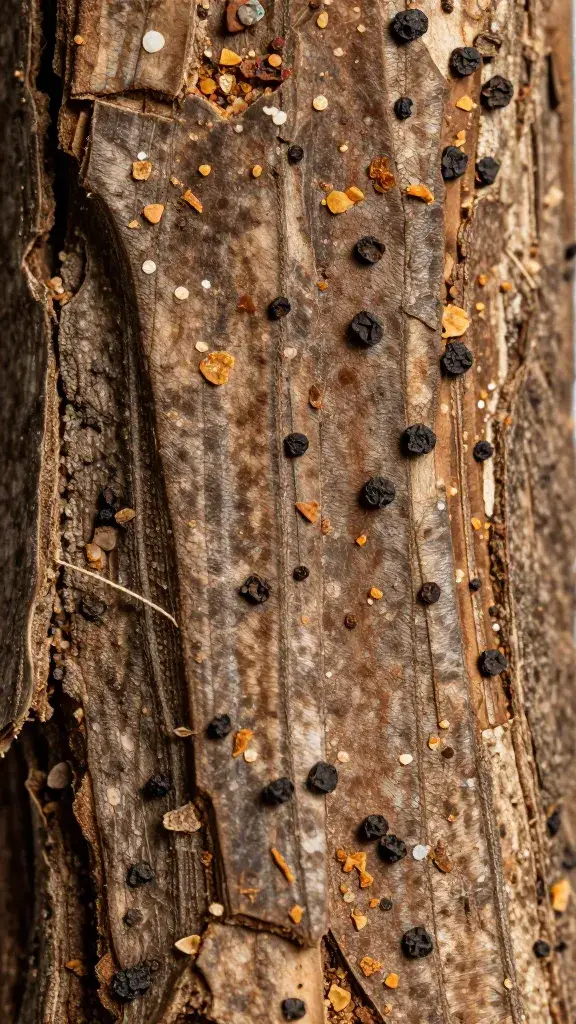
You don’t need a culinary degree for ridiculous bark and bold flavor. You just need a good mop, steady heat, and a little patience. Brew that espresso, crack open the chipotles, and let the smoke do the rest. Then slice, serve, and accept compliments like you totally expected this outcome—because, FYI, you did.
Printable Recipe Card
Want just the essential recipe details without scrolling through the article? Get our printable recipe card with just the ingredients and instructions.