Key Takeaways
- Calculate approximately 1-1.5 pounds of turkey per person for a traditional Thanksgiving dinner
- Incorporate unexpected sides like cheesy kale stuffing to break tradition delightfully
- Plan for creative appetizers that can be prepared ahead of time
- Consider alternative mains like pulled pork for an unconventional Thanksgiving
- Prepare approximately 4-6 ounces of sides per person per dish
- Don’t forget to account for leftover desires in your quantity calculations
- Start cooking up to three days before to minimize day-of stress
- Accommodate dietary restrictions by making adaptable base recipes
- Use a strategic shopping approach divided by store type and timing
- Plan beverage quantities carefully – adults typically consume 3 drinks during a 3-hour meal
Introduction: Embracing the Thanksgiving Rebellion
Thanksgiving dinner planning doesn’t have to follow the same tired playbook. At WhaleyCooks, we believe in turning tradition on its head while still honoring the essence of this gratitude-focused holiday. This guide isn’t your grandmother’s Thanksgiving planner—it’s a roadmap for the culinary adventurer who wants to create a memorable feast that might raise a few eyebrows but will definitely satisfy every palate.
Whether you’re hosting an intimate gathering or feeding a small army, our unconventional approach to Thanksgiving meal planning will help you figure out quantities, timing, and unexpected flavor combinations that will have your guests talking for years to come. Let’s break some rules together, shall we?
The secret to a truly unforgettable Thanksgiving isn’t perfection—it’s personality. By adding your own creative twists while respecting the holiday spirit, you’ll create a celebration that feels both fresh and familiar. Our guide will help you balance tradition with new ideas, creating a meal that shows your unique style while still giving guests the comfort food they want. After all, the best celebrations come from being real rather than following old rules.
1. The Turkey Conundrum: Sizing Up Your Bird
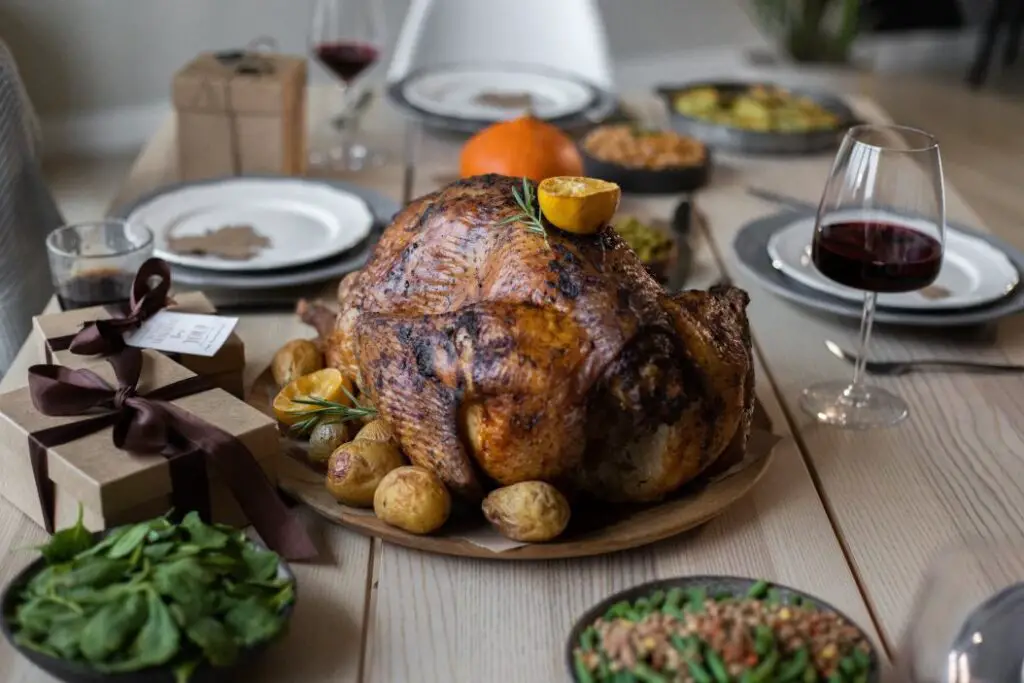
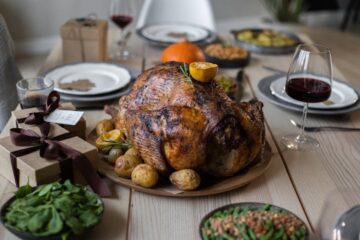
The centerpiece of most Thanksgiving tables remains the turkey, but figuring out exactly how much you need can feel like advanced calculus. Let’s simplify this equation with some practical wisdom that comes from years of real experience rather than guesswork.
The Anti-Formula Formula
Forget the standard advice. While most guides suggest 1 pound per person, we’ve found through lots of testing that the perfect amount actually changes based on your crowd’s eating habits. Are you hosting big eaters or light nibblers? This matters more than you might think, as the difference can mean wasted food or disappointed guests hoping for seconds.
Our comprehensive turkey portion guide suggests these practical calculations:
- Light eaters: 3/4 pound per adult (bone-in) – perfect for gatherings where turkey isn’t the main focus
- Average eaters: 1 pound per adult – the standard calculation that works for most mixed groups
- Hearty eaters: 1.5 pounds per adult – ideal for groups with lots of enthusiastic turkey lovers
- Leftover lovers: Add an extra 1/2 pound per person – because Thanksgiving isn’t complete without next-day sandwiches
For children under 12, calculate half the adult portion. But here’s the twist: if you want those coveted day-after-Thanksgiving sandwiches, plan for 30% extra. Trust me, your future self will thank you when you’re making that midnight sandwich with moist turkey, cranberry sauce, and a smear of leftover stuffing.
When to Break the Turkey Tradition
Not everyone needs to serve turkey! If you’re hosting a smaller gathering (under 8 people), consider a turkey breast instead of a whole bird. It cooks faster, takes up less oven space, and gets rid of the awkward carving ceremony. A 5-6 pound bone-in turkey breast will feed 6-8 people with some leftovers, and needs only about 2 hours of cooking time compared to 4+ hours for a whole bird.
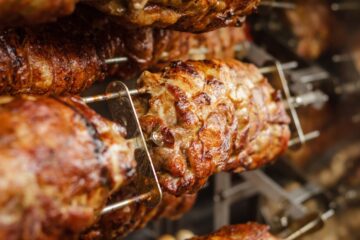
For the truly adventurous, consider pulled pork as your main. It’s unexpected, can be made in advance, and offers a delicious change from tradition while still feeling special. Calculate about 1/3 pound of cooked pulled pork per person for a main dish. The best thing about pulled pork is you can make it days ahead and reheat it, saving valuable time and oven space on Thanksgiving Day. Plus, it’s almost impossible to overcook, removing the stress of perfect timing that comes with turkey.
2. Stuffing Revolution: Not Your Ordinary Bread Mix
Stuffing doesn’t have to be that sad, soggy bread mixture your aunt brings every year. It’s time to make this essential side dish better with unexpected ingredients and bold flavors that transform it from boring to amazing.
The Kale Conspiracy
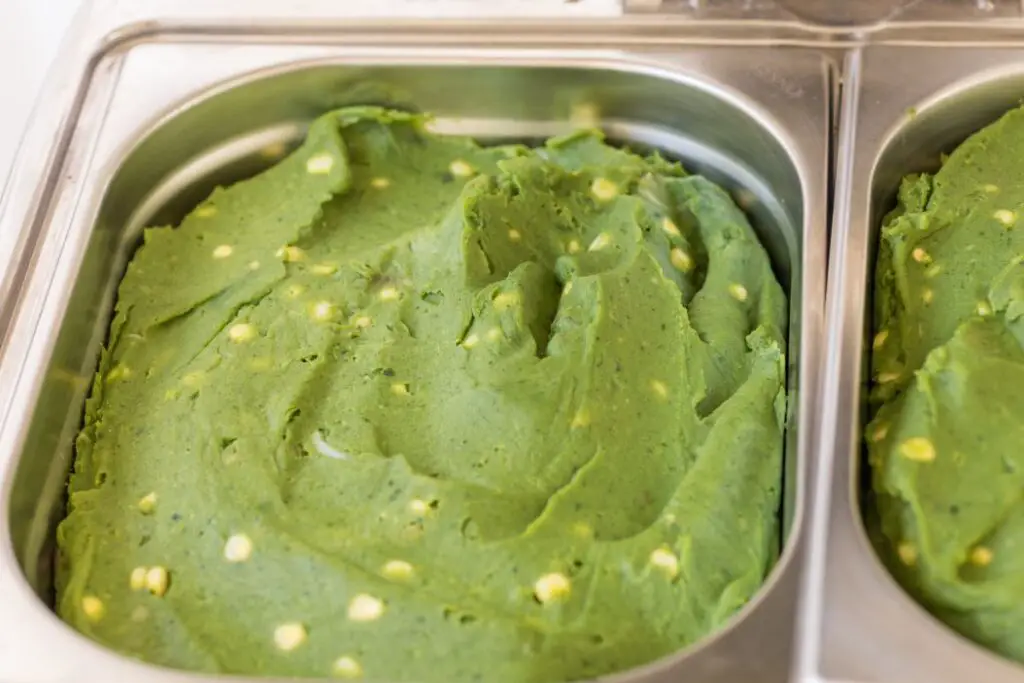
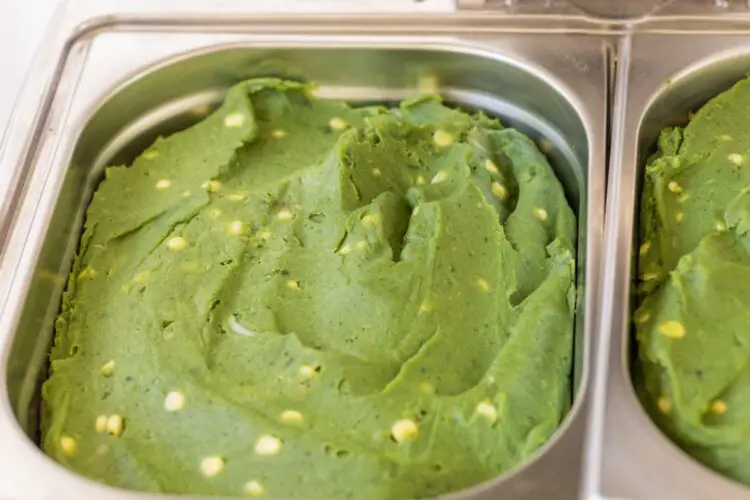
Our Cheesy Winter Green Stuffing with Kale turns the traditional stuffing idea upside down. This bright, nutritious version mixes hearty kale with rich cheese and flavorful herbs for a stuffing that doesn’t just sit on the plate looking boring. The slight bitterness of kale perfectly balances the richness of cheese, creating a complex flavor that goes great with turkey. The crispy top and moist inside give you different textures that regular stuffing often lacks.
Quantity Quirks for Stuffing
For stuffing, calculate differently than you would for other sides:
- Inside-the-bird stuffing: 3/4 cup per person (though we generally recommend cooking stuffing separately for food safety reasons)
- Outside-the-bird stuffing (dressing): 1 cup per person (this accounts for the lack of turkey juices and resulting drier texture)
- Our kale stuffing: 1 1/4 cups per person (it’s so good, people always want more, and the added vegetables create more volume)
Remember that stuffing gets bigger as it cooks, so what looks like too little raw ingredients will fluff up nicely. For a group of 10, prepare about 10-12 cups of stuffing—and make extra of our kale version because it makes great leftovers when fried into patties for breakfast. The moisture in kale helps keep the stuffing from drying out when stored, making it even tastier the next day.
Check out our full collection of side dishes for more unusual Thanksgiving sides that will make your dinner anything but ordinary. From globally-inspired flavors to unexpected ingredient combinations, these sides will make your feast extra special.
3. The Appetizer Strategy: Keeping Hunger at Bay
The secret to a successful Thanksgiving isn’t just about the main meal—it’s about managing the appetizer situation so guests don’t get too hungry while waiting for the turkey, but also don’t fill up before the main event. Smart appetizer planning is often forgotten but can be the difference between a smooth, fun gathering and a kitchen full of impatient, hungry guests.
Meat-Forward Starters
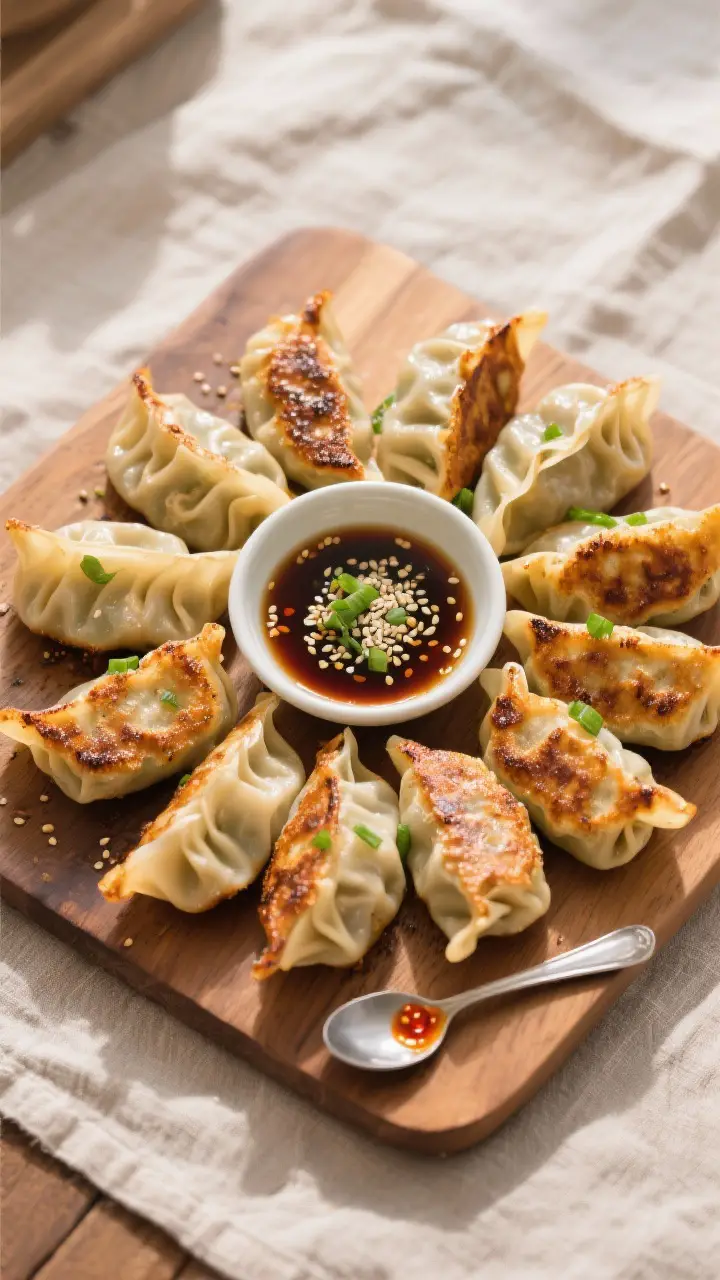
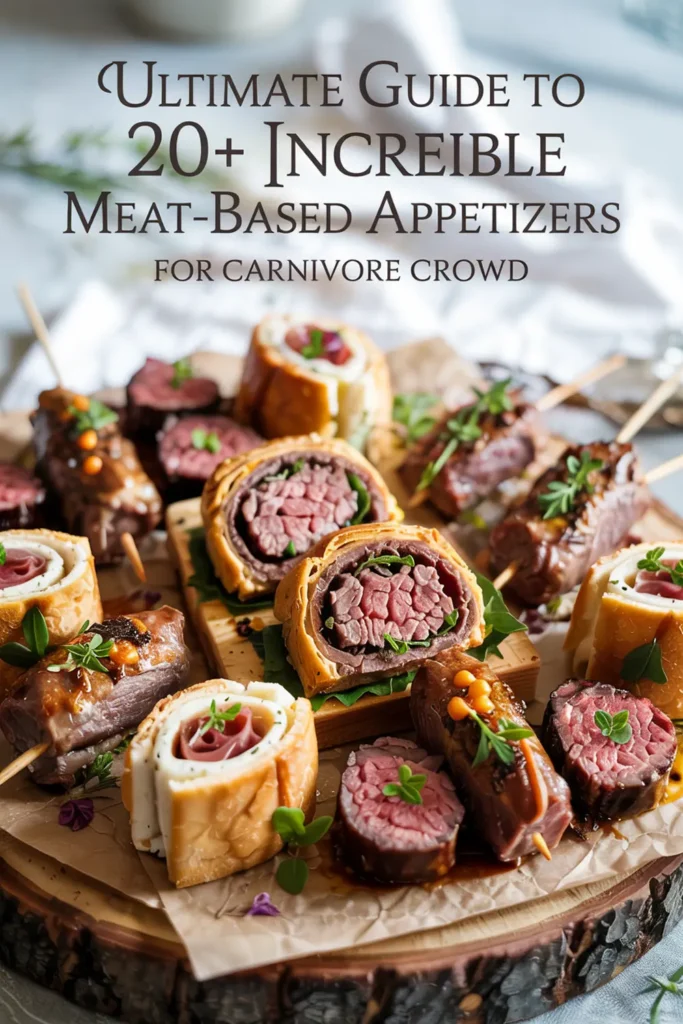
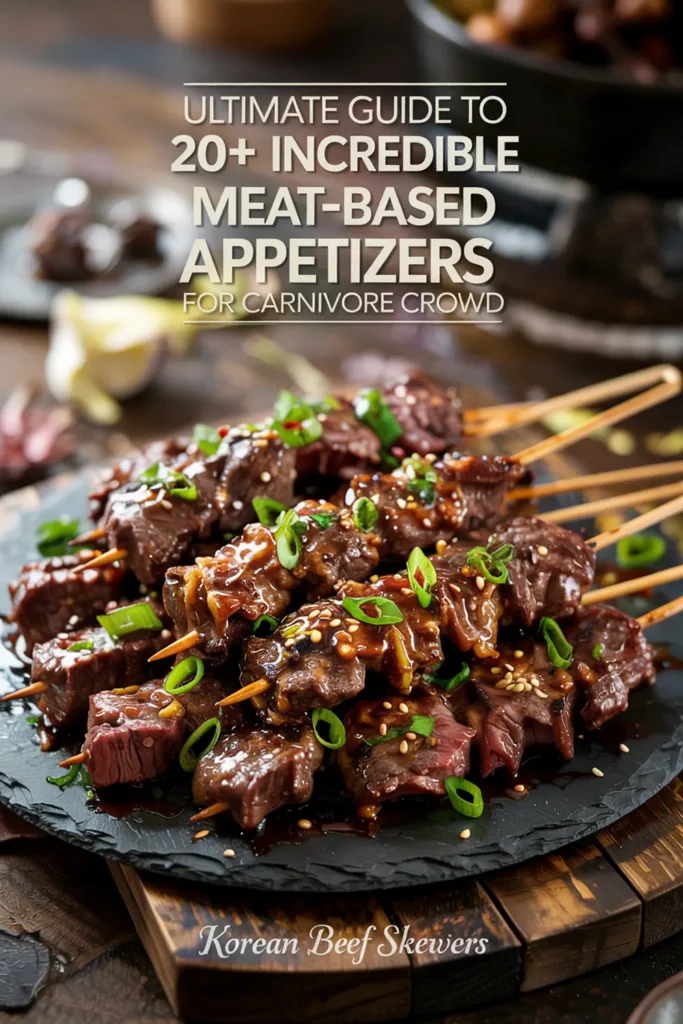
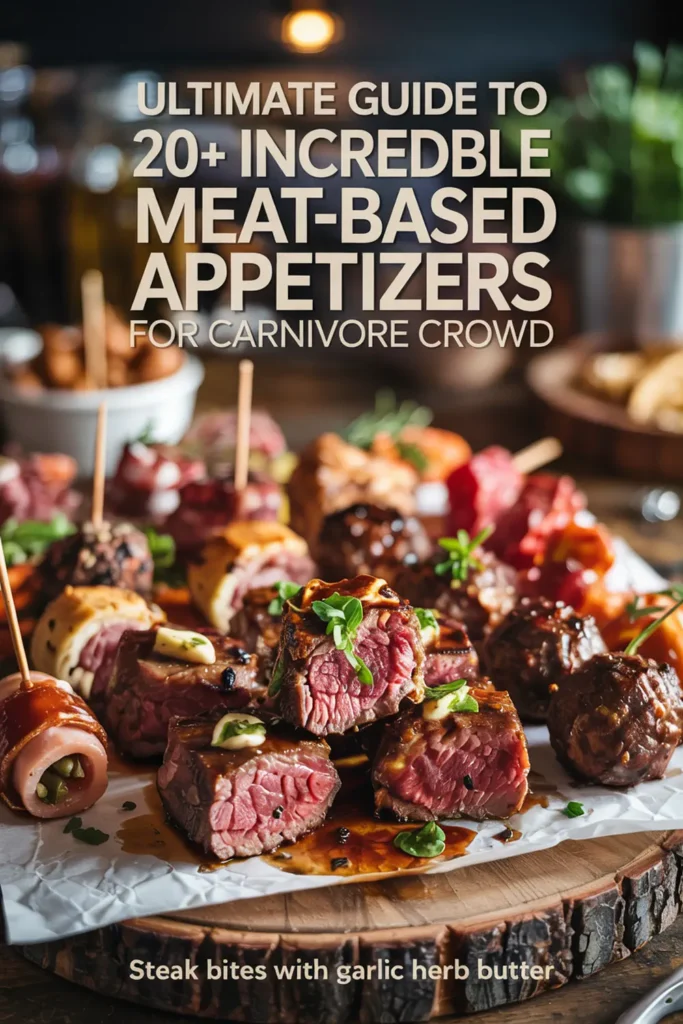
Break away from the boring cheese-and-crackers with some protein-packed appetizers that set the tone for a feast of plenty. Our collection of meat-based appetizers offers perfect pre-dinner bites that won’t overwhelm but will definitely impress. These hearty starters provide satisfying bites that keep hunger away without filling guests up completely, hitting the perfect balance for a long meal ahead.
The Appetizer Quantity Equation
For appetizers, follow this practical math:
I usually make 3-4 different types of appetizers for variety. This gives everyone something they’ll like. I plan for 2-3 pieces of each appetizer per person – enough to take the edge off hunger without filling up. If dinner will be served more than an hour after guests arrive, I increase this by 50% because people get hungrier during the waiting period.
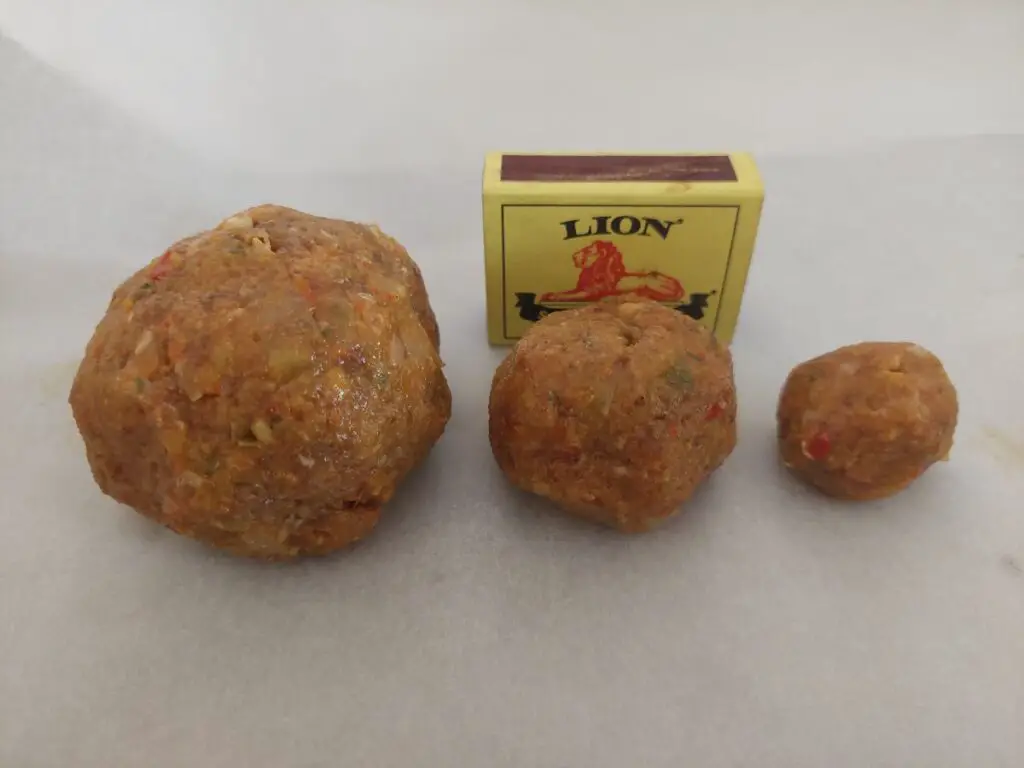
For mini beef wellingtons, I prepare 2 per person since they’re substantial and rich. For skewers, 1-2 per person is enough as they’re more filling than they look. For bite-sized items like meatballs, I plan for 3-4 per person since they’re easy to pop in your mouth and guests often grab several at once.
The key is to create a smart appetizer timeline: set out sturdy items that can sit at room temperature first, then add temperature-sensitive items closer to serving time. This prevents empty appetizer platters while ensuring food safety. It also helps you manage the flow of food throughout the pre-dinner period, keeping guests happy without overwhelming them all at once.
The Appetizer Timeline
2-3 hours before dinner: Set out nuts, cheese straws, spiced pecans
1 hour before: Add cheese board, dips, and crudités
30 minutes before: Bring out hot appetizers like mini wellingtons or meatballs
4. Side Dish Mathematics: Beyond Basic Arithmetic
The true art of Thanksgiving lies in the sides. While the turkey may get the spotlight, we all know the supporting cast often steals the show. But how many sides do you need, and in what amounts? This is where good planning makes the difference between a balanced, satisfying meal and a table with too much of one thing and not enough of another.
The Golden Ratio
For a truly memorable Thanksgiving, we recommend this practical formula:
- 1 starchy side per 4 guests (potatoes, sweet potatoes, etc.) – these provide the comforting foundation of the meal
- 1 green vegetable side per 4 guests – these add color, nutrition, and lightness to balance richer dishes
- 1 additional vegetable side per 6 guests – variety is the spice of Thanksgiving
- 1 bread/roll per person, plus 50% extra – bread is always eaten more quickly than expected
- 1/4 cup gravy per person (double this if you have gravy enthusiasts) – gravy ties everything together
For a group of 12, this means 3 starchy sides, 3 green sides, 2 additional vegetable sides, 18 rolls, and 3 cups of gravy. Sounds like a lot? That’s the point! Thanksgiving is about plenty and options. The variety ensures everyone finds their favorites while discovering new delights. Plus, diverse offerings fit different dietary needs without making them the focus of the meal.
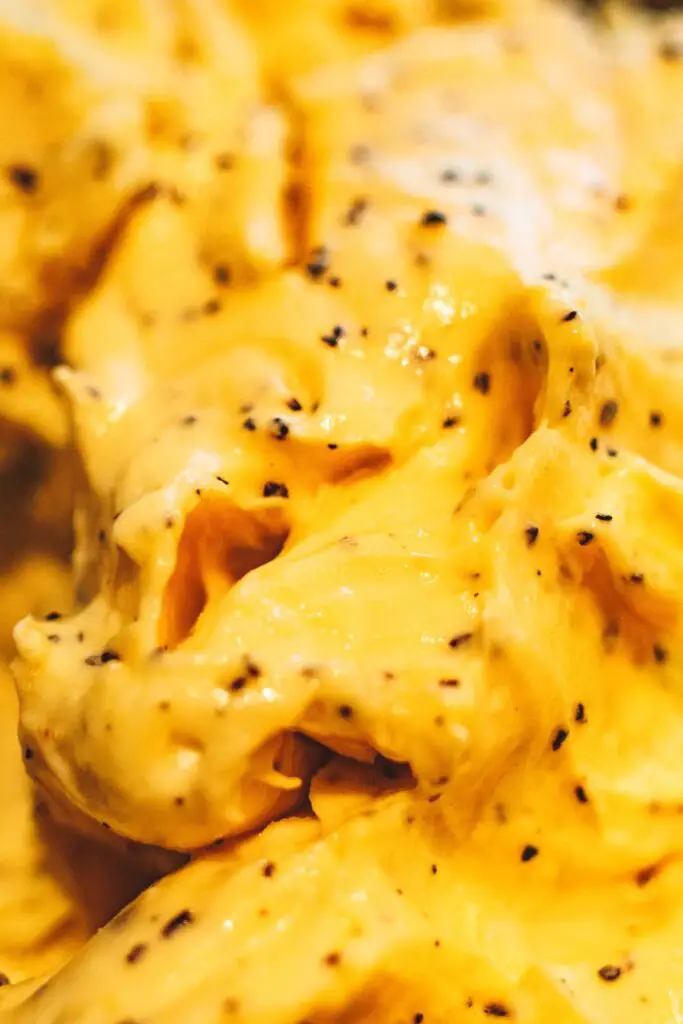
The Mac and Cheese Exception
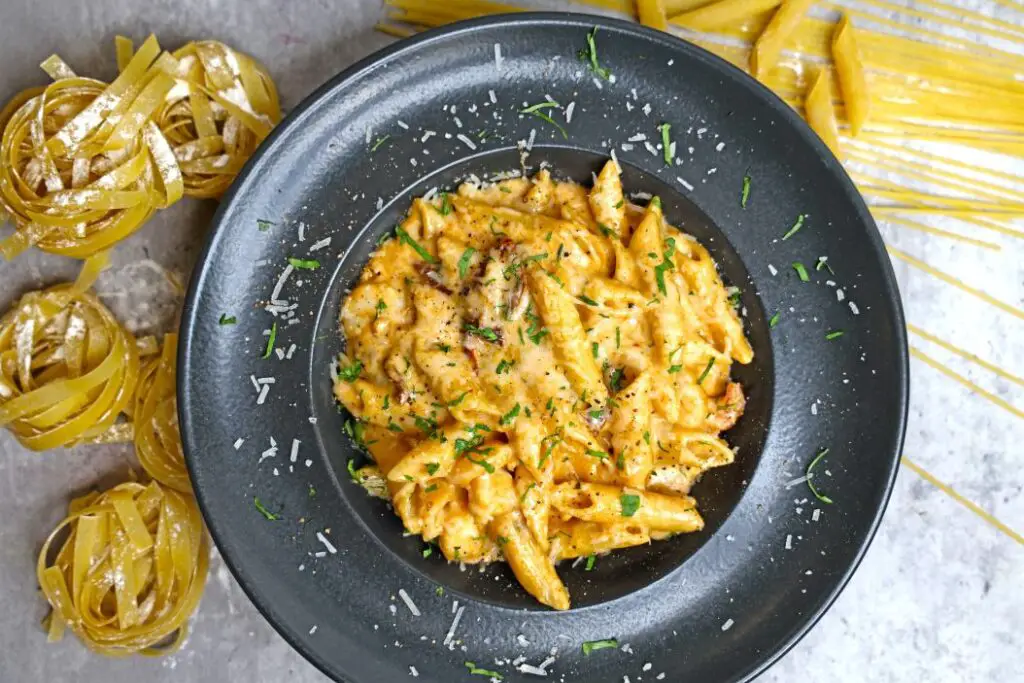
If you’re including macaroni and cheese as a side (and why wouldn’t you?), special calculations apply. This comfort food favorite tends to disappear faster than expected, especially with children present. Its universal appeal means guests will often take larger portions than they would of other sides, so planning accordingly prevents disappointment.
For mac and cheese as a side dish, I calculate:
Kids usually eat about 4 ounces (1/2 cup) per child – this tends to be their favorite dish. Adults typically need 6 ounces (3/4 cup) per person – even grown-ups love this comfort classic. I add 25% if it’s the only starchy side – it will become the default base for many plates. For a group of 20 with 5 children, you’d need approximately 110 ounces (almost 7 pounds) of mac and cheese – this seems like a lot until you see how quickly it disappears!
Remember that the beauty of sides is you can make many of them ahead of time. This is the secret weapon of the smart Thanksgiving host. Our cheesy kale stuffing can be put together the day before and baked just before serving. This approach changes what could be an overwhelming cooking marathon into a manageable series of tasks spread over several days.
5. Alternative Main Courses: Breaking the Turkey Monopoly
While turkey usually dominates the Thanksgiving table, there’s no rule saying you have to serve it. In fact, some of the most memorable Thanksgiving feasts feature unexpected main dishes that create new traditions and may better suit your gathering’s tastes, cooking equipment, or time limits.
The Pulled Pork Revolution
For a truly different Thanksgiving, consider pulled pork as your main attraction. This crowd-pleaser can be prepared days in advance, freeing up your oven on the big day and removing the stress of perfect turkey timing. The rich, juicy meat satisfies meat-lovers while offering a welcome change from the sometimes dry turkey that ruins many Thanksgiving tables. Plus, it’s nearly impossible to overcook pulled pork, removing the worry that comes with cooking poultry.
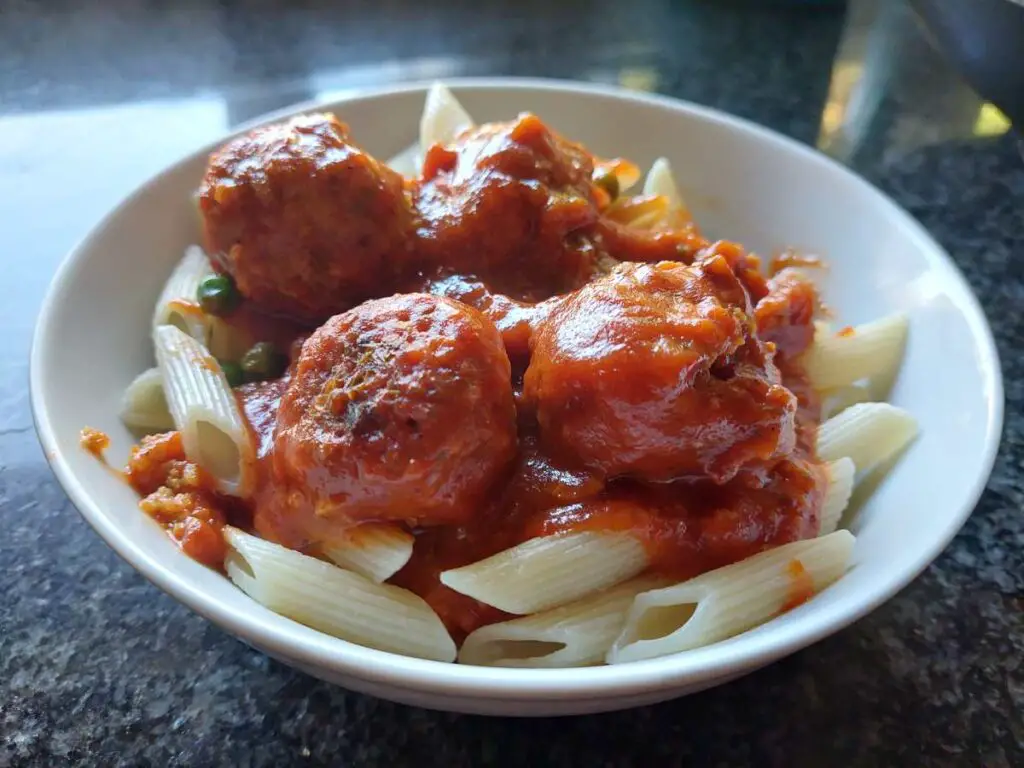
For a pulled pork main course, I calculate:
You’ll need about 1/3 pound cooked meat per person as a main dish – this accounts for its richness. About 1/2 pound raw pork shoulder yields approximately 1/3 pound cooked – shrinkage is significant. For 20 guests, you’ll need about 10 pounds of raw pork shoulder – this seems like a lot but produces the right amount. I always add 25% if I want leftovers (and I do!) – pulled pork makes excellent next-day sandwiches or tacos.
The Chicken Contingency
Another excellent alternative is chicken for your Thanksgiving feast. Whether roasted, fried, or prepared in parts, chicken offers familiar comfort with less cooking time and stress. A whole roasted chicken looks beautiful and gives you the carving ceremony that many associate with Thanksgiving, but without the long cooking time and potential dryness issues of turkey.
For chicken as a main dish:
I plan for about 1 pound of whole roasted chicken per person (raw weight with bones) – this accounts for bone weight and shrinkage. For boneless chicken breasts, I figure 6-8 ounces per person – these are lean and have no waste. Bone-in chicken pieces need about 8-10 ounces per person – the bones add flavor but reduce the edible portion. For 30 guests, you’d need approximately 30 pounds of whole chicken or 15-20 pounds of boneless pieces – multiple smaller birds often cook more evenly than one massive turkey.
The great thing about these alternatives is their flexibility—they can be prepared in multiple cooking devices (not just your oven), allowing you to use all your kitchen resources and minimize timing stress. Slow cookers, pressure cookers, grills, and smokers can all be used, freeing up your oven for sides and desserts that really need it.
6. The Dessert Dilemma: Sweet Calculations
By the time dessert comes around, guests have already eaten a day’s worth of calories—but somehow, there’s always room for pie. The trick is offering variety without creating waste, while knowing that dessert is an essential part of the Thanksgiving experience that no one wants to miss, regardless of how full they claim to be.
The Pie Paradigm
For Thanksgiving desserts, follow this practical wisdom:
I figure about 1/8 of a 9-inch pie per person – this seems small but accounts for people wanting to try multiple options. I offer 1 type of pie for every 4-5 guests – variety is essential for dessert satisfaction. I always include at least one chocolate option (trust me on this) – even at Thanksgiving, many people crave chocolate to finish their meal. For 16 guests, I prepare 3-4 different pies – this provides plenty of choice without too many leftovers.
This approach ensures everyone finds something they like while recognizing that many guests will want to “just taste” multiple options. The small portion calculations acknowledge that after a large meal, most people want the experience of dessert without eating a full-sized portion of any single option.
The Dessert Variety Formula
For 10 guests: 2 pies + 1 non-pie option
For 20 guests: 3-4 pies + 2 non-pie options
For 30+ guests: 5-6 pies + 3 non-pie options
Don’t forget to include non-pie options like cookies, brownies, or fruit for those who’ve reached their pastry limit. Calculate 1.5-2 small desserts (cookies, etc.) per person as an alternative. These lighter options appeal to those who want something sweet but feel too full for a rich slice of pie, and they’re perfect for guests to nibble on throughout the evening as digestion makes room for more treats.
7. Beverage Planning: The Liquid Landscape
Nothing ruins a Thanksgiving faster than running out of drinks. The key is variety, quantity, and smart timing of when certain beverages are offered. Good beverage planning ensures everyone stays comfortably hydrated throughout what can be a long, food-focused event, while alcohol is served in a way that enhances rather than dominates the experience.
The Drink Diversity Approach
For a well-hydrated Thanksgiving, I plan:
1 gallon of water serves 16 8-ounce glasses – I keep multiple pitchers around the house. 1 bottle of wine serves approximately 5 glasses – I account for varying drinking speeds. Adults typically drink about 3 beverages during a 3-hour meal – this includes water and non-alcoholic options. Children need approximately 16 ounces of non-alcoholic beverages – I offer several options beyond just water.
For a 4-hour gathering of 20 adults and 5 children:
- 3 gallons of water – essential for proper hydration, especially with salty foods
- 12 bottles of wine (mixed varieties) – offering both red and white accommodates different preferences
- 2 gallons of non-alcoholic options (cider, punch, soda) – these appeal to both children and non-drinking adults
- Coffee for 60% of guests after dinner (about 12 cups prepared) – this helps transition to dessert and aids digestion
The Unconventional Thanksgiving Drink Timeline
Arrival: Sparkling wine or festive non-alcoholic punch – sets a celebratory tone
Pre-dinner: White wine, light cocktails – pairs well with appetizers without overwhelming
During dinner: Red wine, water – complements the main meal
With dessert: Coffee, dessert wines, digestifs – helps settle the meal and refreshes the palate
Remember that Thanksgiving is a marathon, not a sprint—especially when it comes to alcohol. Serving lower-alcohol options early helps ensure your guests make it to dessert with their wits intact. Spacing alcoholic beverages throughout the event and always having plenty of non-alcoholic alternatives available creates a comfortable, enjoyable atmosphere where the focus stays on food and gratitude rather than excessive drinking.
8. The Leftover Strategy: Intentional Excess
Leftovers aren’t an accident—they’re a crucial part of the Thanksgiving experience. Planning for them on purpose ensures everyone gets to extend the feast for days to come. In fact, many Thanksgiving fans consider the next-day leftovers to be as important as the main meal, with unique combinations that aren’t possible during the formal dinner.
The Leftover Logic
For perfect leftovers, I calculate:
I add 25-30% to turkey quantities if leftovers are desired – this ensures enough meat for sandwiches and casseroles. I prepare 50% more stuffing and potatoes than needed for the meal – these are the most wanted leftover components. I make 100% more gravy than required (it’s the first thing to run out) – gravy improves everything it touches and helps bring life back to dry leftovers. I have takeaway containers ready for guests (4-cup containers work best) – this prevents the awkward plastic wrap bundle situation.
The most wanted leftovers are typically turkey, stuffing, and mashed potatoes—the building blocks of the perfect day-after sandwich. Make sure you have enough of these key components by intentionally making extra. Consider creating a dedicated “leftover section” of your refrigerator where components are stored separately rather than mixed together, allowing for maximum flexibility in creating new combinations in the days following.
9. Timing Is Everything: The Unconventional Schedule
The secret to a stress-free Thanksgiving isn’t just what you cook but when you cook it. Our practical timeline turns conventional wisdom upside down for a more enjoyable experience for both host and guests. By spreading preparation across multiple days and focusing on strategic advance work, you’ll transform what could be a frantic cooking marathon into a manageable, even enjoyable, cooking project.
The Three-Day Countdown
For maximum enjoyment and minimum stress, follow this practical schedule:
Tuesday Before Thanksgiving:
- Make all desserts and refrigerate/freeze – most improve with a day of rest
- Prepare cranberry sauce – the flavors develop beautifully over time
- Chop all vegetables and store in containers – this tedious prep work is better done in advance
Wednesday Before Thanksgiving:
- Prepare all side dishes that can be reheated – most casseroles and vegetable dishes reheat beautifully
- Set the table completely – one less thing to worry about on Thursday
- Make salad dressings and prep salad ingredients separately – combine just before serving
Thanksgiving Morning:
- Start turkey first thing (calculate 13 minutes per pound at 350°F) – this is your timing anchor
- Prepare only dishes that absolutely must be made fresh – limit day-of cooking to essentials
- Set up drink station and appetizers – keeps guests satisfied and out of the kitchen
The most revolutionary aspect of this timeline? Most of your cooking is done before Thursday, leaving you actually able to enjoy your own party instead of being trapped in the kitchen. This approach also reduces the risk of timing disasters, as you’re not trying to coordinate multiple dishes requiring different oven temperatures and cooking times on the day itself. The staggered preparation schedule transforms what could be an overwhelming day into a manageable sequence of tasks.
10. The Guest-Count Conundrum: Scaling Up and Down
One of the trickiest aspects of Thanksgiving planning is adapting recipes for different group sizes. Most recipes serve 8-10 people, but what if you’re hosting 4 or 24? Proper scaling requires more nuance than simply multiplying or dividing ingredients, as cooking chemistry doesn’t always work in direct proportions.
The Scaling Solution
For scaling recipes effectively:
I’ve learned that seasonings should not be directly multiplied—I increase by 75% when doubling – spices intensify more than you might expect. Cooking times increase by approximately 25% when doubling baked dishes – larger volume means longer heat penetration. When halving recipes, I use slightly more than half the liquid called for – evaporation remains constant regardless of volume. For very large gatherings, I prepare multiple smaller dishes rather than one giant one – this improves cooking consistency and serving logistics.
Scaling Examples:
For 4 people (halving a standard recipe):
– 6-8 pound turkey (or consider turkey breast only) – better to go smaller than risk dry meat
– 2 cups of stuffing – still enough for everyone to have a satisfying portion
– 2 pounds of potatoes – yields approximately 4 cups mashed
– 1 pie – perfect size with no excess
For 24 people (tripling a standard recipe):
– 24-30 pound turkey (or two 12-15 pound turkeys) – two smaller birds often cook more evenly
– 12-15 cups of stuffing – allows for seconds and some leftovers
– 12 pounds of potatoes – yields approximately 24 cups mashed
– 4-5 pies – provides necessary variety and adequate portions
For very large gatherings (over 20 people), consider a potluck approach where you provide the main dish and coordinate sides and desserts with guests. This not only makes your job easier but creates a collaborative feast with diverse offerings. The key is to coordinate carefully to ensure balance – assign specific categories rather than specific dishes to prevent duplicate items while allowing personal creativity.
11. Special Dietary Needs: The Inclusive Feast
Modern Thanksgiving gatherings often include guests with various dietary restrictions. Rather than making this an afterthought, incorporate inclusive options into your main planning. This approach ensures everyone feels welcomed and considered without making their dietary needs the focus of attention or creating extra work for you as the host.
The Accommodation Strategy
For an inclusive Thanksgiving:
I make sure to have at least 2 side dishes that are naturally gluten-free – many vegetable dishes qualify without modification. I ensure 1 dessert option is vegan or dairy-free – fruit crisps with alternative toppings work beautifully. I keep some gravy separate before adding flour for gluten-free guests – using cornstarch instead. I prepare a portion of stuffing outside the bird for vegetarians – using vegetable broth for moisture.

Rather than creating completely separate dishes for those with restrictions, focus on making adaptable recipes where components can be separated before adding allergens. This approach is more efficient and makes everyone feel included in the same meal. For example, roast vegetables with olive oil instead of butter, then offer butter as an optional topping for those who can have it. Or prepare a base stuffing that’s vegetarian, then add meat to a portion if desired.
At WhaleyCooks, our global travels have inspired us to embrace diverse culinary traditions, making it natural to incorporate dishes that accommodate various dietary needs while still feeling festive and special. Drawing from international cuisines often provides naturally allergen-free options that feel special rather than restrictive.
12. The Shopping Strategy: Navigating the Thanksgiving Rush
The final piece of the Thanksgiving planning puzzle is the shopping strategy. A disorganized approach can lead to multiple stressful store visits and forgotten ingredients. Strategic shopping not only saves time but reduces stress and ensures you have everything you need when you need it, without last-minute scrambling when stores are crowded or closed.
The Category Method
Instead of shopping by recipe, I organize my list by store section:
- Produce – group all fruits and vegetables together
- Meat/Poultry – include specifications like fresh/frozen
- Dairy – note specific fat percentages needed
- Baking – organize by shelf in the baking aisle
- Canned/Packaged – include size specifications
- Frozen – keep these items for the end of your shopping trip
- Beverages – note quantities needed
- Non-food items (containers, decor, etc.) – often forgotten but essential
The Three-Store Strategy:
1. Bulk/warehouse store (1 week before): Paper products, beverages, butter, cheese – items that won’t spoil and are needed in large quantities
2. Regular grocery (4-5 days before): Non-perishables, frozen items, turkey (if frozen) – the main shopping trip
3. Farmers market/specialty store (2-3 days before): Fresh produce, fresh turkey, artisanal breads – items where freshness matters most
Purchase your turkey early enough to allow for proper thawing if frozen (24 hours in the refrigerator for every 4-5 pounds). For a 20-pound turkey, that means taking it out of the freezer a full 5 days before Thanksgiving! This often-forgotten detail can mess up your entire cooking timeline if not planned properly, as a partly frozen turkey cooks unevenly and takes much longer than expected.

Conclusion: Embracing the Thanksgiving Chaos
Thanksgiving meal planning doesn’t have to follow a strict formula. The most memorable feasts often come from breaking tradition, trying unexpected combinations, and creating a celebration that shows your unique style. Whether you’re serving a classic turkey with unconventional kale stuffing or going completely different with pulled pork as your main, the goal is a happy gathering around delicious food. The beauty of an unconventional approach is that it frees you from trying to be perfect and lets your personal creativity shine.
At WhaleyCooks, we believe cooking should be an adventure—especially for holiday feasts. Use our guide as a starting point, but don’t be afraid to create your own rules and traditions. After all, the best Thanksgiving meals aren’t the ones that follow the formula perfectly—they’re the ones where everyone leaves with full bellies and happy hearts. The memories created around your table will come from the laughter and connection, not from how precisely you followed conventional wisdom.
Remember, the ultimate goal isn’t perfection but connection. So calculate your quantities, prepare what you can ahead of time, and then set aside the spreadsheets to enjoy the feast you’ve created. Happy Thanksgiving planning from our kitchen to yours!