
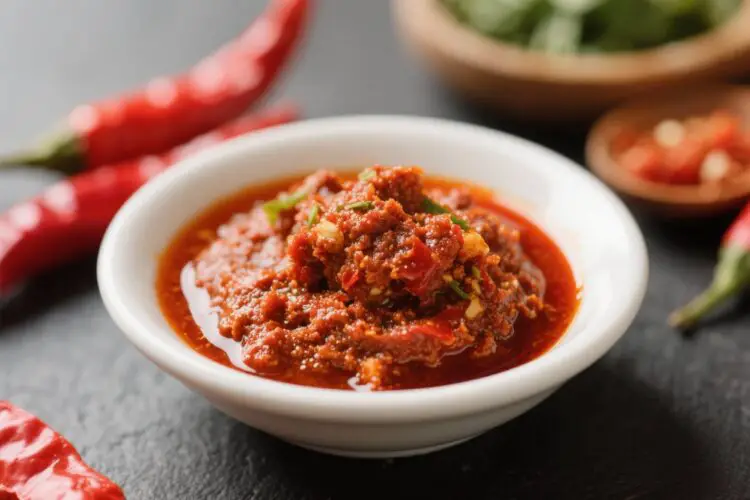
Thai Red Curry Paste is one of those kitchen heroes that instantly lifts a dish from simple to stunning. It’s aromatic, fiery, and layered with flavor, yet surprisingly straightforward to make at home. When you build it from scratch, you control the heat, salt, and fragrance—and the payoff is huge.
Whether you’re simmering a classic red curry, marinating meats, or seasoning vegetables, this paste brings warmth and depth. Plus, you can make a batch and freeze it, so you’re always a spoonful away from something great.
What Makes This Special
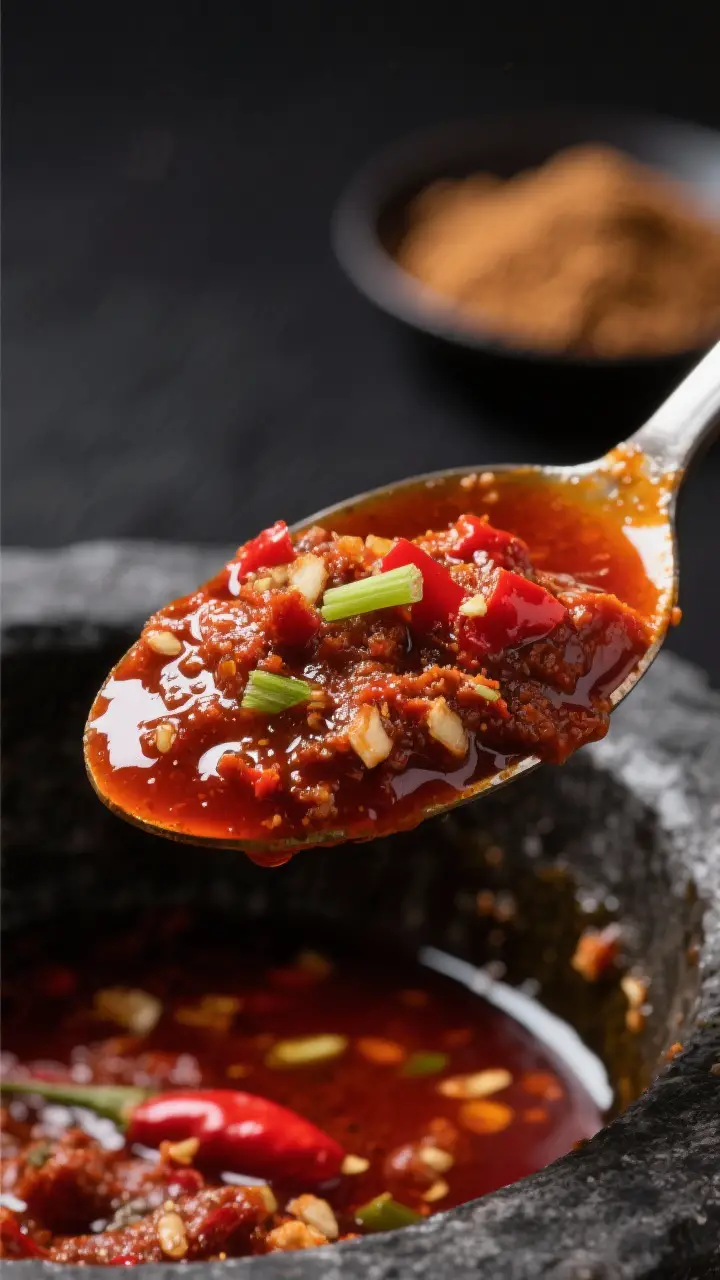
This paste blends dried red chilies with fresh aromatics for a balance of heat, citrusy brightness, and deep umami. The mix of lemongrass, galangal, kaffir lime zest, and shrimp paste delivers that unmistakable Thai profile—bold but refined.
Making it yourself means you get fresher flavor and a cleaner ingredient list. It’s also a flexible base: thin it with coconut milk for curry, stir it into stir-fries, or rub it onto proteins before grilling.
What You’ll Need
- Dried long red chilies (8–12, seeded and soaked)
- Fresh red spur chilies or red Fresno chilies (1–2, optional for color and freshness)
- Lemongrass (2 stalks, tender inner part only, thinly sliced)
- Galangal (1–1.5 tablespoons, peeled and chopped; ginger as a backup if needed)
- Kaffir lime zest or regular lime zest (1 teaspoon; kaffir lime if available)
- Coriander root (3–5 roots, scrubbed and chopped; use stems if roots are unavailable)
- Garlic (6–8 cloves)
- Shallots (2 medium)
- White peppercorns (1 teaspoon)
- Coriander seeds (1.5 teaspoons)
- Cumin seeds (1 teaspoon)
- Shrimp paste (kapi) (1 teaspoon; adjust to taste)
- Salt (1/2–1 teaspoon)
- Neutral oil (1–2 tablespoons, optional for blending)
Instructions
- Prep the chilies. Remove seeds from dried red chilies for a milder paste. Soak in hot water for 15–20 minutes until soft, then drain and squeeze out excess water.
Roughly chop.
- Toast the spices. In a dry pan over medium heat, toast coriander seeds, cumin seeds, and white peppercorns until fragrant, 1–2 minutes. Let cool, then grind to a fine powder with a mortar and pestle or spice grinder.
- Prep the aromatics. Slice lemongrass finely (only the tender inner part). Chop galangal, garlic, shallots, and coriander root.
Zest the kaffir lime, avoiding the bitter white pith.
- Start pounding or blending. For a traditional texture, use a mortar and pestle. Begin with salt and the dried chilies, pounding into a smooth paste. If using a blender, add a splash of oil or a tablespoon of water to help it catch.
- Add the hard aromatics. Work in lemongrass and galangal next, pounding until mostly smooth.
The finer you cut them, the smoother your paste will be.
- Build flavor. Add garlic, shallots, coriander root, and fresh chilies (if using). Pound or blend until cohesive and fairly smooth.
- Finish with dry spices and zest. Mix in the ground coriander, cumin, and pepper, plus the kaffir lime zest.
- Stir in shrimp paste. Pound or blend until fully incorporated. Taste and adjust salt or heat as needed.
The paste should be thick, slightly oily, and very aromatic.
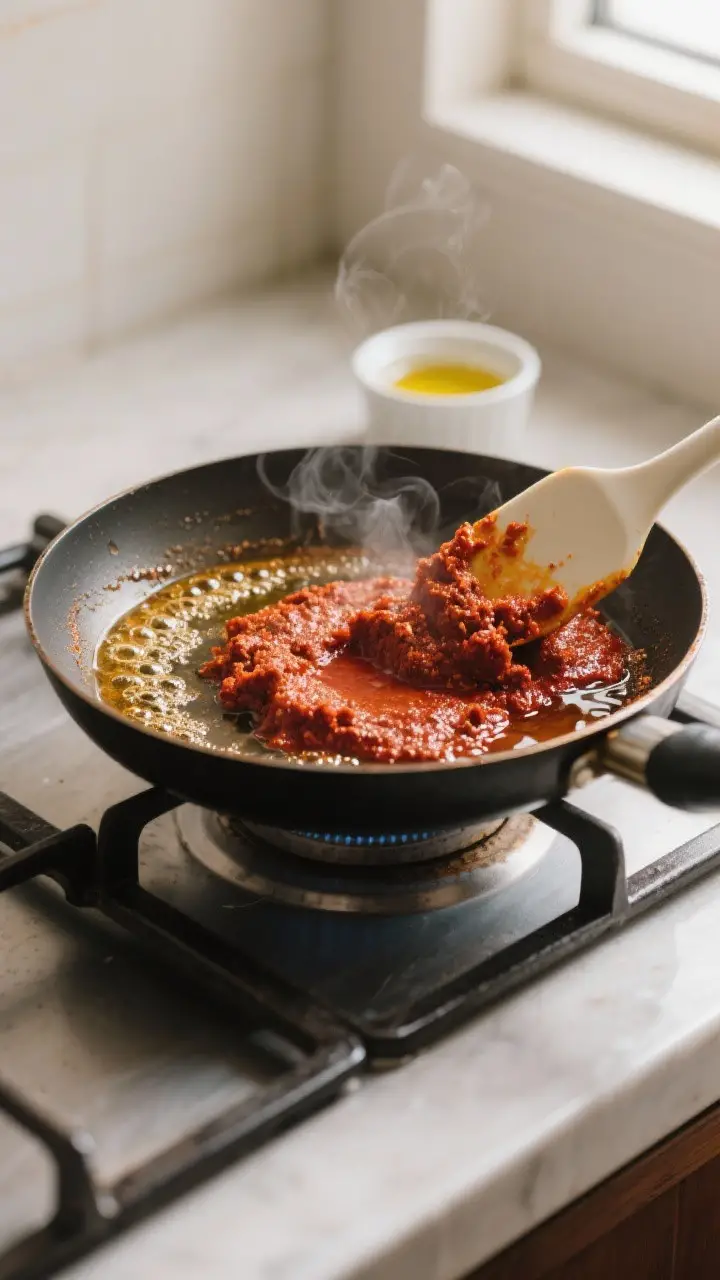
- Optional: Fry to bloom. For a richer, deeper flavor, gently fry the paste in a little oil over low heat for 2–3 minutes, stirring constantly. Cool before storing.
Storage Instructions
- Refrigerator: Store in a clean jar with a thin layer of oil on top. Keeps for 1–2 weeks.
- Freezer: Portion into tablespoon-sized scoops or use an ice cube tray.
Freeze for up to 3 months.
- Airtight matters: Exposure to air dulls the aroma. Press plastic wrap directly onto the surface if you don’t use oil.
- Label and date: Note heat level and date so you can repeat (or adjust) next time.
Benefits of This Recipe
- Fresh flavor: Bright, vibrant aromatics that jarred versions can’t match.
- Customizable heat: Control spiciness by seeding more chilies or using milder varieties.
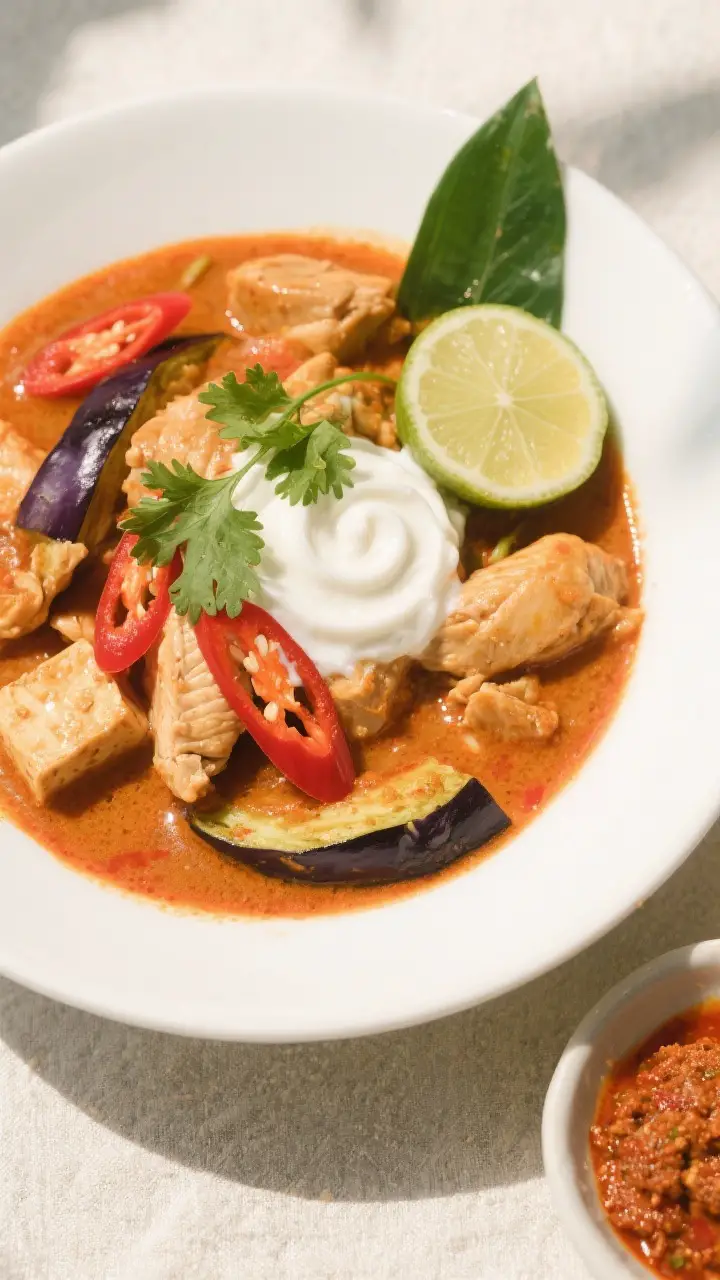
- Versatility: Works in curries, soups, stir-fries, marinades, and even compound butter.
- Cost-effective: A single batch stretches across multiple meals.
- Diet-friendly: Naturally gluten-free and adaptable for pescatarian or vegan diets.
Common Mistakes to Avoid
- Skipping the soak: Dry chilies that aren’t fully softened will leave gritty bits and won’t blend smoothly.
- Coarse slicing: Large chunks of lemongrass or galangal are hard to break down. Slice very thinly.
- Under-toasting spices: Toasting unlocks aroma.
Don’t burn them, but don’t skip this step.
- Overloading the blender: Too much at once leads to uneven texture. Work in batches or use a mortar and pestle.
- Neglecting balance: Heat without brightness falls flat. Kaffir lime zest, coriander root, and salt bring balance—don’t leave them out if you can help it.
Recipe Variations
- Vegan red curry paste: Replace shrimp paste with white miso, fermented soybean paste, or a small amount of soy sauce for savory depth.
- Smoky version: Lightly char shallots, garlic, and fresh chilies under a broiler or over a flame before blending.
- Sweeter, milder paste: Use more red spur chilies (milder) and fewer dried chilies.
Add a pinch of palm sugar to round out the heat.
- Citrus-forward: Add extra kaffir lime zest and a touch of lemongrass for a brighter finish.
- Herb boost: Fold in a handful of fresh cilantro stems at the end for a greener, fresher tone.
FAQ
How spicy is Thai Red Curry Paste?
It varies. With seeded dried chilies, it lands at medium heat. Keep more seeds for extra heat, or swap in milder chilies to make it gentler.
You’re fully in control.
Can I use ginger instead of galangal?
Yes, if you can’t find galangal. Ginger offers a similar warmth, though the flavor is less piney and more citrus-spicy. Use slightly less ginger and add a bit more lime zest to compensate.
What if I can’t find coriander root?
Use an equal amount of cilantro stems.
The flavor is a little lighter, but still adds that signature herbal note.
Is shrimp paste necessary?
It provides classic umami and depth. If you avoid seafood, substitute white miso or fermented soybean paste. The flavor won’t be identical, but it will be richly savory.
How much paste do I use for curry?
Start with 2–3 tablespoons per 14-ounce can of coconut milk for a medium-spicy curry.
Adjust to taste and season with fish sauce, sugar, and lime as you cook.
Can I make this without special equipment?
Yes. A mortar and pestle is traditional and gives great texture. If using a knife and cutting board, mince everything very finely and then mash with the side of the knife and salt to help break it down.
What dishes can I make with it besides curry?
Stir it into fried rice, spread it on fish before grilling, whisk it into mayonnaise for a spicy sandwich spread, or mix with coconut milk for a quick noodle sauce.
How do I keep the color bright red?
Use fresh red chilies in addition to dried ones, avoid scorching the paste, and store it with a thin layer of oil.
A pinch of paprika can boost color without much flavor impact.
Can I freeze it without losing flavor?
Absolutely. Freeze in small portions and thaw only what you need. The aroma stays robust for a few months if stored airtight.
Why does my paste taste bitter?
Possible causes include burnt spices, too much white pith in the lime zest, or over-fried aromatics.
Toast spices gently, zest lightly, and use low heat when blooming the paste.
Wrapping Up
Thai Red Curry Paste is a powerhouse of flavor that pays off every time you cook with it. With a handful of key ingredients and a little prep, you can make a batch that tastes fresh, balanced, and deeply aromatic. Keep it on hand, and weekday meals suddenly feel special.
Once you make your own, the jarred versions won’t quite compare—and you won’t look back.
Printable Recipe Card
Want just the essential recipe details without scrolling through the article? Get our printable recipe card with just the ingredients and instructions.