
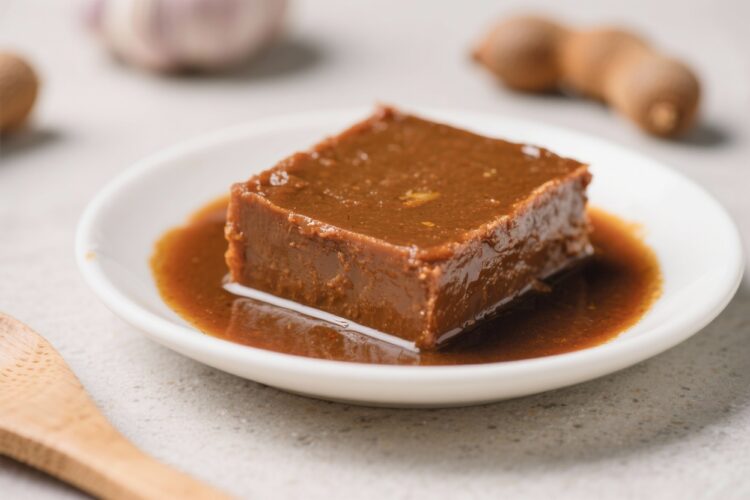
If you’ve ever wondered why some curries, pad thai, chutneys, or sauces taste so deep and tangy, the secret is often tamarind. Making tamarind paste from a block is simple, budget-friendly, and more flavorful than most bottled options. You get a bright, sour-sweet punch with a natural depth you can’t fake.
Once you make a batch, you’ll find yourself adding it to dressings, marinades, and even drinks. This guide walks you through the exact steps and gives you tips to get it right, every time.
What Makes This Recipe So Good
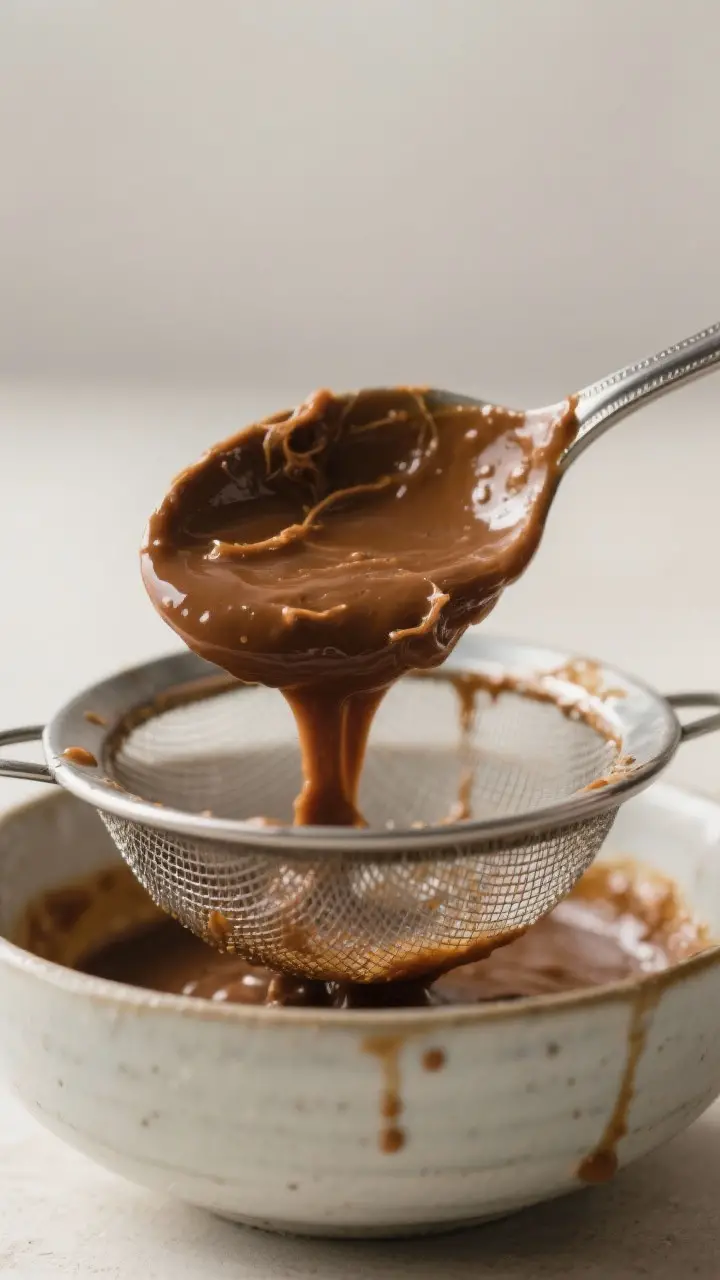
- Big flavor, small effort: A few minutes of soaking and straining turns a dry block into a rich, tangy paste.
- Better than store-bought: Fresher taste, cleaner ingredients, and you control thickness and intensity.
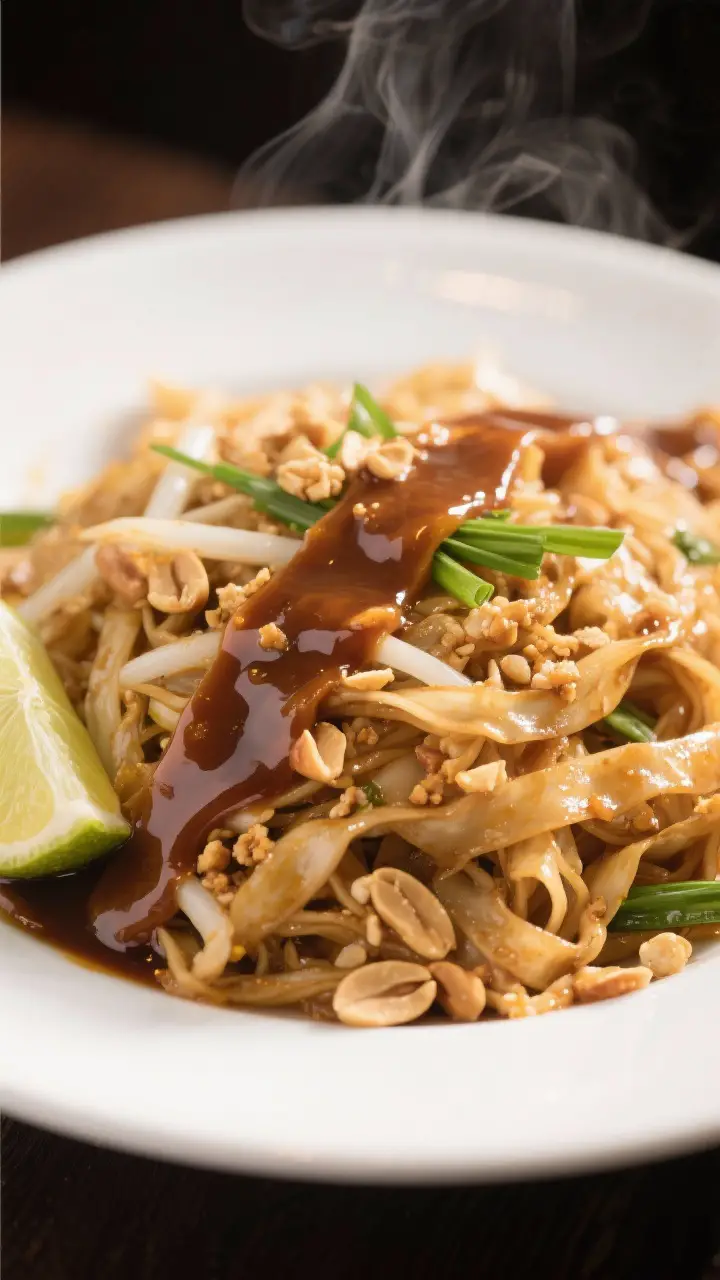
- Versatile: Essential for pad thai, sambal, sambar, rasam, chutneys, BBQ sauces, glazes, and more.
- Affordable and long-lasting: A single block makes multiple jars, and the paste freezes beautifully.
- Consistent results: Clear method to avoid gritty bits and manage sourness, every batch.
Shopping List
- Seedless tamarind block (also called tamarind pulp or pressed tamarind)
- Hot water (just off the boil)
- Fine-mesh strainer or sieve
- Bowl for soaking
- Spoon or spatula for pressing
- Clean jar or container with lid
- Optional: Salt, a pinch of sugar, or a splash of neutral oil (for storage and balancing)
Step-by-Step Instructions
- Break the block: Cut or tear the tamarind block into chunks. Smaller pieces soften faster and strain more easily.
- Add hot water: Place the pieces in a bowl and pour in hot water to cover by about 1 inch.
For a standard 8-ounce (225g) block, start with 1.5 to 2 cups of water if you want a thicker paste; 2.5 cups for a looser paste.
- Soak: Let it sit for 15–20 minutes. Stir once or twice to help the pulp loosen.
- Mash: Use a spoon to mash the softened pulp into the water. You’re aiming for a muddy, smooth slurry with no hard lumps.
- Strain: Set a fine-mesh strainer over a bowl.
Pour in the mixture and press firmly with the back of a spoon or spatula. Keep pressing and scraping until only fibers and seeds remain in the strainer.
- Check thickness: The strained paste should be pourable but cling to a spoon. If it’s too thick, whisk in a tablespoon of hot water at a time.
If it’s too thin, simmer gently in a small saucepan for 3–5 minutes to reduce, stirring often.
- Season (optional): For a balanced, restaurant-style flavor, stir in a small pinch of salt and a pinch of sugar. This doesn’t make it sweet—it rounds out the sharp edges.
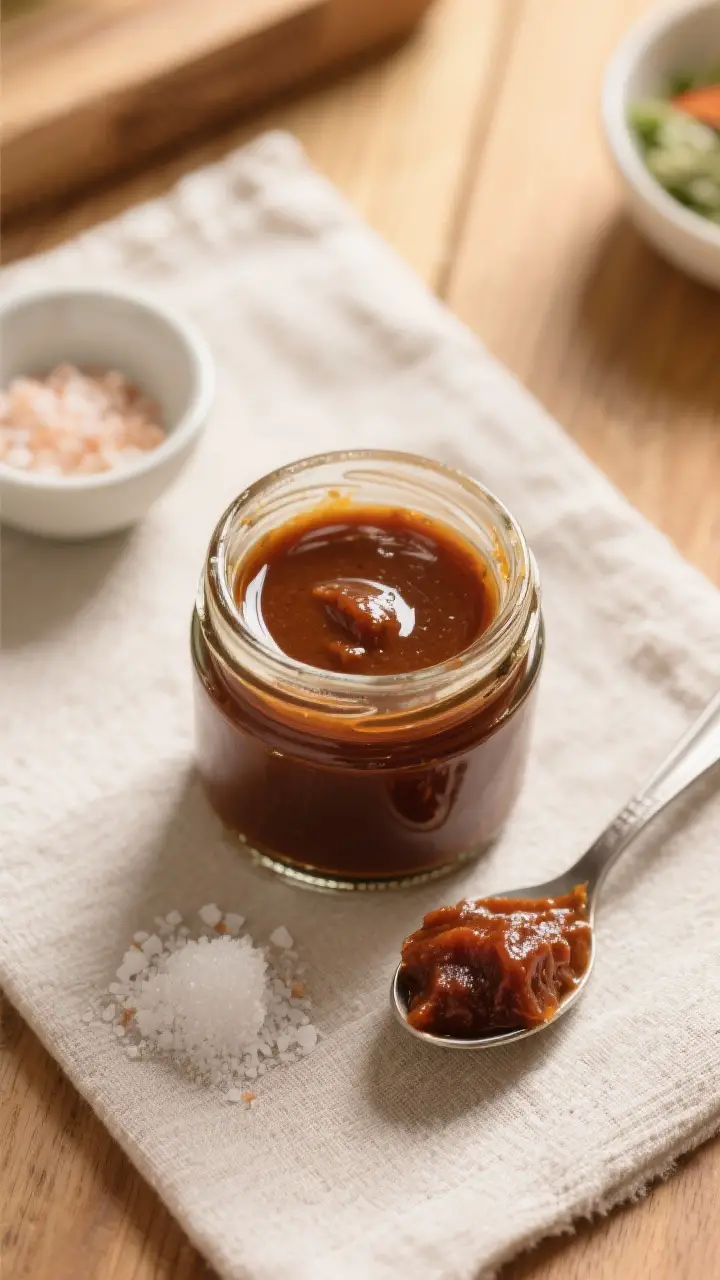
- Cool and store: Let the paste cool fully. Transfer to a clean jar.
For extra protection, smooth the surface and add a thin film of neutral oil on top.
How to Store
- Refrigerator: Up to 3–4 weeks in a sealed jar. Use a clean spoon each time to avoid contamination.
- Freezer: Up to 6 months. Freeze in ice cube trays (1–2 tablespoons per cube), then move to a freezer bag.
Thaw cubes as needed.
- Signs to toss: Off smells, mold, or fizzing. Tamarind is naturally tangy, but it should not smell fermented or yeasty.
Why This is Good for You
- Rich in antioxidants: Tamarind contains polyphenols that help fight oxidative stress.
- Digestive support: Traditionally used to aid digestion thanks to natural acids and fiber.
- Flavor without heavy fat or sugar: Adds depth and brightness to dishes, letting you cut back on salt or added sugar in sauces and dressings.
Pitfalls to Watch Out For
- Gritty paste: If you skip fine straining, you’ll get fibers and seed fragments. Always press through a fine-mesh sieve.
- Too thin or watery: Measure water, and reduce on the stove if needed.
A little simmer fixes it fast.
- Overly sour: Start with less in recipes and build up. Balance with a pinch of sugar, palm sugar, or jaggery if needed.
- Funky flavors: Don’t use boiling water directly; use just-off-the-boil. And store properly—clean jar, minimal air exposure.
- Using the wrong product: Tamarind concentrate and tamarind paste from a block are not the same strength.
Adjust recipes accordingly.
Variations You Can Try
- Thai-style balance: Stir in a touch of palm sugar for a sweet-sour base ideal for pad thai and dipping sauces.
- Indian-inspired: Add a pinch of roasted cumin powder and black salt to the paste for instant chutney vibes.
- Smoky BBQ glaze: Whisk tamarind paste with brown sugar, smoked paprika, soy sauce, and a splash of apple cider vinegar.
- Spicy tamarind: Mix in chili flakes or a spoon of sambal for a fiery, tangy spooning sauce.
- Citrus lift: Blend in a little fresh orange or lime zest for a brighter, more aromatic paste for dressings.
FAQ
Can I use tamarind concentrate instead of paste?
Yes, but it’s stronger and often more sour. Start with one-third to one-half the amount of paste called for, then adjust to taste. Check the label—some concentrates include sugar or preservatives that change the flavor.
What if my block has seeds or fibers?
That’s normal.
Even “seedless” blocks can have a few bits. Proper soaking and firm pressing through a fine-mesh sieve will give you a smooth paste.
How much paste does one block make?
An 8-ounce (225g) block typically yields about 1 to 1.5 cups of paste, depending on how much water you use and how thick you make it.
Is tamarind paste the same as pulp?
“Pulp” can refer to the raw pressed block or the strained paste, depending on the brand or region. In this method, we soak the block (pulp) and strain it to make a smooth paste.
Can I make it in advance?
Absolutely.
It’s a perfect make-ahead ingredient. Store in the fridge for a few weeks or freeze in cubes for months so you can grab exactly what you need.
What does tamarind taste like?
It’s tangy and fruity with a hint of sweetness and caramel notes—think lemon-meets-dried fruit. It brings brightness and depth without being spicy.
How do I fix a paste that’s too sour?
Dilute with a little water and balance with a small pinch of sugar or jaggery.
In dishes, you can also balance with fat (coconut milk, ghee) or sweetness from onions or tomatoes.
Do I need to cook the paste?
No. It’s ready to use after straining. Many recipes cook it further, but that depends on the dish.
If you want it thicker, a brief simmer is fine.
In Conclusion
Homemade tamarind paste is simple, reliable, and far more flavorful than most ready-made versions. With a block, hot water, and a strainer, you can make a smooth, tangy paste that keeps well and upgrades countless dishes. Learn the basic method, adjust the thickness to your style, and stash a jar—or a bag of cubes—in your fridge or freezer.
Once you taste the difference, you’ll never want to be without it.
Printable Recipe Card
Want just the essential recipe details without scrolling through the article? Get our printable recipe card with just the ingredients and instructions.