
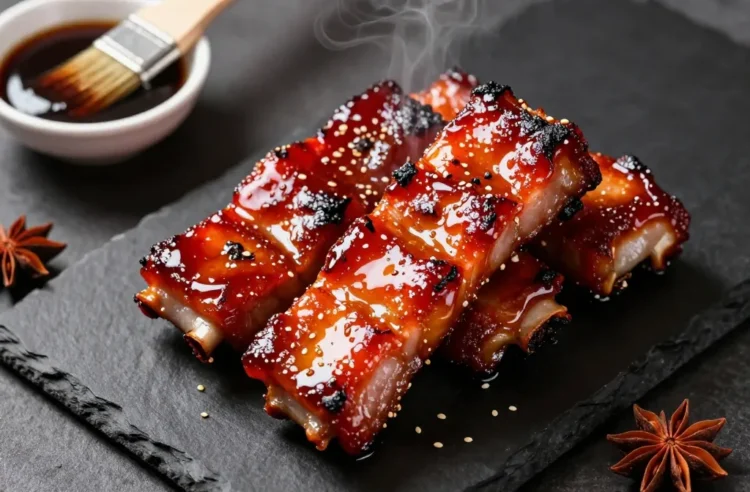
You want char siu ribs that taste like a Chinatown window display but you don’t have a hanging oven, a blowtorch, or six hours to babysit pork? Cool. We’re hacking the classic with hoisin and five-spice, and the payoff is sticky, lacquered ribs that deliver smoky, sweet, and savory vibes with minimal drama. No marinade overnight if you don’t want to. No secret ingredients you can’t pronounce. Just bold flavor, fast-ish.
Why This Hack Works (and Tastes Legit)
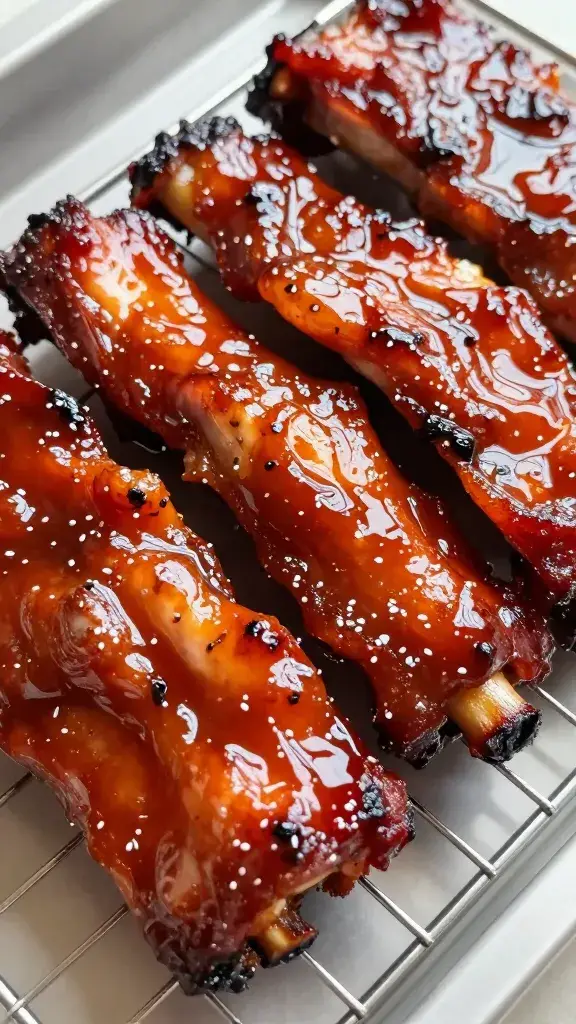
Char siu usually means red-tinged, sweet-savory roast pork with a glossy finish. We’ll translate that to ribs with a sauce-first strategy and a gentle roast. Hoisin brings thick, tangy umami. Chinese five-spice brings that warm, aromatic backbone—think star anise, fennel, cinnamon, clove, and Sichuan peppercorn. Together, they do 80% of the heavy lifting.
The last 20%? Heat control and glazing. We’ll layer sauce near the end to build shine without burning. Because burnt sugar equals bad day.
The Flavor Blueprint
You don’t need a million bottles. You need a short list of hitters and some balance. Here’s the core lineup.
- Hoisin sauce: Sweet, salty, tangy base with body. It clings like a champ.
- Chinese five-spice: The signature aroma—go easy, it’s potent.
- Soy sauce: Salty depth. Use light/regular soy, not dark.
- Honey or maltose: Shine and stickiness. Honey is easier; maltose is traditional.
- Shaoxing wine (or dry sherry): Adds complexity. Skip if you must, but it’s worth it.
- Garlic and ginger: Fresh, sharp lift.
- Rice vinegar: Tiny splash to cut the sweet. Balance is everything.
- Optional red color: A drop of red food coloring if you want that iconic tint. Purely cosmetic.
Quick Sauce Ratio (No Guesswork)
For 2 racks of baby back ribs (about 4–5 lb total):
- 1/2 cup hoisin
- 3 tbsp honey
- 2 tbsp soy sauce
- 2 tbsp Shaoxing wine (or dry sherry)
- 1.5 tsp Chinese five-spice
- 2 tsp grated ginger
- 2 tsp minced garlic
- 1–2 tsp rice vinegar (to taste)
- Optional: 1–2 tsp ketchup for color and tang; a tiny drop of red coloring if you’re feeling dramatic
Pro move: Taste the sauce before it hits the meat. If it tastes great off the spoon—salty-sweet-aromatic—you’re golden.
Rib Prep, the Low-Stress Way
Remove the membrane on the back of the ribs. It peels like a stubborn sticker—use a paper towel for grip. Season the ribs lightly with salt and white pepper. Don’t go heavy; the sauce brings plenty of salt later.
You can marinate in half the sauce for 30–60 minutes if you have time. If not, don’t stress. FYI, IMO an overnight rest gives deeper flavor, but this hack doesn’t need it to shine.
Oven Setup That Mimics a Roaster
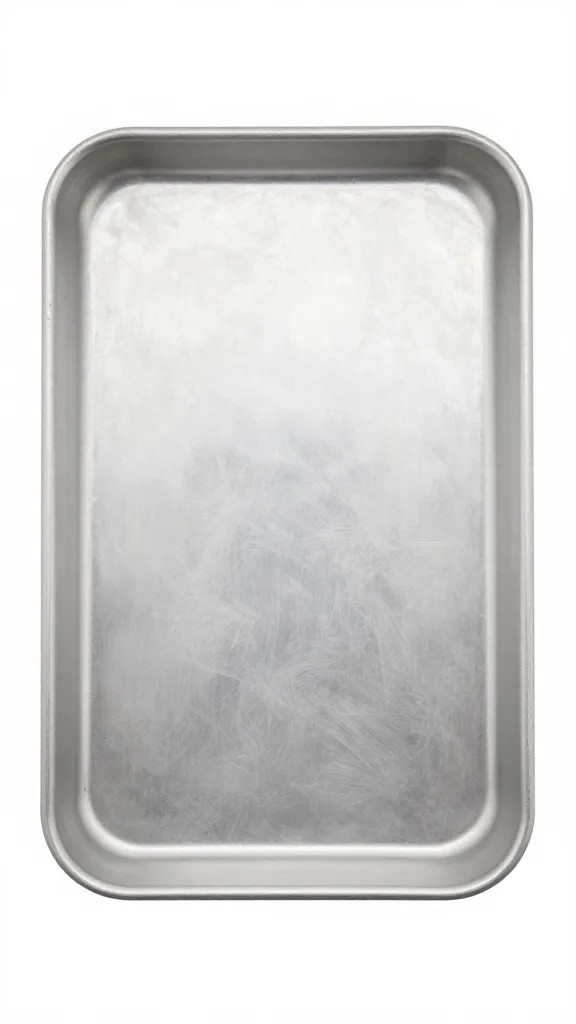
– Line a sheet pan with foil, place a wire rack on top.
– Add a splash of water to the pan (under the rack) to keep moisture up.
– Preheat to 300°F (150°C). Low and slow means tender ribs without drying out.
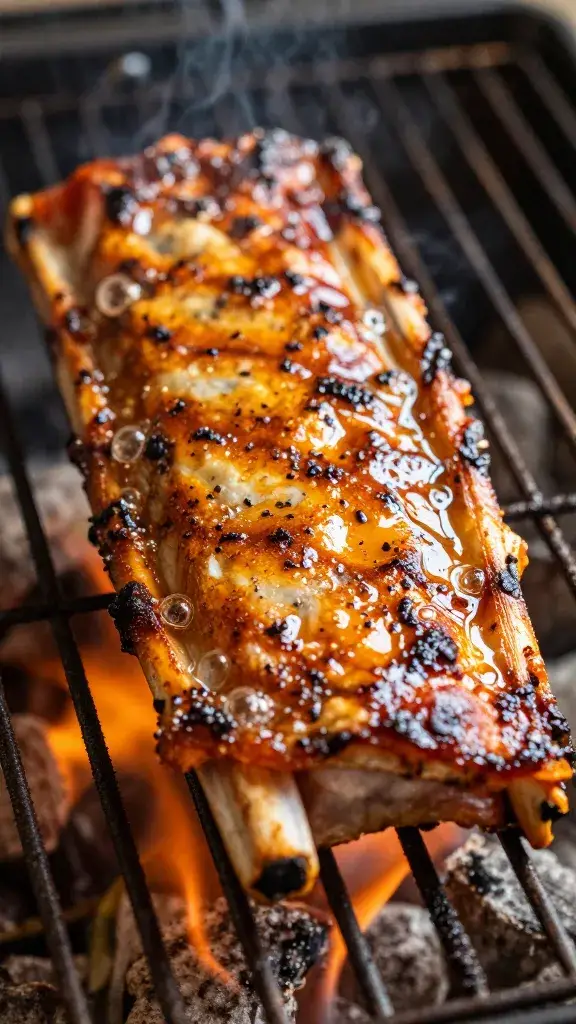
Alternative: Pellet grill or charcoal kettle at 275–300°F with mild smoke (apple or cherry) works beautifully.
Roast, Glaze, Repeat
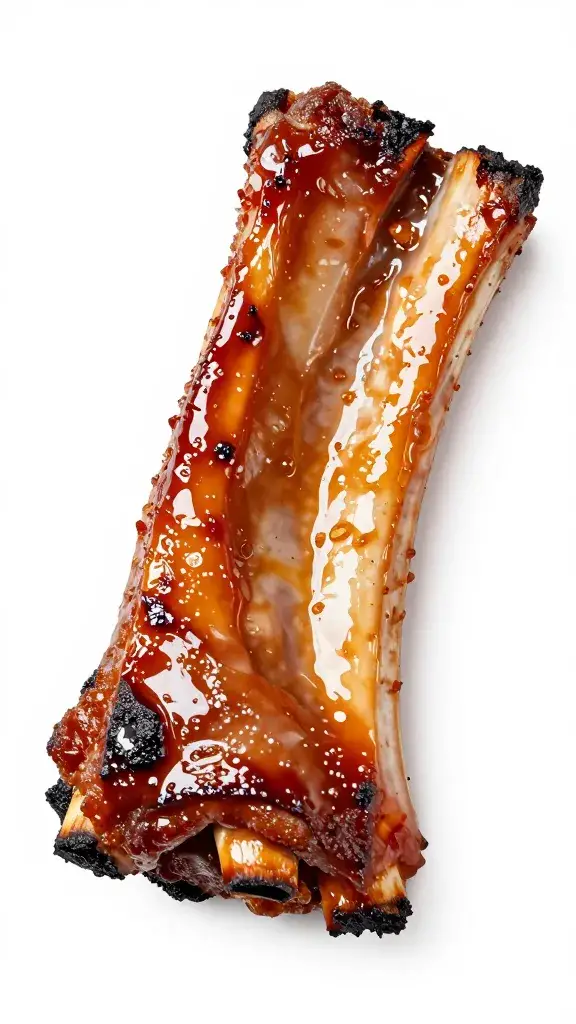
– Place ribs bone-side down on the rack.
– Roast at 300°F for 1.5 hours for baby backs (spares need closer to 2 hours).
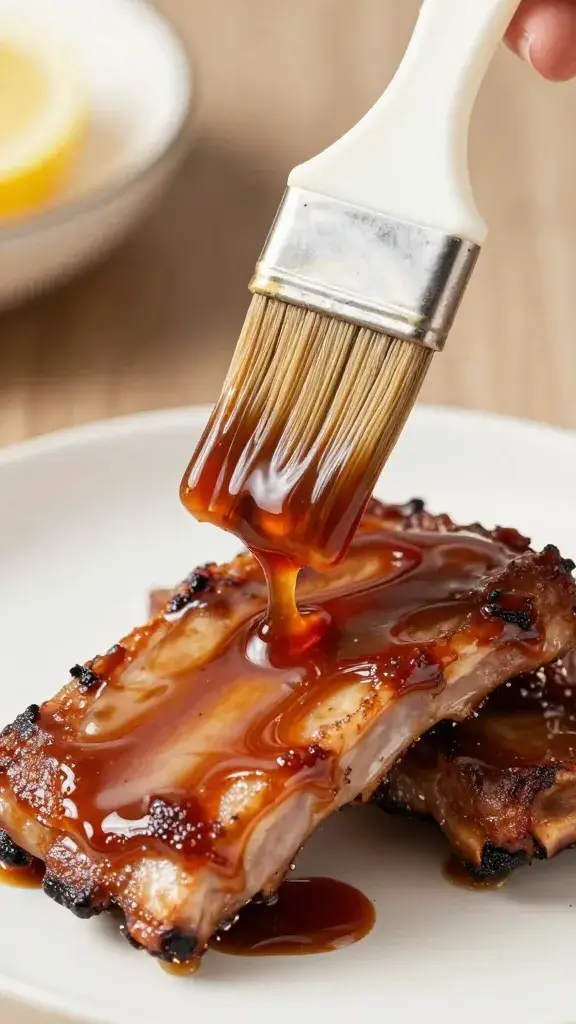
– Pull and brush on a thin coat of sauce. Return for 20 minutes.
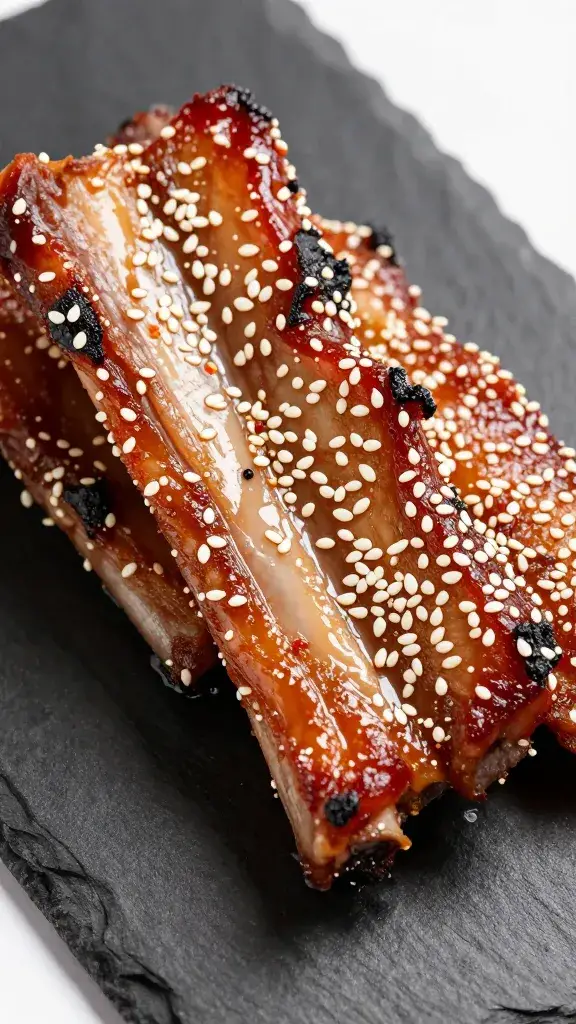
– Repeat glaze and roast 2 more times, every 15–20 minutes, until the surface looks glossy and slightly caramelized.
You want internal tenderness—meat should bend easily when you lift a rack with tongs. The edges should look a little tacky, not dry. If the glaze darkens too fast, tent loosely with foil.
The Final Broil (Shine Time)
Crank the broiler for 2–4 minutes to set the lacquer. Watch closely. Sugar turns from “gorgeous” to “oops” in 30 seconds flat.
Optional finish: Brush a whisper of warm honey or a 1:1 honey-water mix right after broiling for that restaurant gloss.
How to Nail the Char Siu Profile
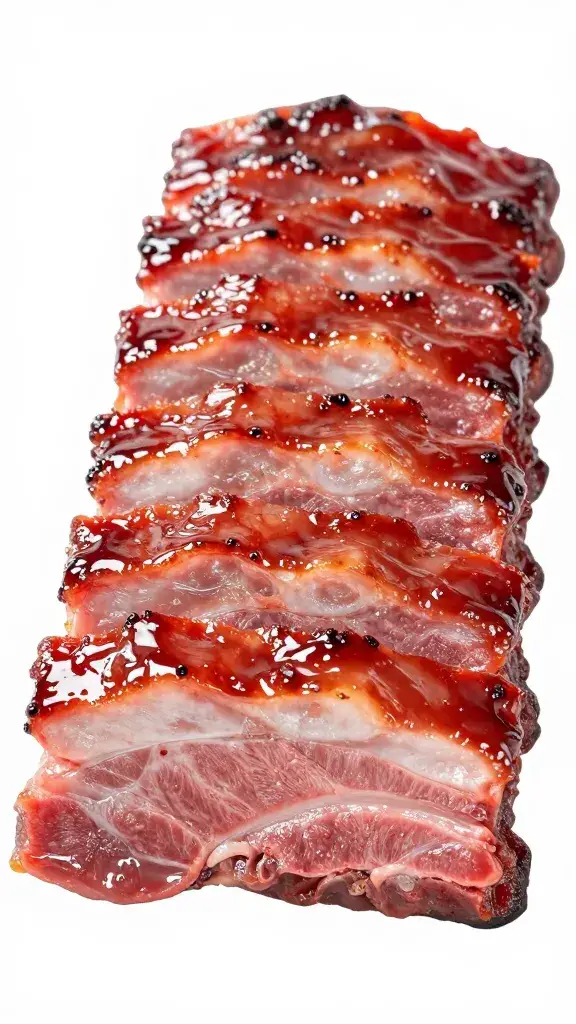
Getting the flavor right comes down to a few small tweaks. Here’s how to dial it:
- Sweetness: The style leans sweet, but don’t let it taste like candy. If it does, bump soy or vinegar by 1 tsp.
- Spice: Five-spice can dominate. Start with 1.5 tsp for 2 racks; add a pinch more only if you want more perfume.
- Umami depth: A teaspoon of oyster sauce or a dab of miso is not traditional, but it slaps.
- Color: Ketchup or red coloring adds that classic look. Optional. Your taste buds won’t care.
What If I Want Real Smoke?
– Run the first hour at 275–300°F over charcoal with a fist-sized chunk of fruit wood.
– Move to the oven for glazing cycles if you want control.
– Or keep it in the smoker and glaze gently near the end, watching for scorching.
Note: Smoke + hoisin = heaven, but smoke clings fast to sugar. Keep temps moderate.
Serving and Sides That Make Sense
Rest ribs for 10 minutes. Slice between bones with a sharp knife. Brush with a tiny bit more sauce if you want drama.
Garnish to wake it up:
- Sliced scallions
- Toasted sesame seeds
- Paper-thin red chilies or chili crisp drizzle if you like heat
Sides that play nice:
- Garlicky stir-fried greens (gai lan or bok choy)
- Steamed jasmine rice to soak the sauce
- Pickled cucumbers for crunch and acid
- Pineapple fried rice if you want sweet-savory synergy
Make It a Meal Prep Win
Cook, cool, and fridge the ribs. Reheat covered at 300°F for 10–15 minutes, then blast under the broiler 1–2 minutes to re-lacquer. The flavor actually deepens overnight—like pizza, but pork.
Common Mistakes (So You Don’t Make Them)
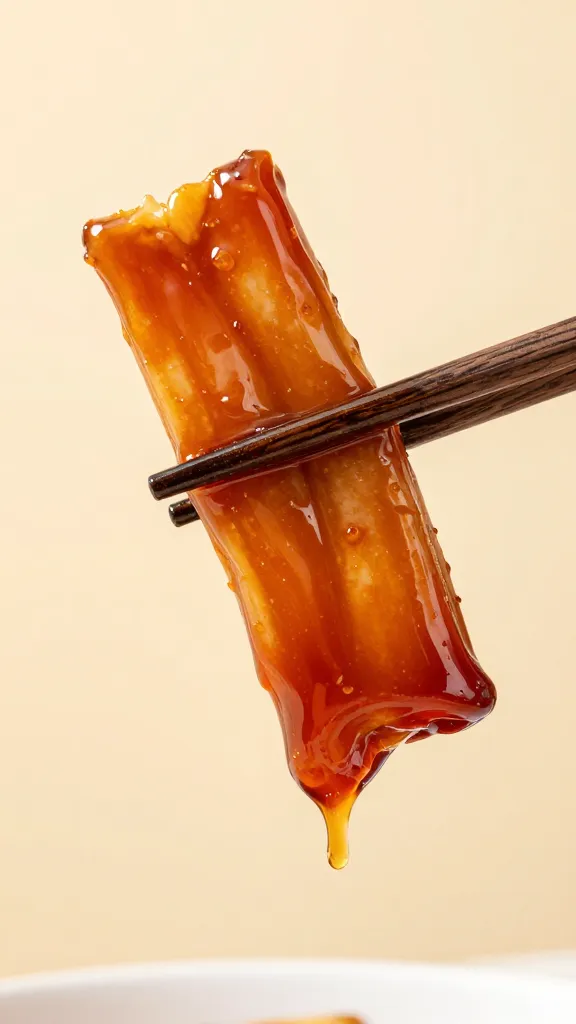
– Drowning in sauce too early: It burns. Glaze late, in layers.
– Skipping salt upfront: Light seasoning at the start = better base flavor.
– Five-spice overload: It turns medicinal fast. Measure it.
– High heat the whole time: You’ll scorch the sugars before the ribs turn tender.
FAQ
Can I use spare ribs instead of baby backs?
Absolutely. Spare ribs just need more time. Plan 2 to 2.5 hours before glazing cycles. Check bend and tenderness, not just the clock.
What if I can’t find Shaoxing wine?
Use dry sherry or even a splash of mirin plus a pinch of salt to keep balance. Worst case, skip it and lean on soy and a touch more vinegar for complexity.
How do I make this less sweet?
Cut honey by 1 tablespoon and add 1 extra teaspoon of soy and 1 teaspoon of rice vinegar. You keep the shine without the sugar rush.
Can I air-fry these?
Yes, in batches. Run 300–320°F until tender (they’ll cook faster—watch closely), then brush on thin glazes and finish at 350–375°F for a short set. Line the basket or you’ll be scrubbing caramel for days.
Do I need red food coloring?
Nope. Traditional char siu used red bean curd or red dye for that iconic look, but flavor matters more than color. If you want a hint of red, a teaspoon of ketchup does the trick subtly.
How spicy is this?
It’s aromatic, not hot. Five-spice brings warmth and perfume. If you crave heat, add chili crisp or a pinch of cayenne to the glaze, but go light so you don’t bulldoze the char siu vibe.
Bottom Line
You can get big char siu energy without a weekend project. Hoisin + five-spice does the heavy lifting, and smart glazing gives you that shiny, sticky finish. Keep the heat moderate, layer your sauce late, and serve with something crisp and green. FYI, IMO these ribs punch way above their effort level—and yeah, you’ll lick your fingers.