
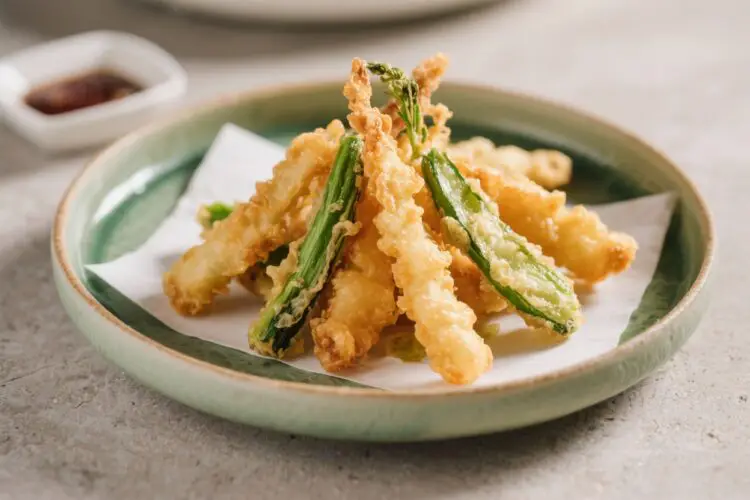
Spring vegetable tempura is the kind of snack-meets-meal that makes you pause and smile. It’s crisp, light, and full of delicate spring flavors—think tender asparagus, sweet carrots, and fresh peas locked in a whisper-thin, golden crust. There’s no heavy batter or greasy finish here.
Just clean textures and bright vegetables, plus a simple dipping sauce that brings it all together. If you’ve ever thought tempura is hard to make at home, this recipe will change your mind.
What Makes This Special
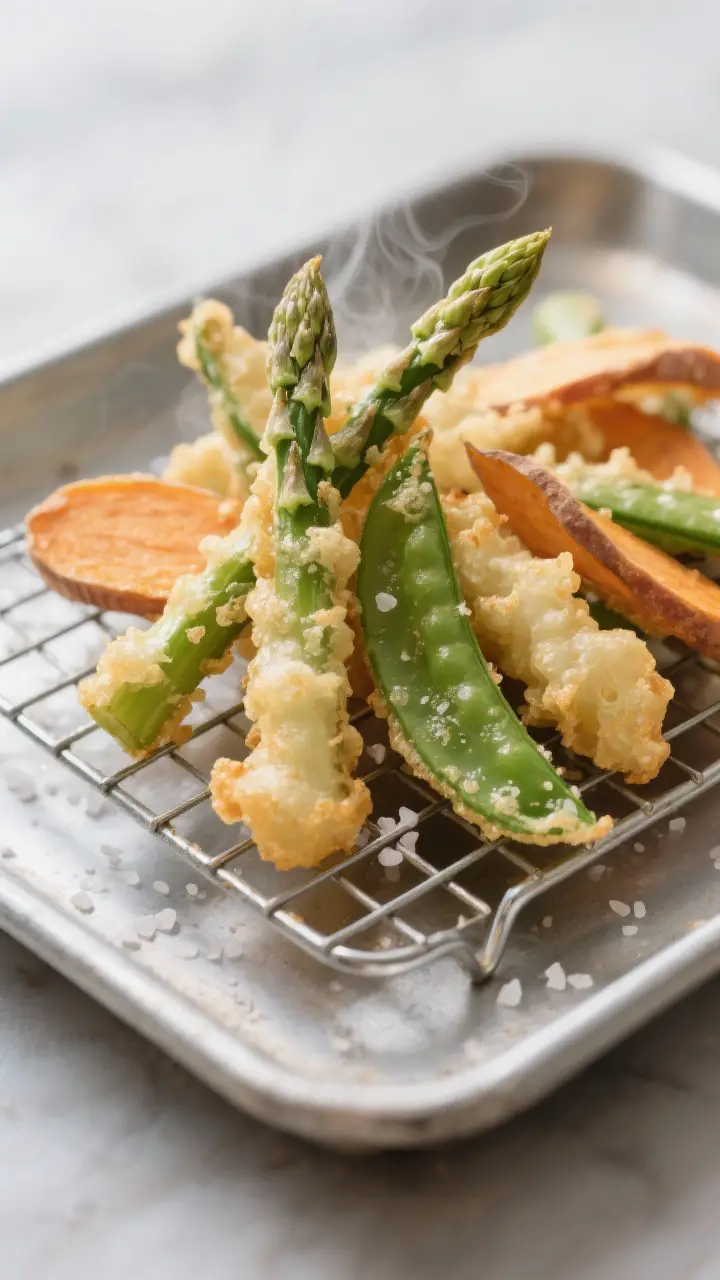
This tempura uses a light, cold batter that turns shatteringly crisp without weighing down the vegetables. By leaning into spring produce, you get natural sweetness and tenderness, perfect for quick frying.
The method is straightforward, and you’ll learn how to avoid soggy results with a few key tricks. Paired with a clean, umami-rich sauce, this is a plate that tastes restaurant-grade but feels homey and doable.
What You’ll Need
- Vegetables (choose 5–7): asparagus, snap peas, green beans, baby carrots (halved lengthwise), thinly sliced sweet potato, broccolini, spring onions (trimmed into 3-inch pieces), shiitake or oyster mushrooms, zucchini spears.
- Batter: 1 cup all-purpose flour (plus 2 tablespoons for dusting veggies), 1/2 cup rice flour (optional but recommended), 1 cup ice-cold sparkling water (or ice-cold still water), 1 large egg (cold), 1/2 teaspoon fine salt.
- Oil for frying: Neutral, high-heat oil like canola, peanut, or grapeseed (about 1.5–2 inches deep in your pot).
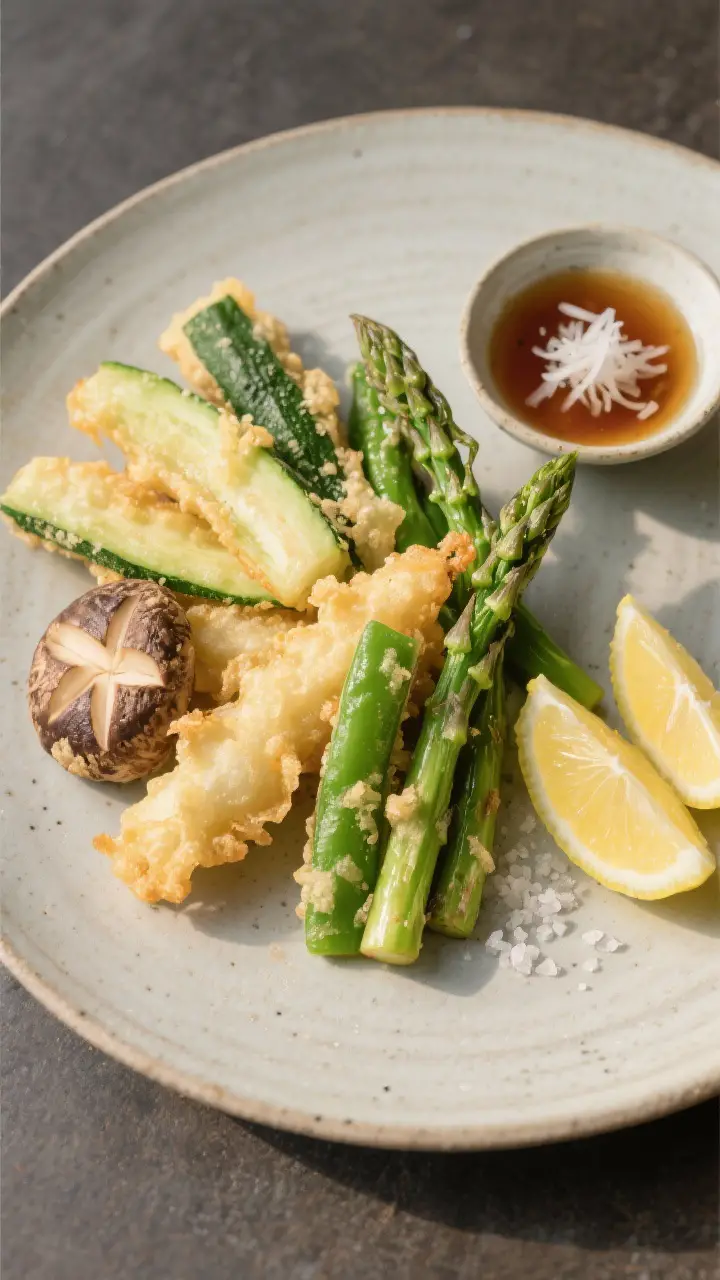
- Dipping sauce (tentsuyu-style): 1/2 cup dashi (or water with a pinch of instant dashi), 3 tablespoons soy sauce, 2 tablespoons mirin, 1 teaspoon sugar (optional). Grated daikon and a little grated ginger for serving, optional.
- To finish: Flaky salt or fine sea salt, lemon wedges.
- Tools: Heavy pot or deep skillet, thermometer, wire rack set over a sheet pan, chopsticks or tongs, mixing bowls, whisk or chopsticks for batter.
How to Make It
- Prep your vegetables. Wash, dry, and cut into uniform, bite-size pieces.
Keep everything dry; moisture causes splatter and soggy batter.
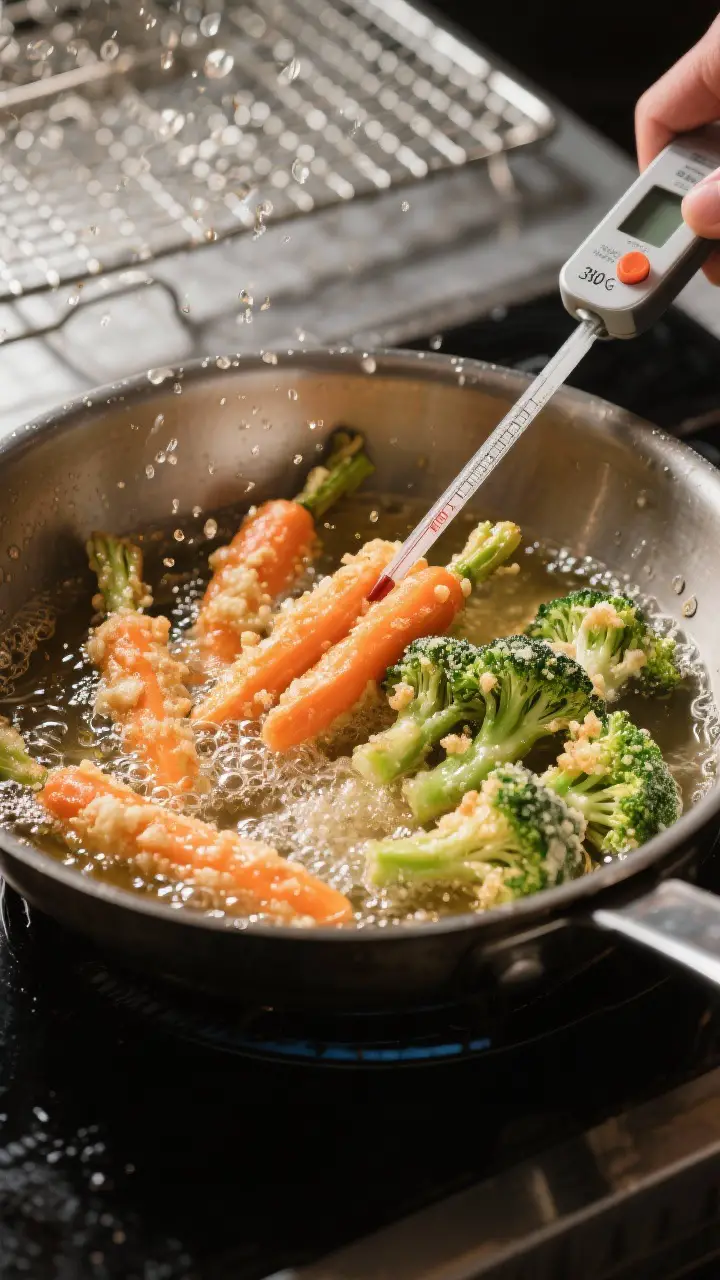
- Set up your frying station. Place a wire rack over a sheet pan. Fill a heavy pot with oil to about 1.5–2 inches. Heat to 340–360°F (170–182°C).
- Make the dipping sauce. In a small pot, combine dashi, soy sauce, mirin, and sugar.
Warm until the sugar dissolves, then keep it warm on low or set aside.
- Chill your batter ingredients. Put the egg, water, and even the flours in the fridge or freezer for a few minutes. Cold batter is key to a crisp result.
- Lightly dust the vegetables. Toss the prepared vegetables in 2 tablespoons of flour or rice flour. Shake off excess. This helps the batter cling.
- Mix the batter quickly. In a bowl, whisk the cold egg, then add the cold sparkling water.
Sift in the flours and salt. Stir with chopsticks or a fork just until combined. Leave small lumps; overmixing leads to heavy, bready tempura.
- Test the oil. A drop of batter should sink slightly, then float and sizzle within a second or two. Adjust heat to maintain 340–360°F.
- Fry in small batches. Dip a few vegetables into the batter, shake gently, and slide into the oil.
Don’t overcrowd. Fry 1–3 minutes depending on thickness, turning once, until pale golden and crisp.
- Drain and season. Transfer to the rack to drain. Sprinkle lightly with salt while hot.
Keep the first batches warm in a low oven (200°F/95°C) if needed.
- Serve right away. Pour the dipping sauce into small bowls. Add grated daikon and ginger if you like. Serve with lemon wedges for brightness.
How to Store
Tempura is best eaten fresh, within minutes of frying.
If you have leftovers, cool completely on a rack, then store in an airtight container in the fridge for up to 24 hours. To re-crisp, bake on a wire rack at 400°F (205°C) for 8–10 minutes. Avoid microwaving—it softens the crust.
The dipping sauce keeps in the fridge for 3–4 days.
Why This is Good for You
- Seasonal vegetables offer vitamins, fiber, and antioxidants when flavors are at their peak.
- Light batter and quick fry minimize oil absorption while preserving texture and nutrients.
- Balanced flavors from the dipping sauce let you keep salt low on the tempura itself.
- Customizable veggies mean you can include more greens, mushrooms, or beta-carotene-rich carrots and sweet potatoes.
Common Mistakes to Avoid
- Warm batter. If your batter isn’t cold, it absorbs oil and turns heavy. Keep a few ice cubes near your mixing bowl to chill the water if needed.
- Overmixing. Smooth batter equals tough crust. Stir briefly and leave it lumpy.
- Overcrowding the pot. Too many pieces drop the oil temperature and cause soggy, greasy results.
Fry in small batches.
- Skipping the dusting step. A light flour coat helps the batter stick evenly, especially on slippery vegetables like mushrooms or snap peas.
- Wrong oil temperature. Below 340°F creates oily tempura; above 360°F scorches the batter before the vegetables cook.
- Thick cuts. Large pieces won’t cook through quickly. Keep vegetables thin and uniform for tender insides and crisp exteriors.
Variations You Can Try
- Gluten-free: Use a blend of rice flour and cornstarch (50/50) instead of wheat flour. Keep the method the same.
- Vegan: Skip the egg and use extra-cold sparkling water.
Add a pinch of baking powder for lift. Use a vegan dashi or simple soy–ginger dipping sauce.
- Herb tempura: Fry parsley, shiso, or basil leaves. Dip quickly, fry for seconds, and salt lightly—great for garnish or snacking.
- Seafood mix-in: Add shrimp or white fish pieces to make it a fuller meal.
Fry seafood separately to manage cook times.
- Spicy finish: Serve with a sprinkle of togarashi or a side of yuzu kosho for a citrusy kick.
- Citrus batter twist: Add a few drops of lemon juice to the batter for a subtle brightness; don’t overdo it.
FAQ
Can I use plain water instead of sparkling water?
Yes. Ice-cold still water works fine. Sparkling water adds a touch of lightness, but temperature matters more than bubbles.
What’s the best oil for tempura?
Use a neutral, high-heat oil like canola, peanut, or grapeseed.
They stay stable at frying temperatures and won’t overpower the vegetables.
How thin should the batter be?
A little thinner than pancake batter—closer to heavy cream. It should coat the vegetables lightly and drip off in a thin sheet.
Do I need baking powder?
No. Classic tempura relies on cold batter and minimal mixing.
If you skip the egg or want extra lift, a small pinch is okay, but don’t overdo it.
Why is my tempura greasy?
The usual culprits are warm batter, low oil temperature, or overcrowding the pot. Keep everything cold, fry at 340–360°F, and work in small batches.
Can I make the batter ahead?
It’s best made right before frying. If you must prep ahead, mix the dry ingredients and chill the liquid separately.
Combine just before cooking.
What vegetables work best?
Tender, quick-cooking vegetables like asparagus tips, snap peas, thin carrot sticks, zucchini, mushrooms, and thinly sliced sweet potato. Avoid very watery vegetables unless you pat them dry well.
How do I keep the first batch warm?
Place fried pieces on a wire rack in a 200°F (95°C) oven. Avoid covering or stacking; steam will soften the crust.
Wrapping Up
Spring vegetable tempura is all about technique and timing, not complexity.
Keep the batter cold, the oil hot, and your batches small. With those simple rules, you’ll get light, crisp pieces that let the vegetables shine. Serve with a clean dipping sauce and a squeeze of lemon, and enjoy the crunch while it’s at its peak.