
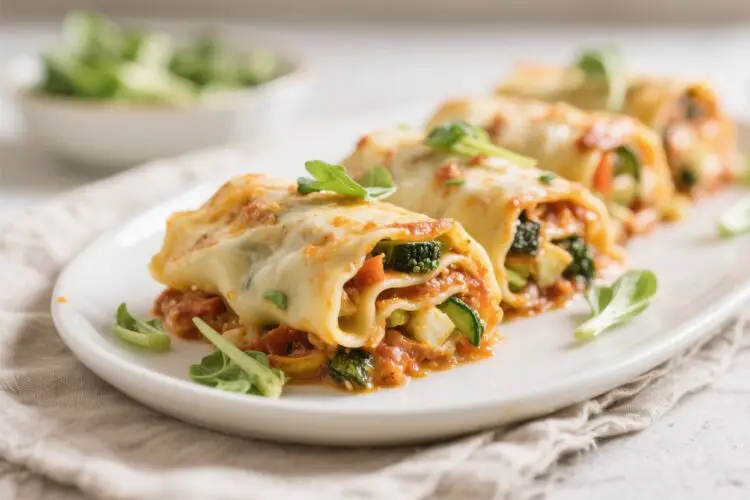
Spring vegetables deserve a spotlight, and these lasagna rolls let them shine. This dish keeps all the cozy comfort of classic lasagna but lightens things up with tender greens, creamy ricotta, and a bright lemony note. It’s weeknight-friendly, make-ahead friendly, and a crowd-pleaser for both vegetarians and meat lovers.
The rolls bake up bubbly, slice cleanly, and look beautiful on the plate. If you’re craving something satisfying without the heaviness, this is the recipe to make.
Why This Recipe Works
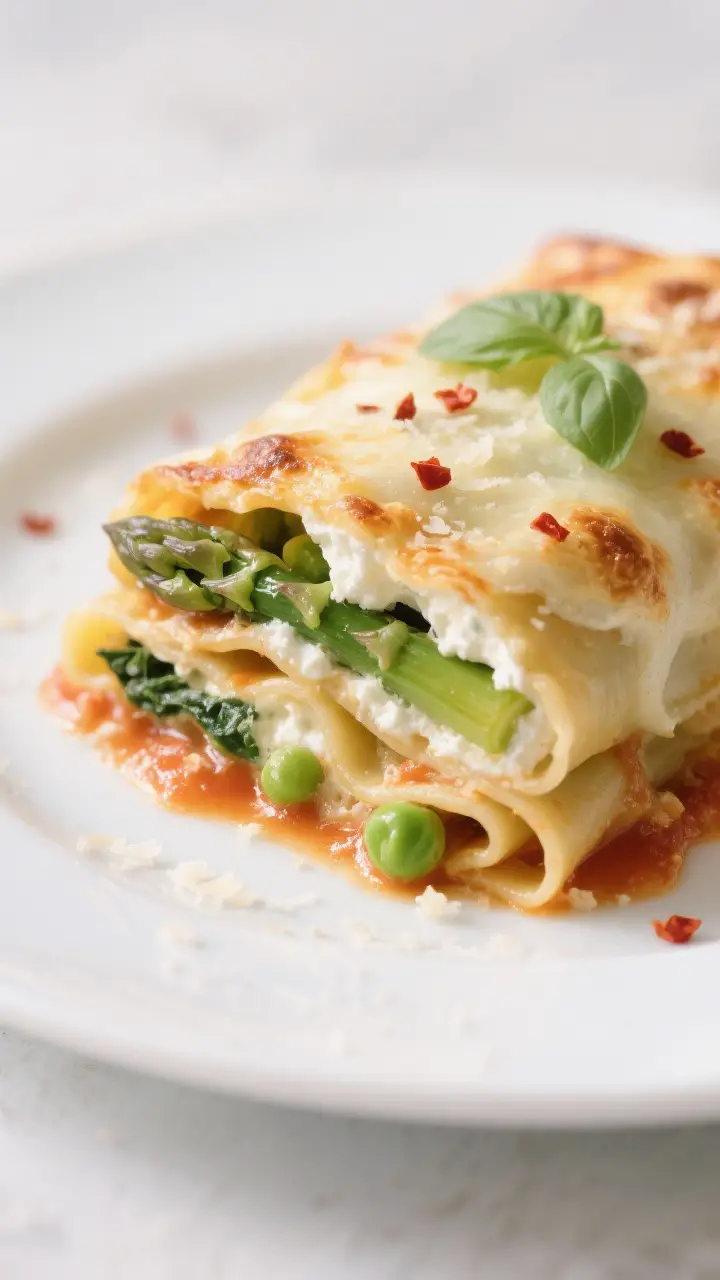
Lasagna rolls combine the best parts of lasagna—cheesy layers and rich sauce—into tidy, individual portions. The rolling method keeps fillings from sliding around and helps the pasta cook evenly.
Spring vegetables like asparagus, spinach, peas, and leeks bring color and a mild sweetness that pairs well with tangy ricotta and Parmesan. A touch of lemon zest wakes everything up without overpowering. It’s simple, fresh, and balanced—exactly what you want from a spring dinner.
What You’ll Need
- Lasagna noodles: 12–14 sheets, regular or no-boil.
Choose flat-edged noodles for easier rolling.
- Ricotta cheese: 1 1/2 cups, whole milk for creaminess.
- Shredded mozzarella: 2 cups, divided.
- Grated Parmesan or Pecorino: 1/2 cup, plus more for topping.
- Egg: 1 large, to bind the filling.
- Fresh spinach: 4 cups (about 5 ounces), wilted and squeezed dry.
- Asparagus: 1 bunch, trimmed and cut into 1/2-inch pieces.
- Leek: 1 large, white and light green parts only, thinly sliced (or 1 small onion).
- Peas: 1 cup, fresh or frozen.
- Garlic: 3 cloves, minced.
- Lemon: Zest of 1, plus 1–2 tablespoons juice.
- Olive oil: 2 tablespoons.
- Fresh herbs: 2 tablespoons chopped basil, parsley, or mint (optional but lovely).
- Nutmeg: A small pinch (optional) for the ricotta.
- Salt and black pepper: To taste.
- Marinara or light tomato sauce: 2 cups, or use a light béchamel if you prefer.
- Red pepper flakes: Pinch for heat (optional).
Instructions
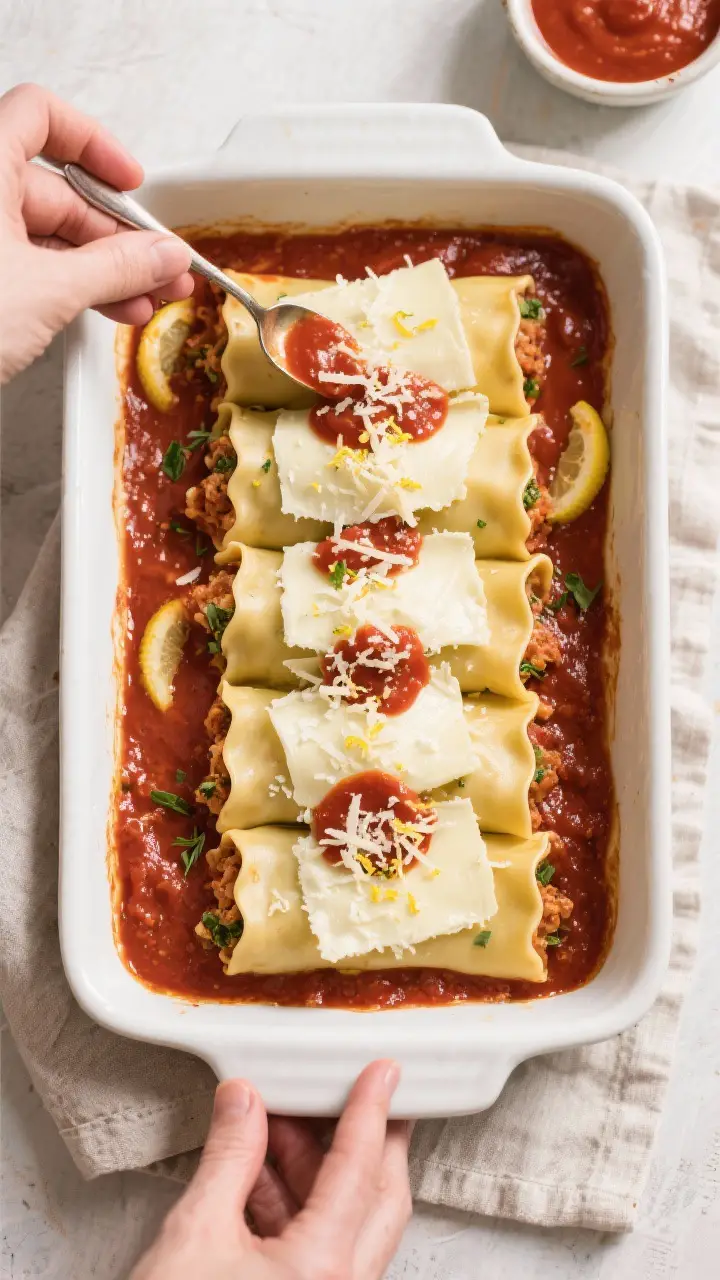
- Preheat and prep. Heat your oven to 375°F (190°C). Lightly oil a 9×13-inch baking dish and spread 1/2 cup sauce across the bottom.
- Cook the noodles. Boil lasagna noodles in salted water until just shy of al dente. Drain and lay them flat on a lightly oiled sheet pan or clean towels so they don’t stick.
If using no-boil noodles, soften briefly in warm water until pliable.
- Sauté the vegetables. Warm olive oil in a large skillet over medium heat. Add leeks with a pinch of salt and cook until softened, 5–6 minutes. Stir in asparagus, cook 2–3 minutes, then add garlic and peas.
Cook 1–2 minutes more until bright and tender. Set aside to cool slightly.
- Wilt the spinach. In the same pan, add the spinach with a splash of water and cook until wilted. Transfer to a colander and press out excess moisture.
Chop finely.
- Mix the cheese filling. In a bowl, combine ricotta, 1 cup mozzarella, Parmesan, egg, lemon zest, nutmeg, herbs (if using), 1/2 teaspoon salt, and several grinds of pepper. Fold in the chopped spinach and half of the sautéed vegetables. Taste and adjust seasoning with salt, pepper, and a squeeze of lemon juice.
- Assemble the rolls. Lay a noodle flat.
Spread 2–3 tablespoons of the ricotta mixture evenly over it, leaving a small border at the ends. Sprinkle a few of the remaining sautéed vegetables over top. Starting at the short end, roll gently but snugly.
Repeat with all noodles.
- Arrange in the dish. Place each roll seam side down in the sauced baking dish. Spoon the remaining sauce over the tops, covering the noodles so they don’t dry out.
- Top with cheese. Sprinkle the remaining mozzarella and a little extra Parmesan over the rolls. Add a pinch of red pepper flakes if you like.
- Bake. Cover loosely with foil and bake for 20 minutes.
Remove foil and bake another 10–15 minutes, until bubbling and lightly golden.
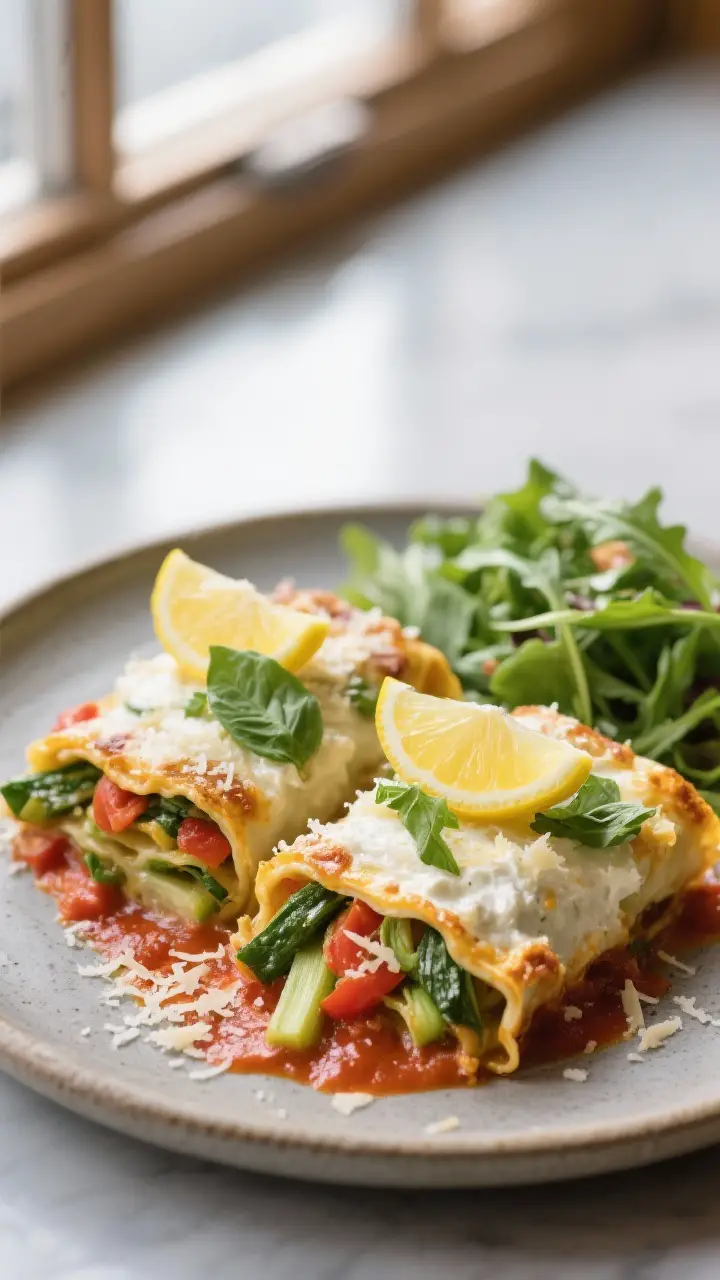
- Finish and serve. Let rest 5–10 minutes so the rolls set. Add a splash of lemon juice and scatter fresh herbs on top. Serve 2–3 rolls per person with a crisp salad.
How to Store
- Refrigerate: Cool completely, then store in an airtight container for up to 4 days.
- Freeze: Wrap individual rolls tightly in foil or place in freezer-safe containers.
Freeze up to 2 months. Thaw overnight in the fridge for best texture.
- Reheat: Oven at 350°F (175°C) for 15–20 minutes, covered. For quick reheating, microwave in 30-second bursts until hot, then let sit 1–2 minutes.
- Make-ahead: Assemble up to 24 hours in advance and refrigerate.
Add 5–10 extra minutes to the bake time.
Health Benefits
- Veg-forward: Asparagus, spinach, peas, and leeks add fiber, vitamins A, C, K, and folate, plus plant compounds that support overall health.
- Protein and calcium: Ricotta and mozzarella provide a satisfying dose of protein and calcium for bone health.
- Lighter profile: Using a light tomato sauce, fresh herbs, and lemon keeps the dish bright and not overly heavy.
- Customizable: You can lower sodium by choosing low-salt sauces and cheeses, and boost fiber by serving with a hearty side salad or using whole-wheat noodles.
Pitfalls to Watch Out For
- Watery filling: Squeeze spinach very well and don’t overcook the vegetables. Excess moisture can make the rolls soggy.
- Overcooked noodles: Boil to just shy of al dente so they hold up during baking and rolling.
- Dry tops: Make sure sauce covers the noodles, especially the edges, and keep the dish covered for the first part of baking.
- Bland flavor: Season each component—pasta water, veggies, and cheese mixture. Don’t skip lemon zest or herbs.
- Filling spill-out: Don’t overfill and roll gently.
A thin, even layer works best.
Variations You Can Try
- White sauce version: Swap marinara for a light béchamel or a garlic-infused Alfredo for a creamier finish.
- Goat cheese boost: Replace 1/3 of the ricotta with soft goat cheese for tang.
- Whole-wheat noodles: Add nutty flavor and extra fiber.
- Protein add-ins: Stir in sautéed mushrooms, white beans, or shredded rotisserie chicken for more protein.
- Spicy spring: Add Calabrian chili paste or more red pepper flakes to the sauce.
- Zucchini ribbons: Layer thinly shaved zucchini into the rolls for added texture.
- Pesto swirl: Spread a teaspoon of basil pesto over the ricotta before rolling for an herby kick.
- Dairy-light: Use part-skim ricotta, reduce mozzarella, and lean on herbs and lemon for flavor.
FAQ
Can I use no-boil lasagna noodles?
Yes. Soften them in warm water until flexible, then proceed as directed. They may cook a touch faster, so keep an eye on the baking time.
What can I substitute for asparagus?
Try broccolini, thin green beans, or chopped zucchini.
Keep pieces small and cook briefly so they stay crisp-tender.
How do I prevent the rolls from sticking to the dish?
Spread a layer of sauce on the bottom and place the rolls seam side down. A light oiling of the dish also helps.
Can I make this gluten-free?
Use gluten-free lasagna sheets and check that your sauce and cheeses are gluten-free. Handle GF noodles gently as they can be more delicate.
Is there a way to make it vegan?
Use vegan ricotta (tofu or almond-based), dairy-free mozzarella, and a plant-based Parmesan-style topping.
Skip the egg and add 1–2 tablespoons nutritional yeast for flavor, plus a tablespoon of olive oil to help bind.
Why add lemon zest?
Lemon zest brightens the creamy filling and complements spring vegetables. It adds freshness without extra liquid.
Can I assemble and freeze before baking?
Yes. Assemble the rolls, place them in a freezer-safe dish, and cover tightly.
Bake from thawed for the best texture, adding extra time as needed.
How many rolls per serving?
Plan on 2–3 rolls per person, depending on appetite and sides.
What side dishes pair well?
A simple arugula salad with lemon vinaigrette, roasted carrots, or a bowl of tomato-basil soup complements the flavors nicely.
How do I reheat without drying them out?
Cover with foil and add a spoonful of extra sauce or a splash of water. Warm in a 350°F oven until heated through.
Final Thoughts
Spring Vegetable Lasagna Rolls bring together bright flavors, creamy comfort, and an eye-catching presentation. They’re easy to assemble, simple to adapt, and perfect for meal prep or entertaining.
With a few pantry staples and a handful of fresh produce, you’ll have a vibrant dinner that feels special but doesn’t demand much fuss. Keep this one in your rotation—spring or not, it always hits the spot.