
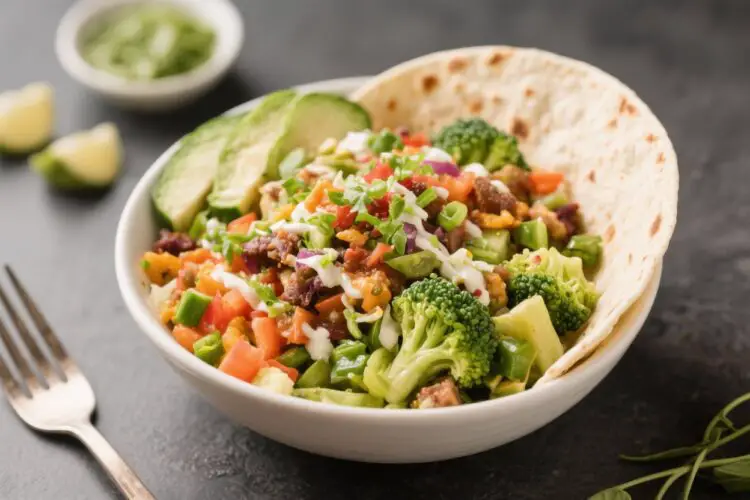
Spring vegetables have a way of waking up your taste buds. This burrito bowl captures that crisp, green energy while still feeling cozy and filling. It’s the kind of meal you can throw together on a weeknight and happily serve to guests on the weekend.
Everything is simple, seasonal, and colorful. You’ll get tender grains, crunchy veggies, creamy toppings, and the zippy flavor that makes a bowl feel complete.
Why This Recipe Works
This spring vegetable burrito bowl balances textures and flavors so every bite feels interesting. The warm base of rice or quinoa grounds the fresh vegetables, while black beans add protein and fiber.
Bright accents—like lime, herbs, and a quick yogurt-lime sauce—pull it all together. It’s flexible, affordable, and easy to prep ahead, which makes it a reliable go-to for busy days.
Ingredients
- 1 cup uncooked brown rice or quinoa
- 1 can (15 oz) black beans, drained and rinsed
- 1 cup asparagus, trimmed and cut into 1-inch pieces
- 1 cup sugar snap peas or peas
- 1 small zucchini, diced
- 1 ear corn, kernels removed (or 1 cup frozen corn, thawed)
- 1 small red onion, thinly sliced
- 1 cup cherry tomatoes, halved
- 1 avocado, diced
- 2 cups baby spinach or chopped romaine
- 1/2 cup fresh cilantro, chopped (plus extra for garnish)
- 1 jalapeño, thinly sliced (optional)
- 2 tablespoons olive oil, divided
- 1 teaspoon ground cumin
- 1 teaspoon smoked paprika
- 1/2 teaspoon chili powder (adjust to taste)
- 1 lime, zested and juiced (plus extra wedges for serving)
- Salt and black pepper, to taste
- 1/2 cup plain Greek yogurt or sour cream
- 2 tablespoons crumbled feta or cotija (optional)
- Hot sauce or salsa, for serving
How to Make It
- Cook the grains. Rinse the rice or quinoa. Cook according to package directions until tender.
Fluff with a fork and set aside. Stir in a squeeze of lime and a pinch of salt for extra flavor.
- Prep the vegetables. Trim and chop the asparagus, snap peas, zucchini, and onion. Halve the tomatoes and dice the avocado.
Keep spinach or romaine ready for layering.
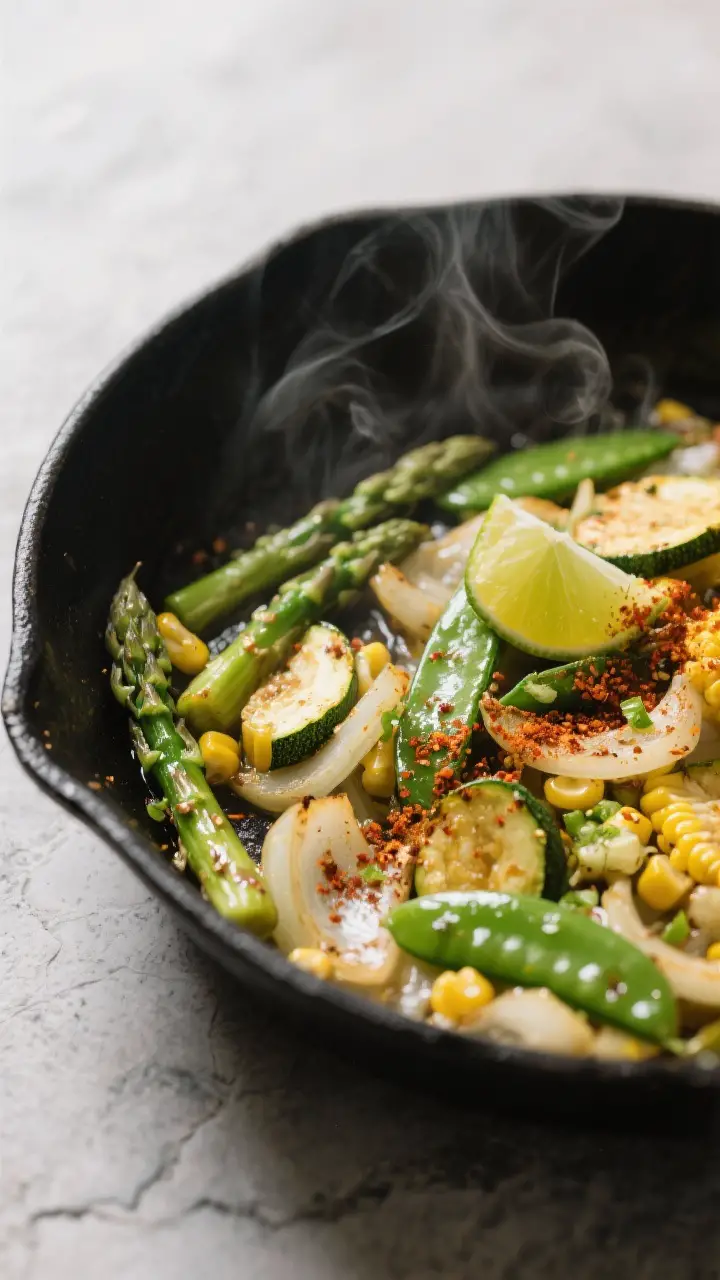
- Sauté the spring veg. Heat 1 tablespoon olive oil in a large skillet over medium-high heat. Add onion and zucchini with a pinch of salt. Cook 3–4 minutes until softened.
Add asparagus, snap peas, and corn. Cook another 3–4 minutes until crisp-tender.
- Season the skillet. Sprinkle cumin, smoked paprika, and chili powder over the vegetables. Toss to coat and cook 30–60 seconds until fragrant.
Finish with half the lime juice and a little zest. Season with salt and pepper.
- Warm the beans. In a small pot, heat the black beans with a splash of water, a pinch of salt, and the remaining tablespoon of olive oil. Keep warm on low.
If you like, add a pinch of cumin.
- Make the quick sauce. In a bowl, whisk Greek yogurt with the remaining lime juice and zest. Season with salt and pepper. Thin with a teaspoon of water if needed to drizzle.
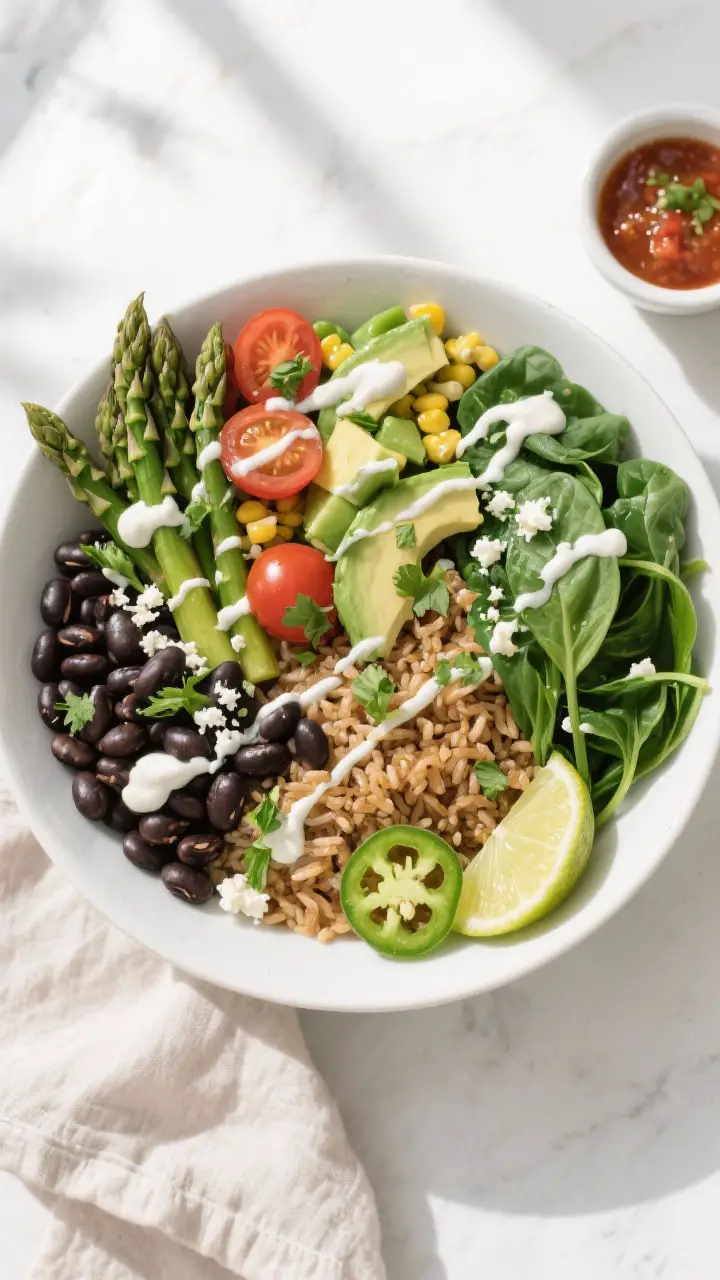
- Assemble the bowls. Add a base of rice or quinoa.
Top with a handful of spinach or romaine. Spoon on the warm beans and the sautéed vegetables. Add cherry tomatoes, avocado, cilantro, and jalapeño if using.
- Finish with toppings. Drizzle the lime-yogurt sauce over the top.
Add feta or cotija if you like. Serve with lime wedges, salsa, and hot sauce. Taste and adjust salt, pepper, and lime.
Storage Instructions
- Keep components separate. Store grains, beans, sautéed vegetables, and toppings in separate containers.
This keeps textures crisp.
- Refrigeration. Grains and beans will keep 4–5 days. Sautéed vegetables keep 3–4 days. Avocado and fresh tomatoes are best added right before eating.
- Reheating. Reheat grains and beans in the microwave with a splash of water to prevent drying.
Warm vegetables lightly to keep them crisp-tender.
- Freezing. Freeze cooked grains and beans up to 2 months. Do not freeze the fresh vegetables, avocado, or yogurt sauce.
- Meal prep tip. Mix the yogurt-lime sauce up to 4 days ahead and store in a sealed jar.
Health Benefits
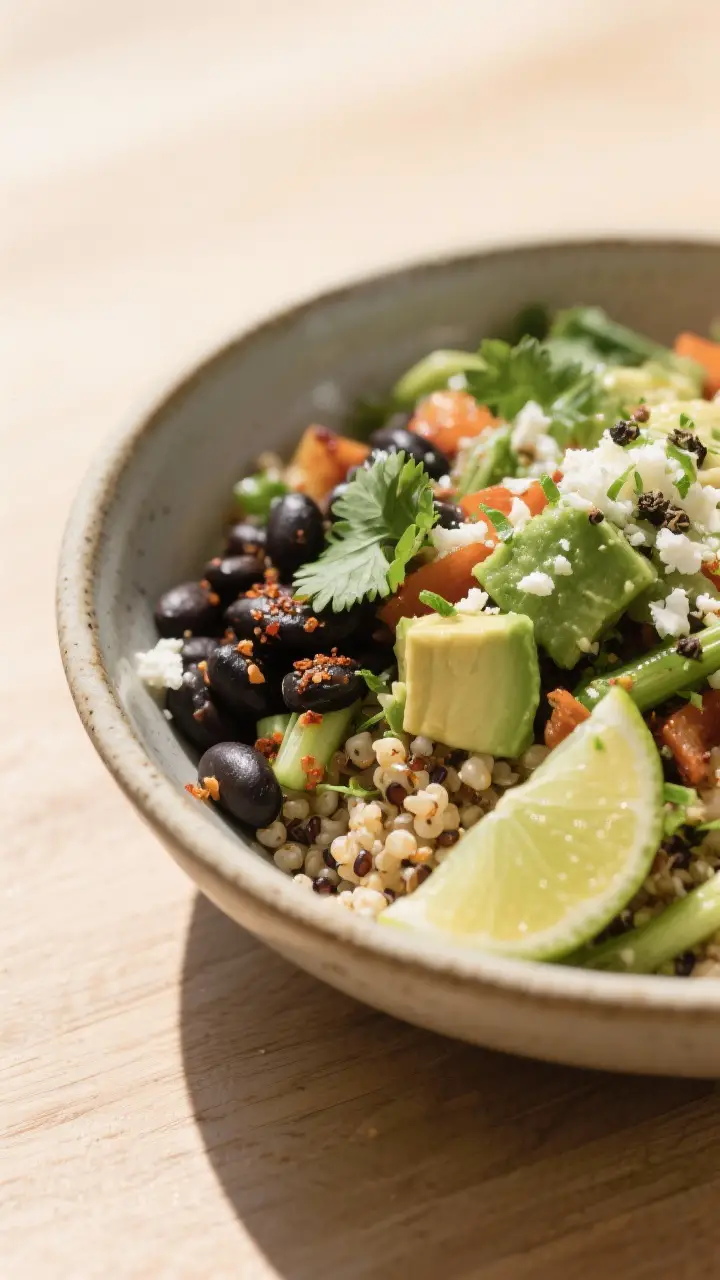
- Fiber-rich base. Brown rice or quinoa plus black beans provide fiber that supports digestion and keeps you full longer.
- Protein balance. Black beans and Greek yogurt add plant-based and dairy protein. Quinoa also contributes complete protein.
- Micronutrient boost. Asparagus, peas, and spinach deliver folate, vitamin K, and iron, while tomatoes and peppers add vitamin C.
- Healthy fats. Avocado and olive oil offer heart-healthy monounsaturated fats that help absorb fat-soluble vitamins.
- Reduced sodium control. Making it at home lets you season to taste and keep sodium in check.
Common Mistakes to Avoid
- Overcooking the vegetables. Spring vegetables should stay bright and slightly crisp.
Cook just until tender for the best texture and color.
- Skipping acid. A squeeze of lime brings everything to life. Without it, the bowl can taste flat.
- Not seasoning each layer. Add a little salt and pepper to the grains, beans, and vegetables. Layered seasoning equals better flavor.
- Soggy bowls from early assembly. Do not add avocado, tomatoes, or sauce too far ahead.
Assemble just before serving.
- Forgetting texture contrast. Include something creamy (avocado or yogurt sauce) and something crunchy (snap peas or romaine) for a satisfying bite.
Alternatives
- Grain swaps. Try farro, cauliflower rice, or a mix of brown rice and quinoa for variety.
- Beans and proteins. Use pinto beans, chickpeas, grilled chicken, or sautéed shrimp. For extra plant protein, add marinated tofu or tempeh.
- Seasonal vegetables. Replace asparagus and peas with broccoli, bell peppers, or roasted sweet potato if spring produce isn’t available.
- Dairy-free. Use a cashew-lime crema or a simple olive oil–lime dressing instead of yogurt. Skip the cheese.
- Spice it up. Add chipotle powder, pickled jalapeños, or a spoonful of adobo sauce for smoky heat.
- Herby twist. Swap cilantro for parsley or basil, or add mint for a fresh spring note.
FAQ
Can I make this bowl ahead for lunches?
Yes.
Pack grains, beans, and sautéed vegetables together, and keep fresh toppings (avocado, tomatoes, greens) separate. Add sauce right before eating for the best texture.
What’s the best way to keep avocado from browning?
Toss diced avocado with lime juice and a pinch of salt, then store in an airtight container with plastic wrap pressed against the surface. Or slice fresh just before serving.
Is this recipe gluten-free?
It is naturally gluten-free if you use rice or quinoa and check that your spices and beans are certified gluten-free.
Always verify packaged ingredients to be safe.
How can I add more protein?
Double the beans, use quinoa as the base, and top with grilled chicken, shrimp, or tofu. A sprinkle of pumpkin seeds also adds protein and crunch.
Can I serve this warm or cold?
Both work. Warm grains and vegetables make it cozy, while a chilled version feels fresh and picnic-friendly.
Adjust seasoning and lime to taste either way.
What if I don’t like cilantro?
Use parsley or basil. You’ll still get freshness without the distinctive cilantro flavor.
How spicy is this?
Mild as written. Increase chili powder, add jalapeño, or finish with hot sauce if you want more heat.
Can I roast the vegetables instead of sautéing?
Yes.
Toss vegetables with olive oil, salt, and spices, then roast at 425°F (220°C) for 12–15 minutes until tender and lightly charred. Finish with lime juice.
Wrapping Up
This Spring Vegetable Burrito Bowl is bright, flexible, and fast enough for weeknights. With crisp-tender veggies, hearty beans, and a tangy sauce, it checks all the boxes for flavor and balance.
Mix and match ingredients based on what’s in season or in your fridge. Keep the lime handy, season each layer, and enjoy a bowl that feels fresh every time you make it.
Printable Recipe Card
Want just the essential recipe details without scrolling through the article? Get our printable recipe card with just the ingredients and instructions.