
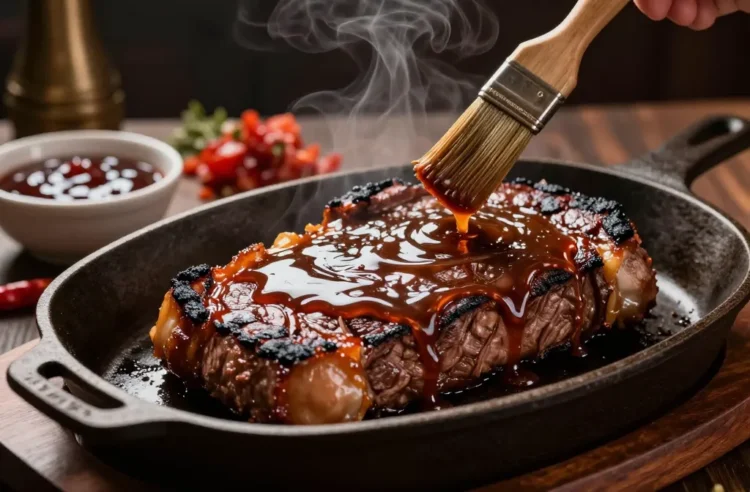
If the words “Monkey Gland Sauce” make you do a double take, good. That’s the point. This South African steakhouse classic wears chaos on its sleeve—a sweet-savory-spicy glaze that slaps grilled meat with big flavor and zero shame. No monkeys, no glands, just a sauce that hustles harder than ketchup at a braai. Curious? You should be.
What Exactly Is Monkey Gland Sauce?
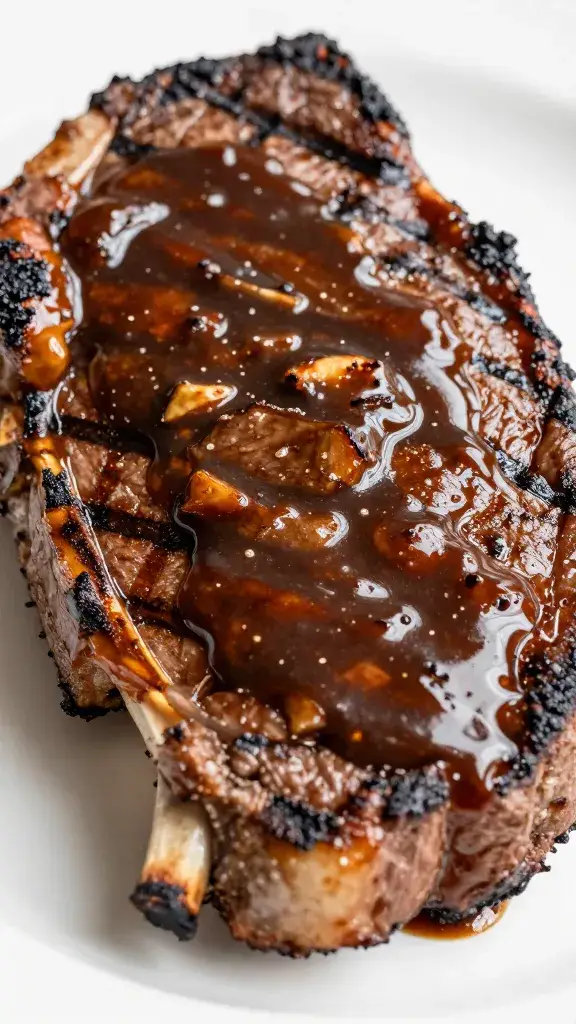
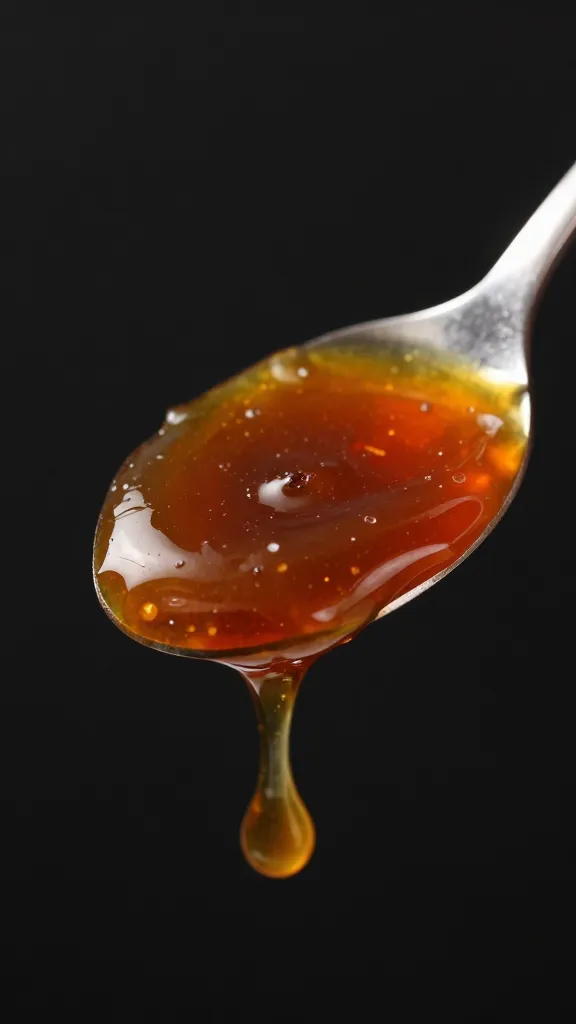
Monkey Gland is a retro South African steakhouse sauce that mixes fruit, tomato, and spice into a glossy, sticky glaze. Think of it as the lovechild of barbecue sauce, chutney, and a cheeky dash of hot sauce. Restaurants slather it on steaks, burgers, ribs, and even fries because it sticks, caramelizes, and makes everything taste like a throwback Friday.
The flavor hits multiple notes at once: fruity sweetness, tangy tomato, mild heat, and a gentle umami thump. It feels familiar but also wild—like ketchup got promoted and started wearing leather.
That Wild Name: Where Did It Come From?
Here’s the tea. The name comes from a 1920s global obsession with “rejuvenation” treatments using monkey glands. Yes, really. South African restaurateurs leaned into the craze with a wink and dubbed their crowd-pleasing steak sauce “Monkey Gland.” It sounded scandalous and guaranteed attention.
FYI: No Monkeys Were Harmed
Despite the name, there’s zero animal weirdness in the recipe. It’s pantry staples, not mad science. The only thing getting experimented on is your taste buds.
Core Flavors: What Makes It Tick
You can tweak Monkey Gland Sauce endlessly, but the backbone stays the same. You want fruity sweetness, tangy tomato, and a sticky, glossy finish. Here’s your flavor blueprint:
- Tomato base: Ketchup or canned tomato sauce gives body and tang.
- Fruit component: Peach or apricot chutney is non-negotiable for that jammy sweetness.
- Acid and zing: Worcestershire and vinegar add depth and snap.
- Heat: Hot sauce or chili flakes bring gentle fire (crank it if you like drama).
- Aromatics: Onion and garlic make it smell like a steakhouse from across the street.
- Sugar: Brown sugar or molasses helps with lacquer and caramelization.
IMO: Apricot > Peach
Both work, but apricot gives a slightly tarter, more “grown-up” sweetness that plays nicer with charred meat. Peach leans dessert-y. Choose your fighter.
How to Make Monkey Gland Sauce at Home
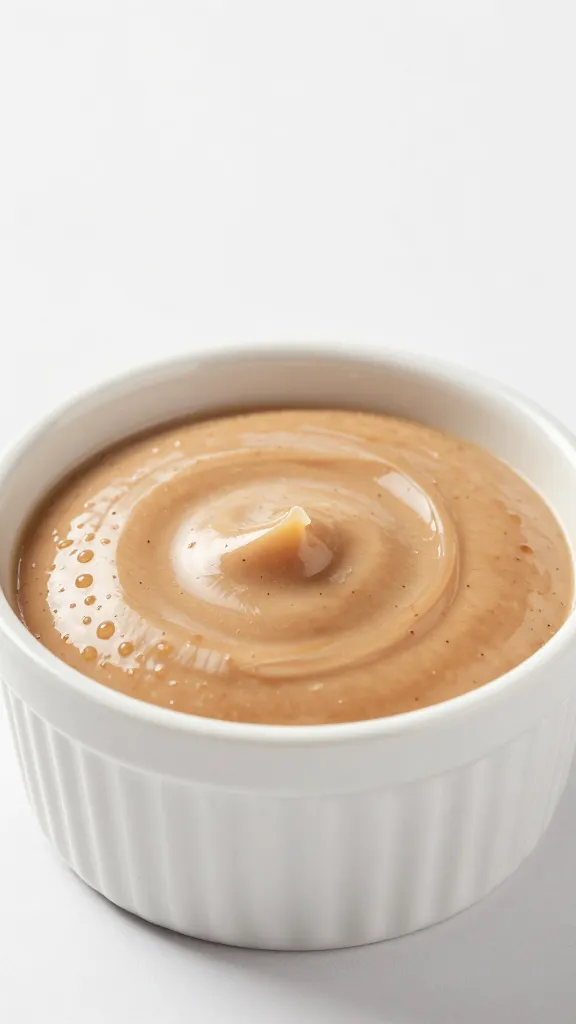
You can nail this in 20 minutes with a saucepan and a spoon. Here’s a reliable version that won’t start family arguments:
- Sweat the aromatics: Sauté a small chopped onion in a splash of oil until soft. Add 2 minced garlic cloves for 30 seconds.
- Build the body: Stir in 1/2 cup ketchup and 1/2 cup apricot chutney. Add 2 tablespoons Worcestershire and 1 tablespoon vinegar (apple cider or white).
- Sweet and heat: Add 1 tablespoon brown sugar and 1–2 teaspoons hot sauce. Toss in a pinch of chili flakes if you like.
- Simmer: Let it bubble gently for 10–12 minutes, stirring so it doesn’t catch. You want a spoon-coating thickness.
- Taste and tweak: Need more tang? Add vinegar. Need more punch? More Worcestershire. Too thick? Splash of water. Too tame? Hot sauce, baby.
Pro tip: Blend it for a silky, steakhouse vibe. Leave it chunky if you like texture. Both are legit.
Optional Upgrades
– A shot of brandy or bourbon while it simmers for a boozy, rounded sweetness
– A teaspoon of Dijon to soften the sugary edges
– A knob of butter swirled in at the end for restaurant-style gloss
How to Use It (Beyond Steak)
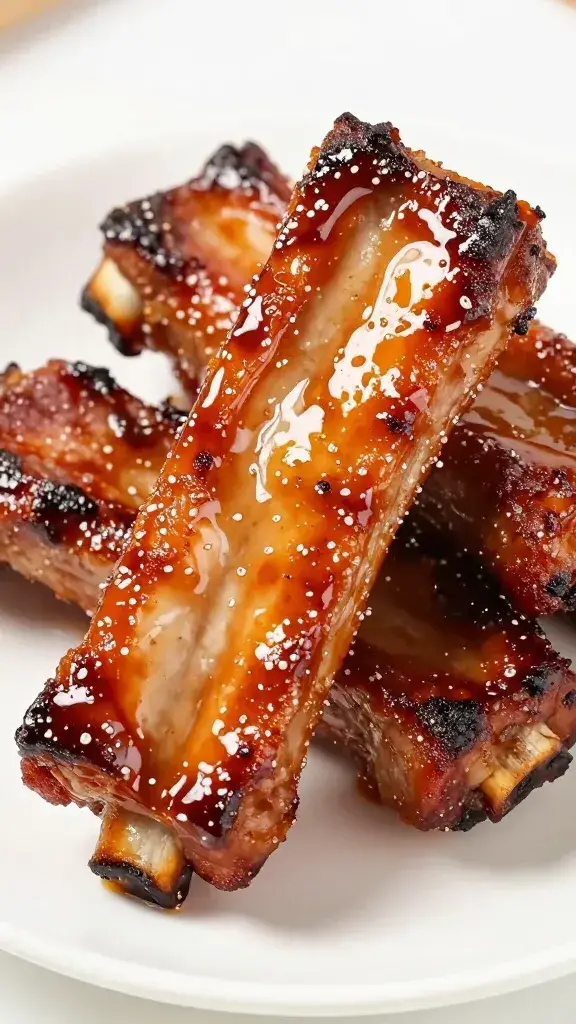
Yes, it loves steak. But Monkey Gland Sauce is a social butterfly.
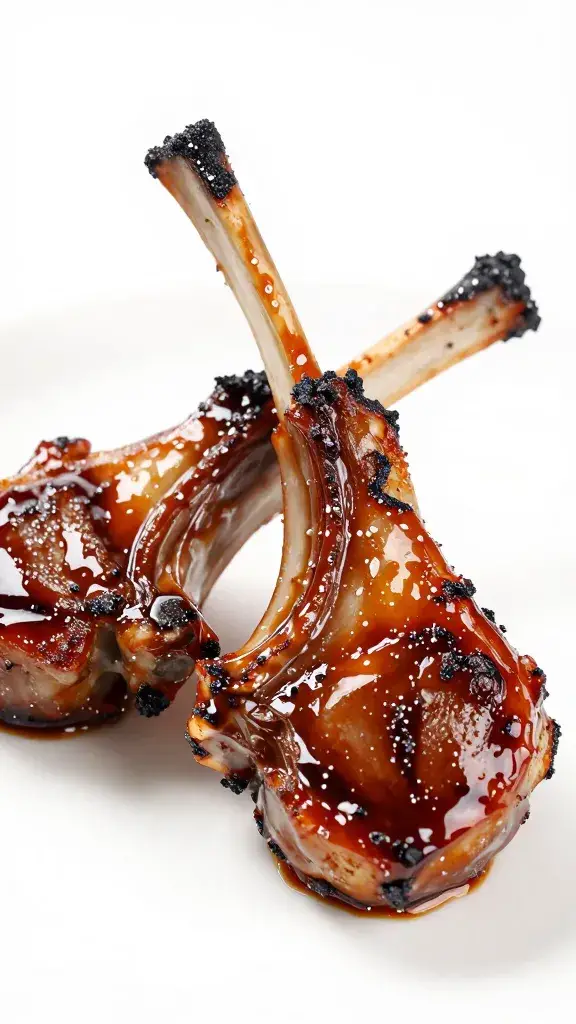
- Steaks and chops: Brush on during the last minute of grilling, then serve extra on the side.
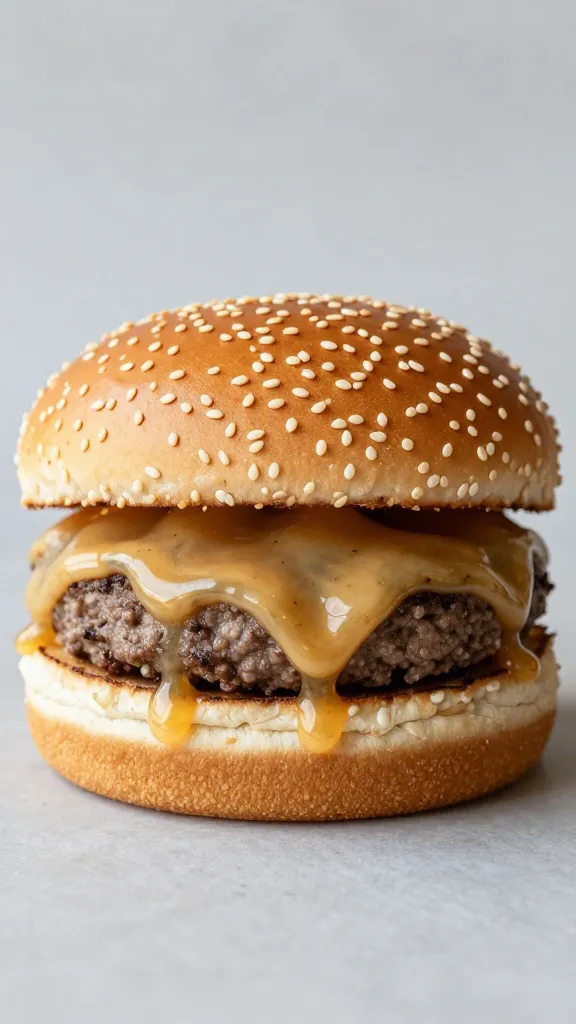
- Burgers: Swap for ketchup. Add cheddar and grilled onions. Thank me later.
- Ribs and chicken: Glaze in the final 10 minutes so the sugars don’t burn.
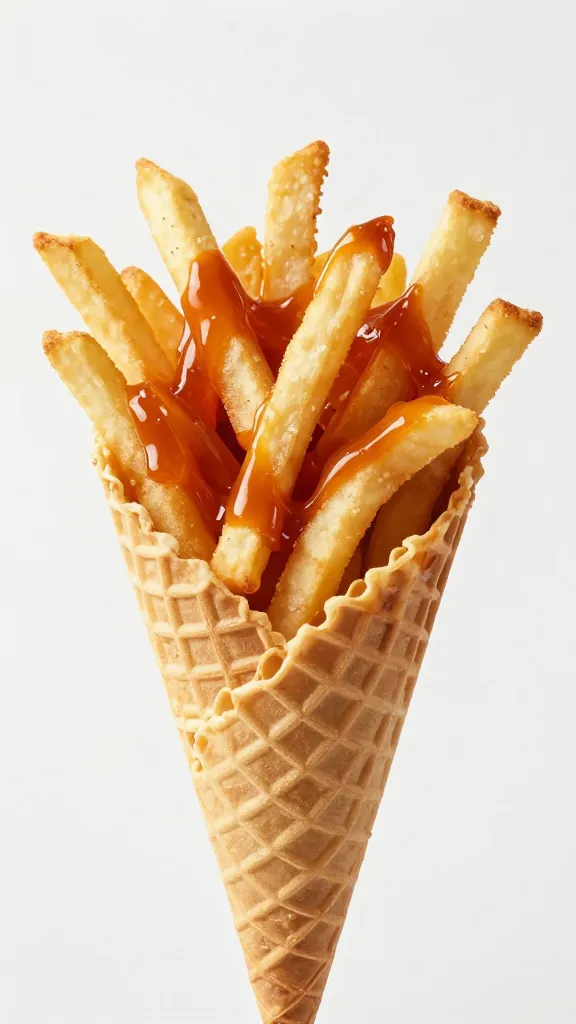
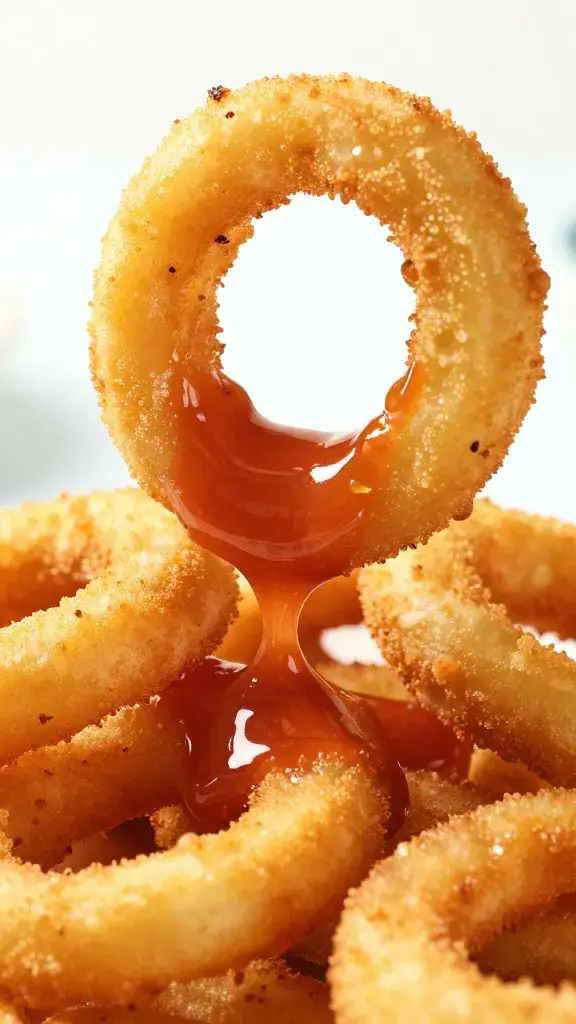
- Fries and onion rings: Treat it like fancy ketchup with a complex past.
- Meatballs: Toss cocktail meatballs in the sauce for a retro party trick.
- Breakfast: Drizzle over a bacon-and-egg roll if you’re feeling chaotic good.
When to Add the Sauce
– Early basting = risk of burning
– Late glazing = shiny, sticky perfection
– Serving on the side = control freak heaven
Texture, Heat, and Balance: Getting It Just Right
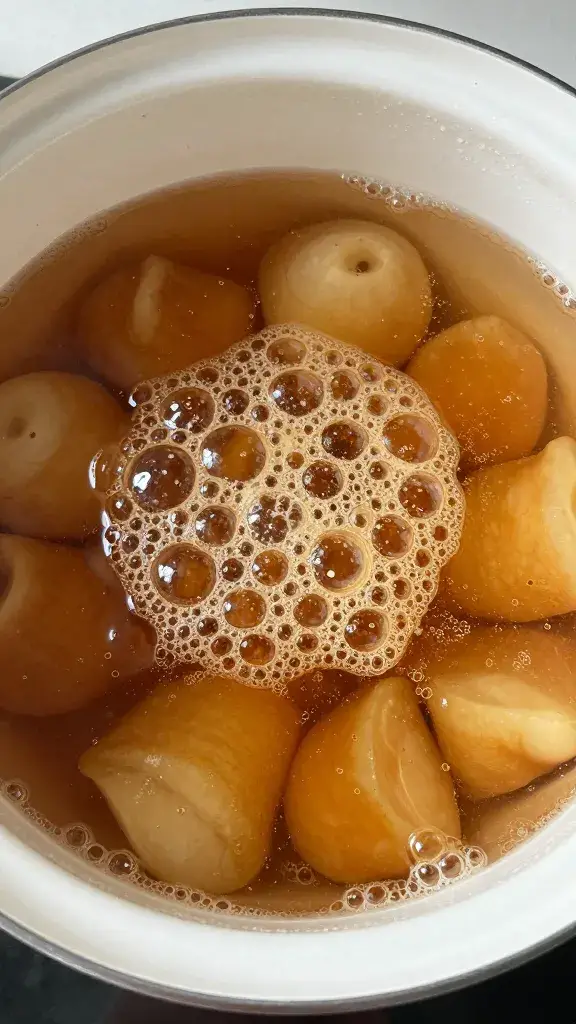
You control the variables. Want it thicker? Simmer longer. Want it spicier? Level up the chili. Don’t let the sweetness steamroll the meat.
Balance checklist:
– Sweetness should lift, not dominate
– Acidity should cut through fat
– Heat should linger, not assault
– Salt should make it pop, not pucker
If it tastes like candy, add vinegar and Worcestershire. If it tastes flat, add salt and a squeeze of lemon. If it tastes sharp, add a spoon of chutney and simmer two more minutes.
Serving and Storage Tips
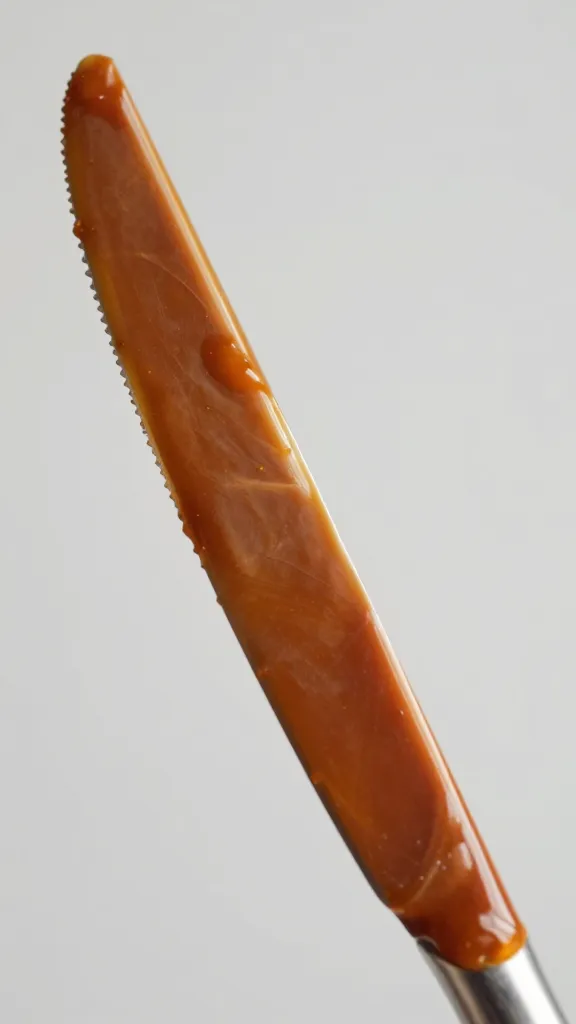
The sauce tastes even better the next day once it chills and the flavors settle down. Make it ahead and win dinner without breaking a sweat.
- Make-ahead: Up to 1 week in the fridge in a sealed jar.
- Freeze: Up to 3 months. Thaw and whisk to re-emulsify.
- Reheat: Low heat, small splash of water if it thickened too much.
- Portioning: 2–3 tablespoons per steak is the sweet spot.
Pairing Ideas
– Sides: Charred corn, potato wedges, creamy slaw
– Drinks: Malbec, Shiraz, or a hoppy pale ale to stand up to the sweetness
– Freshness: A handful of chopped parsley or scallions right before serving
FAQ
Does Monkey Gland Sauce actually contain glands?
Nope. Zero glands, zero monkeys. The name started as a cheeky nod to a 1920s medical fad. It stuck because people remembered it—and because the sauce absolutely slaps.
Can I make it less sweet?
Yes. Use unsweetened tomato passata instead of ketchup, choose a low-sugar chutney, and skip the extra brown sugar. Boost acidity with a little more vinegar and a squeeze of lemon to keep it lively.
What if I can’t find apricot chutney?
Use peach chutney or even apricot jam plus a splash of vinegar and a pinch of chili flakes. Mango chutney works too, but it leans Indian-style; still delicious, just different.
Is it only for beef?
Not at all. Pork loves it. Chicken loves it. Lamb tolerates it if you dial up the acidity. It also works on grilled mushrooms and halloumi for a solid vegetarian move, FYI.
Can I make it gluten-free?
Yes. Use a gluten-free Worcestershire or swap in tamari plus a bit of anchovy paste for depth. Check labels on chutneys since some brands thicken with wheat-based additives.
How do I avoid burning the sauce on the grill?
Apply it in the final stretch—last 1–2 minutes for steaks, last 5–10 for ribs and chicken—over medium heat. Flip and brush lightly. You want lacquer, not charcoal brittle.
Conclusion
Monkey Gland Sauce brings swagger to the table—sweet, tangy, a little spicy, and totally unapologetic. Brush it on a seared steak, spoon it over a burger, or dunk your fries like you mean it. It’s retro in the best way possible: loud, fun, and all about flavor. IMO, every grill lineup needs a wildcard, and this saucy troublemaker is it.