
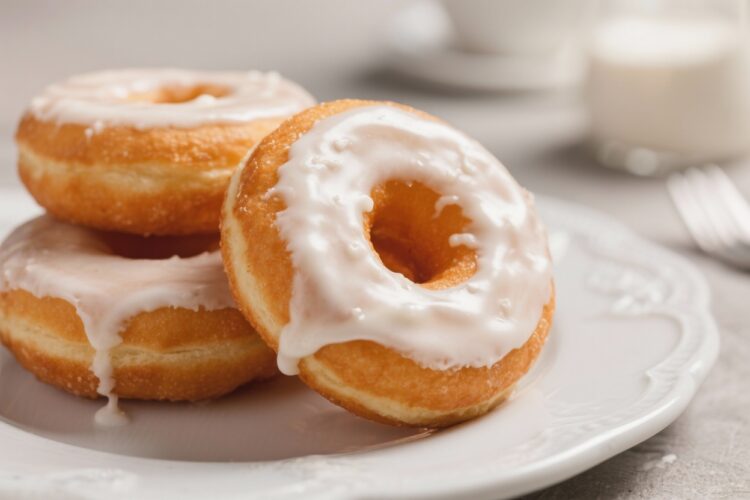
These old-fashioned sour cream donuts are the kind you remember from cozy bakeries and weekend mornings. They’re tender inside, slightly crisp on the outside, and coated in a light, sweet glaze that cracks just so. The batter comes together quickly with simple pantry ingredients, and there’s no yeast to fuss with.
Whether you fry them fresh or make them ahead, they’re a perfect treat with coffee or milk. If you’ve never made donuts at home, this is a great place to start.
What Makes This Recipe So Good
- Classic flavor and texture: Rich, tangy sour cream keeps the donuts soft and moist, while a hint of nutmeg gives them that old-fashioned bakery taste.
- No yeast required: Baking powder does the lifting, so there’s no rising time. You can mix and fry within an hour.
- Reliable shape and crumb: The dough is sturdy but tender, making it easy to cut and fry without falling apart.
- Crackly glaze: A simple vanilla glaze sets beautifully, adding shine and sweetness without overpowering the donut.
- Make-ahead friendly: The dough chills well, and the donuts re-glaze nicely if you want a fresh look the next day.
Shopping List
- All-purpose flour (for structure)
- Granulated sugar
- Baking powder
- Kosher salt
- Ground nutmeg (classic flavor)
- Large eggs
- Sour cream (full-fat recommended)
- Unsalted butter (melted and cooled)
- Vanilla extract
- Neutral oil for frying (vegetable, canola, or peanut)
- Powdered sugar (for the glaze)
- Milk or water (to thin the glaze)
- Optional spices (cinnamon or cardamom)
How to Make It

- Mix the dry ingredients: In a large bowl, whisk together flour, baking powder, salt, and nutmeg until evenly combined.
- Whisk the wet ingredients: In another bowl, whisk sugar, eggs, sour cream, melted butter, and vanilla until smooth.
- Combine to form the dough: Add the wet mixture to the dry ingredients.
Stir gently with a spatula until a soft dough forms. It should be slightly tacky but not sticky.
- Chill the dough: Cover and refrigerate for 30–45 minutes. This helps the dough firm up and makes cutting easier.
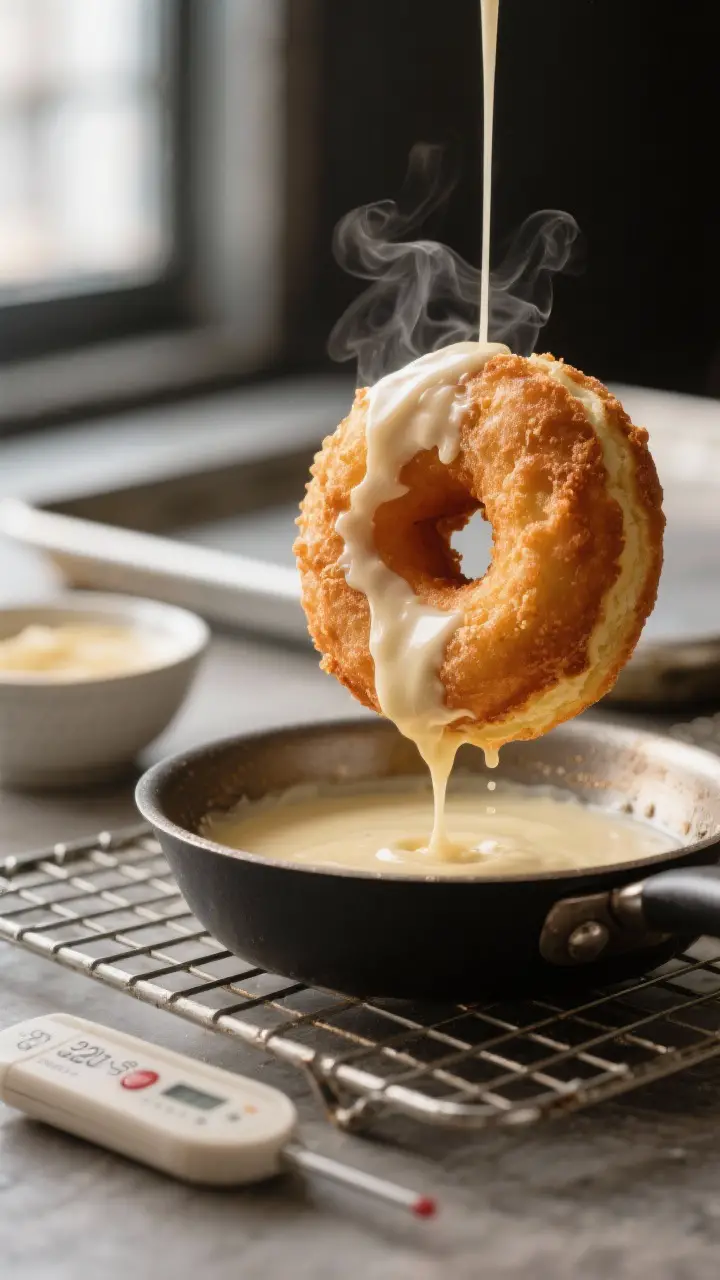
- Heat the oil: Pour 2–3 inches of oil into a heavy pot or deep skillet.
Heat to 325–330°F (163–166°C). Use a thermometer for best results.
- Roll and cut: Lightly flour your work surface. Roll the dough to about 1/2 inch thick.
Use a donut cutter (about 3 inches) or two round cutters to form rings and holes. Gather scraps, re-roll once if needed.
- Fry in batches: Carefully lower 2–3 donuts into the oil. Fry for 1–2 minutes per side until deep golden brown.
Keep the oil near 325°F; adjust heat as needed. Fry holes for less time.
- Drain: Transfer donuts to a wire rack set over a baking sheet. Let them cool for 10 minutes before glazing.
- Make the glaze: Whisk powdered sugar, a pinch of salt, vanilla, and enough milk or water to reach a pourable, thin consistency.
- Glaze and set: Dip donuts into the glaze, flip to coat, then place back on the rack.
Let the glaze set for 10–15 minutes. For extra crackle, dip a second time once the first layer sets.
Keeping It Fresh
- Room temperature: Store glazed donuts in an airtight container for up to 2 days. Line with parchment to avoid sticking.
- Reheat: Pop in a 300°F (150°C) oven for 5–6 minutes or microwave 10–12 seconds to soften.
- Freeze: Freeze unglazed donuts for up to 2 months.
Thaw at room temp, then glaze before serving.
- Make-ahead dough: Chill the un-fried dough for up to 24 hours. Let it sit at room temp for 10 minutes before rolling and cutting.
Benefits of This Recipe
- Beginner-friendly: No yeast, no proofing, and a forgiving dough.
- Consistent results: The chilled dough and controlled oil temperature produce even frying and clean edges.
- Balanced sweetness: The tangy sour cream keeps the glaze from tasting cloying.
- Flexible timing: Make the dough ahead or fry fresh when you’re ready.
- Customizable: Easy to add spices, zests, or cocoa for different twists.
Common Mistakes to Avoid
- Skipping the chill: Warm dough spreads and absorbs oil. Chilling improves texture and shape.
- Overworking the dough: Too much mixing makes tough donuts.
Stir just until combined.
- Wrong oil temperature: Hot oil burns the outside; cool oil leads to greasy donuts. Aim for 325–330°F and keep checking.
- Rolling too thin: Donuts need 1/2 inch thickness to puff and stay moist.
- Glazing while too hot: The glaze will slide off. Cool 10 minutes first for a better set.
Recipe Variations
- Cinnamon Sugar: Skip the glaze.
Toss warm donuts in a mix of sugar and cinnamon.
- Chocolate Glaze: Whisk powdered sugar, cocoa powder, a pinch of salt, vanilla, and milk until smooth. Dip twice for extra shine.
- Lemon Glaze: Use lemon juice instead of milk, and add lemon zest for brightness.
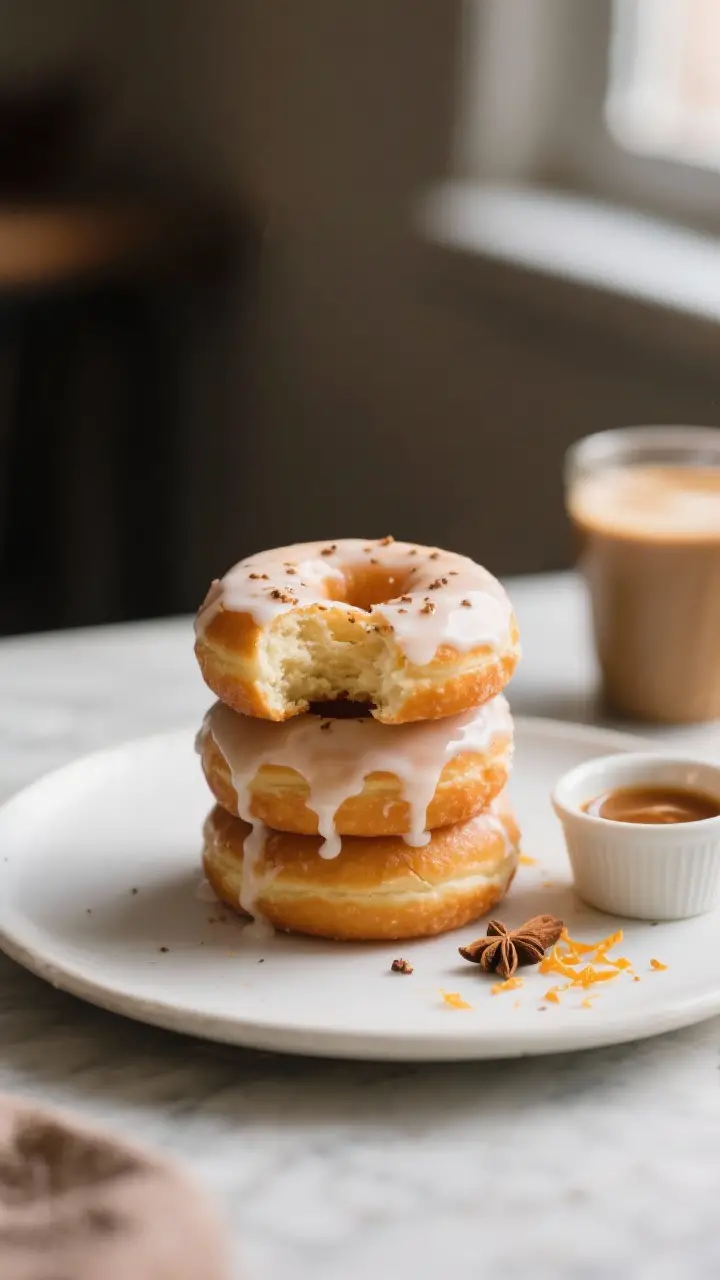
- Cardamom Orange: Add 1/2 teaspoon ground cardamom to the dough and orange zest to the glaze.
- Maple Glaze: Swap milk for maple syrup, and add a bit of vanilla and a tiny pinch of salt.
- Baked “Cheat” Version: Not identical, but you can portion dough into a greased donut pan and bake at 350°F (177°C) for 10–12 minutes; brush with melted butter and dip in glaze. Texture will be cake-like.
FAQ
Can I use Greek yogurt instead of sour cream?
Yes.
Full-fat Greek yogurt works well and gives a similar tang. The dough may be slightly less rich, but the texture remains tender.
Do I need a donut cutter?
No. Use a 3-inch round cutter or glass for the outer circle and a small bottle cap or 1-inch cutter for the hole.
Even a sharp knife and a little creativity will do.
Why are my donuts greasy?
The oil was likely too cool or the dough was too warm. Keep oil at 325–330°F and chill the dough. Don’t overcrowd the pot, which drops the temperature.
How do I know when the donuts are done?
They’ll be deep golden on both sides and feel light when lifted with a slotted spoon.
If you’re unsure, test one and check the center—no wet batter should remain.
Can I make mini donuts?
Absolutely. Cut smaller rings and fry for less time—about 45–60 seconds per side. Donut holes take roughly 60–90 seconds total.
What oil is best for frying?
Use a neutral, high-heat oil like vegetable, canola, or peanut oil.
These stay stable and don’t add competing flavors.
Can I reduce the sugar?
You can lower the sugar in the dough slightly, but the donuts rely on the glaze for sweetness. If you cut back too much, balance with a sweeter glaze or a cinnamon-sugar coating.
Final Thoughts
Sour cream donuts strike that perfect balance between comforting and special. They’re rich, tender, and surprisingly easy to make at home with everyday ingredients.
A good thermometer, a quick chill, and a simple glaze are all you need for bakery-worthy results. Make a batch for a slow morning, share with friends, and enjoy the kind of donut that never goes out of style.