
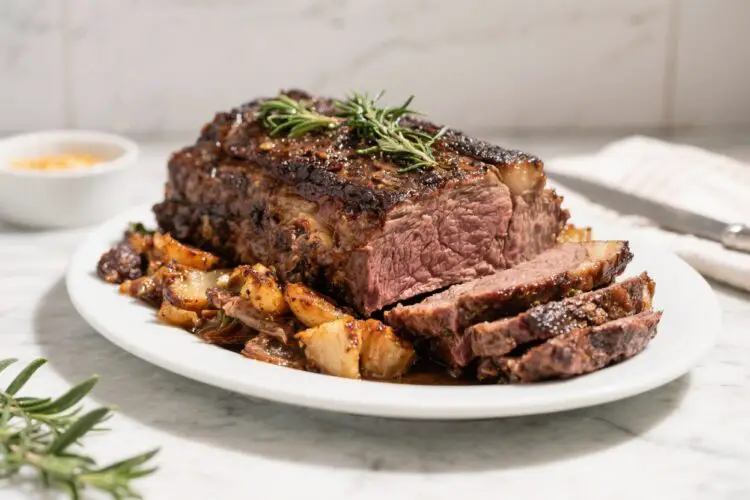
If you love rich, smoky barbecue but don’t want to splurge on a brisket, this smoked chuck roast is your new go-to. It turns a humble cut into melt-in-your-mouth comfort with deep beef flavor and bark that rivals any brisket. You’ll get that classic smoke ring, juicy slices, and leftovers that taste even better the next day.
The steps are simple, the ingredients are basic, and the results feel special enough for a weekend feast. Fire up the smoker and let time do the heavy lifting.
What Makes This Special
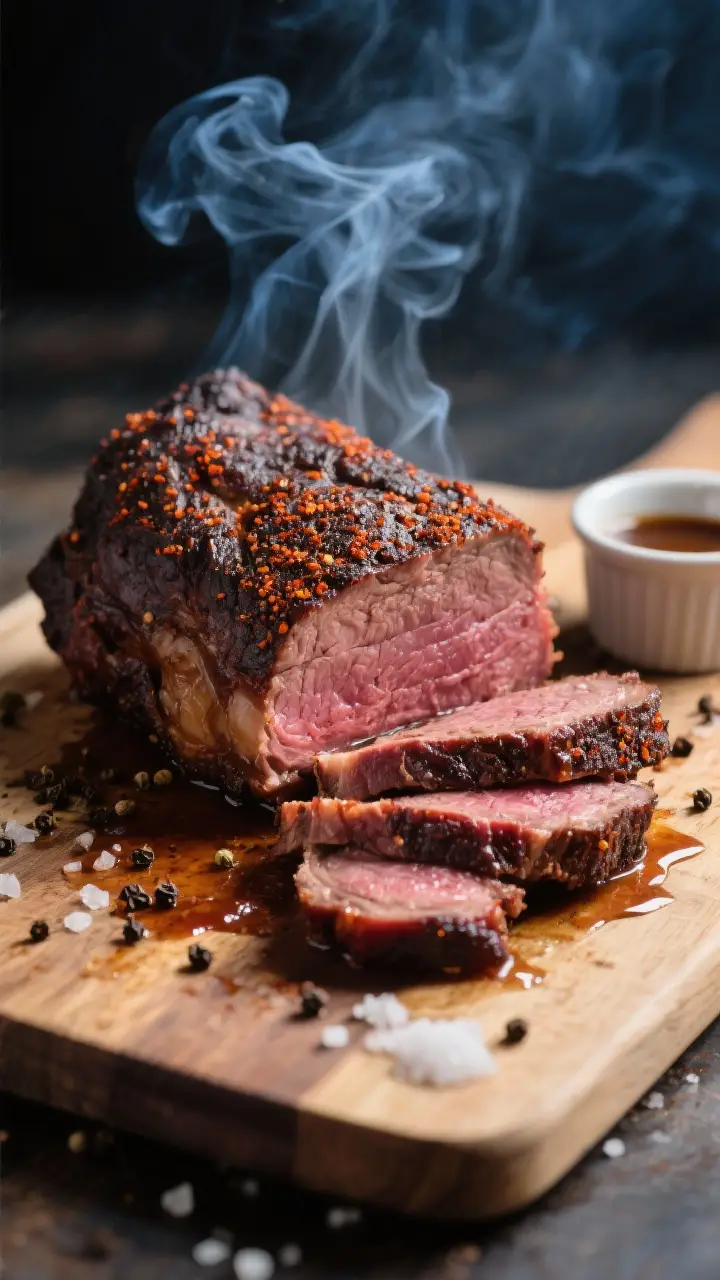
This recipe treats chuck roast like a mini brisket. It’s forgiving, flavorful, and doesn’t require an all-night cook.
You’ll build a beautiful bark with a simple rub, smoke low and slow, then wrap to push it through the stall. The final rest makes it tender and sliceable, or you can take it further for pull-apart beef. It’s perfect for sandwiches, tacos, or classic meat-and-potatoes plates.
Ingredients
- 1 whole chuck roast (3–5 pounds)
- 2 tablespoons kosher salt
- 2 tablespoons coarse black pepper
- 1 tablespoon smoked paprika
- 1 tablespoon garlic powder
- 1 teaspoon onion powder
- 1 teaspoon mustard powder (optional but great for bark)
- 1–2 tablespoons brown sugar (optional for subtle sweetness)
- 2 tablespoons yellow mustard or olive oil (binder)
- 1 cup beef broth or stock (for spritzing and wrapping)
- 2 tablespoons apple cider vinegar (for spritz, optional)
- Wood of choice: oak, hickory, or a blend with fruit wood like cherry
- Butcher paper or heavy-duty foil for wrapping
Step-by-Step Instructions
- Prep the roast. Trim thick exterior fat to about 1/4 inch and remove any silver skin.
Pat dry. Coat lightly with mustard or oil so the rub sticks.
- Mix the rub. Combine salt, pepper, smoked paprika, garlic powder, onion powder, mustard powder, and brown sugar if using. Season all sides generously.
Press it in—don’t rub it off.
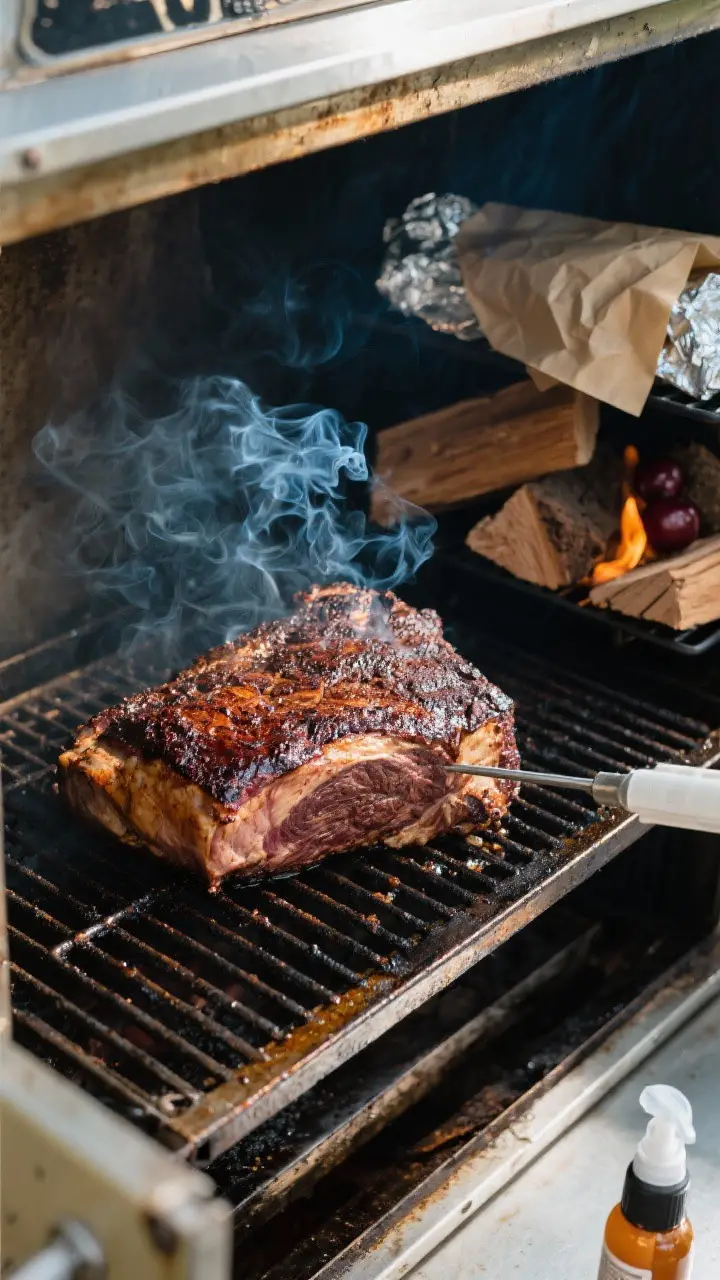
- Preheat the smoker. Stabilize at 250°F for balanced smoke and tenderness. Use clean-burning wood chunks. Aim for thin blue smoke, not billowing white.
- Set the roast on the smoker. Place it fat cap up so it self-bastes.
Insert a probe into the thickest part, avoiding fat seams.
- Smoke to build bark. Let it go for 2–3 hours undisturbed. When the surface looks tacky and set, start spritzing every 45–60 minutes with a mix of beef broth and a splash of apple cider vinegar.
- Ride out the stall. Around 155–165°F internal, the roast may stall. When the bark is dark mahogany and feels firm, wrap tightly in butcher paper for a crisper bark, or foil for maximum moisture.
Add a small splash of broth before sealing.
- Finish to tenderness. Continue cooking at 250°F until the roast reaches 200–205°F and a probe slides in like warm butter. Don’t chase a number—go by feel.
- Rest well. Place the wrapped roast in a cooler or warm oven (off) for at least 45–60 minutes. This step relaxes the meat and redistributes juices.
- Slice or shred. For slices, cut against the grain into 1/4-inch slices.
For pulled beef, take it to the higher end of tenderness and shred with forks, mixing in accumulated juices.
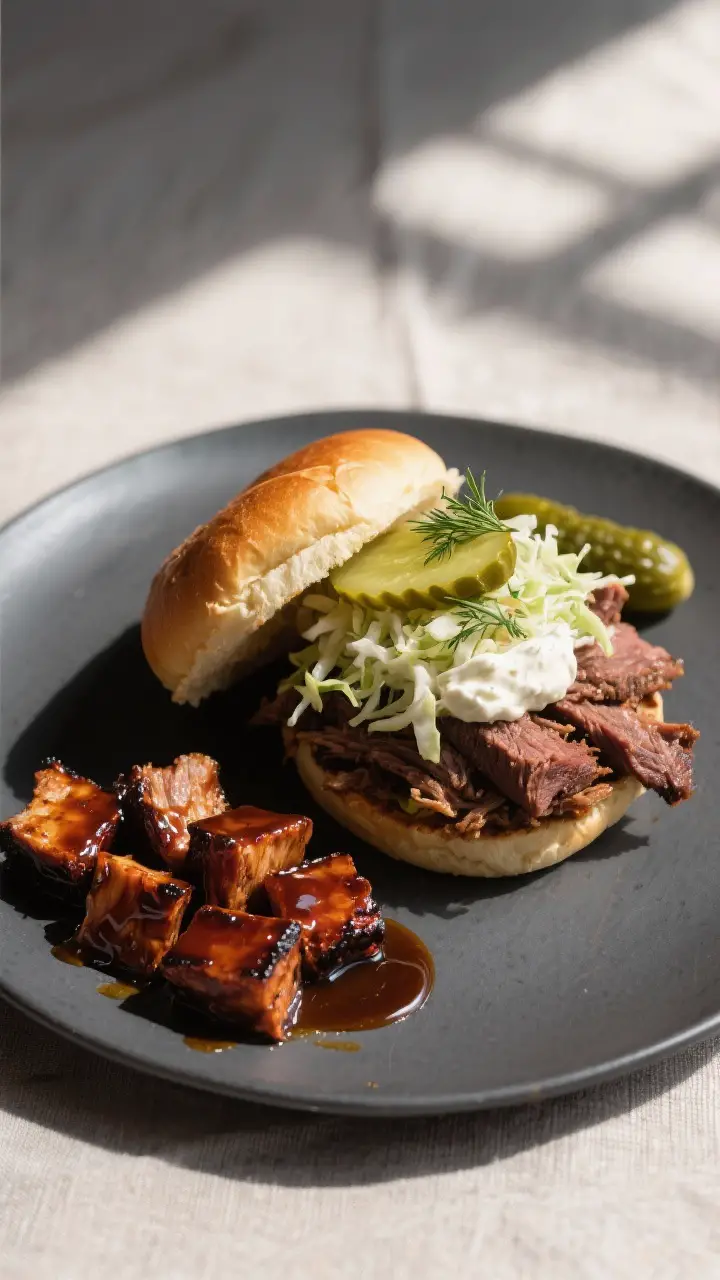
- Serve. Spoon over juices from the wrap. Great with mashed potatoes, slaw, pickles, or on a toasted bun with a swipe of horseradish cream or barbecue sauce.
How to Store
- Refrigerate: Cool, then store in an airtight container with its juices for up to 4 days.
- Freeze: Portion with juices in freezer bags, press out air, and freeze up to 3 months. Label the date.
- Reheat: Thaw in the fridge overnight.
Warm gently in a covered skillet with a splash of broth over low heat, or wrap in foil and heat at 300°F until hot. Avoid microwaving without moisture—it dries out.
Why This is Good for You
Chuck roast is rich in protein and iron, which support muscle repair and energy levels. The slow-smoking method renders fat gradually, giving you satisfying flavor with smaller portions.
Using simple spices keeps sodium in check compared to heavy sauces. Pair with vegetables or a fiber-rich side for a more balanced plate.
Pitfalls to Watch Out For
- Thick white smoke: This can make the meat bitter. Keep vents open and fuel clean for thin blue smoke.
- Under-seasoning: Chuck is beefy.
Be generous with salt and pepper to build a proper bark.
- Skipping the rest: Cutting too soon lets juices run out. Rest at least 45 minutes.
- Over-spritzing: Too much moisture early on can wash off your bark. Wait until the bark is set.
- Ignoring doneness by feel: Temperatures are a guide.
Probe tenderness is the real sign it’s ready.
Variations You Can Try
- Texas-style simple: Just salt and 16-mesh black pepper. Let the smoke do the talking.
- Coffee rub: Add 1 tablespoon finely ground coffee to the rub for a deeper, roasty bark.
- Mexican-inspired: Rub with cumin, chili powder, oregano, and garlic. Shred and serve in tortillas with lime and pickled onions.
- Italian beef: Season with Italian herbs and garlic, smoke, then braise with pepperoncini and beef broth.
Slice thin for sandwiches.
- Burnt ends: Cube the rested roast, toss with a bit of sauce and rub, then return to the smoker until tacky and caramelized.
FAQ
How long does a smoked chuck roast take?
Plan on 5–7 hours total for a 3–5 pound roast at 250°F, plus at least 45 minutes to rest. Thicker roasts can take longer. Always trust tenderness over the clock.
What internal temperature should I aim for?
Target 200–205°F, but rely on feel.
When a probe slides in with little resistance across several spots, it’s done, even if the temp varies slightly.
Should I use butcher paper or foil?
Butcher paper preserves bark better and breathes; foil locks in moisture and speeds the cook. If you like a softer bark and juicier finish, choose foil. For a firmer bark, go with paper.
Do I need to spritz?
Spritzing helps keep the surface from drying out and supports smoke adhesion, but only after the bark sets.
If your smoker holds moisture well, you can skip it.
What wood works best?
Oak is a great all-around choice. Hickory adds stronger smoke, and cherry brings a touch of sweetness and color. A blend of oak and cherry is hard to beat.
Can I cook it in the oven?
Yes.
Season and roast at 275°F until the bark sets, then wrap and continue to 200–205°F. You’ll miss the smoke flavor, but you can add a little smoked paprika or liquid smoke sparingly to mimic it.
How do I keep it from drying out?
Don’t overtrim, don’t overshoot temperature, and rest it wrapped. Keep some juices from the wrap and pour them over the meat before serving.
Is this better sliced or pulled?
Both work.
For slices, pull it when it’s tender but holds shape. For shredding, cook until extra tender, closer to 205°F and beyond by feel.
Final Thoughts
Smoked chuck roast gives you big barbecue payoff with less cost and less stress. With a solid rub, steady smoke, and a proper rest, you’ll get tender, juicy beef that’s great on its own or in sandwiches and tacos.
Keep the process simple, trust your senses, and let time work its magic. This is the kind of cook you’ll want to repeat all season long.
Printable Recipe Card
Want just the essential recipe details without scrolling through the article? Get our printable recipe card with just the ingredients and instructions.