
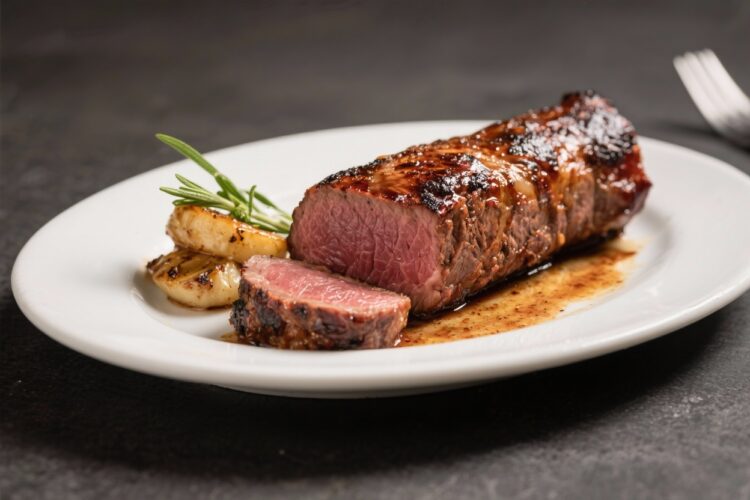
Smoked beef tenderloin is one of those dishes that feels special without being fussy. It’s tender, deeply flavorful, and surprisingly easy to pull off with a little planning. The smoke adds a gentle, woodsy note that complements the naturally rich, buttery cut.
Whether you’re feeding a small crowd or planning a quiet dinner, this is a showstopper you can actually execute on a weeknight. All you need is a good cut of beef, a steady smoker, and a few smart techniques.
What Makes This Special
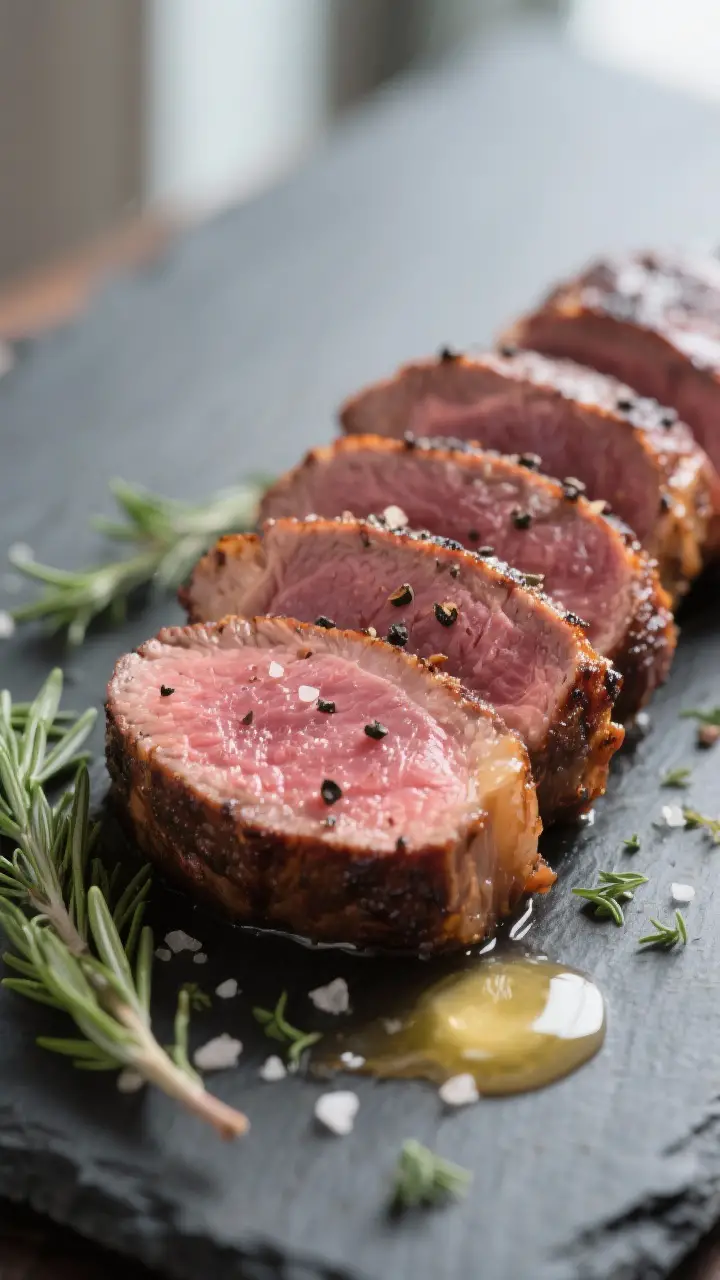
This recipe celebrates the tenderloin’s strengths: tenderness, clean beef flavor, and quick cook time. Instead of overwhelming it with heavy marinades, we use a simple rub and clean smoke for balance.
The result is a roast that’s juicy, rosy from edge to edge, with a thin, savory crust. It’s elegant enough for holidays but approachable enough for any weekend cookout. Plus, it’s fast—most tenderloins reach temperature in under an hour of smoke.
Ingredients
- 1 whole beef tenderloin, trimmed (about 3 to 4 pounds)
- 2 tablespoons kosher salt
- 1 tablespoon freshly ground black pepper
- 1 tablespoon garlic powder
- 1 teaspoon onion powder
- 1 teaspoon smoked paprika (optional, for color)
- 2 tablespoons olive oil or melted butter
- Fresh herbs (optional): 1 tablespoon finely chopped rosemary or thyme
- Butcher’s twine (for tying)
- Wood for smoking: oak, cherry, or pecan recommended
How to Make It
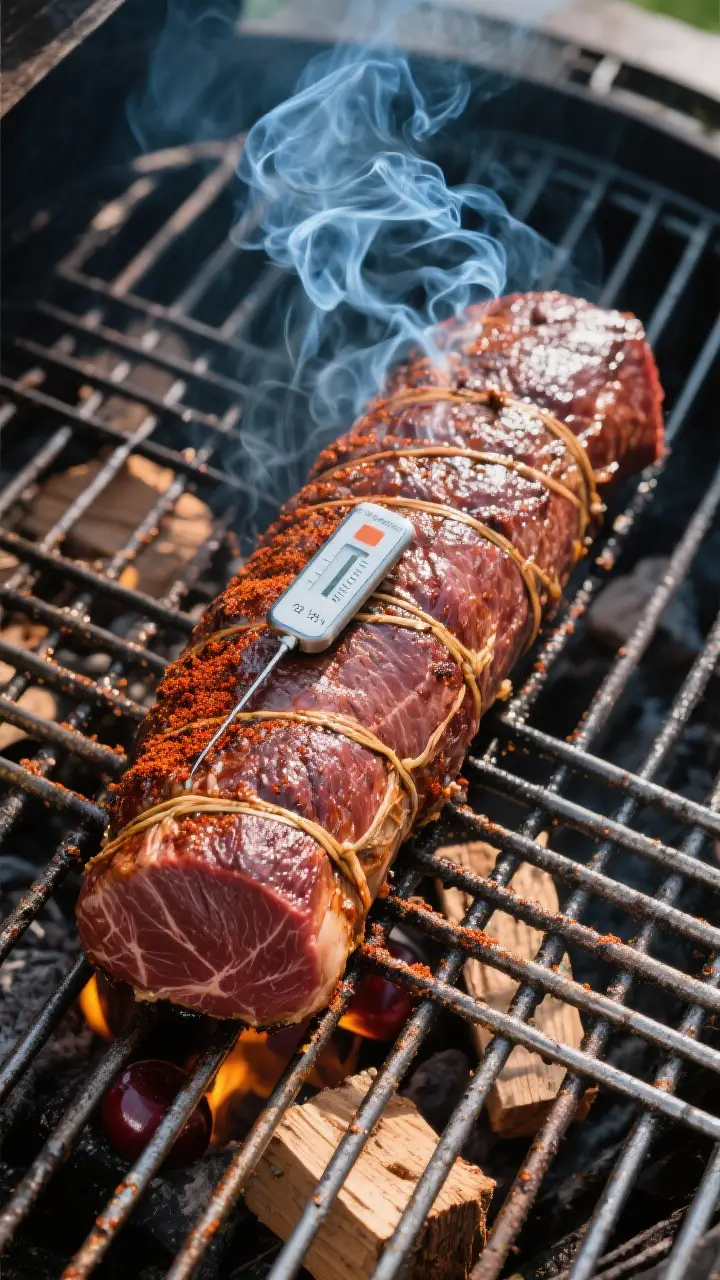
- Trim and tie the tenderloin. If not pre-trimmed, remove surface silver skin with a sharp knife.
Tuck the narrow tail end under to create an even cylinder and tie the roast with butcher’s twine every 1.5 inches. This ensures even cooking.
- Dry-brine for better flavor. Mix salt, pepper, garlic powder, onion powder, paprika, and herbs (if using). Pat the roast dry, rub with olive oil, then apply the seasoning mix evenly.
Refrigerate uncovered for 2 to 12 hours for a deeper, more even seasoning.
- Bring to room temp. Set the tenderloin on the counter for 30 to 45 minutes before cooking. A slightly warmer center helps it cook more evenly.
- Preheat the smoker. Aim for 225°F to 250°F. Use clean-burning wood like oak or cherry for a mild smoke that won’t overpower the meat.
- Smoke the roast. Place the tenderloin on the smoker grate, seam side down.
Insert a probe thermometer into the thickest part. Smoke until the internal temperature reaches 120°F to 125°F for rare, 128°F to 130°F for medium-rare, or 135°F for medium. This usually takes 45 to 75 minutes depending on thickness and smoker temperature.
- Reverse-sear for crust. While the roast nears target temp, heat a cast-iron skillet or grill to high.
When the tenderloin hits target temp, sear it for 45 to 60 seconds per side until a deep crust forms. Alternatively, use a 500°F grill for a quick all-around sear.
- Rest before slicing. Transfer to a cutting board and tent loosely with foil. Rest for 10 to 15 minutes.
The temperature will rise 5°F to 7°F during the rest, and juices will redistribute.
- Slice and serve. Cut into 1-inch medallions across the grain. Finish with a sprinkle of flaky salt and a drizzle of melted butter or warm herbed oil if you like.
Keeping It Fresh
Leftover smoked tenderloin keeps well if handled right. Cool it quickly, then store slices in an airtight container with a light drizzle of beef stock or butter to prevent drying.
Refrigerate for up to 3 days or freeze for up to 2 months wrapped tightly. Reheat gently—low oven or a covered skillet over low heat—to protect that tender texture.
Health Benefits
- Lean protein: Beef tenderloin is one of the leaner cuts, offering high-quality protein with less fat than ribeye or brisket.
- Iron and B12: Supports energy levels and red blood cell formation, especially helpful if you’re active.
- Zinc: Supports immune function and recovery.
- Minimal additives: A simple rub avoids sugar-heavy sauces and keeps sodium in check if you season thoughtfully.
Pitfalls to Watch Out For
- Overcooking: Tenderloin dries out quickly. Use a reliable thermometer and pull it earlier than you think to account for carryover.
- Too much smoke: Heavy smoke can mask the meat’s delicate flavor.
Aim for thin, blue smoke, not thick white clouds.
- Skipping the tie: An uneven shape cooks unevenly. Tying ensures consistent doneness from end to end.
- Rushing the rest: Slicing too soon lets juices run out. Give it that short rest window to stay juicy.
- High heat too early: If you sear before the internal temp is close, you risk an overdone exterior and underdone core.
Alternatives
- Different woods: Cherry for a subtle sweetness, oak for balance, pecan for a mild nutty note.
Avoid mesquite—it can be too intense.
- Herb crust: Add minced rosemary, thyme, and a touch of Dijon to the rub for a bolder crust.
- Peppercorn finish: Coarse-cracked black pepper plus a quick brandy-pan sauce turns it into a steakhouse-style dish.
- No smoker? Use an oven at 250°F until target temp, then sear in a cast-iron skillet with butter and herbs. You’ll miss some smoke but keep great texture.
- Budget swap: Try a center-cut sirloin roast. It won’t be as buttery, but it takes smoke well and stays juicy.
FAQ
What internal temperature should I aim for?
For the most tender, juicy result, aim for 128°F to 130°F for medium-rare before the rest.
Carryover heat will bring it to about 133°F to 135°F.
How long does smoking take?
Typically 45 to 75 minutes at 225°F to 250°F, depending on roast size and smoker stability. Always trust a thermometer over the clock.
Do I need to marinate the tenderloin?
No. The cut is naturally tender.
A simple salt-forward dry rub and a dry brine provide all the flavor and texture you need.
Which wood is best?
Oak and cherry are great choices because they’re balanced and won’t overpower the meat. Pecan is also excellent. Mesquite can be harsh for such a lean, delicate cut.
Can I make this ahead?
You can smoke to 5°F below your target, chill, and sear before serving.
For best results, rewarm gently in a low oven before the final sear.
How do I keep it from drying out?
Don’t overcook, rest the meat, slice just before serving, and store leftovers with a bit of moisture (stock or butter) in an airtight container.
Do I have to tie the roast?
It’s strongly recommended. Tying creates an even cylinder, which ensures consistent doneness and a better sear.
What sauces pair well?
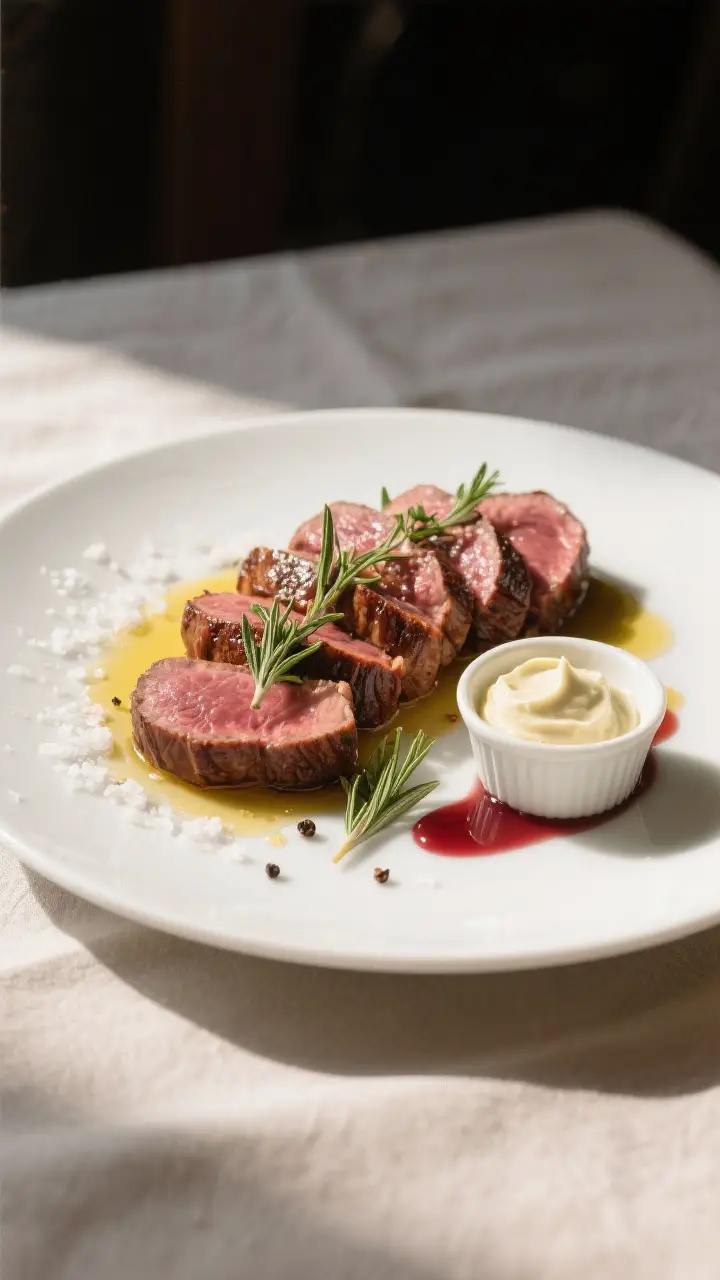
Try chimichurri, a light red wine reduction, horseradish cream, or a simple herb butter. Keep it light so the beef remains the star.
Wrapping Up
Smoked beef tenderloin is proof that simple techniques can deliver big results.
With steady heat, clean smoke, and a careful eye on temperature, you’ll get a tender, rosy roast with a beautiful crust. It’s refined without being complicated, and it turns any dinner into an occasion. Keep your tools ready, your seasonings simple, and your thermometer close—you’ll be set for success every time.