
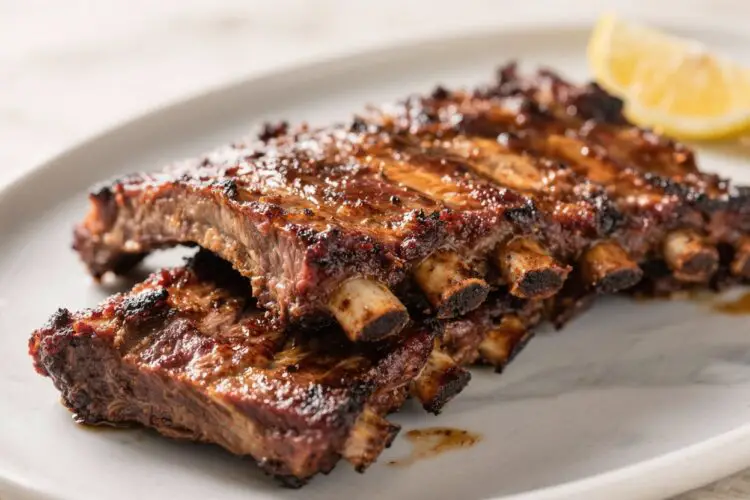
Smoked beef ribs are the kind of meal that makes everyone stop and pay attention. Big, meaty bones with a deep smoky crust and juicy, beefy bite—what’s not to love? They’re surprisingly simple to make if you give them time and a steady temperature.
With a good rub, clean smoke, and patience, you’ll end up with ribs that pull clean from the bone and taste like a backyard barbecue dream. Whether it’s your first smoke or your tenth, this recipe keeps things straightforward and reliable.
What Makes This Recipe So Good
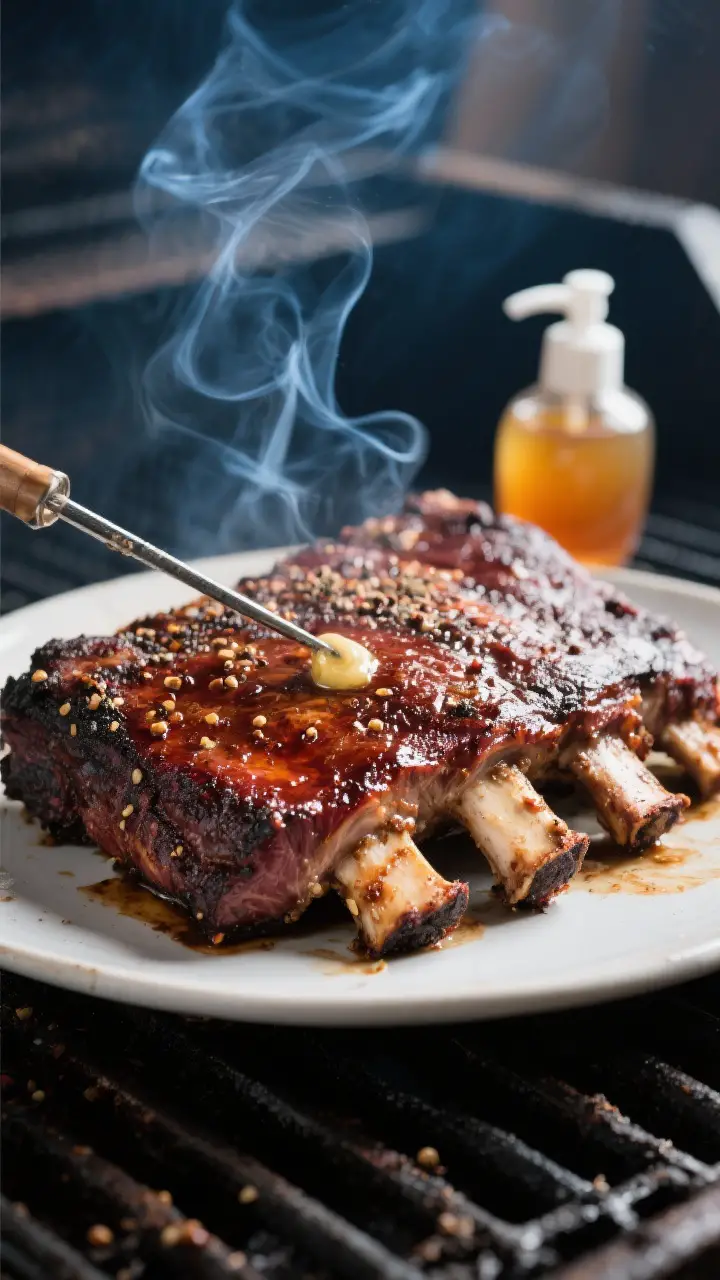
- Deep, beef-forward flavor: Beef ribs are rich and buttery, and smoke enhances that natural taste without overpowering it.
- Simple seasoning: A classic salt-and-pepper rub lets the beef shine. Add a few extras if you like, but you don’t need much.
- Hands-off cooking: Once the ribs are seasoned and on the smoker, you mostly let the temperature and smoke do the work.
- Ideal texture: When cooked low and slow, the ribs turn tender and juicy, with a beautiful bark on the outside.
- Flexible fuel and wood: Works on pellet, offset, or kettle smokers with your favorite wood—oak, hickory, or mesquite.
Shopping List
- Beef plate ribs (3-bone rack, about 4–6 pounds), or beef back ribs if plate ribs aren’t available
- Kosher salt
- Coarse black pepper (16-mesh if possible)
- Garlic powder
- Paprika (sweet or smoked)
- Brown sugar (optional, for a hint of sweetness)
- Yellow mustard or neutral oil (as a binder)
- Apple cider vinegar or beef broth (for spritzing)
- Barbecue sauce (optional, for serving)
- Wood chunks or pellets (post oak is a favorite; hickory or mesquite for stronger smoke)
How to Make It
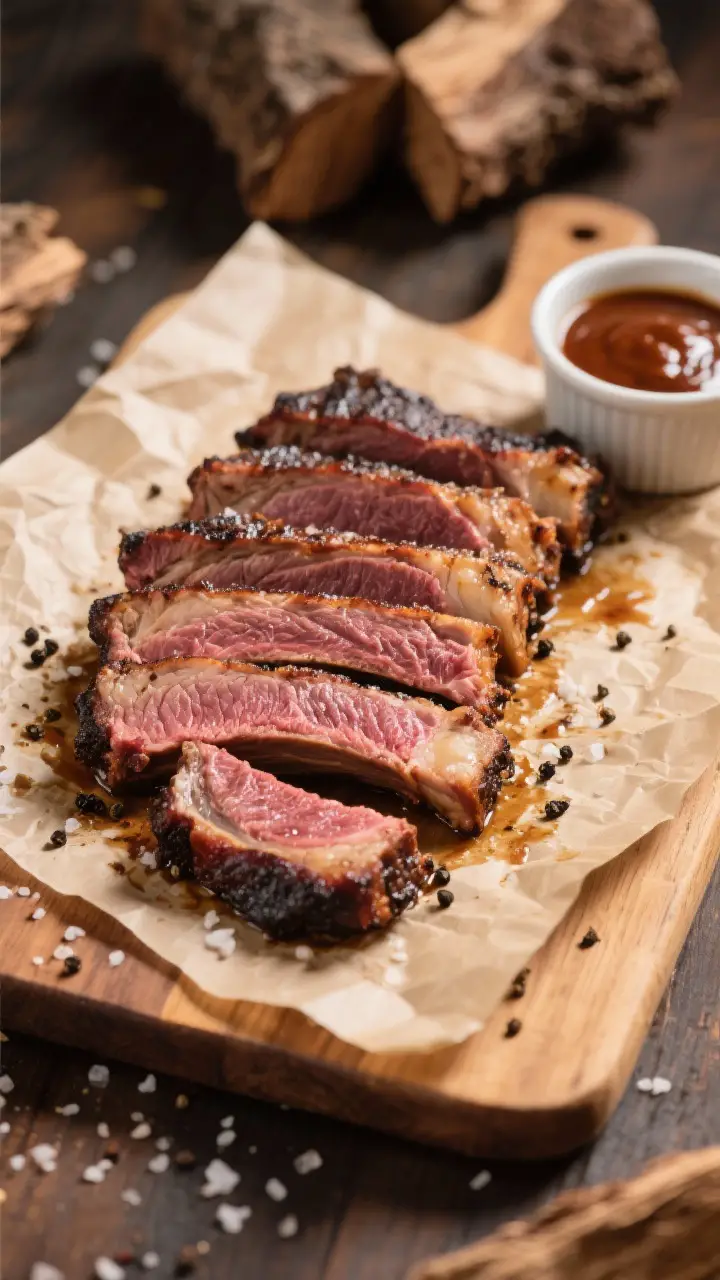
- Trim the ribs: Pat the rack dry.
On the bone side, remove the thick silver membrane if the butcher hasn’t already. Trim excess hard fat on the top, but leave a thin layer to baste the meat as it cooks.
- Mix your rub: Combine 2 tablespoons kosher salt, 2 tablespoons coarse black pepper, 1 teaspoon garlic powder, and 1 teaspoon paprika. Add 1 teaspoon brown sugar if you want a touch of caramelization.
Keep it simple—beef loves salt and pepper.
- Bind and season: Lightly coat the ribs with yellow mustard or oil. Sprinkle the rub generously on all sides, pressing it in so it adheres. Let the rack rest at room temperature while you set up the smoker.
- Preheat the smoker: Bring your smoker to 250°F for a steady low-and-slow cook.
Use clean-burning smoke—thin and blue, not thick and white.
- Add the ribs: Place the rack bone-side down. Close the lid and let the ribs smoke undisturbed for about 3 hours to build bark.
- Spritz occasionally: After the first 2 hours, spritz every 45–60 minutes with a mix of apple cider vinegar and water (or beef broth). This helps the bark set and prevents dry edges.
- Check the bark: Around the 4–5 hour mark, the bark should be dark and set, and internal temp will likely be around 160–170°F.
If it looks right and feels firm to the touch, you can wrap if desired.
- Optional wrap: For a softer bark and faster finish, wrap the ribs tightly in unwaxed butcher paper (or foil). Add a splash of broth if you want. Return to the smoker, still at 250°F.
- Cook to tenderness, not just temperature: Start probing around 200–205°F internal.
The probe should slide in like warm butter between the bones and into the thickest parts. This can take 6–8 hours total, sometimes longer depending on the rack.
- Rest the ribs: Remove from the smoker and rest, still wrapped, for at least 45 minutes (up to 2 hours in a cooler). Resting keeps juices in the meat and relaxes the bark.
- Slice and serve: Slice between the bones into large, meaty ribs.
Serve as-is, with a sprinkle of flaky salt, or with your favorite barbecue sauce on the side.
Keeping It Fresh
- Refrigerator: Store cooled ribs in an airtight container for up to 4 days. Keep the bones on for better moisture.
- Freezer: Wrap tightly in foil, then seal in a freezer bag for up to 3 months. Slice before freezing for easier reheating.
- Reheating: Warm covered in a 275°F oven with a splash of broth until heated through (about 20–30 minutes).
For a bit of bark, uncover for the last 5 minutes.
- Leftovers: Shred and use in tacos, sandwiches, or over mashed potatoes and gravy.
Health Benefits
- High-quality protein: Beef ribs provide complete protein to support muscle repair and satiety.
- Rich in iron and B vitamins: They’re a good source of heme iron, B12, niacin, and zinc, which support energy and immune function.
- Collagen and connective tissue: Slow cooking breaks down collagen, contributing to gelatin that can be easier on joints and digestion for some people.
- Customizable seasoning: You control sodium and sugar. Keep the rub simple for a cleaner, more nutrient-focused meal.
Common Mistakes to Avoid
- Rushing the cook: Cranking the heat rarely helps. Low and steady gives you tender meat and better smoke flavor.
- Thick, dirty smoke: White, billowing smoke tastes bitter.
Aim for thin, blue smoke and well-seasoned wood.
- Skipping the rest: Cutting too soon lets juices spill out. Resting is essential for moist meat.
- Over-seasoning: Heavy sugar or complex spice blends can mask the beef. Salt, pepper, and a little garlic are plenty.
- Ignoring feel: Internal temperature is a guide.
The probe should slide in easily; if it’s tight, keep cooking.
Recipe Variations
- Texas-style classic: Only salt and coarse pepper, post oak smoke, and no wrap. Big bark, bold flavor.
- Espresso rub: Add 1 teaspoon finely ground coffee to the rub for a deep, roasty edge.
- Chili-lime: Add ancho chili powder and a touch of brown sugar to the rub; finish with a squeeze of lime.
- Korean-inspired glaze: Brush with a gochujang, soy, and honey glaze during the last 20 minutes.
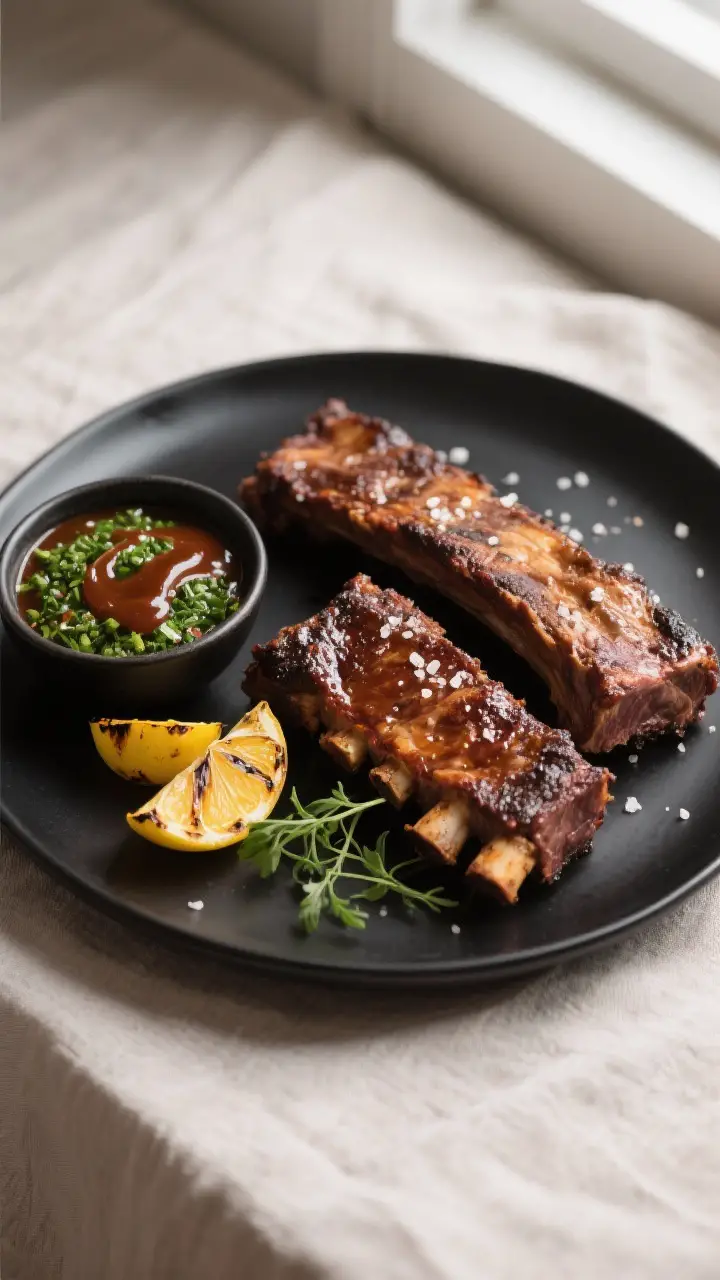
- Herb and garlic: Add dried thyme, rosemary, and extra garlic powder. Serve with chimichurri.
What’s the difference between plate ribs and back ribs?
Plate ribs (often sold as a 3-bone rack) are meatier with thick layers of beef and fat on top of the bones.
Back ribs come from the rib roast area and have less meat on top because the ribeye has been removed. For smoking, plate ribs are the gold standard, but back ribs still taste great.
Do I need to remove the membrane?
Yes, if it’s still attached on the bone side. The membrane can block smoke and seasonings and can be chewy after cooking.
Use a butter knife to loosen one corner, then grip with a paper towel and pull it off.
What wood is best for smoking beef ribs?
Post oak is a favorite for a balanced, classic Texas profile. Hickory adds stronger smoke, and mesquite is bold and earthy—use mesquite sparingly if you’re sensitive to strong flavors. Fruit woods like apple can soften the edges if you want something lighter.
Should I wrap, and if so, when?
Wrapping is optional.
Wrap once the bark is set and the internal temp hits around 165–175°F. Wrapping helps power through the stall and keeps things moist, but it can soften the bark slightly.
How long do smoked beef ribs take?
Plan on 6–8 hours at 250°F, plus a 45–120 minute rest. Each rack is different based on size, fat content, and smoker performance.
Always cook to tenderness, not just time.
Can I make these in the oven?
You won’t get smoke flavor, but you can mimic the texture. Season as directed, bake at 275°F on a rack over a pan until tender (about 4–6 hours), and broil briefly to set the crust. A touch of liquid smoke in the spritz or rub can help, used lightly.
Final Thoughts
Smoked beef ribs are simple food done with care: good beef, clean smoke, and the patience to let the process work.
Keep the seasoning minimal, maintain steady heat, and trust the feel when checking for doneness. With a proper rest, you’ll slice into ribs that are tender, juicy, and full of character. Make a rack for a weekend cook, and you’ll have a new favorite for your barbecue rotation.