
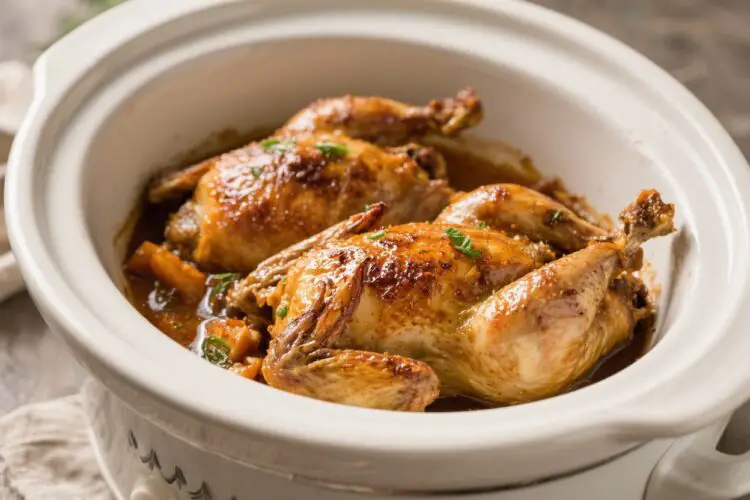
Cornish hens feel special but require hardly any effort when you use a slow cooker. You get juicy meat, savory drippings, and a cozy dinner that tastes like you fussed all day. This method is perfect for date night, small holiday meals, or when you want a roast-style dinner without turning on the oven.
The best part: the slow cooker keeps the meat moist, and you can customize the flavors easily. If you’re new to Cornish hens, this is the easiest way to get great results.
What Makes This Special
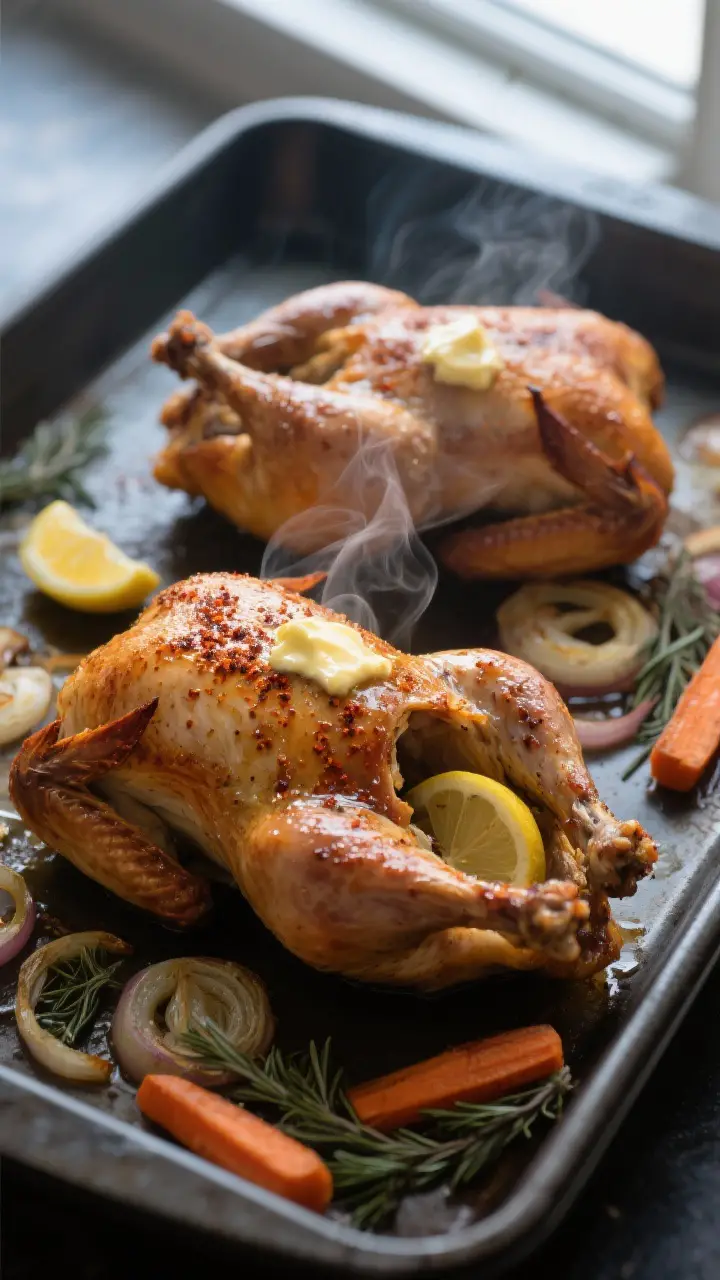
Slow cooking Cornish hens delivers the tenderness of a long roast with minimal hands-on time. The birds baste in their own juices, so the meat stays moist and flavorful.
You can build layers of flavor with herbs, butter, garlic, and lemon, or keep it simple with salt and pepper. This method also frees up your oven for sides, which is a lifesaver during holidays. Plus, the drippings make a quick, rich gravy.
What You’ll Need
- 2 Cornish hens (about 1 to 1.5 pounds each), thawed
- 2 tablespoons butter, softened (or olive oil)
- 1 teaspoon kosher salt (more to taste)
- 1/2 teaspoon black pepper
- 1 teaspoon garlic powder (or 3 cloves garlic, minced)
- 1 teaspoon onion powder
- 1 teaspoon dried thyme (or rosemary)
- 1 teaspoon paprika (smoked or sweet)
- 1 lemon, halved
- 1 small onion, thickly sliced
- 3–4 sprigs fresh herbs (thyme, rosemary, or sage), optional
- 1/2 cup low-sodium chicken broth (or dry white wine)
- Vegetables for the base (optional): baby potatoes, carrot chunks, celery pieces
- For gravy (optional): 1 tablespoon cornstarch and 1 tablespoon cold water
How to Make It
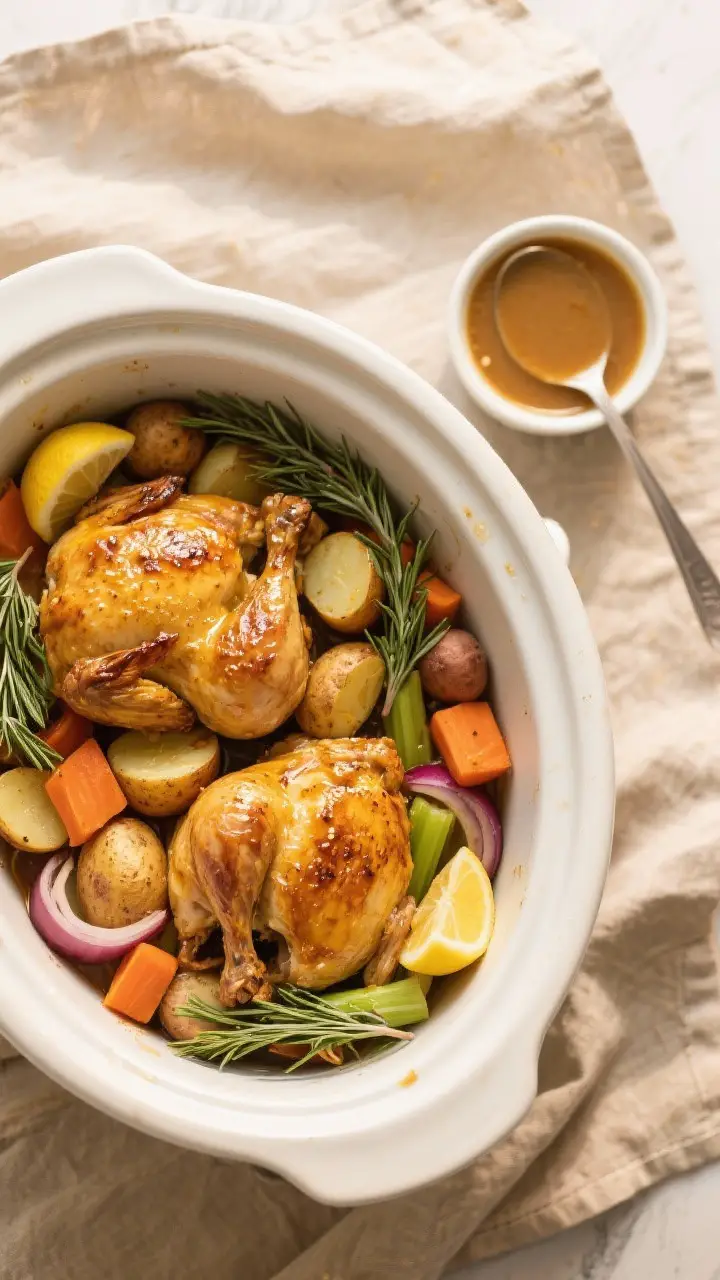
- Prep the slow cooker. Lay onion slices on the bottom.
If using veggies, add a layer of potatoes, carrots, and celery. Pour in the chicken broth.
- Pat the hens dry. Remove any giblets. Drying the skin helps the seasoning stick and keeps the texture better.
- Season the butter. In a small bowl, mix softened butter with salt, pepper, garlic powder, onion powder, thyme, and paprika.
- Rub the hens. Gently loosen some skin over the breast and rub a little seasoned butter underneath.
Rub the rest all over the outside. Place a lemon wedge and fresh herb sprig inside each cavity.
- Arrange in the cooker. Set the hens on top of the onions/veggies, breast side up. Keep them slightly apart so steam can circulate.
- Cook low and slow. Cover and cook on Low for 4–5 hours or High for 2.5–3.5 hours, until the thickest part of the thigh reaches 165°F (74°C) on a meat thermometer.
- Crisp the skin (optional but recommended). For golden skin, transfer the hens to a baking sheet and broil for 3–5 minutes, watching closely.
- Make quick gravy (optional). Skim excess fat from the slow cooker juices.
Whisk cornstarch and water in a small bowl, then stir into the hot juices. Simmer on High in the slow cooker or in a saucepan until slightly thickened. Taste and adjust seasoning.
- Rest and serve. Let the hens rest 5–10 minutes.
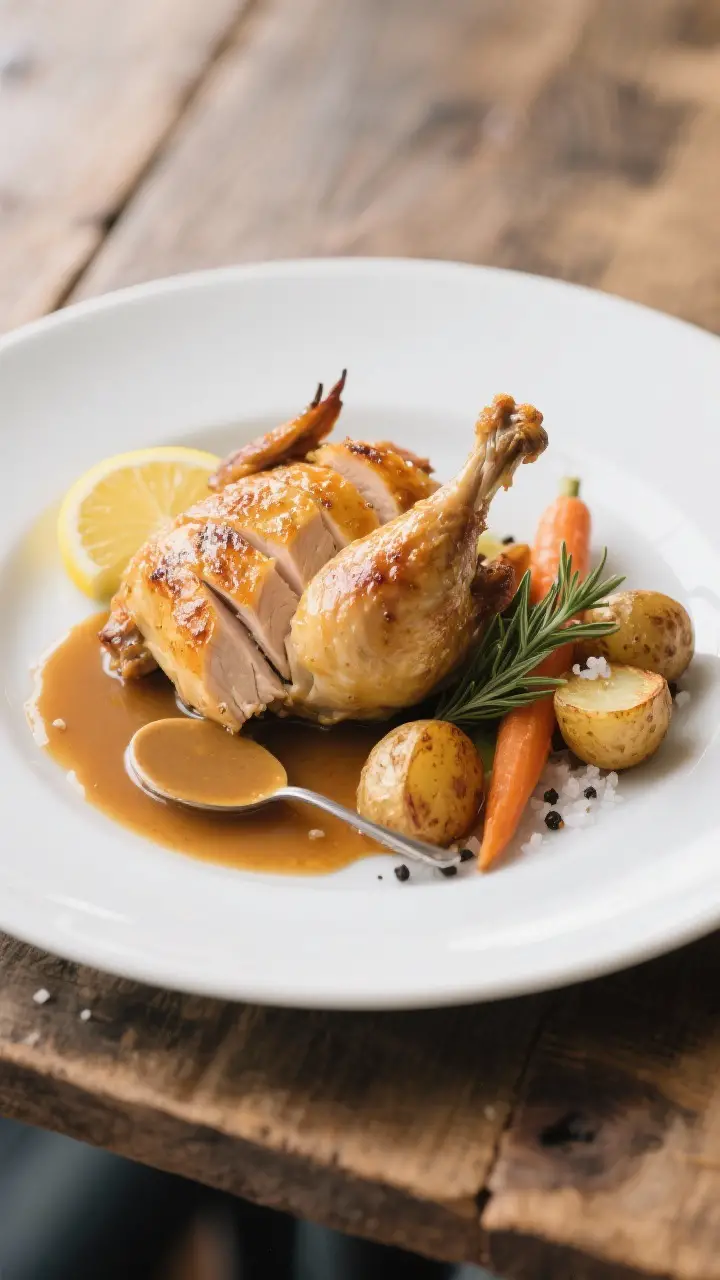
Serve with the vegetables and spoon over gravy. Garnish with fresh herbs and a squeeze of lemon.
Storage Instructions
- Refrigerate: Cool leftovers within 2 hours. Store meat and gravy separately in airtight containers for up to 3–4 days.
- Freeze: Remove meat from the bones and freeze in portions with a bit of gravy for up to 3 months.
Thaw overnight in the fridge.
- Reheat: Warm gently on the stovetop with a splash of broth, or cover and heat in a 300°F oven until hot. Avoid microwaving on high, which can dry it out.
Health Benefits
- Lean protein: Cornish hens offer high-quality protein that supports muscle repair and keeps you full.
- Portion control: Small birds make it easy to manage serving sizes and reduce food waste.
- Customizable sodium and fat: Use low-sodium broth and control the butter or oil to fit your dietary needs.
- Nutrient-rich add-ins: Cooking over onions and carrots adds antioxidants and fiber to the meal.
Pitfalls to Watch Out For
- Soggy skin: Slow cookers don’t brown. If you want crispy skin, finish under the broiler.
- Overcooking: Hens are small and can dry out if left too long.
Use a thermometer and check earlier than you think.
- Too much liquid: Hens release juices. Stick to about 1/2 cup broth to avoid watery results.
- Underseasoning: Small birds need bold flavor. Season under the skin, not just on top.
- Skipping the rest: Resting helps juices redistribute.
Carving too soon can make the meat seem dry.
Alternatives
- Flavor twists: Try lemon-herb with rosemary and thyme; garlic-parmesan with Italian seasoning; or smoky paprika with cumin and a hint of chili.
- Butter swap: Use olive oil or ghee. For dairy-free, olive oil works great.
- Broth options: Use dry white wine or apple cider for a different flavor profile.
- Vegetable bed: Swap potatoes for parsnips or sweet potatoes. Add mushrooms for umami.
- No slow cooker: Roast at 400°F for 45–55 minutes, depending on size, until 165°F.
FAQ
Do I need to truss the hens?
It’s optional.
Trussing helps them cook more evenly and look tidy, but they’ll still cook well without it. If you skip trussing, tuck the wing tips under to prevent burning.
Can I cook from frozen?
No. For food safety and even cooking, thaw the hens fully in the refrigerator for 24–36 hours.
Partially frozen birds cook unevenly.
How many hens should I plan per person?
Plan on one Cornish hen per person for hearty appetites or special occasions. For lighter meals or with lots of sides, one hen can serve two people.
How do I keep the meat from drying out?
Don’t overcook, and use a thermometer to check for 165°F. Rubbing butter under the skin and cooking over onions/veggies helps retain moisture.
Rest the meat before serving.
Can I add rice to the slow cooker?
It’s not ideal. Rice can become mushy and absorb too much fat. Cook rice separately and serve with the hens and gravy.
What if my slow cooker runs hot?
Start checking the temperature at the 2.5-hour mark on High or 4-hour mark on Low.
Add a bit more liquid if needed and use the broiler only briefly to finish.
How do I make the gravy richer?
Brown a tablespoon of tomato paste in a pan, deglaze with wine or broth, then combine with the slow cooker juices. Finish with a small knob of butter for shine.
Can I use just one hen?
Yes. Reduce seasoning slightly and keep the liquid at about 1/3 to 1/2 cup.
Cooking time may be a little shorter, so check temp early.
Wrapping Up
Slow Cooker Cornish Hens are an easy way to make dinner feel special without a lot of work. With simple seasonings and a quick broil at the end, you get tender meat and golden skin every time. Keep the method, switch up the flavors, and enjoy a reliable recipe that fits weeknights and holidays alike.
Serve with simple sides and a bright squeeze of lemon, and you’re set.