
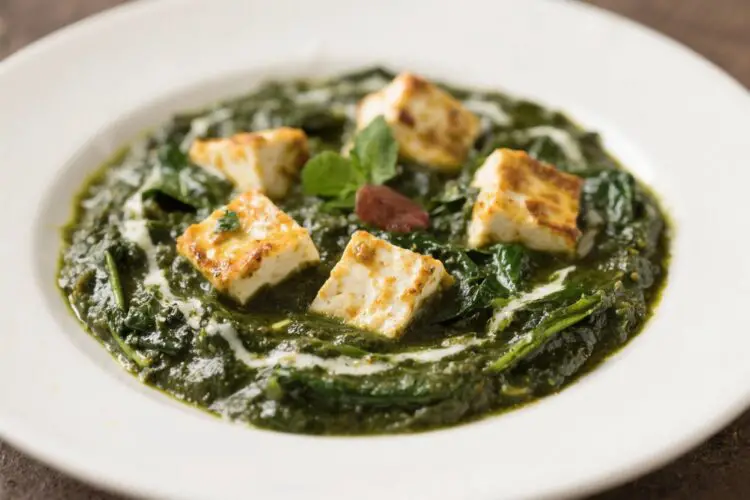
Saag Paneer is comfort food that feels both wholesome and indulgent. Tender cubes of paneer soak up a silky spinach sauce that’s fragrant with garlic, ginger, and warm spices. It’s the kind of dish that tastes like it took all day, yet it’s easy enough for a weeknight.
Pair it with warm naan or steamed basmati rice and you’ve got a satisfying, nourishing meal. If you love bold flavors and creamy textures, this one belongs in your regular rotation.
What Makes This Special
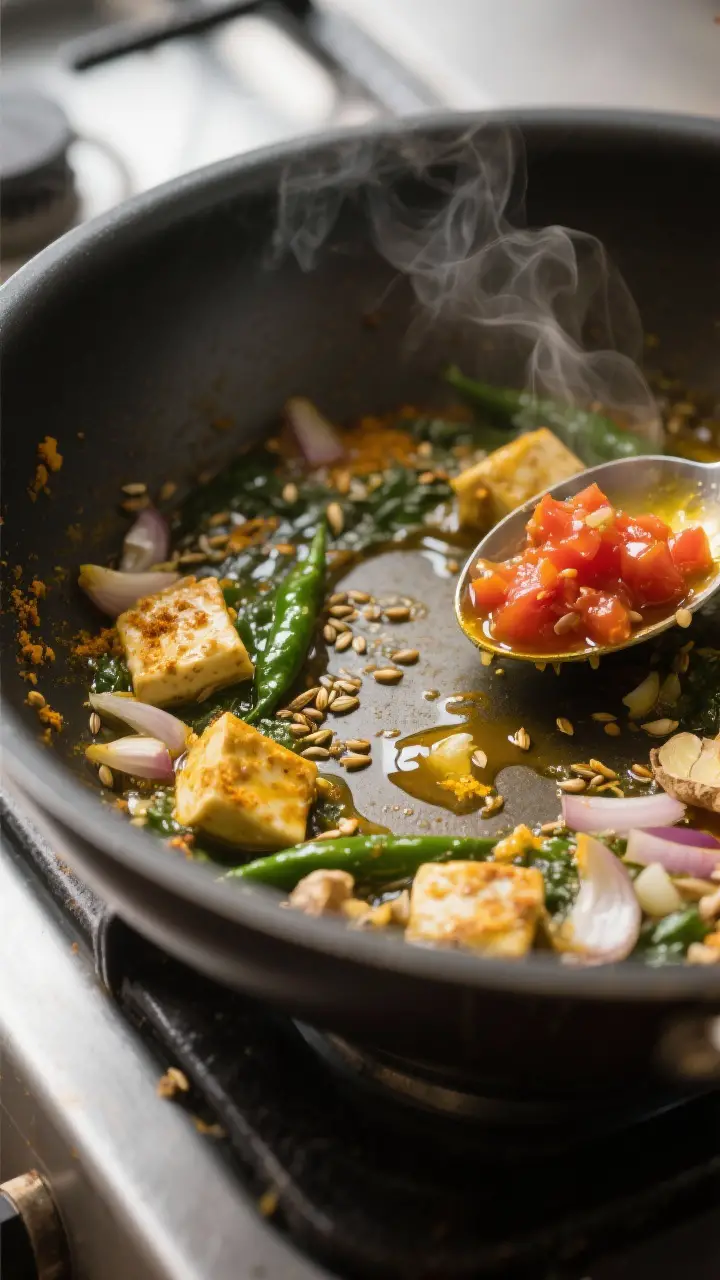
- Velvety texture: Blanching and blending the spinach creates a smooth, luxe sauce that still tastes fresh and green.
- Balanced flavor: The slight sweetness of paneer and butter balances the heat and tang from chilies and tomatoes.
- Quick but authentic: You get restaurant-style results with supermarket ingredients and straightforward steps.
- Nutrient-dense: Spinach brings iron, folate, and fiber, while paneer offers protein and calcium.
- Customizable: Adjust spice, richness, and texture to suit your mood or diet without losing the soul of the dish.
Ingredients
- 16 oz (450 g) fresh spinach, washed (baby spinach or mature leaves, stems trimmed)
- 8–10 oz (225–280 g) paneer, cut into ¾-inch cubes
- 2 tbsp ghee or neutral oil (plus more as needed)
- 1 tbsp unsalted butter (optional, for richness)
- 1 medium onion, finely chopped
- 1 large tomato, finely chopped (or ½ cup canned crushed tomatoes)
- 4 garlic cloves, minced
- 1½-inch piece fresh ginger, minced or grated
- 1–2 green chilies, slit or finely chopped (adjust to taste)
- ½ tsp cumin seeds
- 1 tsp ground coriander
- 1 tsp garam masala
- ½ tsp ground turmeric
- ½–1 tsp Kashmiri chili powder or mild paprika (for color and gentle heat)
- ¼–½ cup water or low-sodium vegetable stock (as needed to adjust consistency)
- 2–3 tbsp heavy cream or 2 tbsp plain yogurt (optional, for creaminess)
- Salt, to taste
- Lemon juice, to taste (about 1–2 tsp)
How to Make It
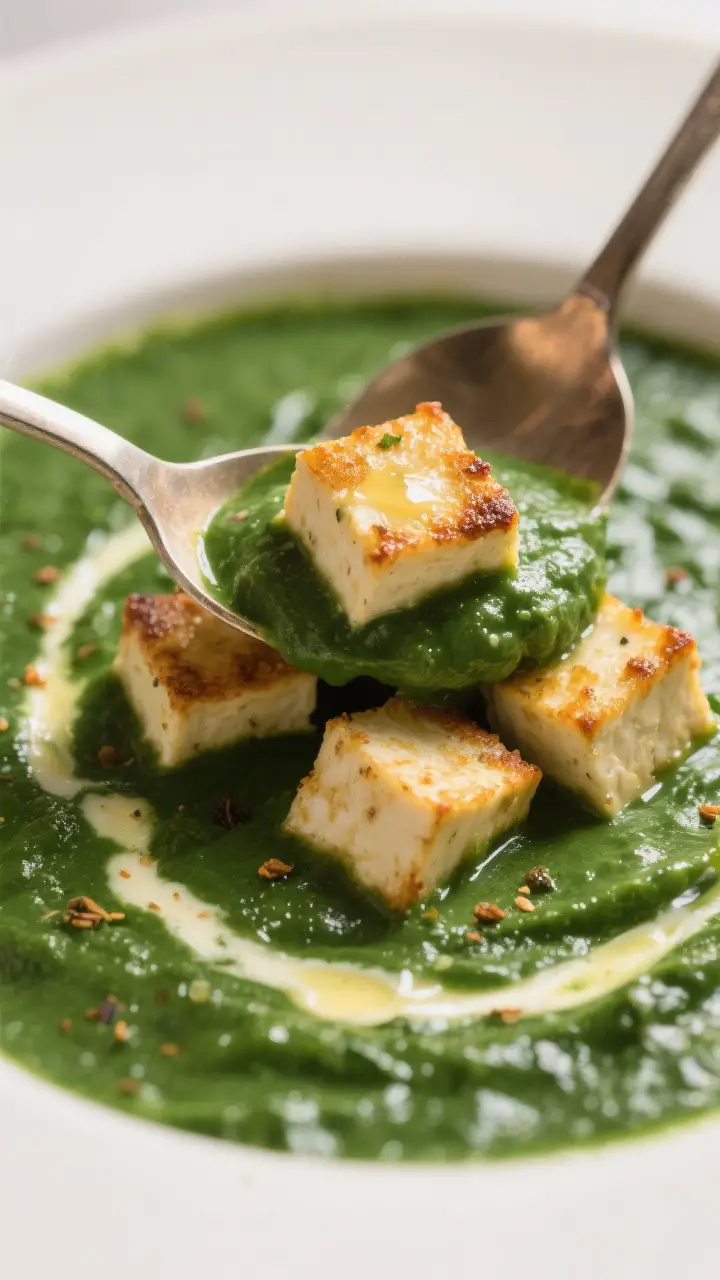
- Blanch the spinach: Bring a large pot of salted water to a boil. Add spinach and cook for 30–60 seconds, just until wilted and bright green.
Immediately transfer to an ice bath to stop cooking. Drain well and squeeze out excess water.
- Blend the greens: Add the blanched spinach to a blender with a splash of water. Blend until smooth.
For a rustic texture, pulse instead of fully pureeing.
- Pan-fry the paneer (optional but recommended): Heat 1 tbsp oil in a nonstick pan over medium. Add paneer cubes and cook until lightly golden on 2–3 sides. Remove to a plate and sprinkle with a pinch of salt.
- Build the base: In a wide pan, heat 1 tbsp ghee or oil.
Add cumin seeds and let them sizzle for 15 seconds. Add onion and cook until soft and lightly golden, about 6–8 minutes.
- Add aromatics: Stir in garlic, ginger, and green chilies. Cook 1–2 minutes until fragrant.
Avoid burning the garlic.
- Spice it up: Add turmeric, coriander, and chili powder. Toast for 30 seconds, stirring. If the pan looks dry, splash in a tablespoon of water to prevent scorching.
- Tomatoes and simmer: Add chopped tomatoes and a pinch of salt.
Cook until the tomatoes break down and the oil separates slightly, 5–7 minutes.
- Spinach goes in: Stir in the spinach puree. Add ¼ cup water or stock to loosen. Simmer on low for 4–6 minutes to meld flavors.
The color should remain bright; don’t overcook.
- Finish the sauce: Stir in garam masala and butter. Add cream or yogurt if using. Taste and adjust salt, heat, and tang.
- Add paneer: Gently fold in the paneer cubes and simmer 2–3 minutes so they absorb flavor without turning rubbery.
- Brighten and serve: Add lemon juice to wake up the flavors.
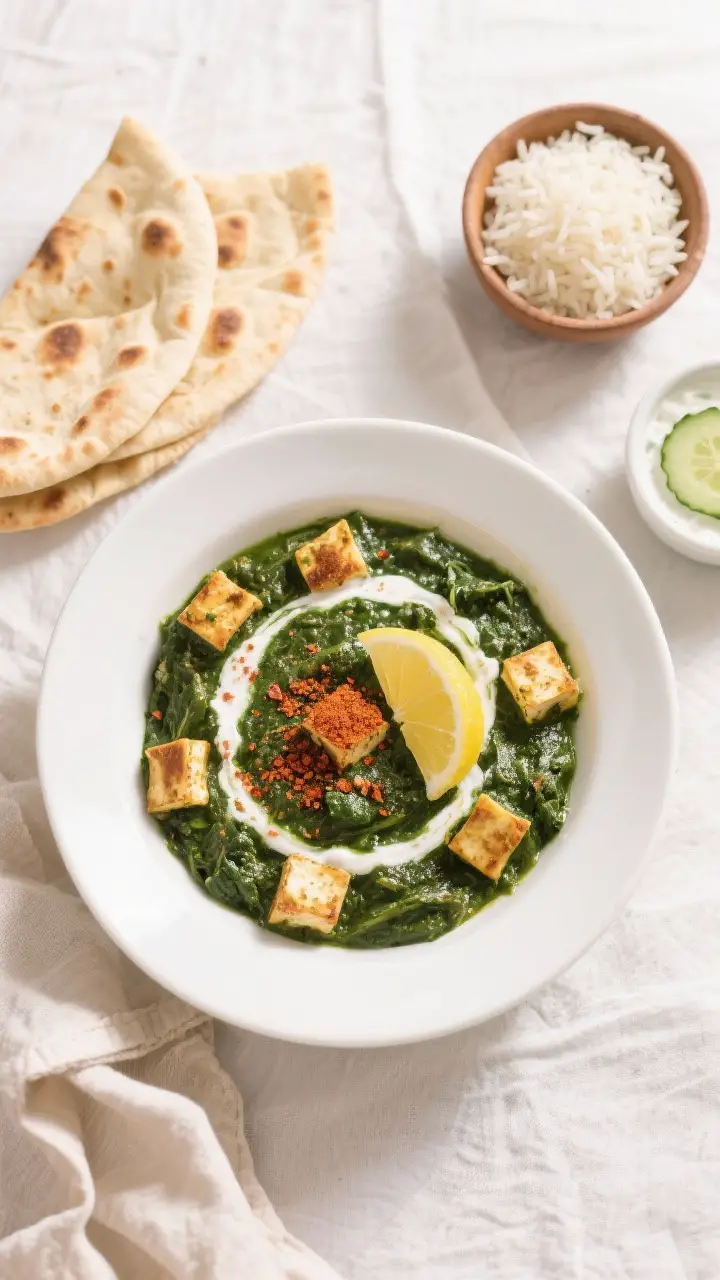
Serve hot with naan, roti, or basmati rice.
Storage Instructions
- Refrigerator: Store in an airtight container for up to 3–4 days. The flavors deepen by day two.
- Freezer: Freeze the spinach sauce without paneer for up to 2 months. Add fresh paneer when reheating to retain texture.
- Reheating: Warm gently over low heat, adding a splash of water or stock to loosen.
Avoid boiling to keep the color vibrant and the paneer tender.
Health Benefits
- Iron and folate: Spinach supports red blood cell health and energy levels.
- Protein and calcium: Paneer offers high-quality vegetarian protein and bone-friendly calcium.
- Gut-friendly fiber: Spinach and tomatoes add fiber that supports digestion and fullness.
- Antioxidants: Garlic, ginger, and spices bring compounds that support immunity and reduce inflammation.
- Customizable nutrition: You can lighten the dish by using yogurt instead of cream and pan-searing paneer with minimal oil.
Pitfalls to Watch Out For
- Overcooking spinach: Long cooking turns the sauce dull and muddy. Keep the simmer short to preserve color and flavor.
- Rubbery paneer: Boiling paneer for too long toughens it. Warm it gently at the end.
- Skimping on aromatics: The garlic, ginger, and onions are the backbone.
Under-seasoned aromatics make the dish flat.
- Too watery or too thick: Control consistency with small splashes of water and a gentle simmer. It should be spoonable, not soupy.
- Harsh acidity: Add lemon at the end and taste gradually. Too much tang can overwhelm the creamy base.
Alternatives
- Saag with mixed greens: Swap in part mustard greens, kale, or fenugreek leaves for deeper flavor.
Blanch tougher greens a bit longer.
- Protein swaps: Use firm tofu for a dairy-free option, or chickpeas for extra fiber. Crisp tofu before adding for better texture.
- Dairy-light version: Skip cream and butter. Stir in a spoonful of cashew cream or unsweetened yogurt for silkiness.
- Low-heat version: Use mild paprika instead of hot chilies and reduce garam masala slightly for a gentler flavor.
- Shortcut route: Use frozen chopped spinach to save time.
Thaw and squeeze well to avoid excess water.
Can I use frozen spinach?
Yes. Thaw fully and squeeze out as much water as possible. Use about 16 oz (450 g) frozen spinach to replace fresh.
Do I have to fry the paneer first?
No, but lightly browning adds flavor and helps the cubes stay intact.
If you prefer a softer bite, add paneer straight to the sauce at the end.
What’s the difference between Saag Paneer and Palak Paneer?
Palak Paneer is typically made with only spinach. Saag Paneer often includes a mix of greens like spinach, mustard greens, or fenugreek, resulting in a more complex flavor.
Can I make it vegan?
Absolutely. Use firm tofu instead of paneer, and swap ghee, butter, and cream for oil and cashew cream or coconut milk.
Adjust salt and lemon to balance richness.
How do I keep the color bright green?
Blanch the spinach, cool it quickly in ice water, and avoid long simmering. Add lemon at the end, not early in cooking.
What should I serve with it?
Basmati rice, jeera rice (cumin rice), naan, roti, or parathas all pair well. A quick cucumber raita or kachumber salad adds freshness.
In Conclusion
Saag Paneer is a beautiful blend of creamy, earthy, and gently spiced flavors.
It’s flexible enough for weeknights yet special enough for guests. With a few simple steps and pantry spices, you can plate a restaurant-quality classic at home. Keep it bright, keep it balanced, and enjoy every velvety bite.
Printable Recipe Card
Want just the essential recipe details without scrolling through the article? Get our printable recipe card with just the ingredients and instructions.