
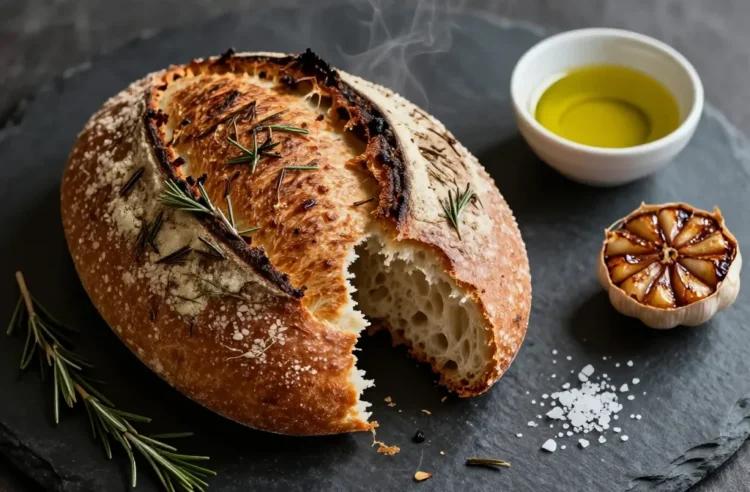
Roasted garlic smells like you won life. Add rosemary, a crackly crust, and a chewy, tender crumb, and you’ve got a loaf that hijacks every dinner plan. This isn’t a bakery flex—it’s a simple, deeply satisfying ritual you can pull off at home without a sourdough starter or a monk’s patience. Ready to make your kitchen smell like a Parisian dream with an herb garden twist?
Why Rosemary & Roasted Garlic Works (Like, Really Works)

Roasted garlic turns sweet and buttery in the oven. It loses the bite and melts into the dough like a smooth, savory secret. Rosemary brings piney brightness that cuts through the richness in the best way.
Together, they create a loaf that plays nice with everything: soups, grilled meats, salads, even breakfast eggs. You get big flavor with minimal drama. That’s the move: max payoff, low effort.
The Flavor Base: How to Roast Garlic Right
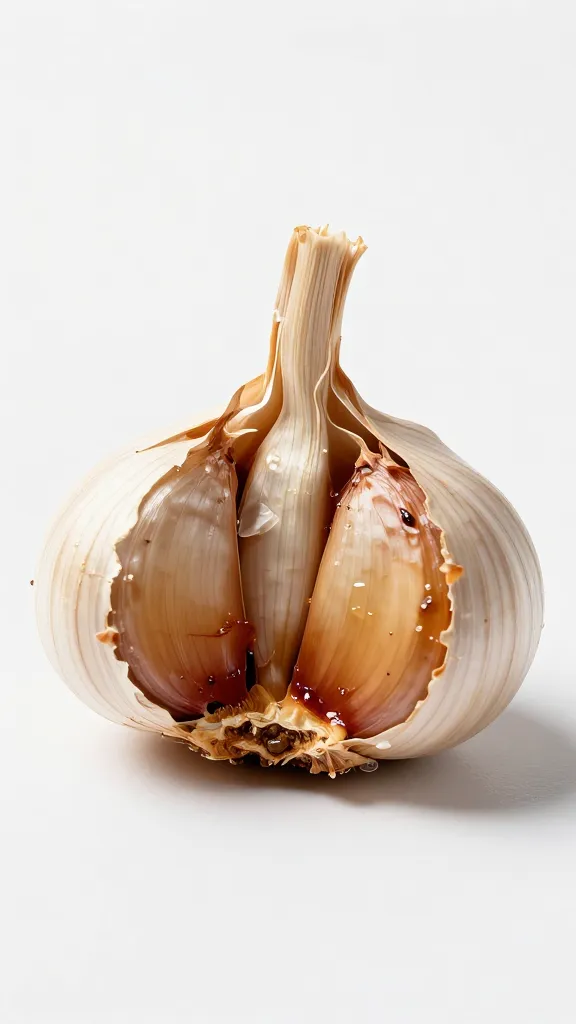
You can’t phone in the garlic. Roast it until it’s jammy and golden.
Step-by-step roasted garlic
- Heat oven to 400°F (200°C).
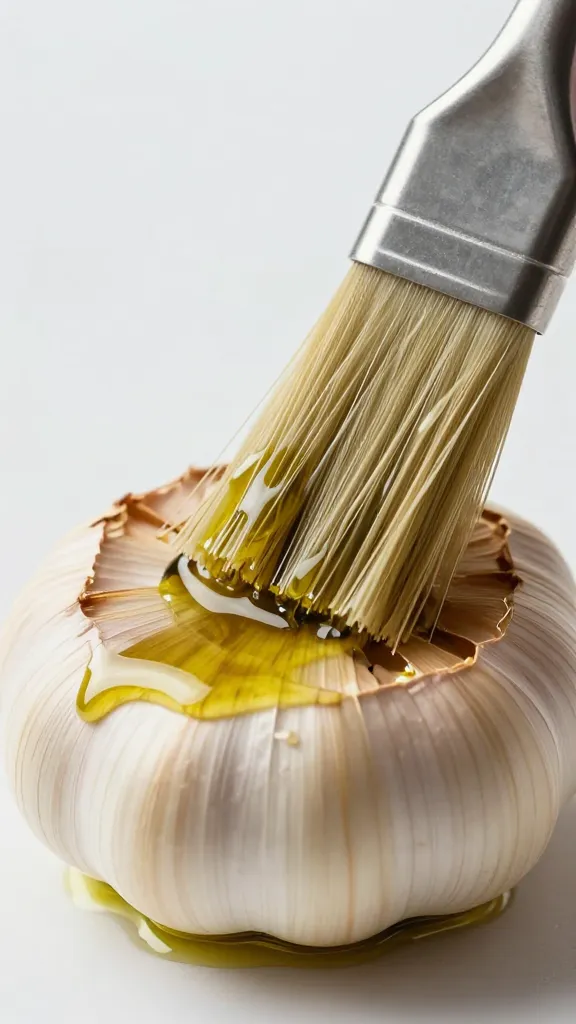
- Slice the top off a whole garlic bulb to expose the cloves.
- Drizzle with 1–2 tsp olive oil, sprinkle salt, wrap tightly in foil.
- Roast 40–50 minutes until soft and caramelized.
- Cool, then squeeze out the cloves like toothpaste from a very fancy tube.
Pro tip: Make two bulbs. One goes in the bread. The other mysteriously vanishes on toast while you “clean up.” FYI, that’s called quality control.
The Dough: Simple, Forgiving, Surprisingly Fancy
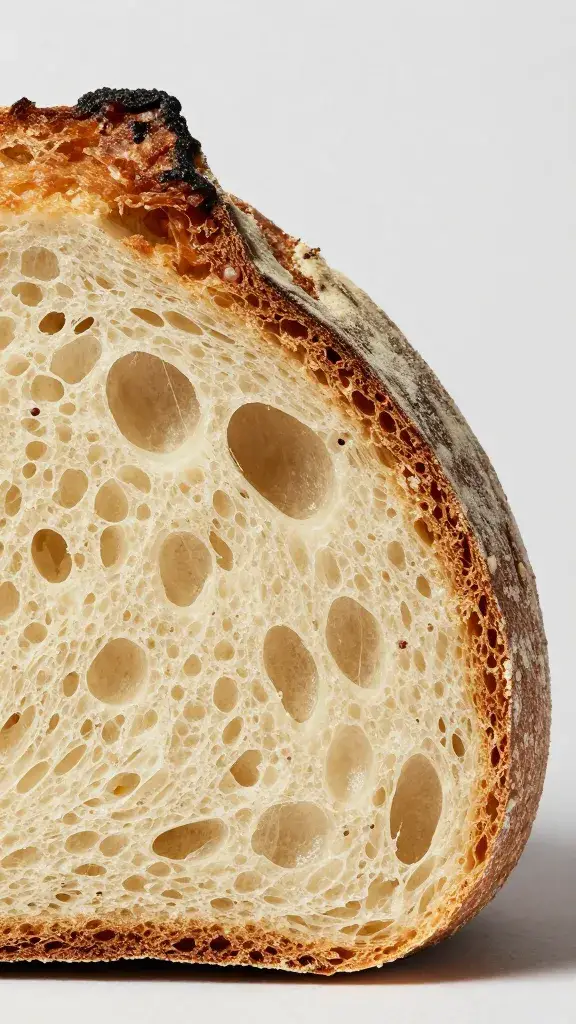
This is a no-knead style dough that rests overnight for flavor and structure. Time does the heavy lifting while you pretend you’re patient.
What you’ll need
- 3 cups (360g) bread flour (AP works in a pinch)
- 1 1/4 tsp fine sea salt
- 1/2 tsp instant yeast (active dry works too)
- 1 1/2 cups (360g) warm water
- 1 roasted garlic bulb, cloves mashed
- 1–2 tbsp fresh rosemary, minced (or 1 tsp dried, crushed)
- Optional: 1–2 tbsp olive oil for extra tenderness and flavor
Mixing the magic
- Whisk flour, salt, and yeast in a large bowl.
- Stir in water (and olive oil if using) until a shaggy dough forms. Don’t overthink it.
- Fold in roasted garlic and rosemary gently. It’ll look messy. It’s fine.
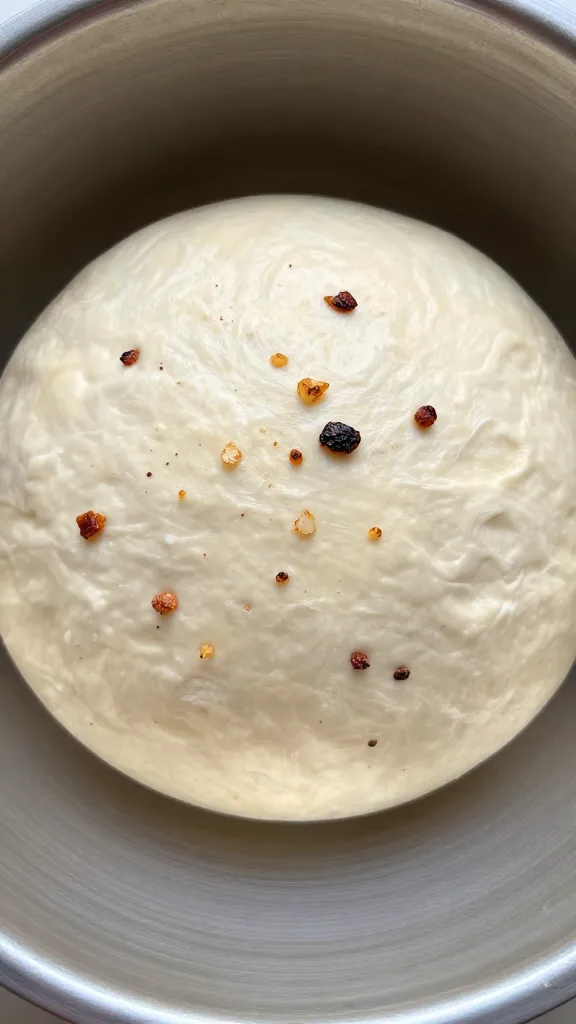
- Cover and let it rest at room temp for 12–18 hours until puffy and bubbly.
IMO, the long rest makes the crumb open and the flavor deep. You can’t rush swagger.
Shaping, Proofing, and That Signature Crust
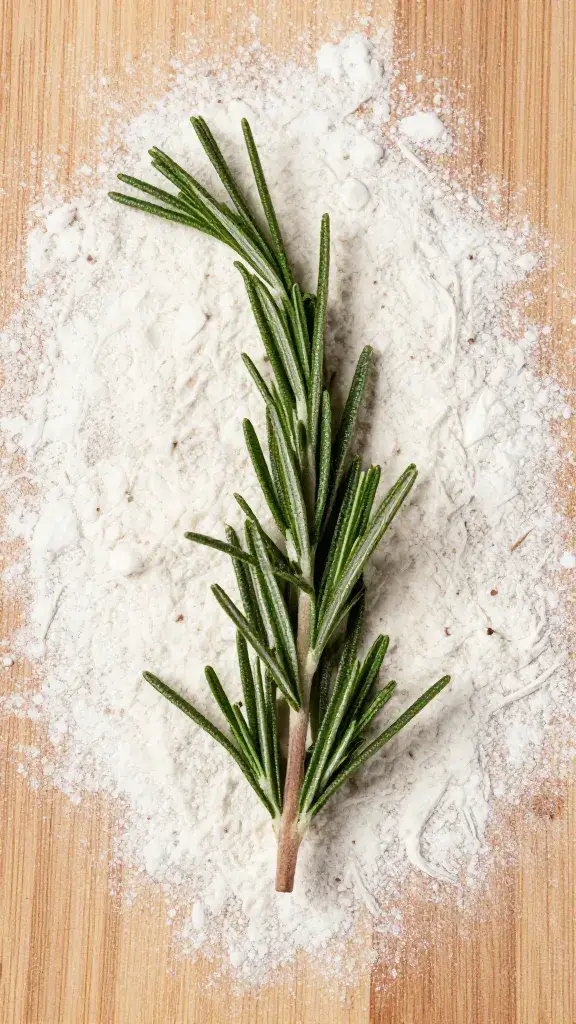
After the long nap, the dough needs a quick shape and a second rise. Think “confident blob.”
Shape and rest
- Dust your counter with flour. Turn out the dough.
- Use a bench scraper to fold edges toward the center a few times to tighten it.
- Flip seam-side down and shape into a round. Don’t wrestle it.
- Set on parchment, cover, and let rise 45–60 minutes.
Steam equals crust
For bakery-level crackle, bake it in a preheated Dutch oven. The trapped steam does the heavy lifting.
- Preheat Dutch oven at 450°F (230°C) for 30 minutes.
- Score the loaf with a sharp knife or lame (a simple X works).
- Lift the dough with parchment, place it in the hot pot, cover, and bake 30 minutes.
- Remove lid and bake another 12–18 minutes until deep golden.
- Cool at least 45 minutes before slicing. Yes, waiting hurts.
Flavor Upgrades and Fun Twists

You can tweak this loaf a dozen ways without losing the soul of it. Choose your adventure.
Herb and add-in riffs
- Lemon zest + rosemary for a bright, dinner-party vibe.
- Black pepper + parmesan because cheesy pepper bread slaps.
- Olives + thyme for a Mediterranean mood.
- Sun-dried tomatoes (oil-packed, patted dry) for tangy pops.
- Everything bagel topping sprinkled before baking—chaotic good.
Texture tweaks
- Olive oil in the dough softens the crumb and adds richness.
- Higher hydration (add 1–2 tbsp more water) for a more open crumb—stickier but worth it.
- Partial whole wheat (up to 25%) for nutty depth—add 1–2 tsp extra water per 1/2 cup.
Serving Ideas That Go Beyond “Bread, Meet Butter”
We all love butter. But this loaf deserves a bit of flair.
Simple but elite
- Olive oil + flaky salt with a squeeze of lemon. Done.
- Whipped ricotta with honey and cracked pepper. Don’t knock it.
- Garlic confit schmear if you’re feeling extra (you are).
Meal pairings
- Sop it up with tomato soup, beef stew, or creamy mushroom anything.
- Make it a sandwich: rotisserie chicken, arugula, and a lemony mayo.
- Breakfast win: toast + poached egg + chili crisp. FYI, addictive.
Common Pitfalls (And How to Dodge Them)

Strong loaf energy comes from a few small habits. Nail these, and you’ll crush it.
- Under-roasted garlic tastes sharp and harsh. Roast until jammy and caramelized.
- Too much flour during shaping makes a dense loaf. Use just enough to keep it from sticking.
- Skipping the preheat kills oven spring. Get that pot ripping hot.
- Cutting too soon traps steam and gums the crumb. Wait 45 minutes, minimum. I know. I’m sorry.
- Salt shy? Don’t be. Under-salted dough tastes flat. Stick to the recipe.
FAQ
Can I use dried rosemary instead of fresh?
Totally. Use about one-third the amount because dried herbs pack more punch. Crush it between your fingers first to wake up the oils. Fresh still tastes brighter, but dried does the job.
What if I don’t have a Dutch oven?
Use a heavy baking sheet or a preheated pizza stone. Add a metal pan on the lower rack and toss in a cup of hot water when the loaf goes in to create steam. Not quite the same, but close enough to brag about.
Can I speed up the rise?
You can do a warmer, shorter rise (3–4 hours) and a second rise of 45–60 minutes, but the flavor won’t run as deep. The overnight rest builds that artisan vibe. IMO, patience tastes better.
How do I store the bread?
Keep it cut-side down on a board for a day, or in a paper bag. Avoid plastic unless you like a soft crust. For longer storage, slice and freeze; toast straight from frozen and pretend it’s day one.
Can I double the garlic?
Yes, and I salute you. Just watch the dough’s moisture—it may get slightly looser. Fold the cloves in gently so you don’t end up with big garlic pockets (unless you want treasure maps inside your bread).
Why did my loaf spread instead of rising tall?
Likely over-proofed, too wet, or shaped too loosely. Next time, tighten the surface tension during shaping and make sure your Dutch oven preheats fully. A slightly stiffer dough also stands taller.
Conclusion

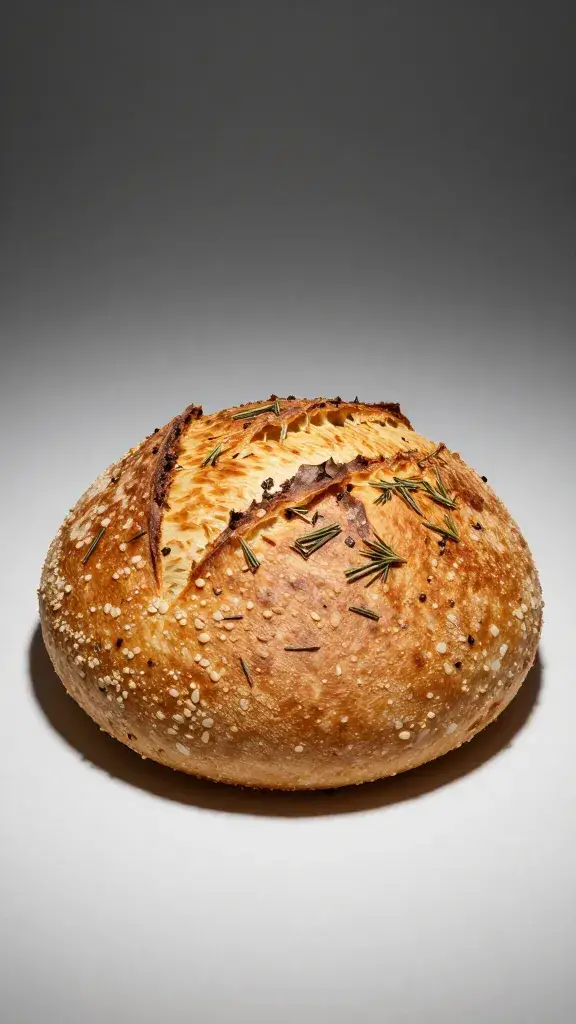
Rosemary & roasted garlic artisan bread delivers bakery-level drama with home-kitchen effort. You roast, stir, nap, bake, and suddenly dinner levels up. It’s rustic, aromatic, and wildly versatile—basically the friend who shows up, looks great, and helps clean. Bake it once, and your oven becomes your new favorite party trick.