
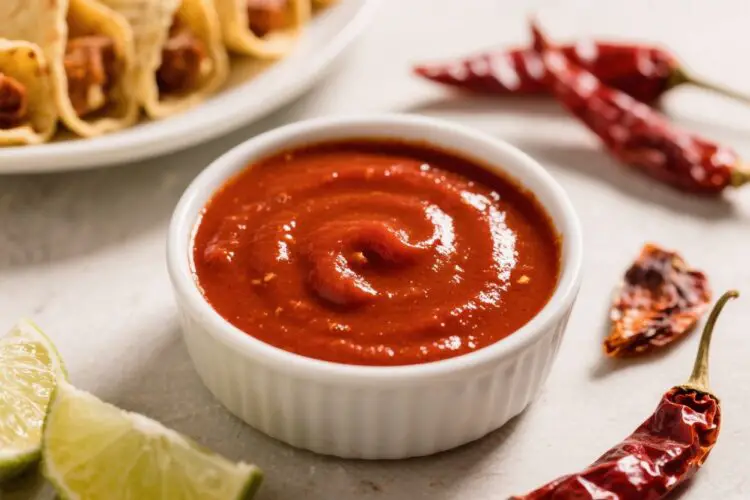
Making red enchilada sauce from dried chilies is one of those small kitchen moves that pays off big. The flavor is richer, more complex, and far more satisfying than anything from a can. You control the heat, the salt, and the texture.
It’s simple cooking, but it feels special—like bringing a little restaurant magic to your own stove. If you’ve only used chili powder before, this will change how you think about enchilada sauce.
Why This Recipe Works
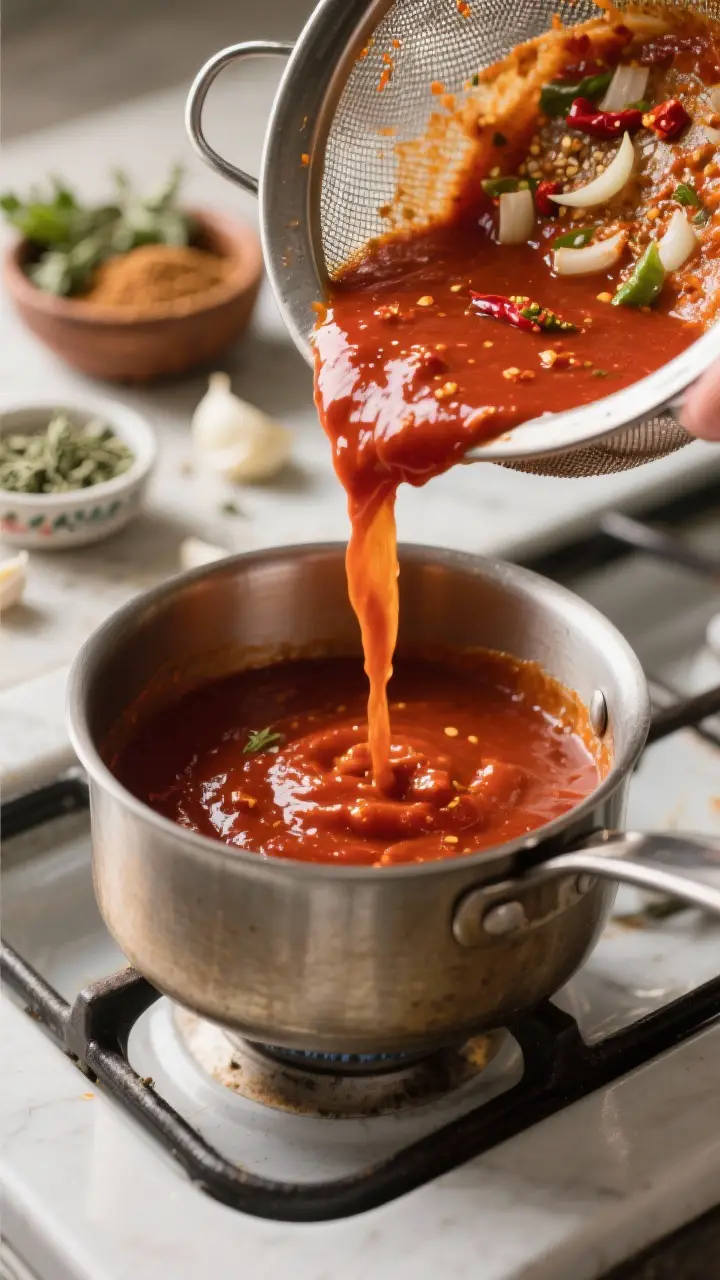
This sauce uses whole dried chilies, which offer a deep, fruity heat and a natural sweetness you can’t get from powdered blends. Toasting and simmering the chilies unlocks their oils and rounds out any bitterness.
A quick blend with aromatics turns everything silky and bright. The sauce finishes with a short simmer to marry flavors and thicken gently. The result is a balanced, versatile sauce that tastes like it took all day—but doesn’t.
Ingredients
- 6 dried guajillo chilies (stemmed and seeded)
- 3 dried ancho chilies (stemmed and seeded)
- 1–2 dried arbol chilies (optional, for heat)
- 1 small white onion, roughly chopped
- 4 garlic cloves, peeled
- 2 cups low-sodium chicken or vegetable broth (plus more as needed)
- 1 tablespoon tomato paste (optional, for body and brightness)
- 1 teaspoon Mexican oregano (or regular oregano)
- 1/2 teaspoon ground cumin
- 1–2 teaspoons apple cider vinegar (or red wine vinegar)
- 1–1.5 teaspoons kosher salt, to taste
- 1 tablespoon neutral oil (avocado, canola, or light olive oil)
- Pinch of sugar (optional, only if needed to balance)
Step-by-Step Instructions
- Prep the chilies: Use kitchen scissors to remove stems and shake out most of the seeds.
Tear the chilies into large pieces. This helps them toast evenly and rehydrate faster.
- Toast the chilies: Heat a dry skillet over medium. Add the chili pieces in batches and toast 20–30 seconds per side until fragrant and slightly darkened.
Do not burn. Transfer to a bowl.
- Soak until pliable: Cover the toasted chilies with hot water. Weigh them down with a small plate so they stay submerged.
Soak for 15–20 minutes, until softened.
- Sauté aromatics: In a small pot or skillet, warm the oil over medium. Add onion and cook 4–5 minutes until translucent with light browning. Add garlic for the last minute until fragrant.
- Blend the base: Drain the chilies well.
In a blender, combine the softened chilies, sautéed onion and garlic, tomato paste, oregano, cumin, and 1.5 cups of broth. Blend until very smooth, 45–60 seconds. Add more broth if it’s too thick to blend.
- Strain for silkiness (optional but recommended): Push the sauce through a fine-mesh strainer back into the pot, discarding skins and seeds left behind.
This step gives a smooth, restaurant-style finish.
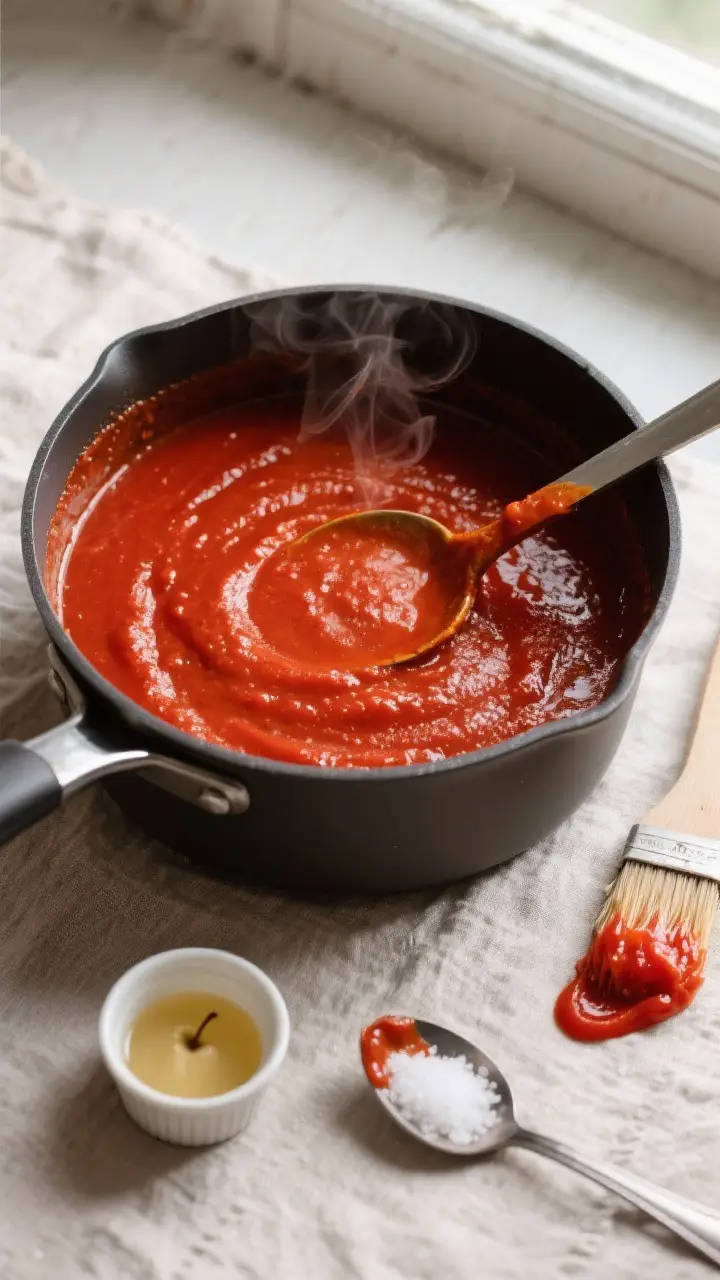
- Simmer and season: Bring the sauce to a gentle simmer over medium-low heat. Add 1 teaspoon salt and 1 teaspoon vinegar. Cook 8–10 minutes, stirring occasionally, until the sauce slightly thickens and turns glossy.
Taste and adjust salt, vinegar, and heat. If it tastes a bit flat, add a pinch of sugar.
- Adjust consistency: For enchiladas, you want a pourable sauce that clings to tortillas. Add a splash more broth if it’s too thick, or simmer a few minutes more if too thin.
- Use or cool: Let the sauce cool slightly before using.
It will thicken a bit more as it sits.
How to Store
- Refrigerator: Store in an airtight jar or container for up to 5 days.
- Freezer: Freeze in portions (ice cube trays or 1-cup containers) for up to 3 months. Thaw overnight in the fridge or gently warm on the stove with a splash of broth.
- Reheat: Warm over low heat, adding a little water or broth to loosen. Taste and re-season after reheating.
Benefits of This Recipe
- Authentic depth: Whole dried chilies bring natural complexity—fruity, earthy, a little smoky.
- Customizable heat: Guajillo and ancho are mild; arbol adds kick.
You decide the spice level.
- Clean ingredients: No preservatives, stabilizers, or mystery sugars.
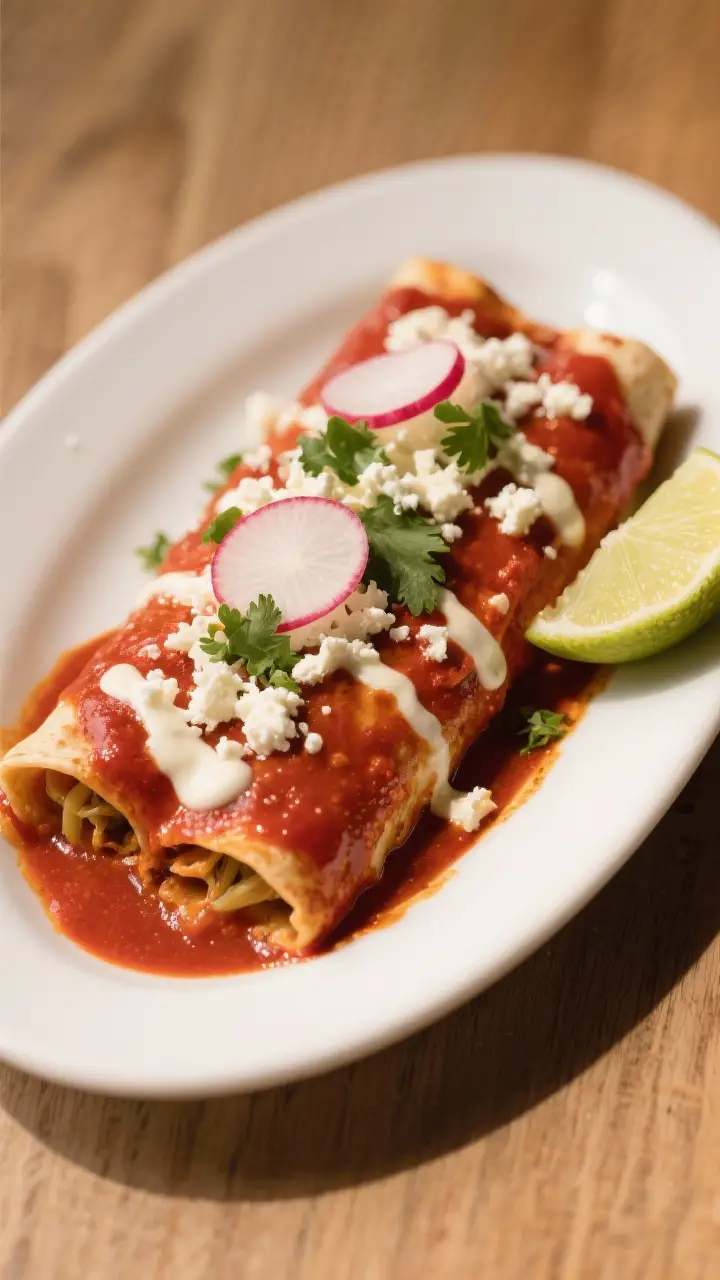
- Versatile: Use for enchiladas, chilaquiles, simmering eggs, topping burritos, or marinating proteins.
- Budget-friendly: Dried chilies are inexpensive and shelf-stable.
Common Mistakes to Avoid
- Skipping the toast: Untoasted chilies can taste flat. Toast just until fragrant—burnt chilies turn bitter fast.
- Not straining: You’ll catch stray skins and seeds, which can make the sauce gritty. Straining gives a smooth finish.
- Over-reducing: If you simmer too long, the sauce gets pasty and salty.
Keep it gently bubbling and watch the texture.
- Under-seasoning: Acid and salt bring the sauce to life. Taste, adjust, and taste again.
- Using old chilies: Stale chilies are dull and bitter. Look for pliable, glossy pods with a rich aroma.
Variations You Can Try
- Smokier profile: Add 1–2 dried morita or chipotle chilies for smoky heat.
- Tomato-forward: Blend in a roasted Roma tomato instead of tomato paste for a fresher note.
- Toasted spices: Lightly toast the cumin with a clove or two and a small piece of cinnamon stick before blending for warmth.
- Richer texture: Stir in a teaspoon of lard or butter at the end for a glossy, velvety finish.
- Garlic lovers: Roast the garlic cloves in their skins until soft and sweet, then blend.
- Herby lift: Add a small handful of fresh cilantro during blending for a greener, brighter twist.
FAQ
Can I use different chilies?
Yes.
Guajillo and ancho are classic and mild, but you can swap in pasilla for deeper earthiness or add arbol for heat. Keep the overall number of chilies similar and adjust to taste.
Do I need to remove all the seeds?
Remove most of them. Seeds can make the sauce bitter and sandy.
A few won’t hurt, but straining will help catch leftovers.
What if I don’t have a fine-mesh strainer?
Blend longer with a high-speed blender and add a bit more broth for smoother results. It won’t be quite as silky, but it will still be delicious.
How spicy is this sauce?
With just guajillo and ancho, it’s mild to medium. Adding arbol or chipotle increases the heat.
Start small and build up.
Can I make it oil-free?
Yes. Skip the oil and simmer the onions with a splash of broth instead. The sauce will be slightly less glossy but still flavorful.
What’s the best broth to use?
Low-sodium chicken broth gives a rounded savory taste.
Vegetable broth is great for a vegetarian option. Water works in a pinch if you season well.
Why add vinegar?
Acid brightens the sauce and balances the natural bitterness of chilies. Start with 1 teaspoon and adjust to taste at the end.
Can I skip tomato paste?
Sure.
It adds a touch of sweetness and body, but the sauce will still be authentic and flavorful without it. Consider adding a roasted tomato if you want that note.
How much sauce does this make?
About 2 to 2.5 cups, enough for one 9×13 pan of enchiladas. Double the recipe if you like to freeze extra.
How do I prevent tortillas from tearing when saucing?
Warm the tortillas first and give them a quick dip in hot oil or sauce to soften.
Roll while warm and work quickly.
Wrapping Up
Making red enchilada sauce from dried chilies is simple, fast, and incredibly rewarding. You get bold, clean flavor with just a few pantry staples and 30 minutes at the stove. Once you taste the depth and balance, canned sauce won’t cut it.
Keep dried chilies on hand, and you’ll always be a few steps away from standout enchiladas—or any dish that needs a hit of honest, smoky warmth.
Printable Recipe Card
Want just the essential recipe details without scrolling through the article? Get our printable recipe card with just the ingredients and instructions.