
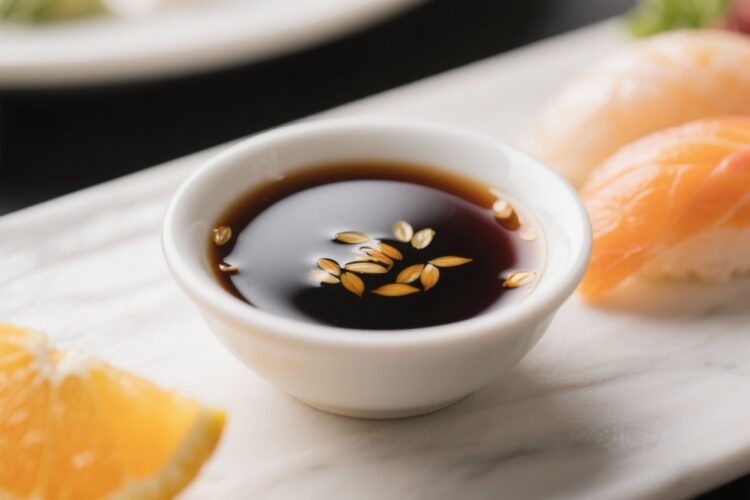
Ponzu sauce is one of those quiet essentials that makes everything taste better. It’s light, citrusy, and just salty enough to bring out the best in whatever it touches. Think of it as soy sauce with a sunny twist—clean, tangy, and deeply flavorful.
It’s great as a dipping sauce, a salad dressing base, or a quick glaze for grilled meats and tofu. Making it at home is easy, and the result tastes fresher and more balanced than most store-bought versions.
What Makes This Special
Ponzu sits at the intersection of bright citrus and savory umami. That balance is what gives it so much range—from sashimi to dumplings to grilled vegetables.
Traditional Japanese ponzu often includes yuzu, a fragrant citrus that’s hard to find outside specialty markets. The beauty of this recipe is that it uses a blend of common citrus juices that get close to that classic flavor.
Homemade ponzu also lets you control the sweetness and saltiness. You can dial it up for dipping or mellow it for dressings.
It keeps well, too, making it a handy staple to have in your fridge.
What You’ll Need
- Soy sauce (regular or light): 1/2 cup
- Citrus juice blend (see note below): 1/2 cup
- Rice vinegar: 2 tablespoons
- Mirin (or 1 tablespoon sugar + 1 tablespoon water): 2 tablespoons
- Kombu (dried kelp): 1 small piece (about 2 x 2 inches)
- Bonito flakes (katsuobushi): 1/2 cup, loosely packed
- Lemon or yuzu zest (optional): 1/2 teaspoon
- Fresh ginger, thinly sliced (optional): 3–4 slices
- Water (optional, for a lighter sauce): up to 1/4 cup
Citrus note: If you don’t have yuzu, use a mix of lemon, lime, and orange. A good balance is 2 parts lemon, 1 part lime, 1 part orange. For example, 4 tablespoons lemon, 2 tablespoons lime, 2 tablespoons orange.
Step-by-Step Instructions
- Prep your citrus. Juice the lemon, lime, and orange.
Strain out seeds and pulp so the ponzu stays smooth and clear.
- Combine the base. In a small bowl or jar, mix soy sauce, citrus juice, rice vinegar, and mirin. If you prefer a milder salt level, stir in a little water to taste.
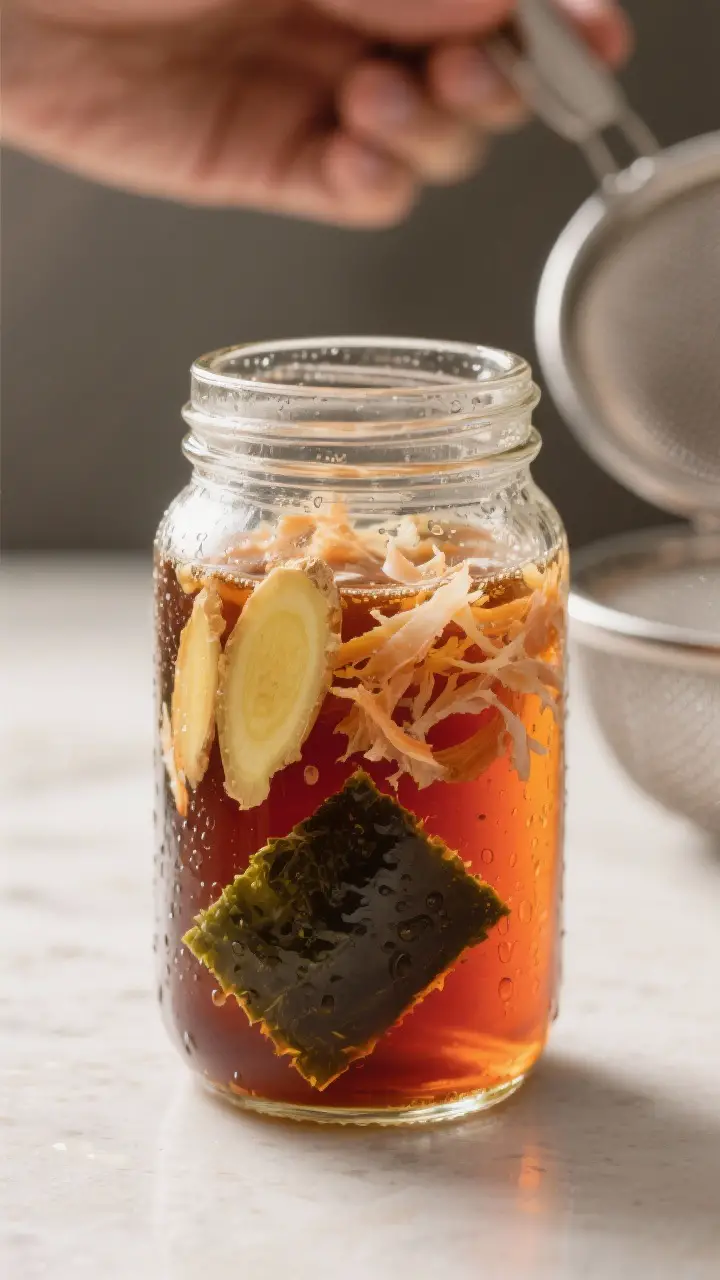
- Add umami boosters. Slip in the kombu piece and add the bonito flakes. These bring depth and that classic savory note.
- Optional aromatics. Add lemon or yuzu zest and a few slices of fresh ginger if you like a brighter or spicier edge.
- Steep gently. Cover and let the mixture sit in the fridge for at least 1–2 hours.
For fuller flavor, steep 8–12 hours. Avoid heating; cold steeping keeps the citrus fresh and prevents bitterness.
- Strain and finish. Pour the mixture through a fine strainer or cheesecloth. Press gently on the bonito to extract flavor, but don’t mash it or the sauce can turn cloudy.
- Taste and adjust. If it’s too sharp, add a splash more mirin or a pinch of sugar.
If it’s too salty, dilute with a tablespoon of water or extra citrus.
- Bottle and chill. Transfer the sauce to a clean glass jar or bottle. Label it and refrigerate.
How to Store
Refrigeration: Keep ponzu in a sealed container in the fridge for up to 2 weeks. The flavor actually rounds out after a day.
Freezing: You can freeze ponzu in ice cube trays, then store the cubes in a freezer bag for up to 2 months.
Thaw in the fridge.
Clarity tip: Always strain well and use clean utensils to extend freshness and keep the sauce clear.
Benefits of This Recipe
- Flexible and forgiving: You can tweak the citrus blend, sweetness, and salinity to match your dish.
- Layered flavor: Kombu and bonito add depth without heaviness, making it ideal for delicate foods.
- Health-conscious: Light, low in fat, and full of bright flavor, so you can use less oil or heavy sauces.
- Budget-friendly: A small batch goes a long way and tastes fresher than bottled versions.
- Make-ahead friendly: Steeping improves the flavor, so it’s perfect to prepare in advance.
Common Mistakes to Avoid
- Overheating the mixture: Heating can make the citrus bitter and mute the fresh aroma. Cold steeping is best.
- Skipping the strain: Leaving bonito flakes or zest in too long turns the sauce cloudy and overly strong.
- Using only one citrus: A single citrus can taste flat. Blending lemon, lime, and orange creates better balance.
- Too much sweetness: Mirin or sugar should soften the edges, not make the sauce sugary.
- Old kombu or low-quality soy sauce: These directly affect flavor.
Use fresh kombu and a soy you like on its own.
Variations You Can Try
- Yuzu-forward: If you find bottled yuzu juice, replace half the citrus blend with it for a more traditional profile.
- Vegan dashi style: Skip bonito flakes and double the kombu. Add a few dried shiitake slices for extra umami.
- Spicy ponzu: Add a few slices of fresh chili or a small pinch of chili flakes during the steep.
- Sesame ponzu: Stir in 1 teaspoon toasted sesame oil at the end for a nutty finish.
- Honey-lime ponzu: Swap mirin for 1 teaspoon honey and a little extra lime for a brighter, slightly floral taste.
- Grapefruit twist: Replace the orange portion with grapefruit juice for a more bitter, sophisticated edge.
FAQ
What is ponzu made of?
Ponzu is typically made from soy sauce, citrus juice, rice vinegar, a touch of sweetness (like mirin), and umami boosters such as kombu and bonito flakes. The combination creates a tangy, savory, lightly sweet sauce.
Can I make ponzu without alcohol?
Yes.
Replace mirin with 1 tablespoon sugar dissolved in 1 tablespoon water. You’ll get the mild sweetness without alcohol content.
Is ponzu gluten-free?
It can be. Use a gluten-free tamari or certified gluten-free soy sauce.
All other ingredients are usually gluten-free, but check labels to be safe.
How do I use ponzu?
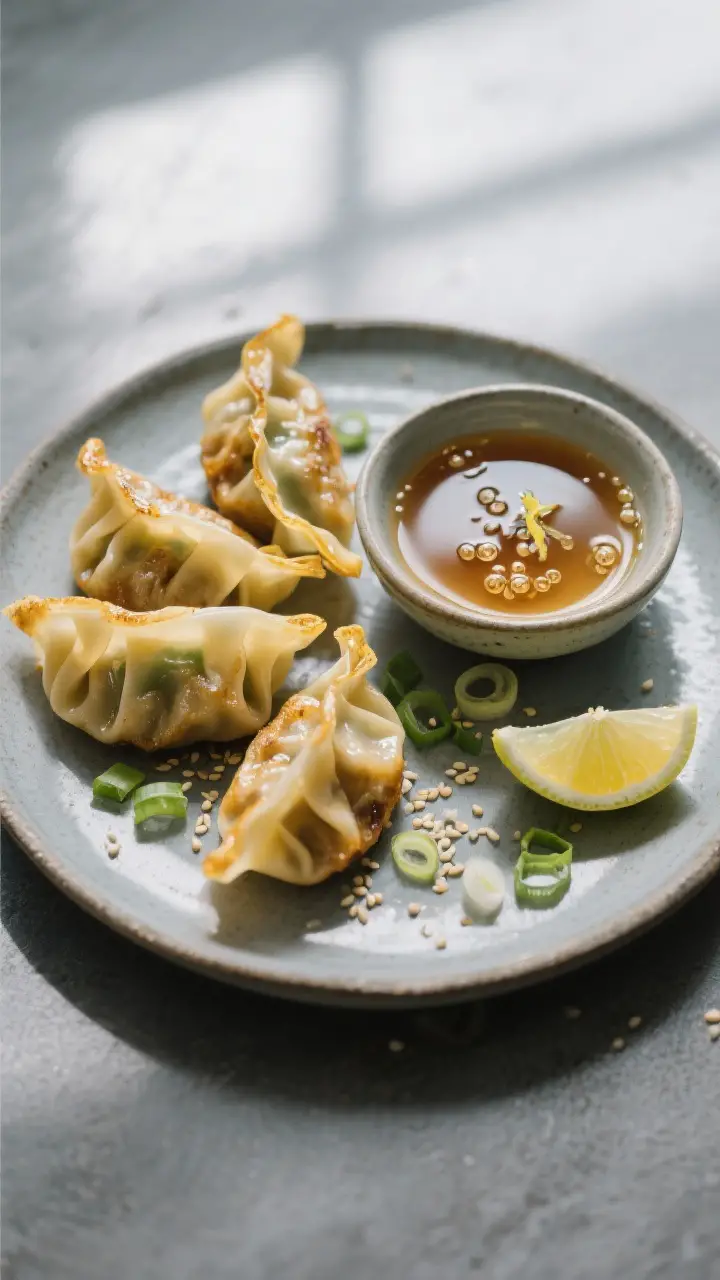
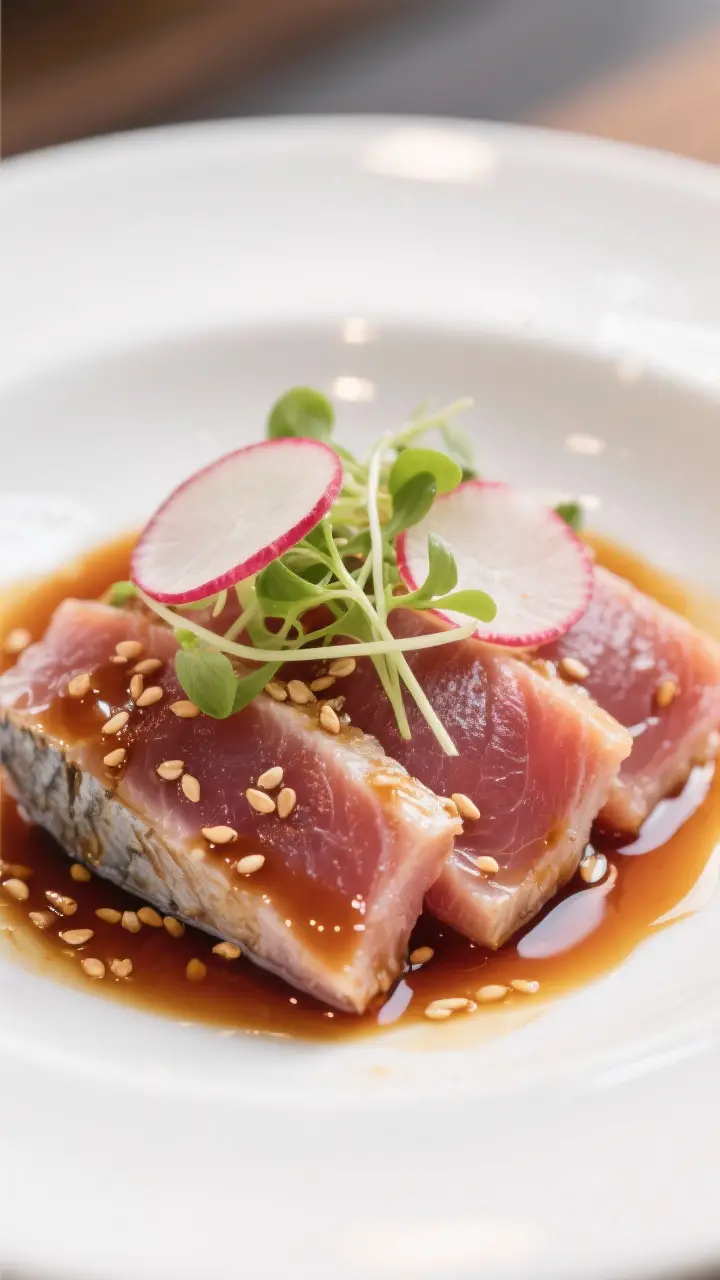
Use it as a dipping sauce for dumplings, sashimi, tempura, or grilled meats. It’s also great as a salad dressing base, a marinade for tofu or chicken, or a finishing splash on roasted vegetables and noodles.
Can I skip the kombu and bonito?
You can, but the sauce will be less complex. If you’re vegetarian or can’t find bonito, double the kombu and add dried shiitake for depth.
Why did my ponzu turn cloudy?
It may be from pressing the bonito too hard, leaving solids in the sauce, or using zest that shed pith.
Strain gently and thoroughly for a clear finish.
How salty should ponzu be?
Ponzu should be moderately salty, similar to diluted soy sauce. If it tastes too strong, add a splash of water or more citrus to balance it.
Can I use bottled lemon juice?
Fresh juice makes a noticeable difference. Bottled juices often taste dull or harsh.
If you must use bottled, balance with a bit of fresh lime or orange and consider adding a small amount of zest.
How long should I steep the kombu and bonito?
At least 1–2 hours in the fridge for a light flavor. For a deeper taste, 8–12 hours is ideal. Strain after steeping to avoid over-extraction.
What pairs well with ponzu?
Light proteins like fish, shrimp, chicken, tofu, and soba noodles shine with ponzu.
It also wakes up cucumbers, tomatoes, steamed greens, and avocado.
In Conclusion
Ponzu sauce is a simple staple that brings bright, balanced flavor to everyday cooking. With a few pantry ingredients and fresh citrus, you can make a versatile sauce that works as a dip, dressing, or marinade. Once you try a homemade batch, you’ll find yourself reaching for it all week long.
Printable Recipe Card
Want just the essential recipe details without scrolling through the article? Get our printable recipe card with just the ingredients and instructions.