
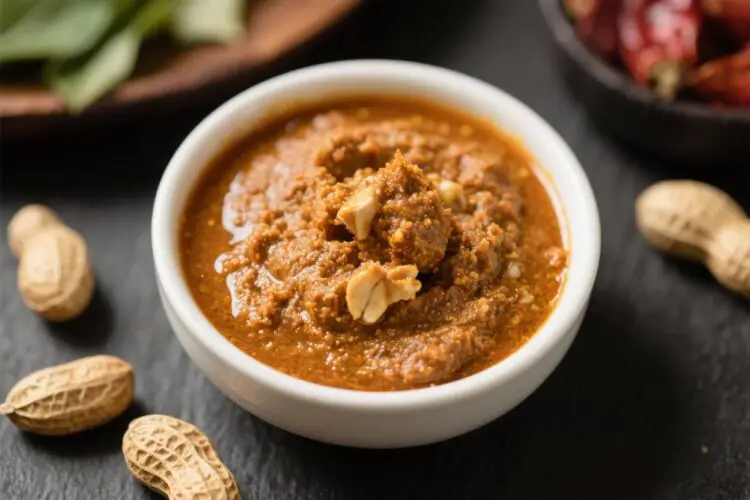
Panang curry paste is for those days when you want bold Thai flavor that leans a little sweet, a little nutty, and wonderfully aromatic. It’s richer than classic red curry paste and friendlier for people who love a creamy, peanut-forward sauce. Making it at home lets you control the heat, sweetness, and texture.
Plus, the paste keeps well, so you can whip up Panang curry on a weeknight without much effort. Once you make a batch, you’ll wonder why you ever bought it in a jar.
What Makes This Recipe So Good
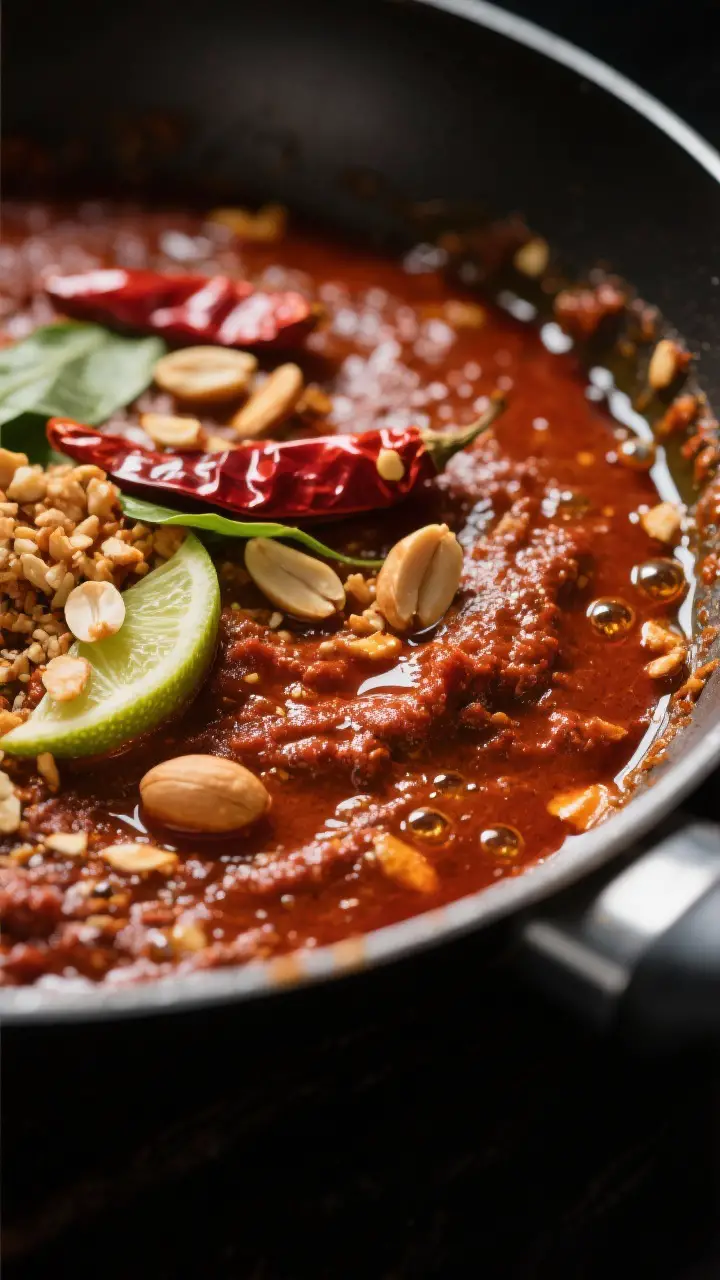
- Authentic yet approachable: Traditional aromatics like lemongrass, galangal, and makrut lime leaf build a base that tastes like your favorite Thai spot, without being fussy.
- Peanut-forward flavor: Toasted peanuts bring that signature Panang richness and slightly sweet edge.
- Customizable heat: Adjust the number of dried chilies to suit your spice tolerance without losing depth.
- Versatile use: Use it for curries, grilled meats, marinades, and even as a punchy base for stir-fries.
- Make-ahead friendly: The paste develops flavor after a day or two and freezes beautifully.
Ingredients
- 10–12 dried red Thai chilies (or 6–8 for milder heat), seeds mostly removed and soaked until soft
- 1 tablespoon kosher salt (or 2 teaspoons fine sea salt)
- 1/2 cup roasted, unsalted peanuts
- 2 stalks lemongrass, tender inner parts only, finely sliced
- 1 tablespoon galangal, peeled and chopped (or 1 tablespoon ginger if needed)
- 6 cloves garlic, peeled
- 4 small shallots, peeled and roughly chopped
- 2 teaspoons coriander seeds, toasted
- 1 teaspoon cumin seeds, toasted
- 1/2 teaspoon white peppercorns (or black peppercorns), toasted
- 1 teaspoon shrimp paste (kapi), optional but recommended
- 1 teaspoon palm sugar (or light brown sugar), plus more to taste
- Zest of 1 makrut (kaffir) lime or 3–4 makrut lime leaves, finely sliced (remove the stems)
- 1 tablespoon neutral oil (for blending; more as needed)
- 2–3 tablespoons water (as needed for consistency)
Instructions
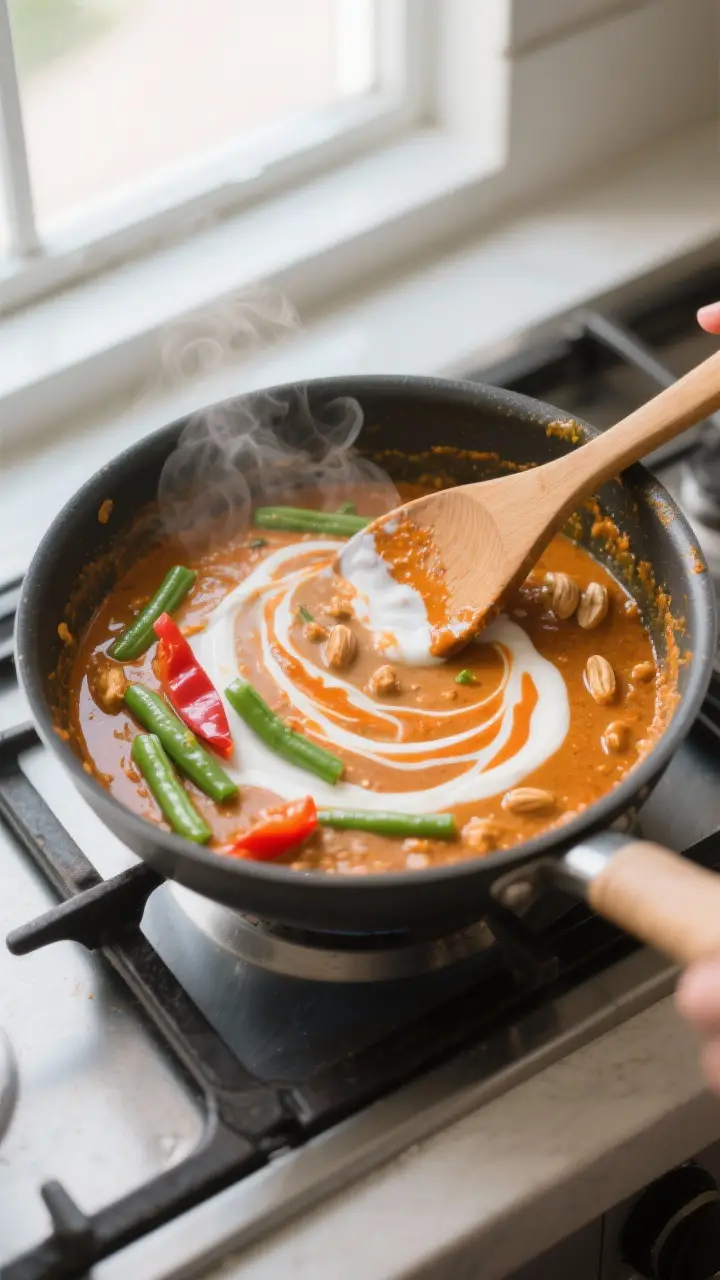
- Prep the chilies: Remove most seeds to control heat. Soak chilies in hot water for 15–20 minutes until soft.Drain and pat dry.
- Toast the spices: In a dry skillet over medium heat, toast coriander seeds, cumin seeds, and peppercorns until fragrant, 1–2 minutes. Let cool, then grind to a fine powder with a spice grinder or mortar and pestle.
- Pulse the peanuts: Lightly crush or pulse roasted peanuts to a coarse crumb. You want texture, not peanut butter.
- Build the base: In a mortar and pestle (traditional) or food processor (easier), pound or blend the softened chilies with salt until you have a smooth paste.
- Add aromatics: Add lemongrass, galangal, garlic, and shallots.Pound or blend until very smooth. If using a processor, add a splash of water or oil to help it move, but keep it thick.
- Season and enrich: Add ground spices, shrimp paste, palm sugar, and makrut lime zest or finely sliced leaves. Pound or blend to fully incorporate.
- Fold in peanuts: Mix in the crushed peanuts.The paste should be thick, cohesive, and slightly chunky from the nuts. Add tiny splashes of water or oil only if it’s too stiff to blend.
- Taste and adjust: Look for a balance of warm heat, citrus brightness, nuttiness, and gentle sweetness. Add sugar for more sweetness, salt for punch, or more peanuts for body.
- Rest the paste: Let the paste sit 30 minutes before using.The flavors settle and meld as it rests.
Keeping It Fresh
- Refrigerator: Pack the paste into a clean jar, smooth the top, and cover with a thin layer of oil. It keeps for 1–2 weeks.
- Freezer: Portion into ice cube trays or small bags. Freeze up to 3 months.Thaw overnight or add directly to a hot pan.
- Minimize air exposure: Air is the enemy of freshness and color. Press plastic wrap onto the surface if not using oil.
- Label and date: It’s easy to forget what’s in your freezer. A simple label saves guesswork later.
Health Benefits
- Built-in portion control: A little goes a long way, adding flavor without needing heavy sauces.
- Aromatic herbs: Lemongrass and galangal offer antioxidants and may aid digestion.
- Peanuts for satiety: Healthy fats and a touch of protein help keep meals satisfying.
- Customizable sodium: Homemade paste means you control the salt compared to many store-bought versions.
- Adjustable sweetness: You decide how much sugar to add, keeping things balanced rather than cloying.
Pitfalls to Watch Out For
- Skipping the soak: Dry chilies that aren’t fully softened will make a gritty paste and strain your blender.
- Too much liquid: It’s tempting to add lots of water for easier blending, but you’ll lose the thick, concentrated texture.Use small amounts.
- Unbalanced sweetness: Panang should be gently sweet, not sugary. Taste as you go and remember coconut milk will add sweetness later.
- Neglecting freshness: Old, fibrous lemongrass and stale peanuts flatten the flavor. Use fresh aromatics and freshly roasted nuts.
- Overpowering heat: Removing most seeds helps.You can always add more chilies; you can’t take them out.
Recipe Variations
- Nut swap: Use roasted cashews for a creamier, slightly sweeter twist. Almonds work in a pinch but change the flavor more noticeably.
- Vegetarian: Omit shrimp paste and add 1 teaspoon white miso or a splash of soy sauce for savory depth.
- Citrus lift: Add extra makrut lime zest for brighter aroma, especially if your chilies are mild.
- Spice-forward: Increase coriander and cumin by 50% for a warmer, more robust profile.
- Smoky heat: Blend in one or two dried guajillo or ancho chilies with the Thai chilies for gentle smokiness.
- No-galangal version: Use ginger plus a pinch of ground cardamom to mimic some of galangal’s piney brightness.
FAQ
How much paste should I use for a curry?
For a standard 14-ounce can of coconut milk, start with 2–3 tablespoons of paste. Simmer, taste, and add more if you want a stronger flavor.
Can I make this without a mortar and pestle?
Yes.
A small food processor or high-powered blender works well. Scrape the sides often, add minimal liquid, and finish by stirring in the crushed peanuts for better texture.
What protein and veggies pair best with Panang?
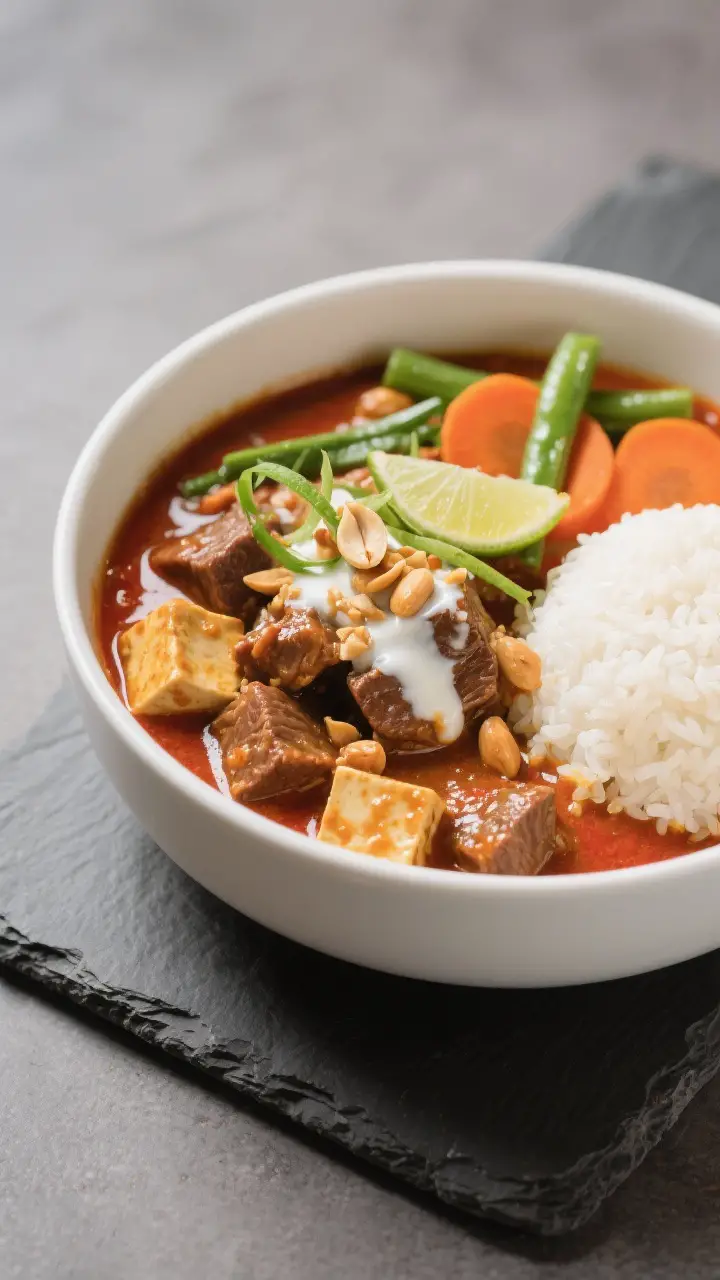
Chicken thighs, beef, tofu, or shrimp are classic. For vegetables, try red bell pepper, green beans, carrots, winter squash, or broccoli. For a delicious twist, consider adding crushed peanuts or sesame seeds for extra texture. Drizzle a flavorful sauce over the top to tie everything together. This combination works beautifully in a thai peanut noodle recipe, blending the rich flavors of the vegetables and proteins seamlessly. The harmony of flavors created by this medley is further enhanced with a homemade thai peanut sauce recipe, which offers the perfect balance of sweetness and spice. Serve the dish over a bed of noodles or rice to absorb all the delicious sauce. For an extra kick, add a sprinkle of red pepper flakes or a squeeze of lime juice just before serving. To elevate the dish even further, drizzle it with a homemade thai sweet chili sauce recipe that adds a delightful sweetness and a hint of heat. This sauce perfectly complements the earthy flavors of the proteins and vegetables, bringing a vibrant kick to each bite. Don’t forget to garnish with fresh herbs like cilantro or basil for a burst of freshness that ties everything together beautifully. For an even more vibrant presentation, consider incorporating colorful garnishes such as sliced green onions or chopped peanuts. The addition of a homemade thai sweet chili sauce recipe can elevate the dish, providing a perfect finishing touch. This sauce not only enhances the overall flavor but also adds visual appeal, making your meal not just delicious, but also a feast for the eyes.
The sweet-savory sauce plays nicely with hearty, slightly sweet produce.
Is Panang curry supposed to be very sweet?
Not overly. It’s sweeter than red curry thanks to peanuts and palm sugar, but it should still taste balanced. If it leans too sweet, add fish sauce or lime juice when cooking the curry.
What if I can’t find makrut lime leaves?
Use lime zest plus a little lemon zest to approximate the floral citrus note.
It won’t be the same, but it will keep the paste bright.
Does the paste need to be cooked before using?
Yes, briefly. When making curry, bloom the paste in a bit of coconut cream or oil for 1–2 minutes over medium heat. This releases fragrance and deepens flavor. Once the paste is fragrant, you can add your choice of protein and vegetables to the pot. For a delicious option, try a Thai coconut curry shrimp recipe that pairs beautifully with the rich flavors you’ve created. Let everything simmer together, allowing the ingredients to meld, which will elevate the overall dish. For those looking for a lighter option, consider trying a thai coconut curry soup recipe, which adds a lovely broth that complements the richness of the coconut cream. Adjust the consistency to your liking by adding more coconut milk or vegetable stock, and finish with fresh herbs like cilantro or basil for an extra burst of flavor. This versatile dish can easily be customized with whatever ingredients you have on hand, making it a perfect choice for a quick weeknight meal.
Can I reduce the salt?
Absolutely.
Start with half the salt and adjust during cooking with fish sauce or soy sauce. Remember coconut milk can mute saltiness, so season to taste at the end.
Wrapping Up
Panang curry paste brings comfort in a spoonful—rich, nutty, and warmly spiced. With a short list of aromatics and a handful of peanuts, you can build a paste that’s deeply flavorful and easy to customize. Experimenting with different proportions allows you to adjust the intensity of the flavors to match your personal preference. For those looking to switch things up, a thai red curry paste recipe can offer a vibrant alternative, infusing dishes with a bold and fiery kick. Whether you prefer it mild or extra spicy, crafting your own curry paste opens the door to endless culinary creativity. For a different flavor profile, consider trying a massaman curry paste recipe that incorporates aromatic spices like cinnamon and cardamom, offering a unique twist on traditional Thai curries. This paste beautifully balances sweetness and heat, making it perfect for stews and slow-cooked dishes. Each curry paste you create will not only reflect your taste preferences but also introduce you to the rich tapestry of flavors that Thai cuisine has to offer. For those seeking a fresh and herbaceous flavor, a thai-green-curry-paste-recipe/”>thai green curry paste recipe is a fantastic option, featuring vibrant ingredients like fresh green chilies, basil, and cilantro. This paste brings a bright color and a zesty taste, elevating your dishes with a delightful combination of heat and freshness. No matter which curry paste you choose to make, you’ll discover new dimensions in your cooking that celebrate the essence of authentic Thai flavors.
Make a batch, stash it in the fridge or freezer, and you’re set for quick, cozy meals any night of the week. Once you’ve tried homemade, the jarred version won’t quite measure up.
Printable Recipe Card
Want just the essential recipe details without scrolling through the article? Get our printable recipe card with just the ingredients and instructions.
Pingback: Gaeng Panang (Rich, Dry Panang Curry) – A Bold, Creamy Thai Classic - Whaley Cooks