
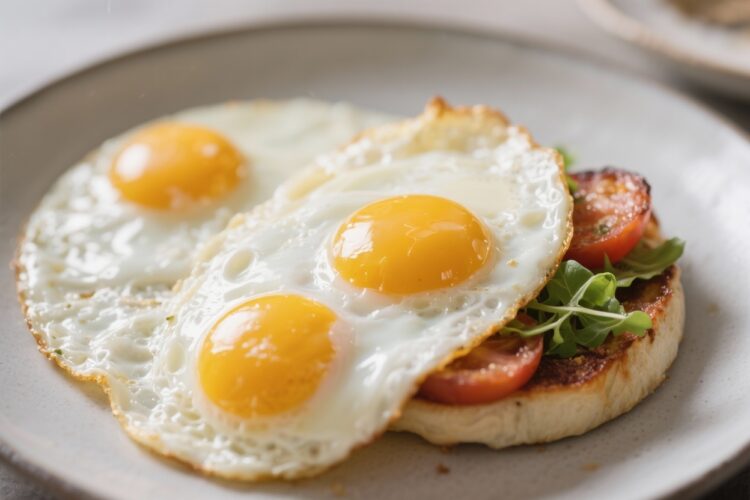
Over easy eggs are the weekday hero of breakfast: quick to make, satisfying, and endlessly versatile. When done right, the whites are set and silky, and the yolk is gently runny—perfect for toast, potatoes, or a breakfast sandwich. The secret is moderate heat, a little fat, and a light touch with the flip.
If you’ve ever broken the yolk or ended up with rubbery whites, this guide will fix that. With a few simple tips, you’ll make over easy eggs that look and taste like diner perfection.
Why This Recipe Works
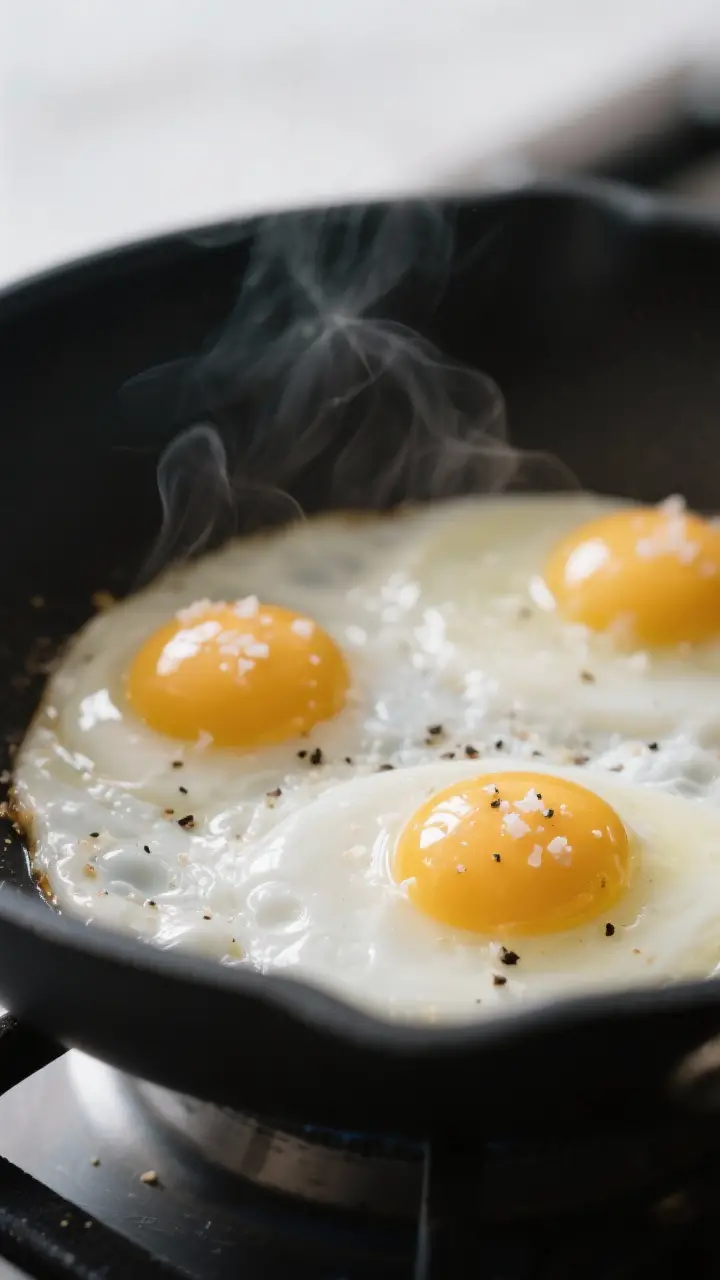
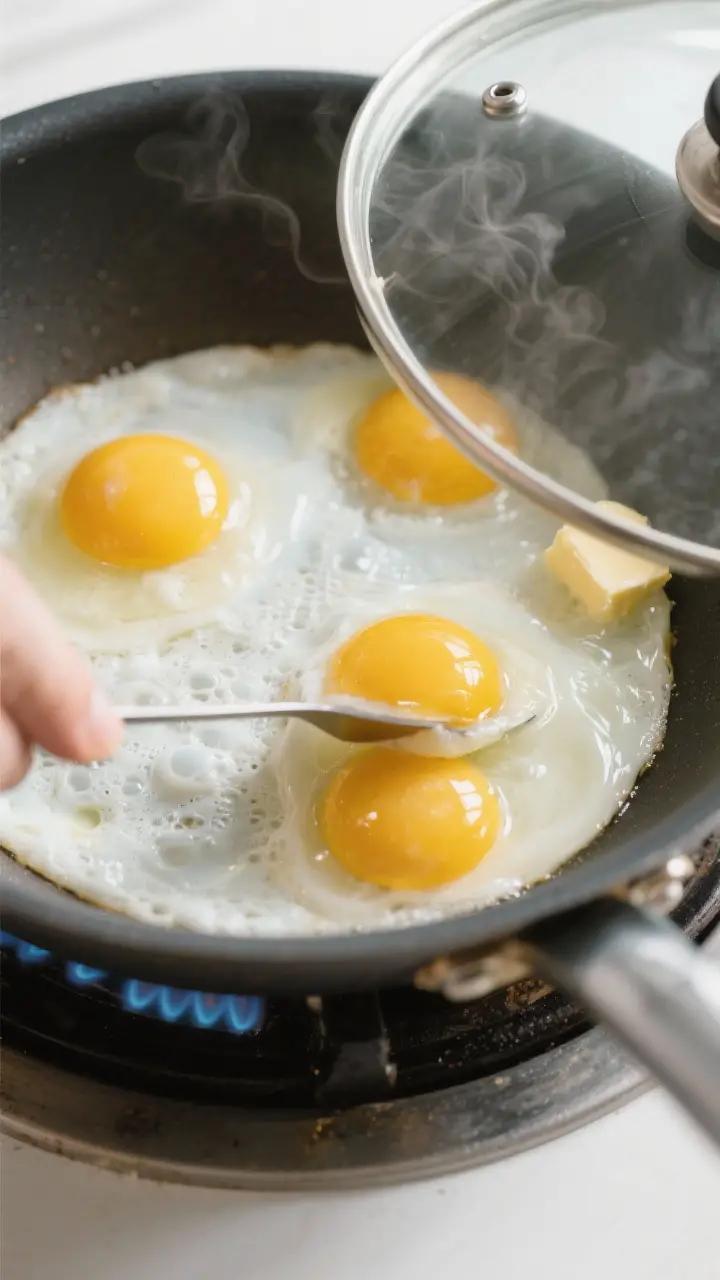
The method keeps the heat at a steady medium-low so the whites cook through without browning too fast. A small amount of butter or oil prevents sticking and adds flavor, while a covered pan traps a bit of steam to gently set the surface.
Flipping for just 10–20 seconds sets the top without overcooking the yolk. These small details create a tender white and a creamy yolk every time.
Shopping List
- Large eggs (as fresh as possible)
- Butter or neutral oil (like canola or avocado oil)
- Salt (fine or flaky)
- Black pepper (freshly ground, optional)
- Nonstick or well-seasoned skillet (8–10 inches for 2 eggs)
- Thin spatula (preferably flexible or fish spatula)
Step-by-Step Instructions
- Preheat the pan. Place a nonstick or well-seasoned skillet over medium-low heat for 1–2 minutes. You want even, gentle heat—not scorching hot.
- Add fat. Melt 1 teaspoon of butter or add 1 teaspoon of oil to the pan.
Tilt the pan so the fat coats the surface. The butter should melt without browning quickly.
- Crack the eggs carefully. Crack 1–2 eggs into a small bowl, then slide them into the pan. This helps prevent shell bits and keeps the yolk intact.
If you crack directly into the pan, do it gently on a flat surface.
- Season lightly. Sprinkle a pinch of salt over the whites and yolks. Add pepper if you like. Keep the heat steady; the whites should lightly sizzle, not spit.
- Let the whites set. Cook undisturbed until the edges of the whites turn opaque and the center is mostly set, about 1½–2 minutes.
The yolk should still look soft and glossy.
- Optional steam step. For neater edges and even cooking, cover the pan for 15–20 seconds. This helps firm the surface without overcooking the yolk.
- Prepare to flip. Slide your spatula gently under the eggs. If cooking two at once, you can flip them together or one at a time.
Make sure the whites are loose from the pan before you try.
- Flip with confidence. In one smooth motion, lift and turn the eggs. If you’re nervous, use the lip of the pan to help guide the flip and keep the yolk centered.
- Cook briefly. For classic over easy, cook 10–20 seconds after the flip. The yolk should remain runny, with the top just set.
- Plate and serve. Slide the eggs onto a warm plate.
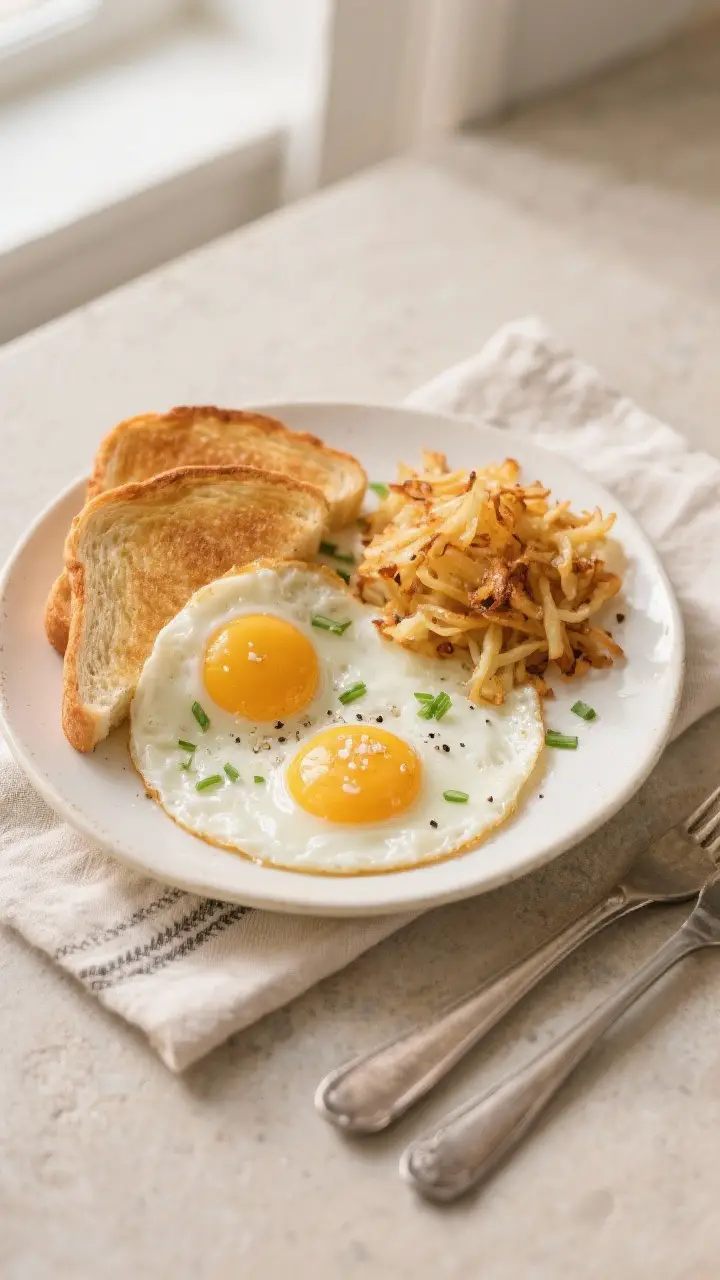
Finish with a pinch of salt and pepper. Serve immediately with toast, roasted potatoes, sautéed greens, or bacon.
How to Store
Cooked over easy eggs are best eaten right away. The yolk texture suffers on reheating and can turn gummy.
If you must store them, keep in an airtight container in the fridge for up to 24 hours. Reheat gently in a warm pan with a little butter, covered, for 30–60 seconds. For meal prep, it’s better to cook eggs fresh and prep sides ahead of time.
Benefits of This Recipe
- Fast and simple: From pan to plate in about 5 minutes.
- Protein-rich: Eggs offer high-quality protein and essential nutrients like choline and B vitamins.
- Flexible: Works for breakfast, a light lunch, or a late-night snack.
Pairs well with almost anything.
- Beginner-friendly: With the right pan and heat, you’ll nail the technique quickly.
- Minimal cleanup: One pan, one spatula, done.
Common Mistakes to Avoid
- Heat too high: This browns the whites and can make the edges rubbery while the center stays undercooked. Medium-low is your friend.
- Not enough fat: A dry pan leads to sticking and torn whites. Use at least a teaspoon of butter or oil.
- Flipping too early: If the whites aren’t mostly set, the yolk is more likely to break.
Wait until the edges are opaque and the spatula slides under cleanly.
- Pressing the eggs: Don’t press down after flipping. This breaks the yolk and squeezes out moisture.
- Using the wrong pan: A thin, sticky pan makes this harder than it needs to be. Nonstick or well-seasoned cast iron is ideal.
Alternatives
- Over medium: Same method, but leave the eggs 20–40 seconds longer after the flip for a slightly jammy yolk.
- Over hard: Cook until the yolk is fully set.
Great for sandwiches or those who prefer no runny yolk.
- Sunny-side up: Don’t flip. Cover briefly to set the surface if you like, or spoon hot fat over the whites for a classic diner look.
- Olive oil fried: Use good olive oil for a crisp, lacy edge and a deeper flavor. Spoon a little hot oil over the whites to help them set before flipping.
- Herbed butter: Stir chopped chives, dill, or parsley into butter as it melts for a fragrant finish.
- Spiced: Dust with smoked paprika, Aleppo pepper, za’atar, or chili crisp right before serving.
FAQ
What’s the difference between over easy and sunny-side up?
Over easy eggs are flipped and cooked briefly on the second side so the top is set but the yolk is still runny.
Sunny-side up eggs aren’t flipped; the yolk stays exposed and the whites cook from below (and sometimes with a quick steam).
How do I keep the yolk from breaking when I flip?
Use a flexible, thin spatula and make sure the whites are mostly set before flipping. Slide the spatula fully under the egg, then flip in one smooth motion. Cracking eggs into a bowl first and sliding them into the pan also keeps yolks intact.
What’s the best pan for over easy eggs?
A nonstick skillet makes this nearly foolproof.
A well-seasoned cast iron pan also works if you use enough fat and moderate heat. Stainless steel can work, but it requires excellent temperature control and more oil.
How much butter or oil should I use?
About 1 teaspoon per 1–2 eggs is enough to prevent sticking and add flavor. If your pan is larger or not very nonstick, you may need a little more.
Can I make over easy eggs without flipping?
Yes.
Cover the pan for 30–45 seconds near the end to steam the top of the eggs. The texture is slightly different, but the yolk stays runny and the whites set nicely.
Why do my eggs look bubbly or ragged at the edges?
The pan is likely too hot, or the oil is sizzling aggressively. Lower the heat and let the pan settle before adding eggs.
Fresh eggs also hold their shape better.
Is there a food safety concern with runny yolks?
There’s a small risk when consuming undercooked eggs. Use fresh, high-quality eggs from a trusted source and handle them properly. If you’re pregnant, immunocompromised, or cooking for young children, consider over medium or fully cooked eggs.
How do I make two eggs at once without them merging?
Crack each egg into a separate bowl, then pour them into opposite sides of the pan.
A small skillet helps control spread. You can also add a thin line of butter between them to create a “barrier.”
What should I serve with over easy eggs?
Toast or English muffins, crispy hash browns, sautéed spinach, sliced avocado, bacon or breakfast sausage, or a simple tomato salad all pair well. They also shine on top of rice bowls or burgers.
Can I season the eggs while they cook?
Yes.
Season lightly after the eggs hit the pan and again at the end if needed. Avoid heavy seasoning before cooking, which can draw moisture and make sticking more likely.
In Conclusion
Over easy eggs are simple, fast, and satisfying. With steady heat, a bit of fat, and a confident flip, you’ll get tender whites and a runny yolk every time.
Keep the steps straightforward, avoid high heat, and don’t overthink it. Once you’ve got the feel, these eggs will become your go-to for breakfast and beyond.