
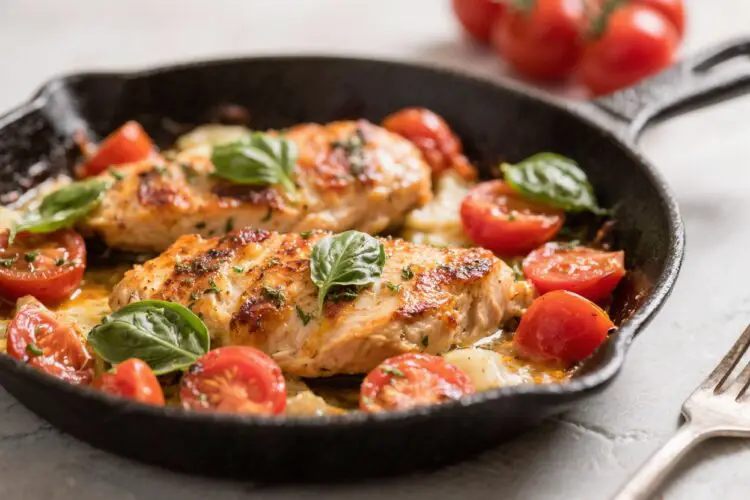
If you love the bright flavors of caprese salad and want an easy dinner that cooks in one pan, this is your kind of recipe. Juicy chicken, sweet tomatoes, creamy mozzarella, and fresh basil come together in under 40 minutes. It tastes restaurant-worthy but uses simple ingredients you probably have on hand.
Clean-up is minimal, the flavors are vibrant, and the whole dish feels special without much effort.
What Makes This Special
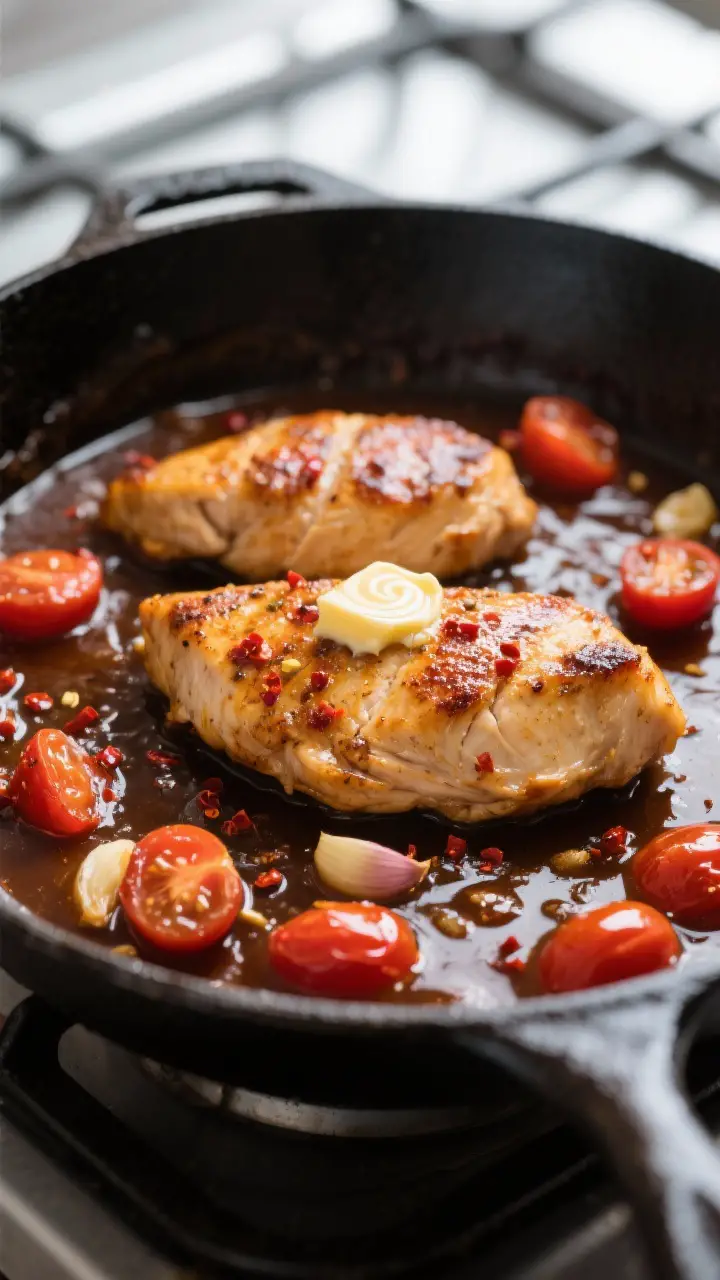
This one-pan approach keeps things simple while layering flavor at every step. You sear the chicken for a golden crust, simmer a quick balsamic-tomato pan sauce, then finish with melty mozzarella and fragrant basil. The result is a balanced dish that’s savory, tangy, and slightly sweet.
It’s also versatile.
You can serve it with crusty bread, spoon it over pasta, or pair it with a crisp green salad. Plus, it reheats well, making it great for meal prep or next-day lunches.
Ingredients
- 4 boneless, skinless chicken breasts (about 1.5–2 pounds total)
- 1 teaspoon kosher salt, plus more to taste
- 1/2 teaspoon black pepper
- 1 teaspoon Italian seasoning (or dried oregano)
- 2 tablespoons olive oil
- 3 cloves garlic, minced
- 1 pint cherry or grape tomatoes, halved
- 1/3 cup balsamic vinegar
- 1 tablespoon honey (or brown sugar)
- 1/2 cup low-sodium chicken broth (or water)
- 8 ounces fresh mozzarella, sliced
- 1/4 cup fresh basil leaves, torn
- 1 tablespoon butter (optional, for a silkier sauce)
- Red pepper flakes (optional, for heat)
How to Make It
- Season the chicken: Pat the chicken breasts dry with paper towels. Season both sides with salt, pepper, and Italian seasoning.
This helps the chicken brown well and taste seasoned all the way through.
- Heat the pan: Set a large skillet over medium-high heat and add the olive oil. When it shimmers, you’re ready to sear.
- Sear the chicken: Add the chicken and cook without moving it for 4–5 minutes until nicely browned. Flip and cook another 3–4 minutes.
You’re not fully cooking it yet—just getting color. Transfer the chicken to a plate.
- Sauté the aromatics: Lower the heat to medium. Add the garlic and cook for about 30 seconds until fragrant.
Don’t let it burn.
- Build the sauce: Stir in the tomatoes, balsamic vinegar, honey, and chicken broth. Scrape up the browned bits from the pan with a wooden spoon. Those bits add tons of flavor.
- Simmer: Let the sauce bubble for 3–4 minutes, stirring occasionally.
The tomatoes should start softening, and the liquid will reduce slightly. Taste and adjust salt if needed.
- Return the chicken: Nestle the chicken back into the pan along with any juices on the plate. Reduce heat to medium-low and simmer 5–8 minutes, or until the chicken reaches an internal temperature of 165°F (74°C).
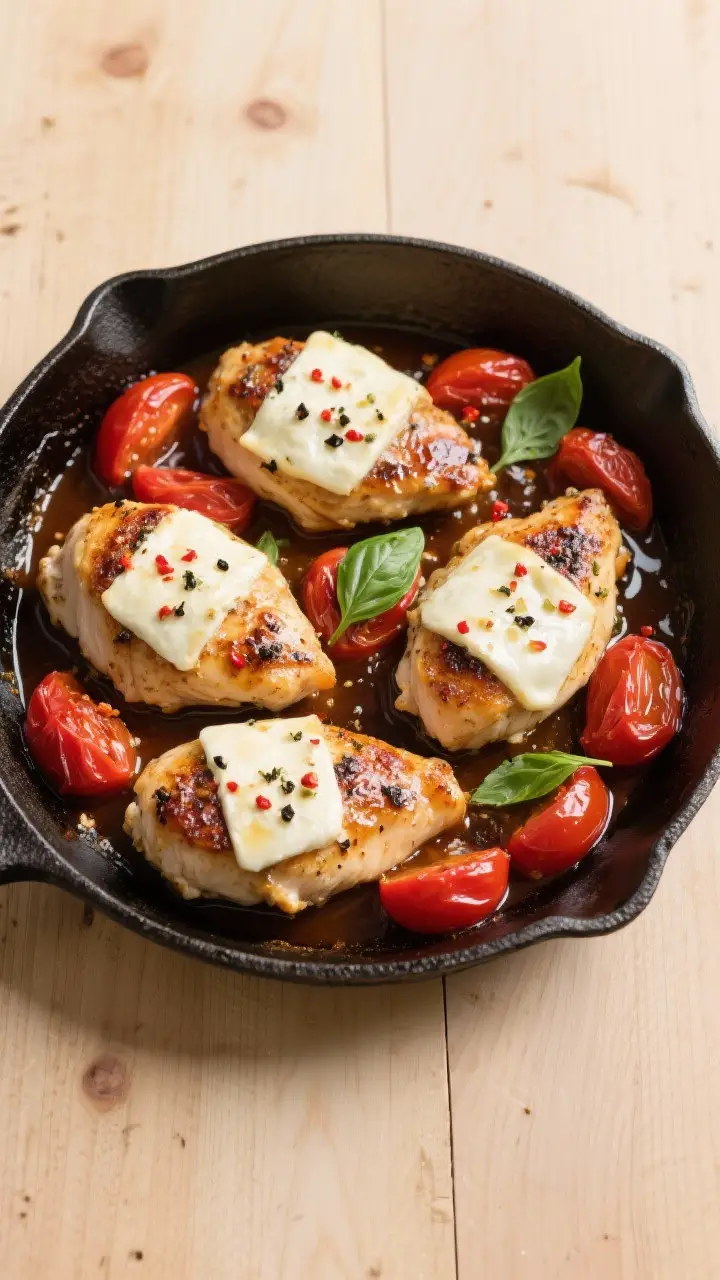
- Add mozzarella: Place slices of mozzarella on top of each piece of chicken.
Cover the pan for 1–2 minutes until the cheese melts.
- Finish the sauce: If using, swirl in the butter to make the sauce glossy. Sprinkle with red pepper flakes if you like a little heat.
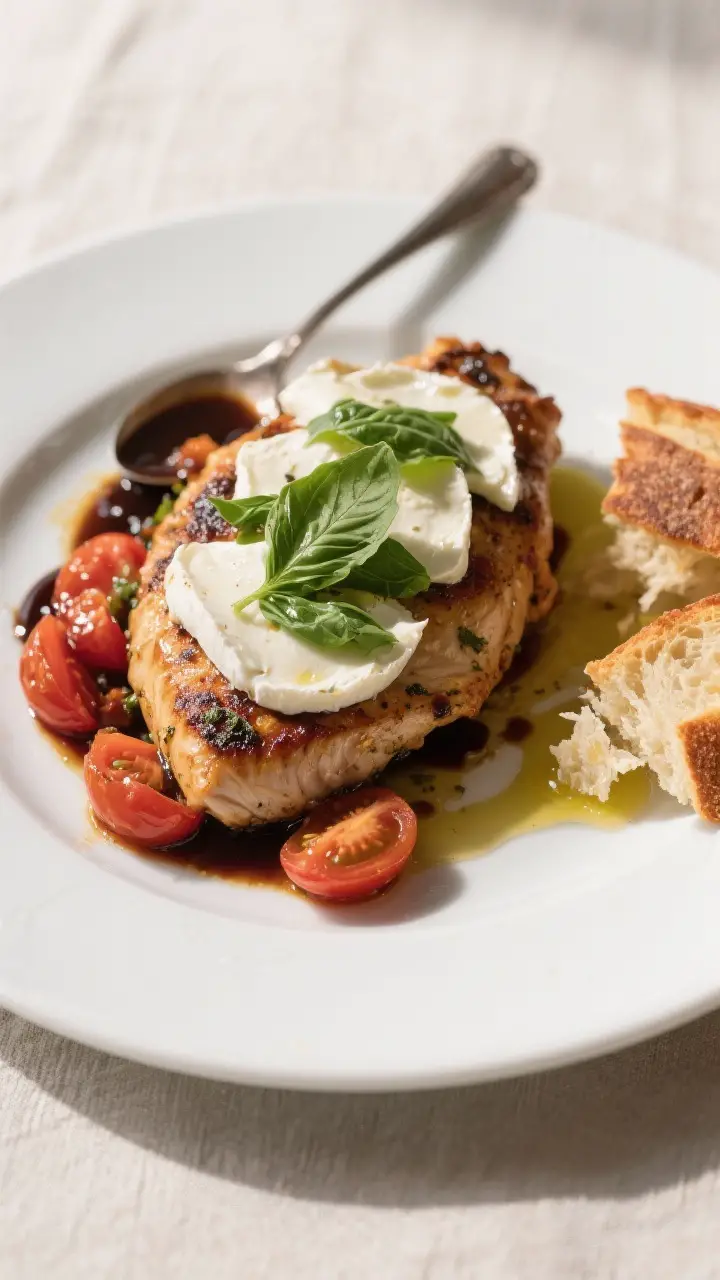
- Garnish and serve: Remove from heat and scatter torn basil over the top. Serve right from the skillet with extra sauce spooned over each piece.
Storage Instructions
- Refrigerator: Store leftovers in an airtight container for up to 3 days.
Keep the chicken and sauce together so the meat stays moist.
- Freezer: Freeze without the mozzarella and basil for up to 2 months. Thaw overnight in the fridge, reheat gently, then add fresh mozzarella and basil before serving.
- Reheating: Warm in a covered skillet over low heat with a splash of water or broth until heated through. You can also microwave in short intervals to avoid overcooking.
Health Benefits
This dish balances protein, healthy fats, and produce.
The chicken offers lean protein that supports muscle repair and steady energy. Tomatoes bring lycopene and vitamin C, which support heart health and immunity.
Olive oil provides monounsaturated fats that are linked to better cardiovascular health. Fresh mozzarella is lower in sodium than many other cheeses, and used in moderation, it adds satisfying creaminess without going overboard.
Basil offers antioxidants and a bright flavor that helps you use less salt.
Pitfalls to Watch Out For
- Overcooking the chicken: It turns dry quickly. Use a thermometer and pull it at 165°F. If your breasts are thick, consider butterflying or pounding to even thickness.
- Watery sauce: If the tomatoes release a lot of liquid, just simmer a bit longer to reduce.
The sauce should be glossy and slightly thick.
- Burning the garlic: Add it after searing and cook briefly. Burnt garlic tastes bitter and can overpower the dish.
- Too tangy or too sweet: Balance is key. Taste the sauce before returning the chicken—add a pinch of salt for flat flavor, a touch more honey if it’s very sharp, or a splash more vinegar if it needs brightness.
- Soggy mozzarella: Add the cheese at the end and melt briefly.
Overheating can make it rubbery.
Variations You Can Try
- Chicken thighs: Use boneless, skinless thighs for extra juiciness. Sear a bit longer and simmer until they reach 175°F for best texture.
- Pesto finish: Swirl a spoonful of pesto into the sauce at the end for herb-forward richness.
- Gluten-free and low-carb: The recipe is naturally gluten-free if your broth and vinegar are certified. Serve over zucchini noodles or cauliflower rice.
- Add greens: Wilt a couple of handfuls of baby spinach into the sauce right before adding the mozzarella.
- Capers or olives: Stir in a tablespoon of capers or sliced Kalamata olives for a briny kick.
- Grilled version: Grill the chicken separately, then warm tomatoes, balsamic, and honey in a skillet.
Top the grilled chicken with mozzarella and basil and spoon over the sauce.
- Dairy-free: Skip the mozzarella and finish with a drizzle of good olive oil and extra basil. It’s still delicious and bright.
FAQ
Can I use regular tomatoes instead of cherry tomatoes?
Yes. Use 3–4 ripe Roma or vine tomatoes, chopped.
If they’re very juicy, simmer a bit longer to reduce the sauce.
What can I use instead of balsamic vinegar?
Red wine vinegar can work in a pinch, but reduce the amount to 2 tablespoons and add a bit more honey to balance. The flavor won’t be as deep as balsamic, but it will still be tasty.
How do I prevent the chicken from sticking?
Preheat the pan well and don’t move the chicken too soon. When it’s ready to flip, it will release more easily.
A light coating of oil and dry, seasoned chicken help a lot.
What should I serve with it?
Crusty bread to soak up the sauce is classic. You can also serve it over pasta, polenta, quinoa, or a simple arugula salad dressed with lemon and olive oil.
Can I make it ahead?
You can sear the chicken and make the sauce up to a day ahead. Reheat gently in the pan, then add mozzarella and basil right before serving for the best texture.
Is there a way to add more veggies?
Absolutely.
Add sliced bell peppers or zucchini with the tomatoes, or stir in spinach at the end. Just avoid overcrowding the pan so the sauce still reduces properly.
How spicy can I make it?
Add red pepper flakes when you sauté the garlic or finish with Calabrian chili paste for more heat. Start small and taste as you go.
Wrapping Up
One Pan Chicken Caprese delivers big flavor with very little effort.
It’s balanced, vibrant, and flexible enough for weeknights or casual company. Keep this recipe in your rotation for those nights when you want something fresh and satisfying without a sink full of dishes. A handful of simple ingredients, one pan, and dinner is done—melty, saucy, and downright comforting.
Printable Recipe Card
Want just the essential recipe details without scrolling through the article? Get our printable recipe card with just the ingredients and instructions.