
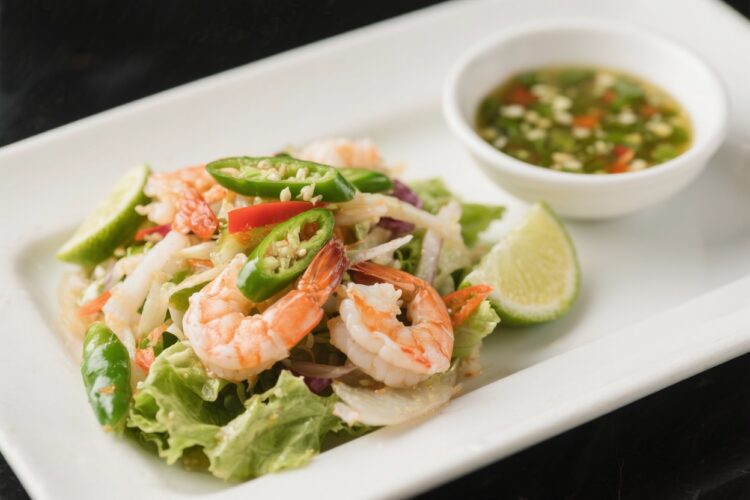
Nam Jim Seafood is the bright, punchy sauce that makes Thai seafood salads sing. It’s citrusy, spicy, a little sweet, and packed with fresh aromatics. If you’ve ever wondered what gives a seafood salad its electrifying kick, this is it.
The best part? It comes together in minutes with simple ingredients. Keep a jar in the fridge and your shrimp, fish, or grilled squid will never be boring again.
What Makes This Special
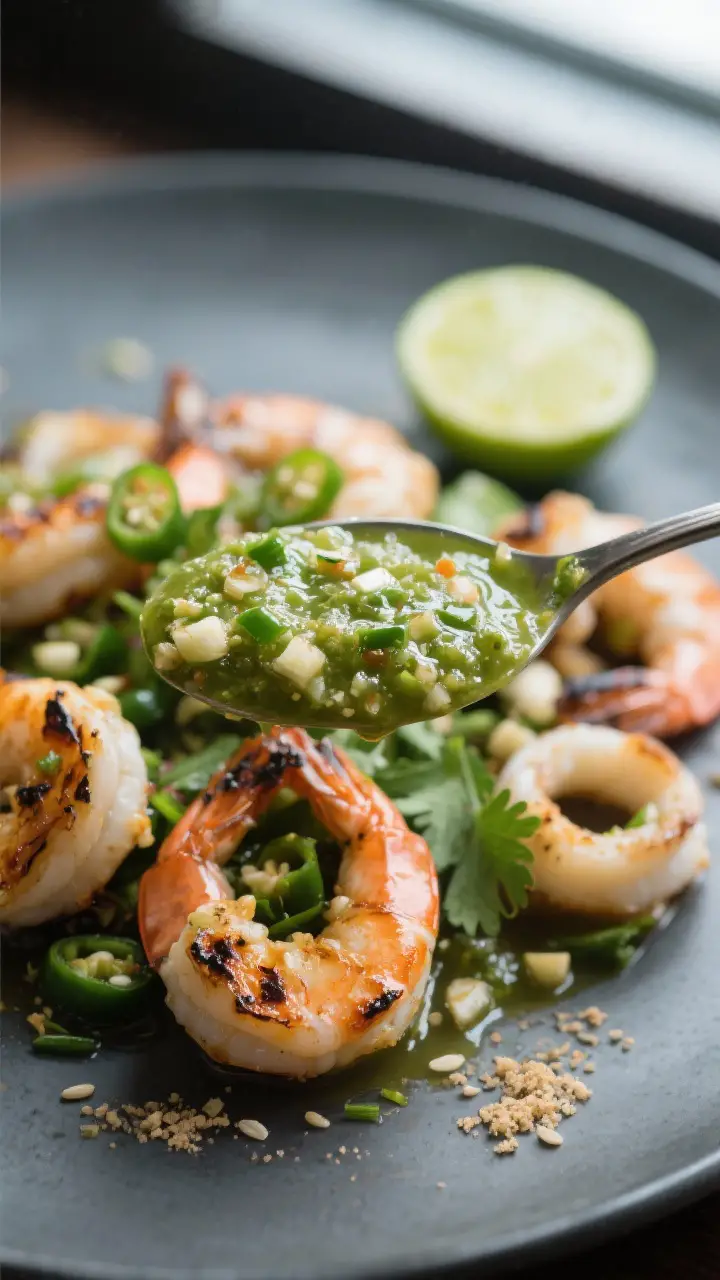
Nam Jim Seafood stands out because it hits every note: heat, sour, salty, and sweet.
The balance is what keeps you going back for more. Fresh lime juice brings a sharp tang, fish sauce gives depth, and green chilies add a clean, fresh heat that doesn’t weigh the palate down. Garlic, cilantro stems, and a touch of sugar round everything out.
The result is a sauce that’s not just a dressing—it’s the heartbeat of Thai-style seafood dishes.
What You’ll Need
- Fresh lime juice: About 1/2 cup (4–5 limes), for bright acidity.
- Fish sauce: 3–4 tablespoons, for salty umami depth.
- Palm sugar or light brown sugar: 1–2 tablespoons, to balance the heat and acid.
- Green Thai chilies (bird’s eye): 6–10, depending on heat tolerance. Substitute jalapeños for milder heat.
- Garlic: 3–4 cloves, for savory bite.
- Cilantro stems and roots (if available): 2 tablespoons finely chopped. Stems have great flavor and texture.
- Warm water: 1–2 tablespoons, to help dissolve sugar and adjust consistency.
- Optional: A few mint leaves, a little finely grated lime zest, or a pinch of toasted rice powder for texture.
How to Make It
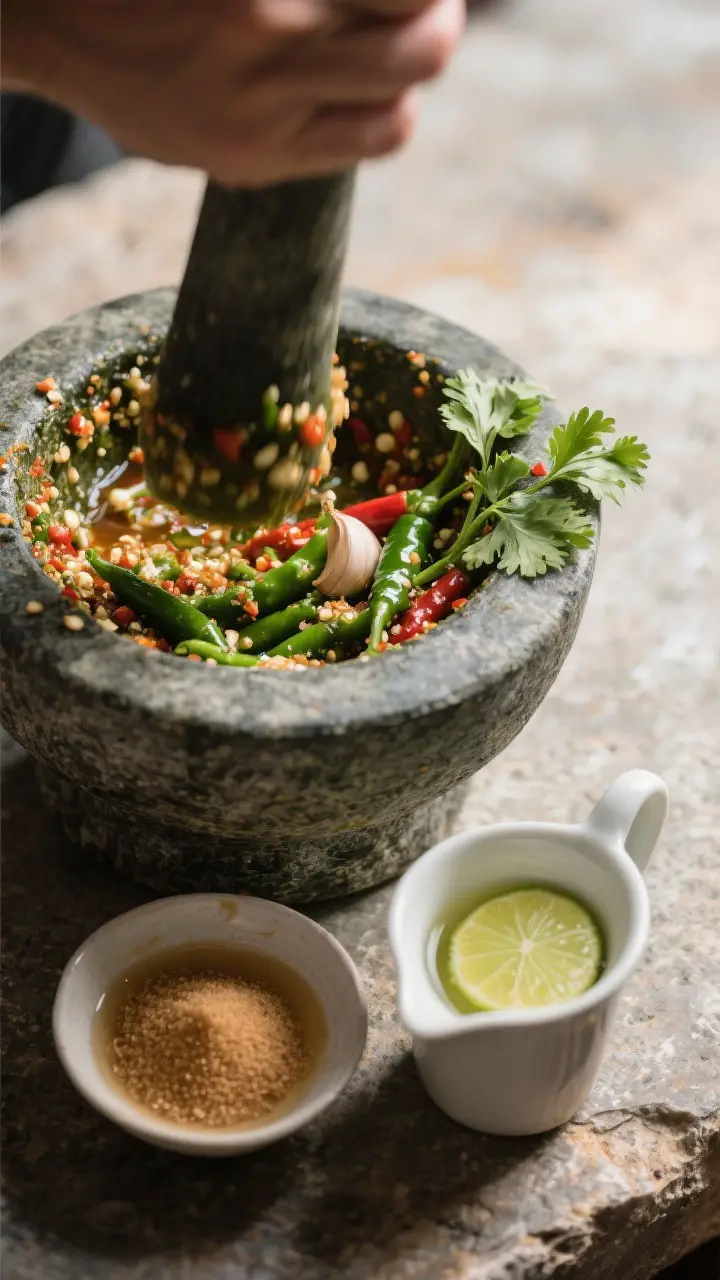
- Prep your aromatics: Roughly chop the green chilies, garlic, and cilantro stems.
If you want less heat, remove some chili seeds.
- Pound or blend: For the best texture, use a mortar and pestle to pound the chilies and garlic into a coarse paste. If using a blender, pulse gently—avoid over-blending into a puree.
- Dissolve the sugar: In a small bowl, mix palm sugar with warm water until mostly dissolved. This prevents graininess.
- Build the sauce: Add lime juice and fish sauce to the sugar water.
Stir in the chili-garlic paste and chopped cilantro stems.
- Taste and balance: Adjust to your liking. Add more lime for brightness, fish sauce for saltiness, or sugar to soften the edges. Aim for a sharp, lively balance.
- Optional aromatics: Fold in chopped mint or a touch of lime zest for extra freshness.
A pinch of toasted rice powder adds a subtle nutty texture.
- Rest briefly: Let the sauce sit for 5–10 minutes so the flavors meld before serving.
How to Store
- Refrigerator: Store in a clean, airtight jar for up to 5 days. The flavor may mellow slightly over time.
- Freezer: Freeze in small portions (ice cube tray works well) for up to 1 month. Thaw in the fridge and stir before using.
- Freshness tips: Add fresh lime juice right before serving if the sauce loses brightness after a few days.
Health Benefits
- Lime juice: High in vitamin C and antioxidants, supporting immune health and adding low-calorie flavor.
- Chilies: Capsaicin may boost metabolism and can support heart health in moderation.
- Garlic: Known for potential anti-inflammatory and cardiovascular benefits.
- Light and clean: Compared to heavy creamy dressings, this sauce adds big flavor with minimal calories when used thoughtfully.
Common Mistakes to Avoid
- Over-blending: A smooth puree can taste flat.
You want a coarse, textured sauce that clings to seafood.
- Unbalanced seasoning: Too sour or too salty can overwhelm the dish. Taste and adjust in small steps.
- Using bottled lime juice: Fresh lime is non-negotiable for bright, clean flavor.
- Skipping sugar: A little sweetness is essential to balance the heat and acid. Don’t omit it entirely.
- Old fish sauce: Stale or oxidized fish sauce can taste harsh.
Use a good-quality brand and store it well.
Recipe Variations
- Milder version: Use fewer Thai chilies or swap some with jalapeños or serranos. You’ll keep the flavor without excessive heat.
- Herb-forward: Add more cilantro and a handful of mint or Thai basil for a greener, fresher profile.
- Citrus twist: Mix lime with a splash of lemon or pomelo juice for layered acidity.
- Umami boost: Stir in a teaspoon of finely minced dried shrimp or a dash of light soy sauce alongside fish sauce.
- Smoky heat: Add a pinch of roasted chili flakes or char the chilies lightly before pounding.
- Keto-friendly: Replace palm sugar with a small amount of erythritol or your preferred low-carb sweetener, adjusting to taste.
FAQ
Can I use red chilies instead of green?
Yes. Red chilies will make the sauce slightly sweeter and change the color, but the flavor stays close.
If heat is a concern, choose milder red varieties or remove seeds.
What if I can’t find palm sugar?
Light brown sugar or white sugar works. You can also use coconut sugar for a deeper, caramel-like sweetness. Start small and adjust.
Is there a substitute for fish sauce?
For a non-fish option, try a mix of light soy sauce and a bit of sea salt.
It won’t taste exactly the same, but it keeps the savory balance.
How spicy should it be?
It should have a pleasant kick without numbing your mouth. Start with fewer chilies, taste, and add more until it’s lively but manageable.
Can I make it ahead?
Absolutely. It tastes great the same day and can be made 1–2 days in advance.
Stir before using and add a little fresh lime if needed.
What seafood works best with this sauce?
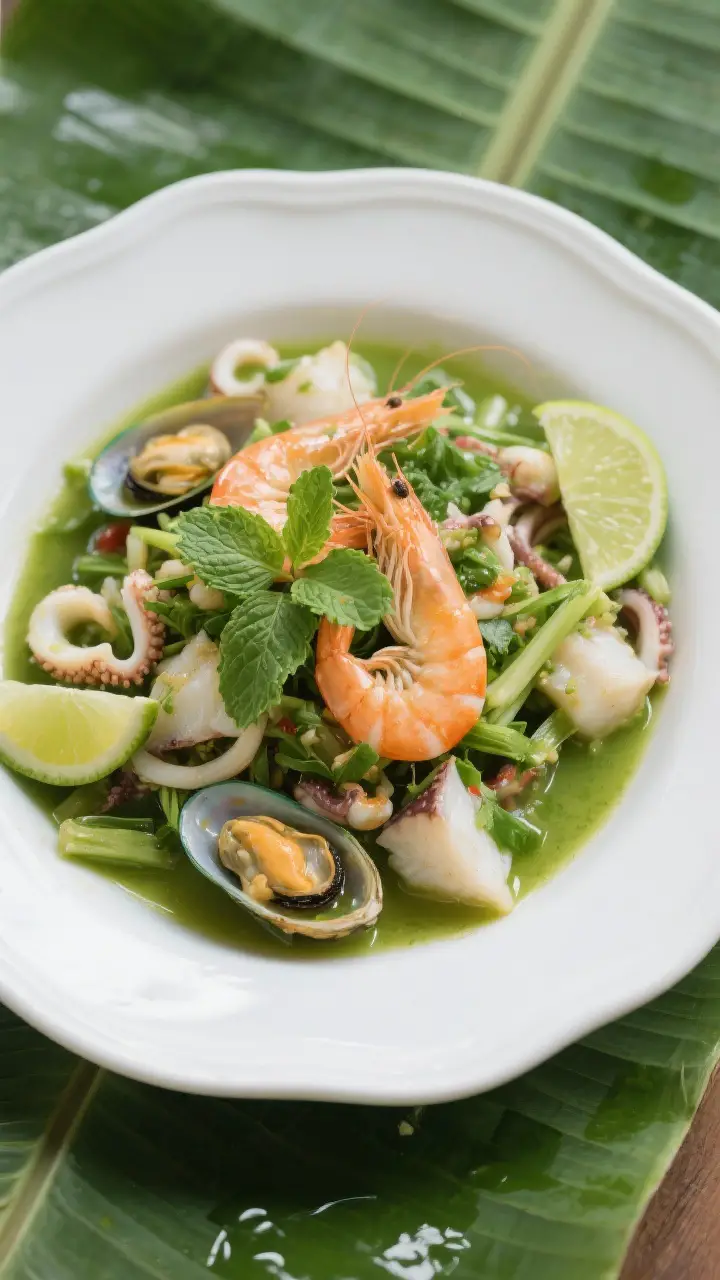
Shrimp, scallops, squid, mussels, and firm white fish are excellent. It also pairs well with steamed crab or grilled salmon.
Can I use a food processor?
Yes, but pulse gently and avoid forming a smooth paste. The coarse texture is part of the charm and improves how it coats seafood.
How much sauce should I use for a salad?
For a typical 2–3 person seafood salad, start with 1/3 to 1/2 cup, then add more to taste.
Toss gently to coat without drowning the ingredients.
Final Thoughts
Nam Jim Seafood is the fast, fresh dressing that transforms simple seafood into something exciting. With a handful of pantry staples and fresh limes, you can make a restaurant-quality sauce at home. Keep the balance in check, embrace the texture, and adjust the heat to your taste.
Once you try it, you’ll want a jar ready for every seafood salad—and probably for grilled meats and vegetables too.