
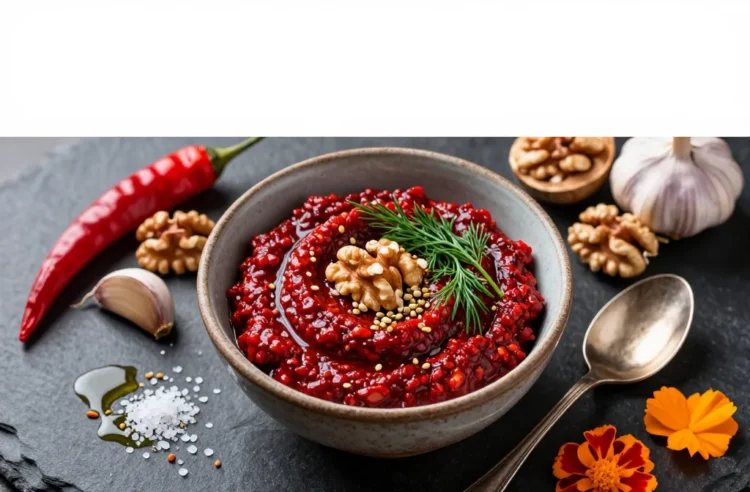
If your hot sauce shelf feels a little boring, meet adjika: a Georgian red chili and walnut paste that tastes like a love letter to heat, herbs, and garlic. It comes together fast, hits like a flavor bomb, and plays nice with basically everything. It’s spicy, nutty, slightly funky, and super aromatic. Ready to retire bland condiments? Adjika’s your new best friend.
What Exactly Is Adjika?
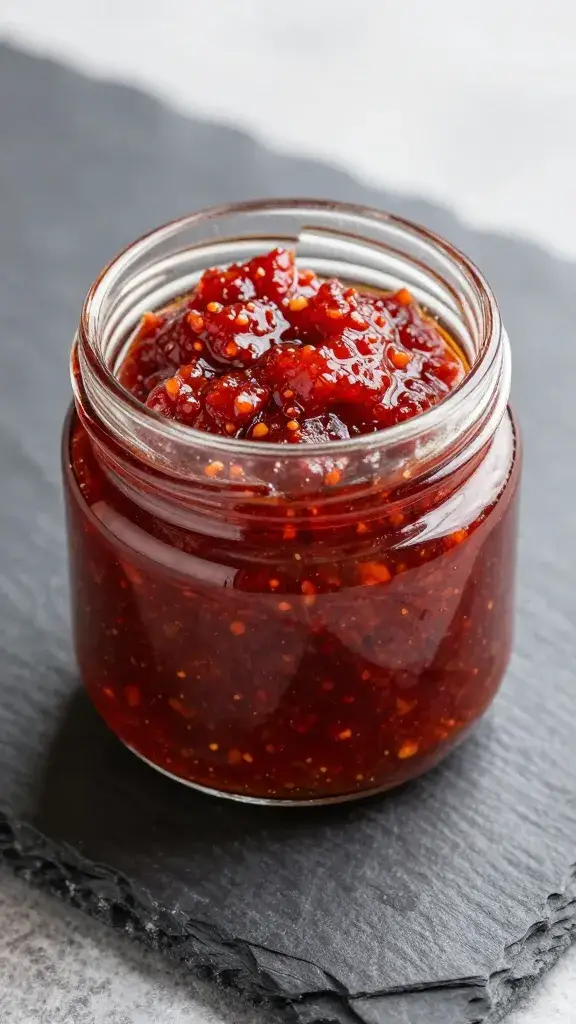
Adjika is a traditional condiment from the Caucasus, especially Georgia and Abkhazia. Think of it as a thick, punchy paste made from red chilies, walnuts, garlic, and loads of herbs and spices. It’s not a smooth hot sauce; it’s rustic and textured.
You’ll find two main types: red adjika (this one) and green adjika (with green chilies and herbs). Red adjika brings warmth and depth—perfect for grilled meats, roasted veggies, and, honestly, spooning onto toast like you mean it.
The Flavor Profile (A.K.A. Why It Slaps)
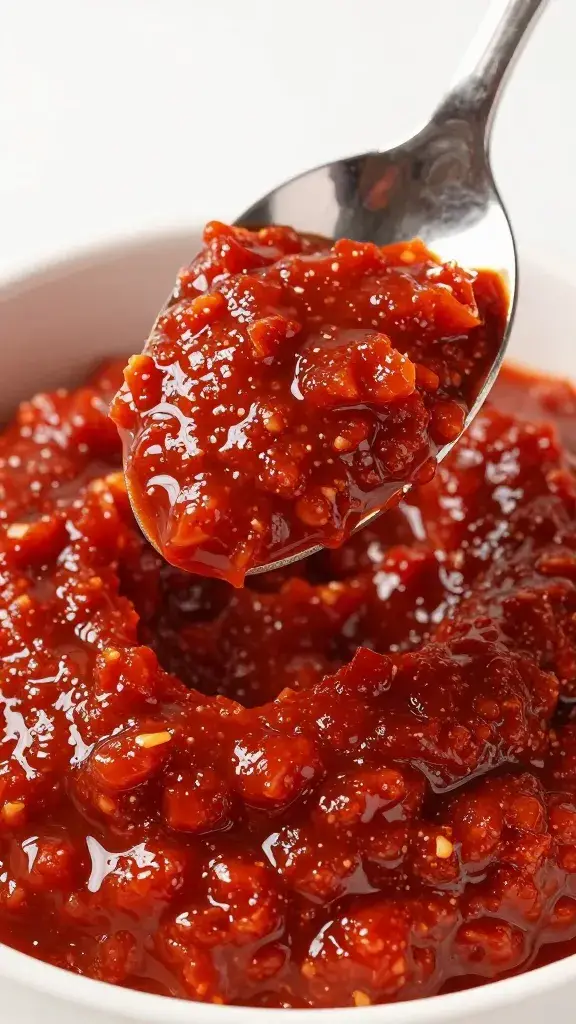
This paste doesn’t just bring heat—it brings character. Here’s what your mouth signs up for:
- Heat: A satisfying kick from chilies. You control the pain level.
- Umami + warmth: Walnuts give it body and a buttery, slightly earthy base.
- Garlicky punch: Not optional. Adjika without garlic is just sad red paste.
- Herbal notes: Coriander, fenugreek, dill, marigold—depends on the region and your pantry.
- Salt and tang: Salt lifts everything; a bit of vinegar or tomato brings brightness.
IMO, the walnuts make it magical. They mellow the chilies and add creamy richness without dairy. FYI, your blender will smell like vacation.
Core Ingredients (And Easy Swaps)
You don’t need a specialty store raid to make great adjika. Use what you have and tweak.
- Red chilies: Fresh, semi-dried, or a mix. Fresno, red jalapeño, or red serranos work. For less heat, use red bell peppers with a few hot chilies.
- Walnuts: Raw, not roasted. Toast lightly if you want a nuttier vibe—traditionalists might raise an eyebrow, but your taste buds won’t.
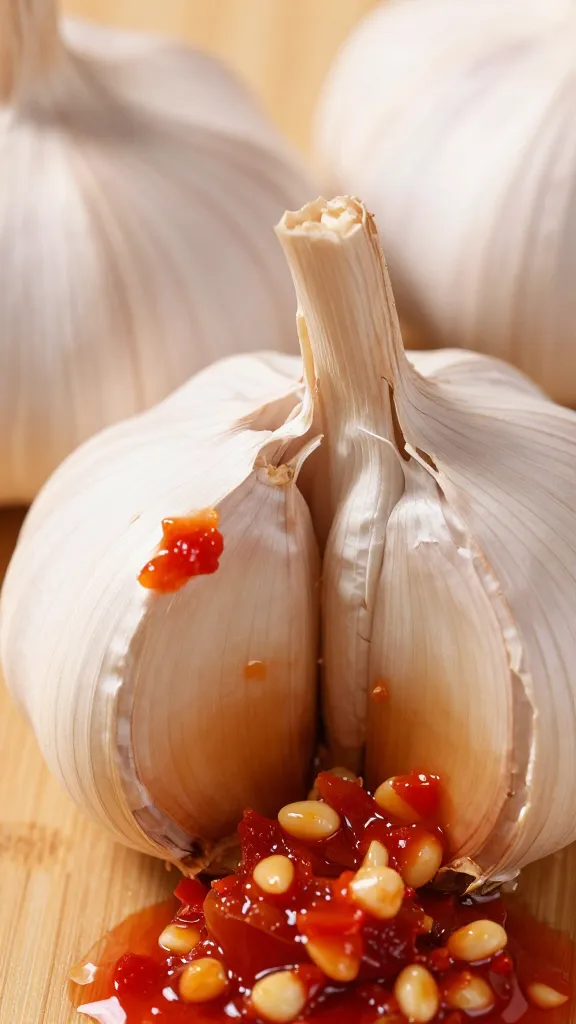
- Garlic: Be generous. You’ll want that punch.
- Herbs and spices: Ground coriander, blue fenugreek (if you can find it), cumin, dried marigold petals (optional but lovely), and dill.
- Acid and umami: Tomato paste or sun-dried tomatoes for depth, a splash of red wine vinegar or pomegranate molasses for tang.
- Salt + oil: Salt for flavor and preservation; neutral oil (or a grassy olive oil) for silkiness.
Heat Levels, Decoded
– Mild: Mostly sweet red peppers + 1-2 hot chilies, seeds removed
– Medium: Half hot chilies, half sweet peppers, some seeds in
– Spicy: All hot chilies, seeds in, no apologies
How to Make Red Adjika (No Stress Method)
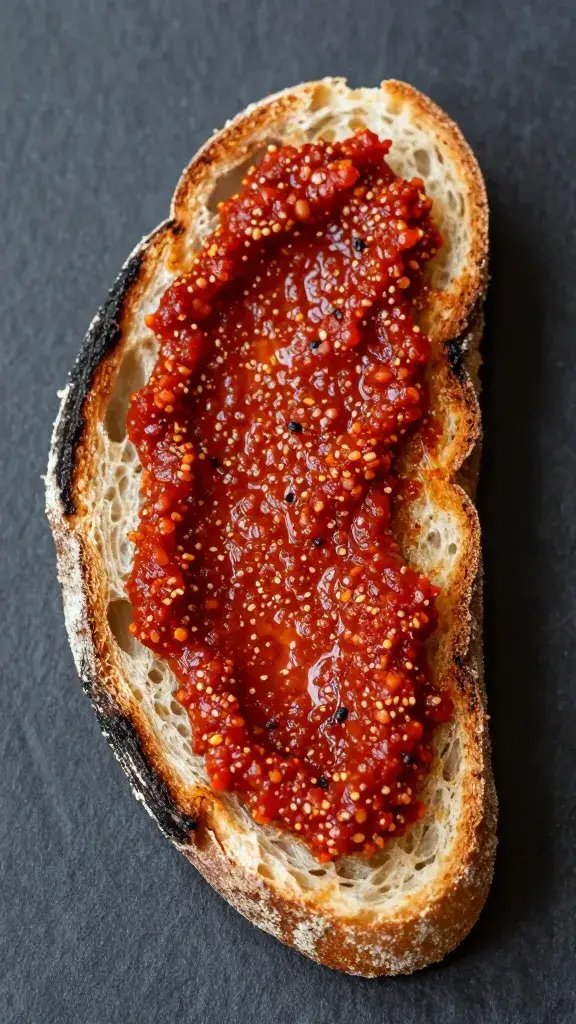
You can pound it old-school in a mortar and pestle or blitz it in a food processor. I vote processor because I like having time for snacks.
- Prep the chilies: Stem them. For less heat, remove some seeds and membranes. Rough chop.
- Soak the walnuts (optional): 10 minutes in warm water, then drain. This softens bitterness and blends creamier.
- Blend aromatics: Add garlic, chilies, walnuts, and a pinch of salt to the processor. Pulse to a coarse paste.
- Spice it up: Add ground coriander, fenugreek, cumin, and dried herbs. Toss in tomato paste or sun-dried tomatoes. Blend again.
- Adjust texture: Stream in oil until spreadable. Add a splash of vinegar for brightness. You want a thick, spoonable paste.
- Rest: Let it sit at least 1 hour (or overnight) in the fridge. Flavors settle and bloom. Science.
- Taste and fix: More salt? More acid? Maybe a hit of chili? Dial it in.
Pro Tips So You Don’t Cry (Unless From Heat)
– Wear gloves when seeding hot chilies—trust me.
– If it tastes flat, add a pinch more salt and a tiny drizzle of vinegar.
– If it tastes harsh, stir in a spoon of oil and let it rest longer.
– Too thick? Loosen with a bit of oil or a splash of water. Too thin? Add more walnuts.
How to Use Adjika (Beyond “Put It on Everything”)
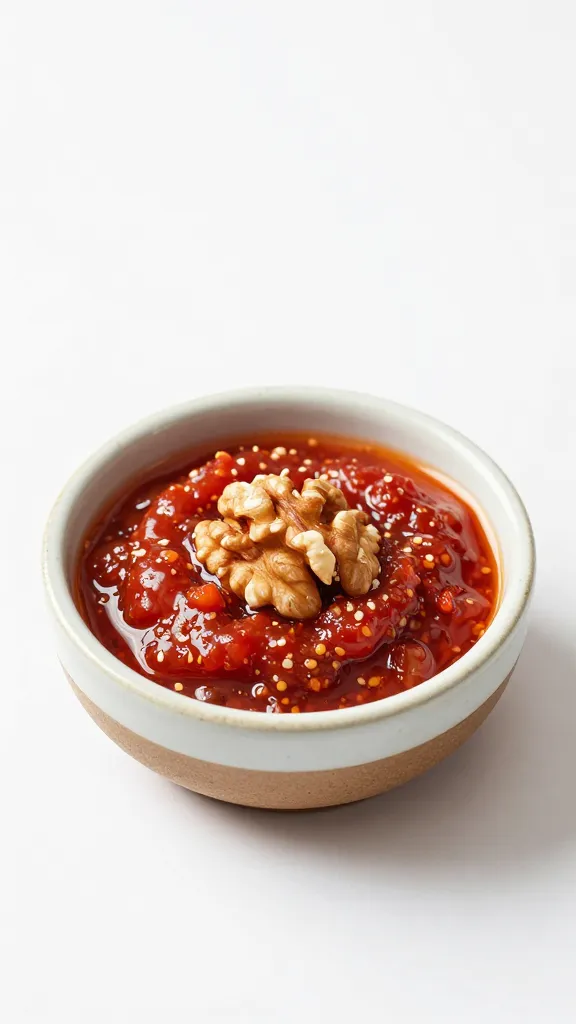
You’ve got a jar. Now what? Here are legit ways to crush it:
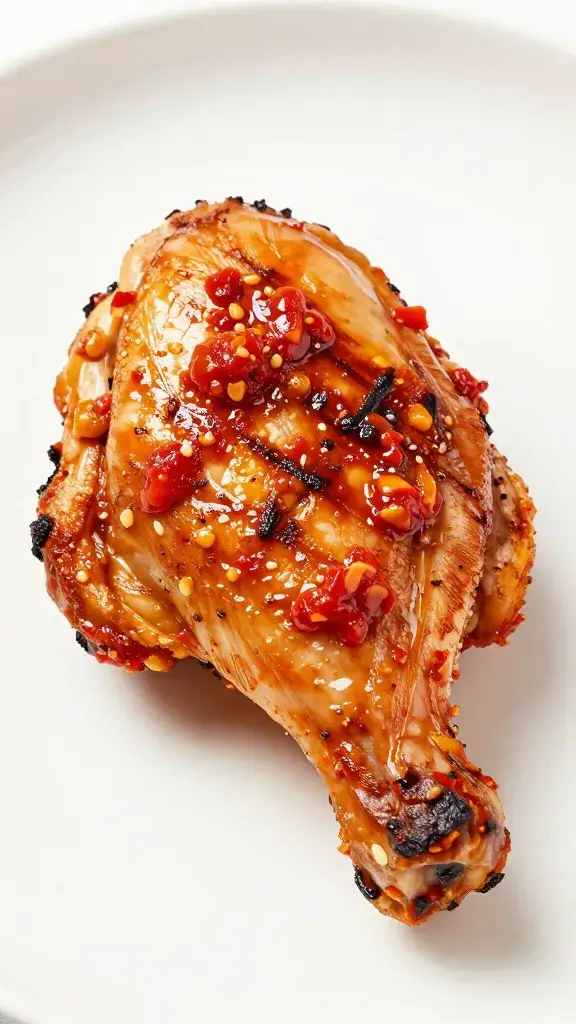
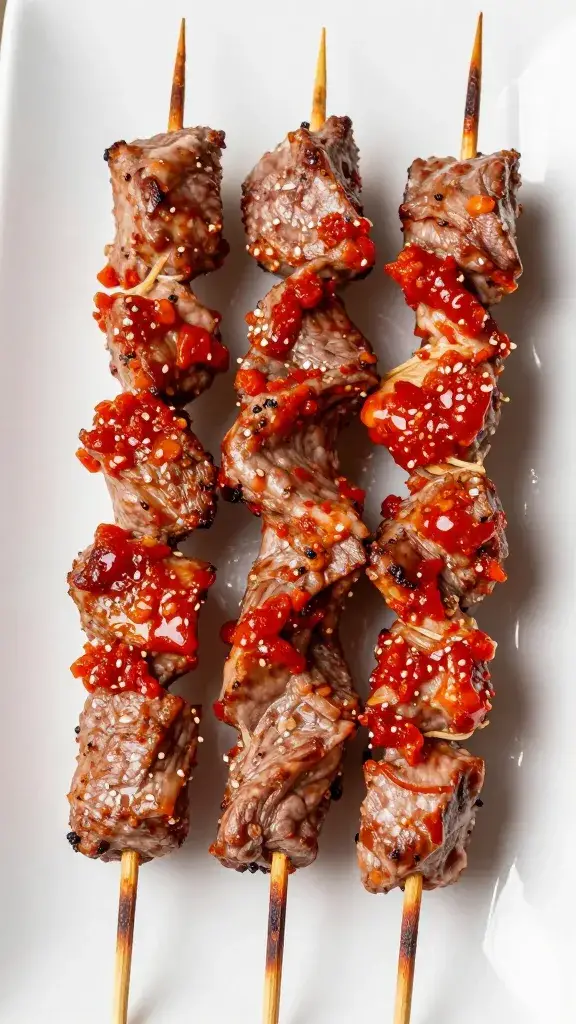
- Grilled meats: Rub on chicken, lamb, or pork before and after grilling.
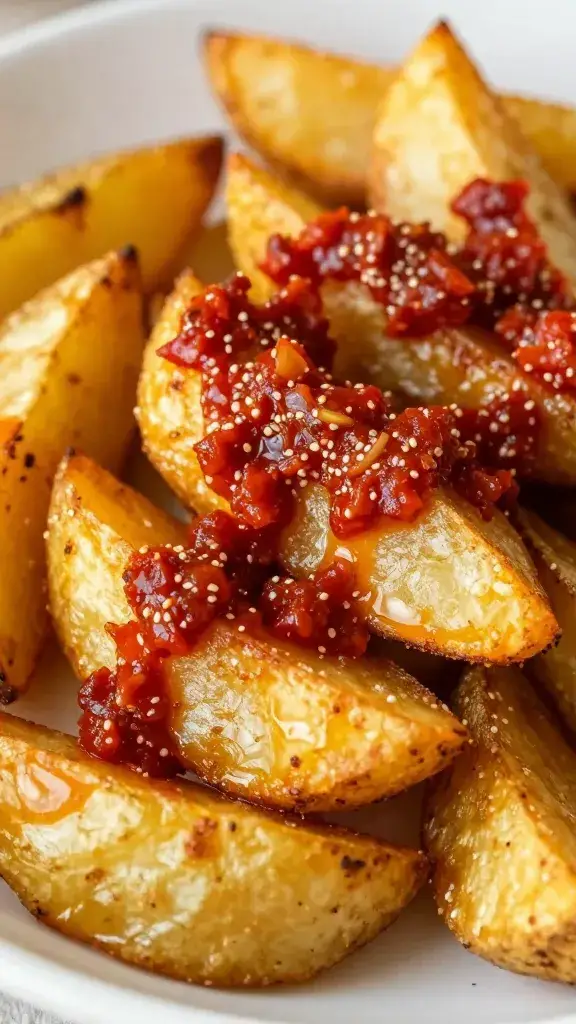
- Roasted vegetables: Toss with potatoes, carrots, or cauliflower. Roast until caramelized.
- Eggs: Dollop on scrambled eggs or shakshuka. Breakfast flex.
- Sandwiches and wraps: Spread it like mayo with a personality.
- Cheese boards: Serve with sharp cheeses, pickles, and bread. Watch it disappear first.
- Soup finisher: Stir into lentil soup or chicken broth for instant depth.
- Dumpling dip: Mix with yogurt or sour cream for a cooling, spicy sauce.
Pairing Ideas
– Bread: Warm khachapuri or any crusty loaf
– Drinks: Tart wines (Saperavi!), crisp lagers, or sparkling water with citrus
– Extras: Fresh herbs, pickled onions, and olives make it sing
Texture, Shelf Life, and Storage
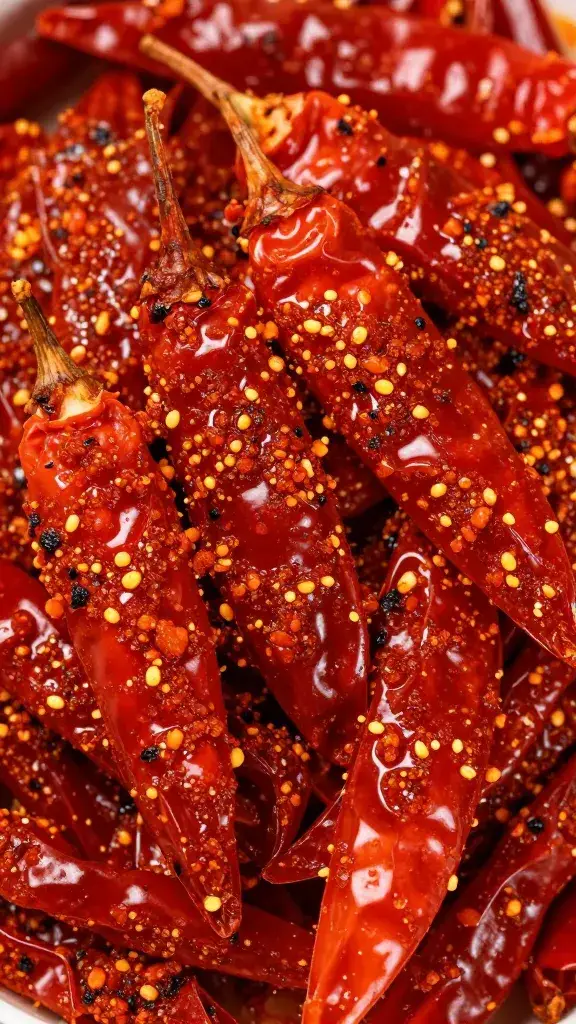
Adjika likes a chunky, spreadable texture. You’ll see flecks of walnut and chili—it’s rustic on purpose. You can go smoother if you want, but keep some grit for character.
For storage, follow these simple rules:
- Refrigerator: Up to 2-3 weeks in a clean jar, with a thin oil layer on top to seal.
- Freezer: 2-3 months. Freeze in small containers or ice cube trays.
- Clean spoons only: No double-dipping. You’ll ruin the batch. Don’t be that person.
Batching and Gifting
– Make a double batch, then portion into small jars.
– Add a cute label and a note: “Spicy, nutty, slightly addictive.”
– People will text you for refills. Choose your friends wisely.
Regional Notes and Variations
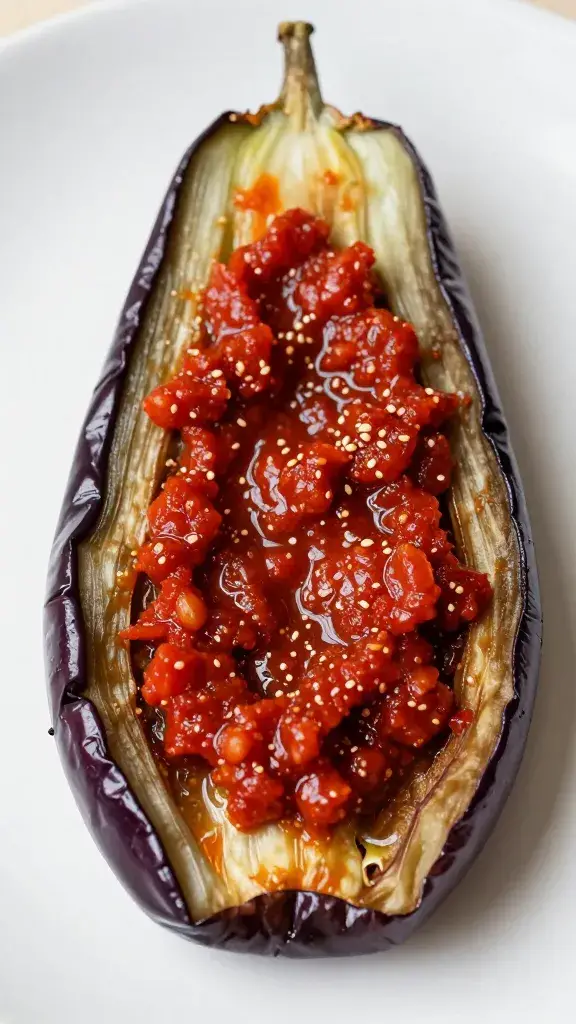
Georgian households all have a “correct” version—meaning, lots of versions exist. Some add smoked paprika for warmth; others lean hard into blue fenugreek and marigold for that classic Georgian aroma. Vinegar amounts vary too. Adjika can taste bright and zippy or deep and savory.
Try these tweaks:
- Tomato-forward: More tomato paste for sweetness and body.
- Super-herbal: Extra dill and cilantro stems for green, fresh notes.
- Roasty: Lightly toast walnuts and a few chilies for a smoky edge.
- Pomegranate twist: A spoon of pomegranate molasses for sweet-tart vibes.
IMO, a balance of heat + herb + tang wins every time.
Troubleshooting: Make It Taste Right
Let’s fix the common issues quickly.
- Too bitter: Your walnuts might be old. Add a pinch of sugar, more tomato paste, or a bit more oil.
- Too spicy: Blend in more walnuts and tomato paste. A tad of yogurt on the plate helps too.
- Too salty: Add more chilies or walnuts, then a splash of vinegar to rebalance.
- Too flat: It needs acid. Add a small splash of vinegar or lemon. Or it needs time—let it rest.
FAQ
Is adjika the same as harissa or gochujang?
Nope. Harissa uses North African spices and often roasted peppers; gochujang is a fermented Korean paste with rice and soy elements. Adjika leans on walnuts, Georgian spices, and fresh garlic for a brighter, nuttier punch.
Can I make adjika without walnuts?
You can, but it won’t taste quite like adjika. If you’re allergic, try sunflower seeds or blanched almonds. The texture stays creamy, and the flavor stays rich, just a little different.
How hot should it be?
As hot as you enjoy. Traditional versions can get fiery, but you control the heat by removing seeds and mixing in sweet red peppers. Start medium, escalate if you feel brave.
Do I need special Georgian spices?
They help but aren’t mandatory. Blue fenugreek and dried marigold add a signature aroma. If you can’t find them, use coriander, cumin, dill, and a touch of paprika. The result still tastes fantastic.
Can I cook it?
You don’t need to. Adjika shines fresh. But you can warm it in oil to spoon over grilled meat or whisk into pan drippings for a quick sauce. Don’t simmer it forever—you’ll mute the brightness.
What do I serve it with at a party?
Go with flatbreads, grilled chicken skewers, roasted carrots, and a tangy yogurt dip. Add pickled veggies and brined cheeses. People will hover near the bowl like it’s magnetic.
Conclusion
Adjika turns ordinary food into loud, happy bites. It’s bold without being obnoxious, complex without being fussy, and it comes together with pantry basics. Make a jar, stash it in the fridge, and watch it slide into your weekly rotation. Consider this your official permission to put it on everything—because you absolutely should.