
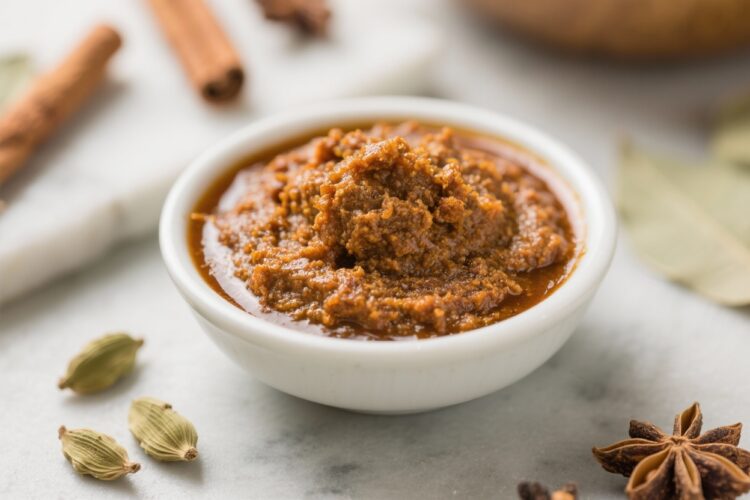
Massaman curry paste is all about comfort and aroma. It blends Thai chilies with warm spices like cardamom and cinnamon, giving it a deep, mellow heat and a cozy fragrance. It’s less fiery than many Thai pastes, but it’s layered and rich, with a subtle sweetness.
Make it once and you’ll want to keep a jar on hand for quick curries, marinades, and soups. This version balances tradition with practicality, using ingredients you can find and techniques that are easy to follow.
What Makes This Recipe So Good
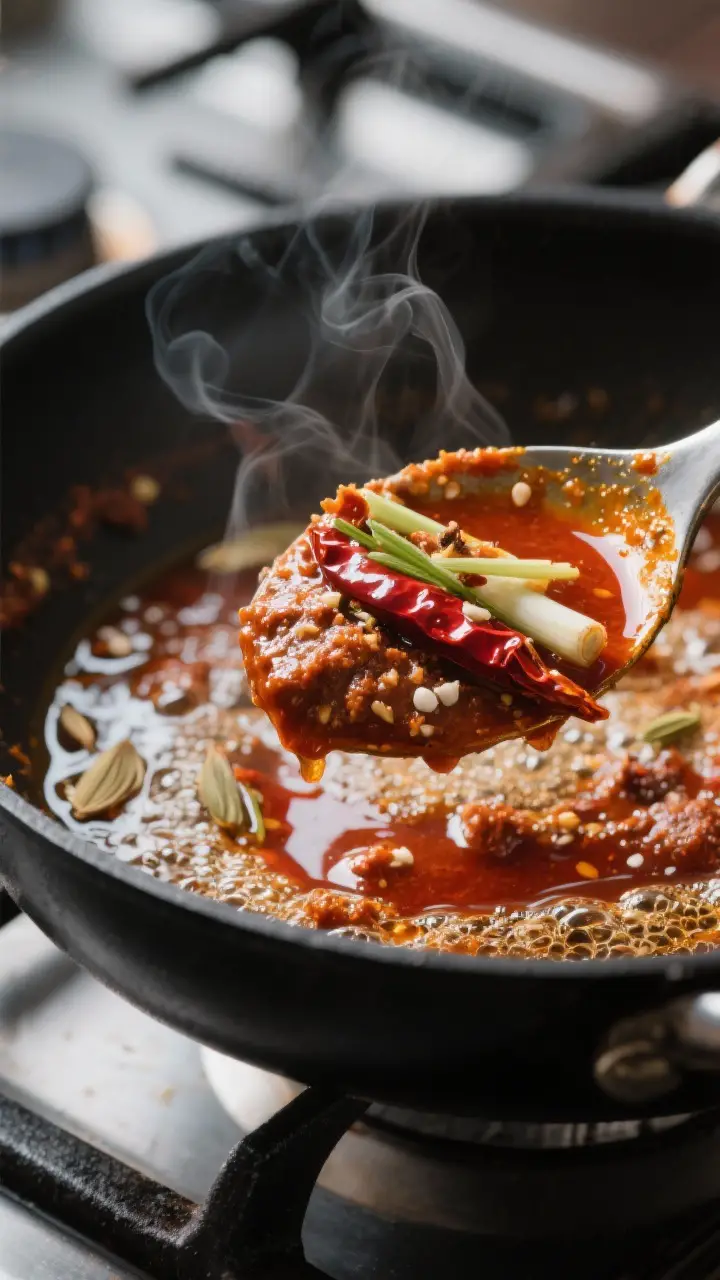
- Warm spice profile: Cardamom, cinnamon, and cloves add a gentle, almost Persian-Indian note that sets Massaman apart from other Thai curries.
- Balanced heat: It’s flavorful without being too spicy. You can adjust the chilies to your taste.
- Versatile: Use it for classic beef or chicken Massaman, but it’s also great with tofu, pumpkin, or roasted vegetables.
- Fresh and bright: Lemongrass, galangal, and kaffir lime peel keep the paste lively and aromatic.
- Make-ahead friendly: The flavors actually improve after a day or two, and it freezes beautifully.
Shopping List
- Dried red chilies: 10–15 medium dried Thai or spur chilies, stems removed, seeds shaken out for milder heat
- Shallots: 3 small, peeled and roughly chopped
- Garlic: 6–8 cloves, peeled
- Lemongrass: 2 stalks, tender inner parts only, thinly sliced
- Galangal: 1-inch piece, peeled and sliced (ginger works in a pinch)
- Fresh coriander roots or stems: 3 roots or a small handful of stems, washed well
- Kaffir lime zest or peel: From 1 lime (avoid white pith), or substitute regular lime zest
- Shrimp paste (kapi): 1 teaspoon (optional but traditional)
- Ground spices: 1 teaspoon ground cumin, 1 teaspoon ground coriander
- Whole warm spices: 1–2 green cardamom pods, 1 small cinnamon stick, 2–3 whole cloves, 1/2 teaspoon white peppercorns
- Roasted peanuts or cashews: 2 tablespoons, unsalted (optional, for added body)
- Neutral oil: 1–2 tablespoons (only if using a blender/food processor)
- Salt: A pinch, to taste
Instructions
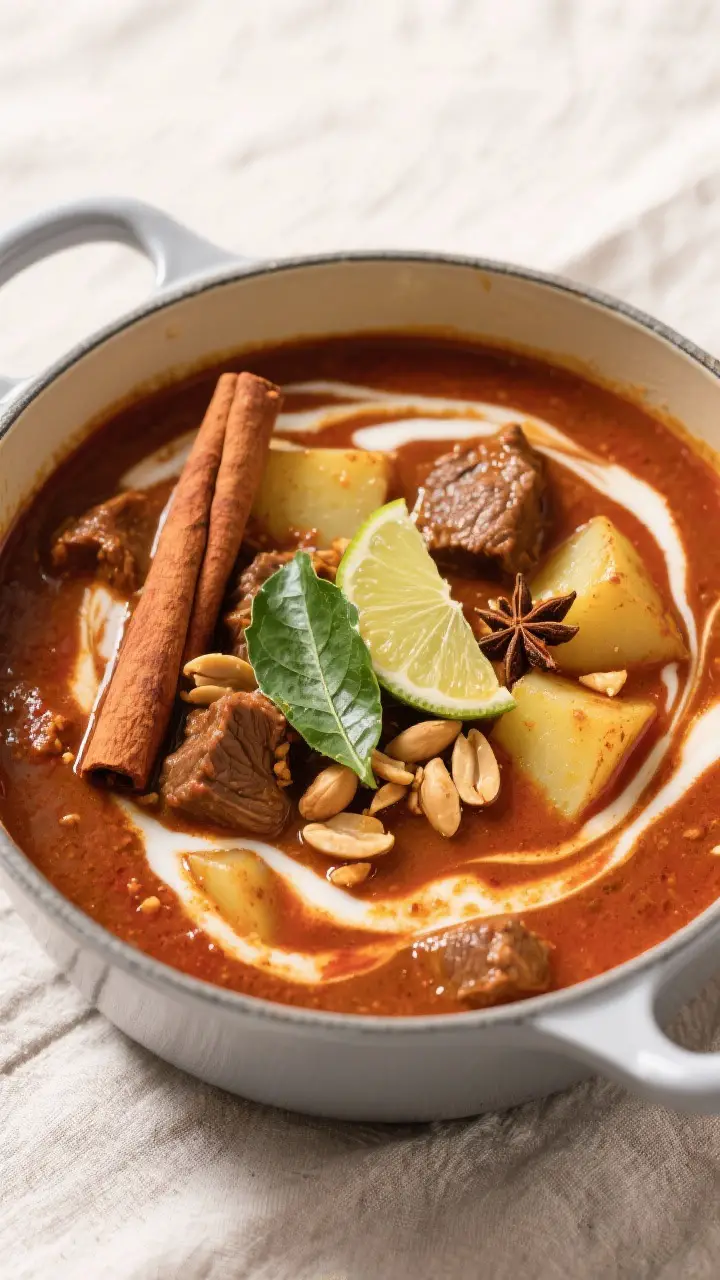
- Soften the chilies: Break the dried chilies into pieces and shake out seeds if you want a milder paste.Soak in hot water for 10–15 minutes until pliable, then drain and pat dry.
- Toast the aromatics: In a dry skillet over medium heat, toast the cardamom pods, cinnamon stick, cloves, and white peppercorns until fragrant, about 2–3 minutes. Remove and let cool. Lightly toast ground cumin and coriander for 30 seconds to wake them up.
- Toast the nuts (optional): In the same skillet, toast peanuts or cashews for 2–3 minutes until golden.Cool completely.
- Prep fresh ingredients: Slice shallots, garlic, lemongrass, and galangal thinly so they break down more easily. Roughly chop coriander roots or stems and zest the kaffir lime.
- Pound or blend: For the most authentic texture, use a mortar and pestle. Start with toasted spices and peppercorns; pound to a fine powder.Add lemongrass and galangal; pound until fibrous bits break down. Add chilies, garlic, shallots, coriander root, and lime zest; keep pounding to a smooth paste. Add nuts and shrimp paste last.
If using a blender/processor, add 1–2 tablespoons oil to help it turn.
- Season: Add a pinch of salt to heighten the flavors. Taste and adjust heat, citrus, and warm spice balance as you like.
- Use or store: The paste is ready to cook with immediately, but letting it rest a few hours allows flavors to meld.
Storage Instructions
- Refrigerator: Store in a clean jar with a thin layer of oil on top for up to 2 weeks.
- Freezer: Portion into tablespoon-sized scoops or use an ice cube tray. Freeze for up to 3 months.Transfer to a freezer bag once solid.
- Handling aromas: Keep the jar well-sealed. The paste is fragrant and can perfume your fridge if uncovered.
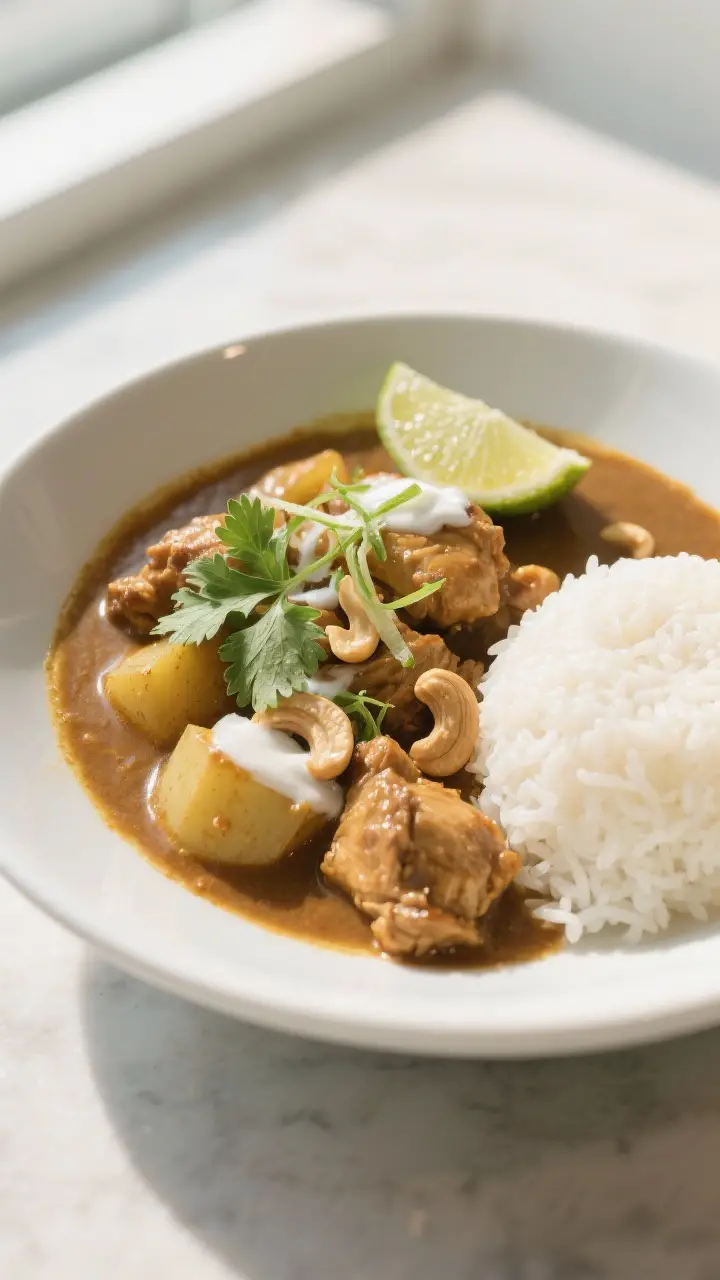
Benefits of This Recipe
- Flavor depth without heavy heat: Great for families or anyone who prefers warmth over burn.
- Customizable: You control spice, salt, and aroma, something store-bought pastes can’t match.
- Cost-effective: A single batch yields several meals and uses pantry spices efficiently.
- Versatile in the kitchen: Beyond curry, it brightens soups, braises, and marinades.
- Make-ahead convenience: A small stash in the freezer speeds up weeknight dinners.
Pitfalls to Watch Out For
- Skipping the toasting step: Untoasted spices taste flat. A few minutes in a dry pan makes a big difference.
- Using too much pith: When zesting lime or peeling kaffir lime, avoid the white pith—it’s bitter.
- Undersoftened chilies: Hard chilies resist blending and create a gritty paste.Soak until flexible.
- Overloading the blender: Too little liquid or oil stalls the blades. Work in batches or add a touch more oil.
- Unbalanced warmth: Cinnamon and cloves are strong. Start modestly; you can always add more.
Variations You Can Try
- Vegan version: Skip shrimp paste and add a splash of soy sauce or miso for umami.
- Roasted shallot/garlic: Roast until caramelized for a sweeter, rounder profile.
- Extra citrus lift: Add a bit more kaffir lime zest or a squeeze of lime juice when cooking the curry.
- Nutty richness: Increase toasted peanuts or swap in toasted cashews for a buttery note.
- Smoky heat: Use a few smoked dried chilies (like chipotle morita) blended with Thai chilies.
- Smoother paste: Add a tablespoon of coconut cream while blending for a silkier texture.
FAQ
How much paste should I use for one pot of curry?
For a 14-ounce can of coconut milk and about 1 to 1.5 pounds of protein or vegetables, start with 2–3 tablespoons of paste.
Simmer and taste, then add more if you want a stronger flavor.
Can I use ground spices instead of whole?
Yes. Whole spices give better aroma after toasting, but ground spices still work. Lightly toast ground spices for 20–30 seconds, stirring constantly to avoid burning.
What’s the best substitute for galangal?
Fresh ginger is the easiest swap.
Use slightly less ginger than galangal since ginger is sharper. Add a bit of lime zest to make up for galangal’s citrusy tone.
Is shrimp paste necessary?
It’s traditional and adds deep savoriness, but the paste is still delicious without it. Try a touch of soy sauce, white miso, or a pinch of seaweed flakes for umami. For an extra layer of flavor, consider incorporating toasted sesame oil or fresh lime juice to contrast the richness of the dish. Whether you follow a classic gaeng panang curry recipe or experiment with your own variations, these simple adjustments can elevate your meal. The combination of these umami-enhancing ingredients will create a truly unforgettable dining experience. For those looking for a quick and satisfying dish, the Thai coconut curry shrimp recipe is an excellent choice. Its vibrant flavors and creamy texture make it a favorite, perfectly showcasing the versatility of these umami-rich enhancements. Don’t hesitate to mix in your favorite vegetables to personalize the dish even further and make it your own. For those who crave a comforting soup option, the thai coconut curry soup recipe is a fantastic addition to your culinary repertoire. This warm and fragrant dish not only highlights the umami elements but also warms the soul, perfect for a cozy meal. Feel free to experiment with different proteins or noodles to create a heartier version that suits your taste preferences.
Why is my paste bitter?
Common causes are burnt spices, too much lime pith, or scorching the paste when you later fry it.
Toast gently, zest lightly, and cook the paste over medium heat with oil until fragrant, not browned.
Can I make it less spicy?
Yes. Use fewer chilies, remove most of the seeds, or choose milder varieties like Kashmiri or guajillo for color and gentle heat.
How do I cook with the paste?
Fry 2–3 tablespoons of paste in a little oil until aromatic, 1–2 minutes. Add coconut milk, stock, and your protein or vegetables.
Simmer until tender, then finish with palm sugar and fish sauce (or soy for vegan) to balance.
Does it have peanuts in the paste or only in the curry?
Some versions blend a small amount into the paste for body, while others add peanuts directly to the curry. You can do either. If allergies are a concern, skip them entirely.
Can I double the batch?
Absolutely.
It freezes well, so doubling saves time later. Portion into small containers or cubes for easy use.
What’s the difference between Massaman and other Thai curry pastes?
Massaman uses warm spices like cardamom, cinnamon, and cloves, and often includes roasted nuts. Red and green pastes lean more on fresh herbs and chilies, with brighter, sharper heat. These vibrant flavors can also be found in various Thai dishes, enhancing the overall culinary experience. For those looking to explore these tastes further, a thaistyle mussel soup recipe is a perfect choice, combining the rich spices with the freshness of seafood. The balance of seasoning in this dish showcases the complexity and depth of Thai cuisine while offering a delightful twist. Another wonderful way to experience Thai flavors is through a thai peanut sauce recipe, which pairs beautifully with grilled meats or fresh vegetables. This sauce, characterized by its creamy texture and nutty aroma, perfectly complements the spiciness of traditional Thai dishes. Whether used as a dip or a dressing, it adds an irresistible element that elevates any meal. For those pressed for time, a quick thai basil chicken recipe brings the vibrant flavors of Thailand to your table in no time. This dish is not only simple to prepare but also highlights the aromatic qualities of basil alongside savory chicken and a touch of heat. It’s a fantastic option for a weeknight dinner, ensuring that you can enjoy the essence of Thai cuisine without the fuss.
Final Thoughts
Homemade Massaman curry paste is a small effort with a big payoff.
The blend of Thai aromatics and warm spices gives you a sauce base that’s cozy, fragrant, and versatile. Keep a jar ready, and weeknight dinners become simple: fry the paste, add coconut milk, and simmer with what you have. Whether you make a classic beef Massaman or a veggie-forward bowl, this paste delivers comfort in every spoonful. For those looking to elevate their culinary repertoire, this panang curry paste recipe is a perfect starting point. Feel free to experiment by adding seasonal vegetables or proteins of your choice, making each dish a unique creation. With its rich flavors and deep aromas, you’ll find yourself reaching for this paste time and again. For a different yet equally satisfying experience, try your hand at a Thai green curry paste recipe that bursts with fresh herbs and zesty brightness. This paste complements lighter proteins like chicken or shrimp beautifully, and can be paired with fragrant jasmine rice to soak up every drop of its delicious sauce. Whether you’re craving something hearty or light, these pastes offer endless possibilities to satisfy your palate. For a bolder flavor profile, consider trying a thai red curry paste recipe that brings a delightful heat and depth to your meals. This spicy variation pairs wonderfully with robust ingredients like beef or eggplant, creating a balance that’s both satisfying and adventurous. Each paste serves as a gateway to explore the vibrant world of Thai cuisine, inviting you to discover new textures and tastes with every dish you prepare.
Printable Recipe Card
Want just the essential recipe details without scrolling through the article? Get our printable recipe card with just the ingredients and instructions.
Pingback: Gaeng Massaman (Massaman Curry With Potatoes and Peanuts) – A Comforting Thai Classic - Whaley Cooks