
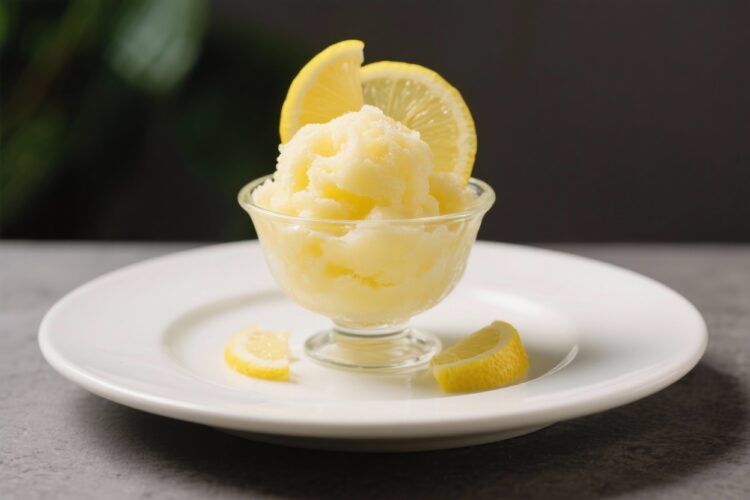
Lemon sherbet is the sunny scoop that brightens any day. It’s creamy yet light, with just the right snap of citrus. You don’t need fancy equipment or a culinary degree to make it taste amazing.
A few basic ingredients, a short prep, and a bit of patience are all it takes. If you love tart desserts with a smooth finish, this recipe is going to be a favorite.
Why This Recipe Works
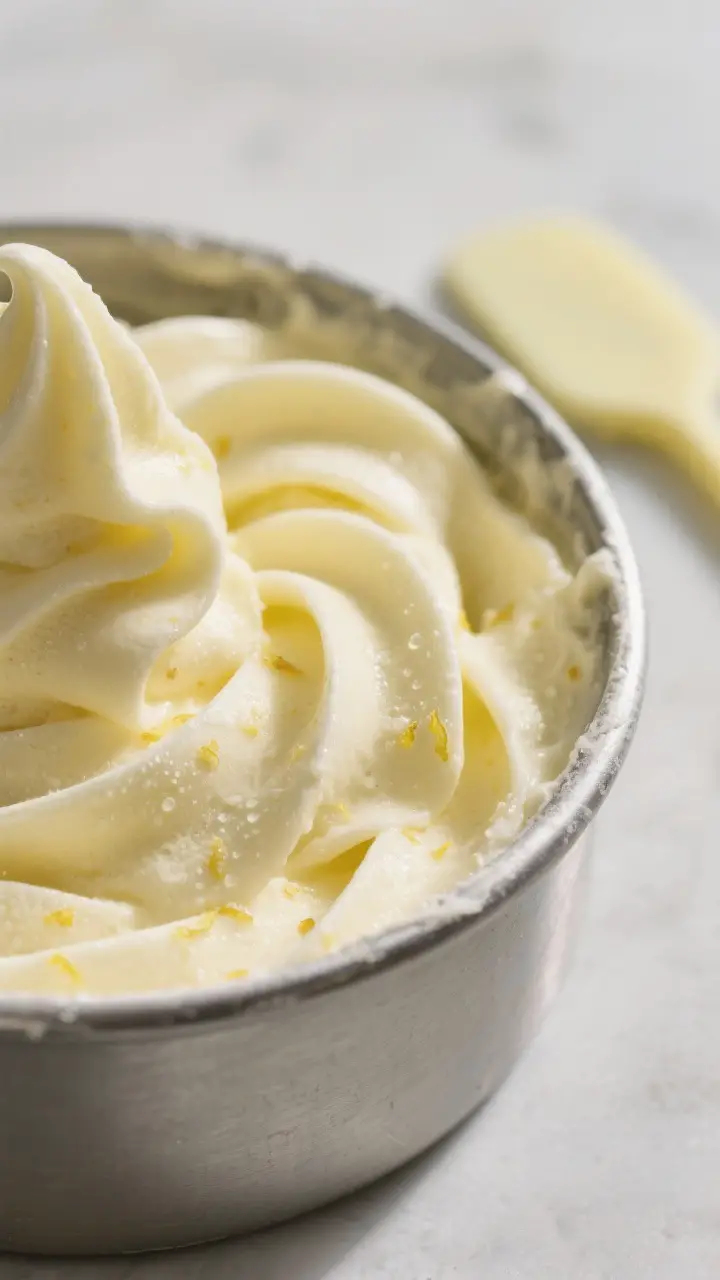
This sherbet strikes a balance between sorbet and ice cream. The dairy softens the lemon’s sharpness while keeping the flavor clean and bright.
A touch of corn syrup (or honey) helps control ice crystals, making the texture smoother. Sugar not only sweetens but also keeps the sherbet scoopable. Using fresh lemon juice and zest gives depth that bottled juice can’t match.
Shopping List
- Fresh lemons (you’ll need both juice and zest; about 4–5 medium lemons)
- Granulated sugar (3/4 to 1 cup, depending on your sweetness preference)
- Whole milk (1 1/2 cups)
- Heavy cream (1/2 cup)
- Corn syrup or honey (2 tablespoons, for texture)
- Fine sea salt (a pinch)
- Vanilla extract (1/2 teaspoon, optional for roundness)
Instructions
- Zest and juice the lemons. Wash the lemons, then zest them finely, avoiding the bitter white pith.
Juice the lemons and strain out seeds. You’ll want about 3/4 cup of lemon juice.
- Make the lemon sugar. In a bowl, rub the lemon zest into the sugar with your fingertips until the sugar smells intensely lemony. This releases fragrant oils and boosts flavor.
- Warm the dairy base. In a small saucepan over low heat, combine the milk, cream, corn syrup (or honey), and a pinch of salt.
Heat just until warm and the sugar will easily dissolve—do not simmer or boil.
- Dissolve the sugar. Stir the lemon-infused sugar into the warm dairy until fully dissolved. Remove from heat. Let the mixture cool for 10 minutes to avoid curdling when adding lemon.
- Add lemon juice and vanilla. Whisk in the lemon juice and the vanilla extract (if using).
The mixture may thicken slightly—that’s normal.
- Chill thoroughly. Cover and refrigerate until very cold, at least 3 hours or up to overnight. A cold base freezes faster and reduces ice crystals.
- Churn the sherbet. Pour the chilled mixture into your ice cream maker and churn according to the manufacturer’s instructions, usually 15–25 minutes, until it reaches soft-serve consistency.
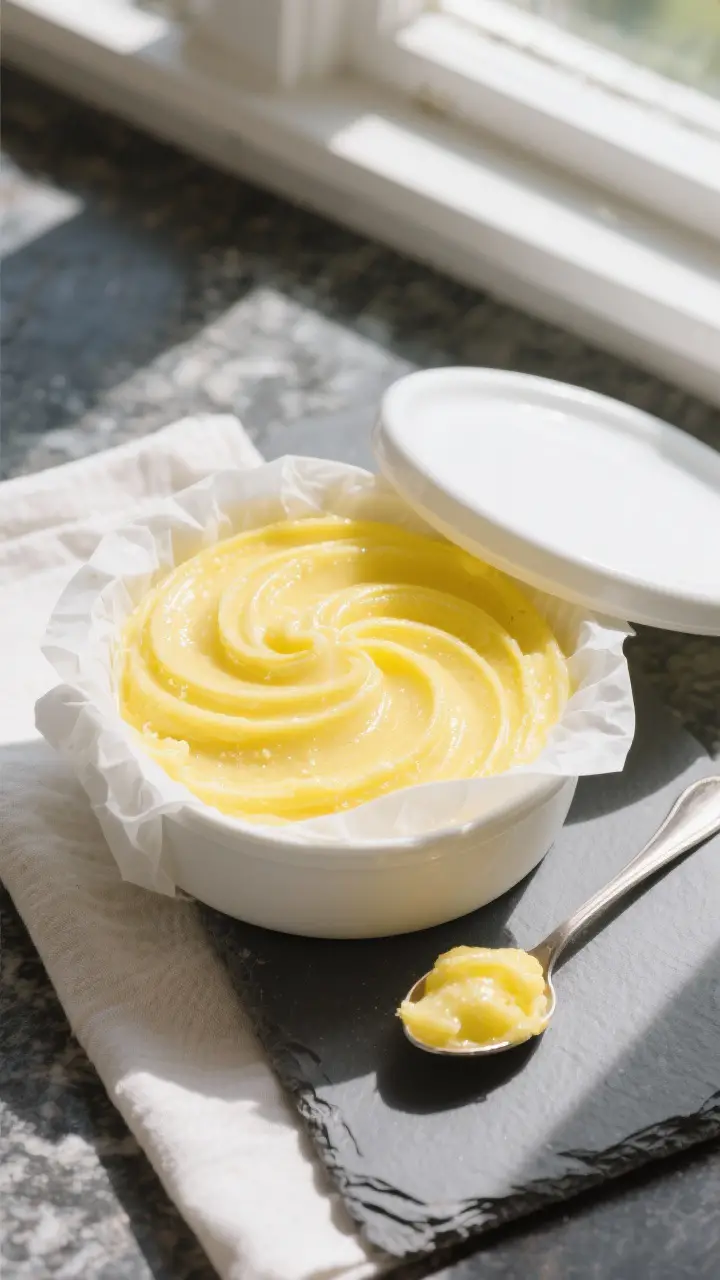
- Firm up in the freezer. Transfer to a lidded container. Press a piece of parchment or plastic wrap directly onto the surface to reduce ice crystals.
Freeze for 2–4 hours until scoopable.
- Serve. Scoop into bowls or cones. If it’s too firm, let it sit at room temperature for 5 minutes before scooping.
How to Store
- Container: Store in a shallow, airtight container to reduce air pockets and speed softening time.
- Cover the surface: Press parchment or plastic wrap onto the top before sealing with the lid to prevent ice crystals.
- Freezer placement: Keep it toward the back of the freezer where the temperature is most stable.
- Shelf life: Best within 2 weeks for peak texture and flavor. It’s still safe after that but may become icier.
Benefits of This Recipe
- Bright, real flavor: Fresh lemon juice and zest keep the taste clean and vibrant.
- Lighter than ice cream: Less heavy than a custard base, but still creamy and satisfying.
- Simple ingredient list: No egg yolks or complicated steps—ideal for beginners.
- Quick to prep: Active time is minimal; the freezer does the rest.
- Customizable: Easy to adjust sweetness or tartness and add mix-ins.
Pitfalls to Watch Out For
- Curdling risk: Adding lemon to hot dairy can cause curdling.
Let the base cool slightly before whisking in the juice.
- Insufficient chilling: A warm base won’t churn well and will freeze icy. Chill thoroughly.
- Over-churning: Churn just until soft-serve texture. Overdoing it can make the sherbet grainy.
- Too much zest pith: Grate only the yellow zest.
The white pith is bitter and can throw off the balance.
- Skimping on sugar: Sugar controls ice crystals. Cutting it too much can make the sherbet hard and icy.
Recipe Variations
- Lemon-Basil Sherbet: Steep a handful of fresh basil leaves in the warm dairy base for 10 minutes, then strain before chilling. Adds a fresh, herbal twist.
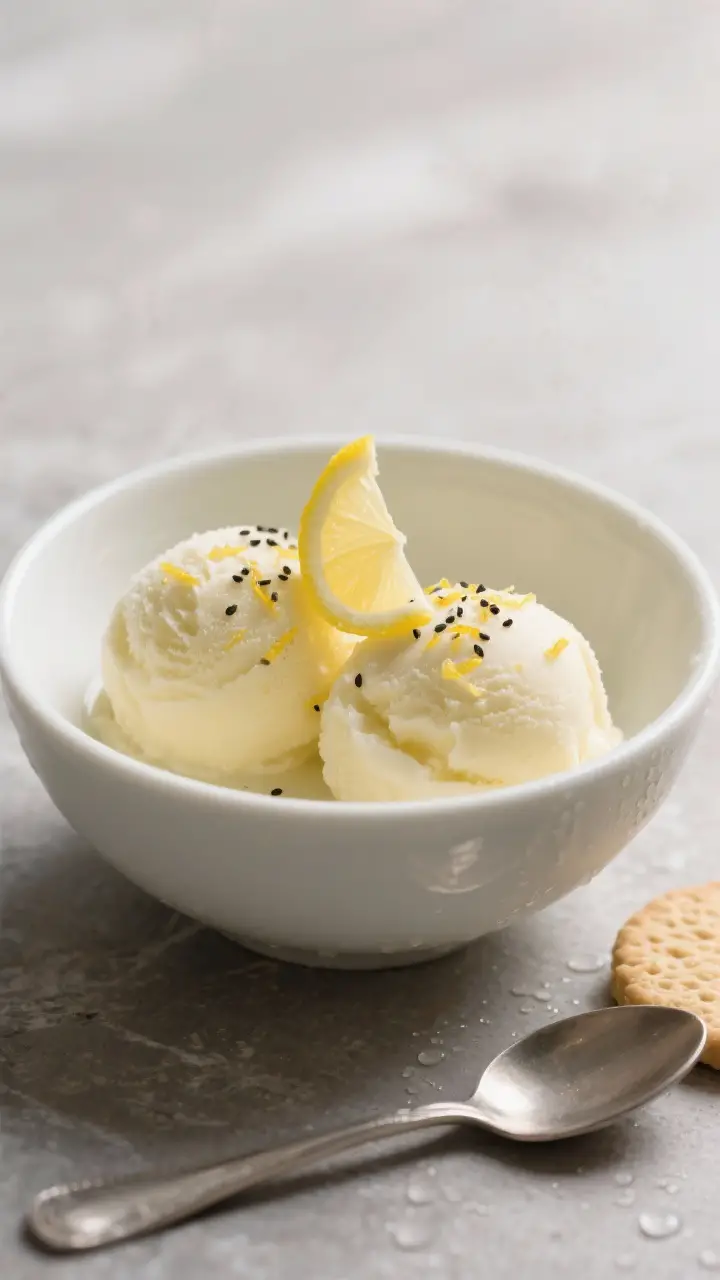
- Lemon-Poppy Seed: Stir in 1–2 teaspoons of poppy seeds after churning.
Great texture and a nod to classic lemon bakes.
- Limoncello Sherbet: Replace 2 tablespoons of lemon juice with limoncello. Alcohol keeps it extra scoopable and adds a floral note.
- Lemon-Blueberry Swirl: Ripple in a cooled blueberry compote as you transfer to the container. The sweet berries play nicely with the tart lemon.
- Dairy-Light Version: Use 2 cups whole milk and skip the cream.
Texture will be icier but still refreshing.
- Ultra-Creamy: Increase cream to 1 cup and reduce milk to 1 cup for a richer, more ice-cream-like feel.
- Honey Lemon: Swap half the sugar for honey. Expect a slightly warmer sweetness and a softer freeze.
FAQ
Can I make lemon sherbet without an ice cream maker?
Yes. Chill the base thoroughly, then pour it into a shallow dish and freeze for 30–45 minutes.
Stir vigorously with a fork or whisk to break up ice crystals. Repeat every 30 minutes for 3–4 hours until smooth and scoopable. A blender pulse at the end can help.
What’s the difference between sherbet and sorbet?
Sorbet contains no dairy and relies on fruit, sugar, and water.
Sherbet includes a small amount of dairy, which makes it creamier and softer while still tasting light and fruity.
Why did my sherbet turn icy?
Too little sugar, an inadequately chilled base, or skipping the corn syrup/honey can cause iciness. Also, long thaw-and-refreeze cycles in the freezer make crystals grow. Keep the container tightly sealed and covered on the surface.
Can I use bottled lemon juice?
You can, but fresh is better.
Bottled juice often tastes flat or slightly bitter. Fresh juice and zest give bright, layered flavor that makes this recipe shine.
How sweet should lemon sherbet be before freezing?
Aim for slightly sweeter than you want the final product. Cold dulls sweetness, so a base that tastes a bit too sweet at room temperature usually freezes to the perfect balance.
Is there a lactose-free option?
Use lactose-free whole milk and cream.
The taste and texture remain close to the original. For a dairy-free option, see the dairy-light variation but use full-fat coconut milk for body; note the coconut flavor will come through.
How long should I churn the sherbet?
Most machines take 15–25 minutes. Stop when it reaches soft-serve consistency with gentle ridges.
Over-churning can make the texture dense and grainy.
Can I reduce the sugar?
You can reduce it slightly, but not too much. Sugar affects texture, not just sweetness. If cutting back, keep the corn syrup or honey to help prevent iciness.
Wrapping Up
Lemon sherbet is a bright, creamy dessert that feels special without being fussy.
With fresh lemons, a short ingredient list, and a bit of chilling time, you’ll get a smooth, tangy scoop that tastes like sunshine. Keep the base cold, don’t rush the churn, and use that zest to its full potential. Once you master this, you’ll find reasons to make it year-round—whether it’s a summer treat or a citrusy pick-me-up in winter.
Enjoy every zesty spoonful.
Printable Recipe Card
Want just the essential recipe details without scrolling through the article? Get our printable recipe card with just the ingredients and instructions.