
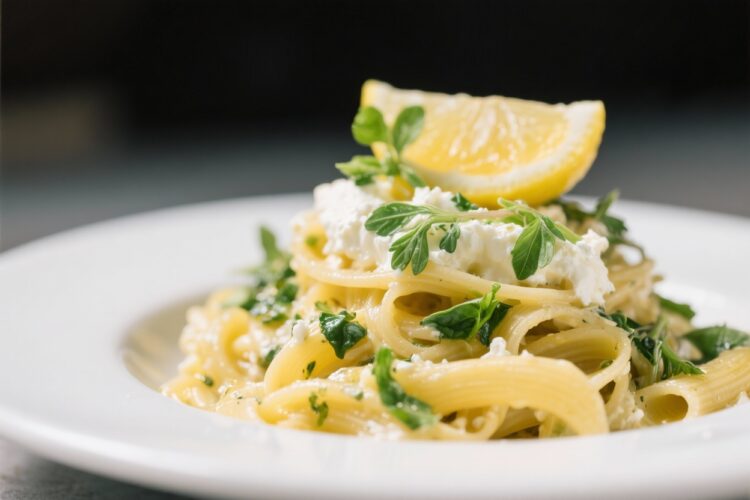
This is the kind of pasta you make when you want something fresh and comforting at the same time. Lemon ricotta pasta is silky, tangy, and ready in the time it takes to boil water. The sauce doesn’t need a long simmer or heavy cream—just good ricotta, lemon, and a handful of tender herbs.
It’s light enough for spring, but satisfying enough to stand alone for dinner. Add a simple salad or grilled chicken if you like, but it’s lovely all on its own.
Why This Recipe Works
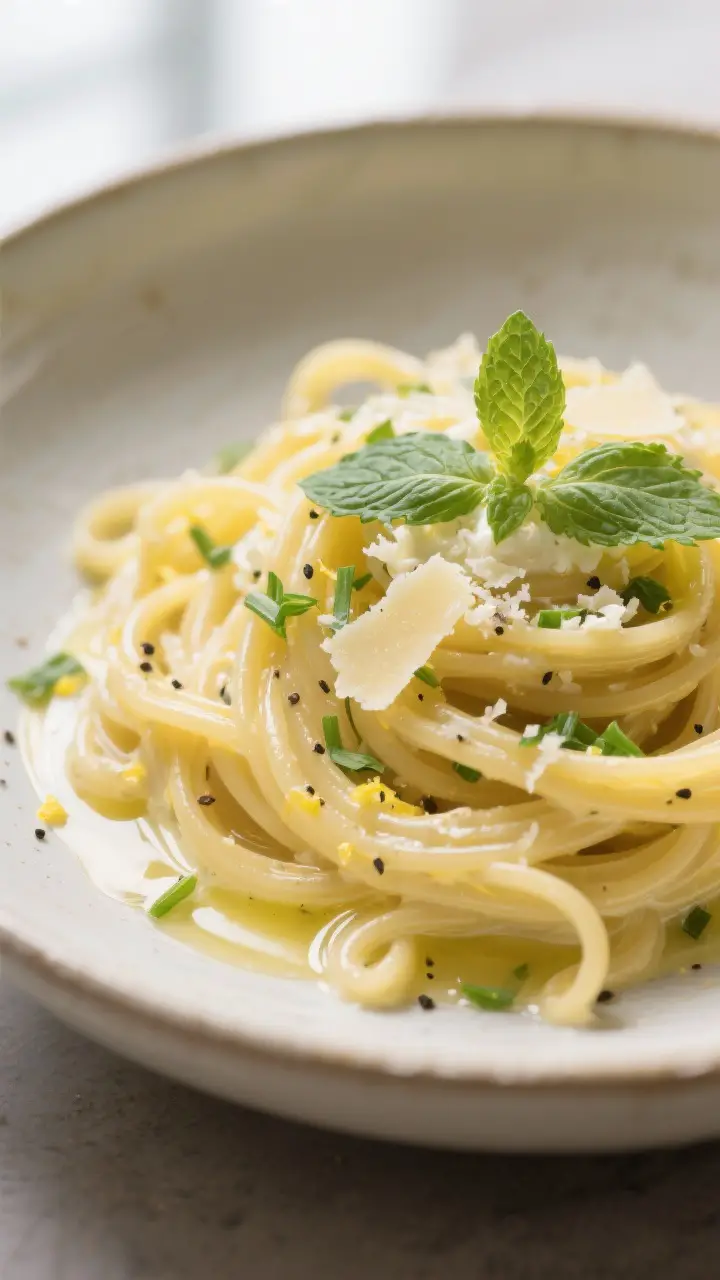
This pasta leans on a few smart techniques to deliver maximum flavor with minimal effort.
- Ricotta becomes creamy when loosened with hot pasta water, creating a velvety sauce without cream.
- Lemon zest and juice brighten the dish and balance the richness of the cheese.
- Fresh spring herbs—like parsley, chives, and mint—add layers of freshness that don’t require cooking.
- One-bowl sauce saves time: whisk the sauce in a mixing bowl, then toss with hot pasta straight from the pot.
- Controlled heat avoids curdling. The sauce coats the pasta off the stove, staying smooth and glossy.
Shopping List
- Pasta: 12 ounces spaghetti, linguine, or shells
- Whole-milk ricotta: 1 cup (good quality for best texture)
- Lemon: 1–2 large (you’ll use zest and juice)
- Extra-virgin olive oil: 2–3 tablespoons
- Parmesan or Pecorino Romano: 1/2 cup finely grated
- Garlic: 1 small clove (optional, finely grated)
- Fresh herbs: small handful each of parsley, chives, and mint (dill or basil also work)
- Red pepper flakes: a pinch (optional)
- Salt and black pepper
- Pasta water: reserved from cooking (about 1 cup)
- Lemon wedges for serving (optional)
Step-by-Step Instructions
- Boil the pasta. Bring a large pot of salted water to a boil.
Cook the pasta until just shy of al dente. Before draining, reserve about 1 cup of the starchy cooking water.
- Make the lemon-ricotta base. In a large mixing bowl, whisk together ricotta, olive oil, lemon zest, 1 tablespoon lemon juice, grated parmesan, a pinch of salt, and black pepper. If using, whisk in the garlic and red pepper flakes.
The mixture should be thick but smooth.
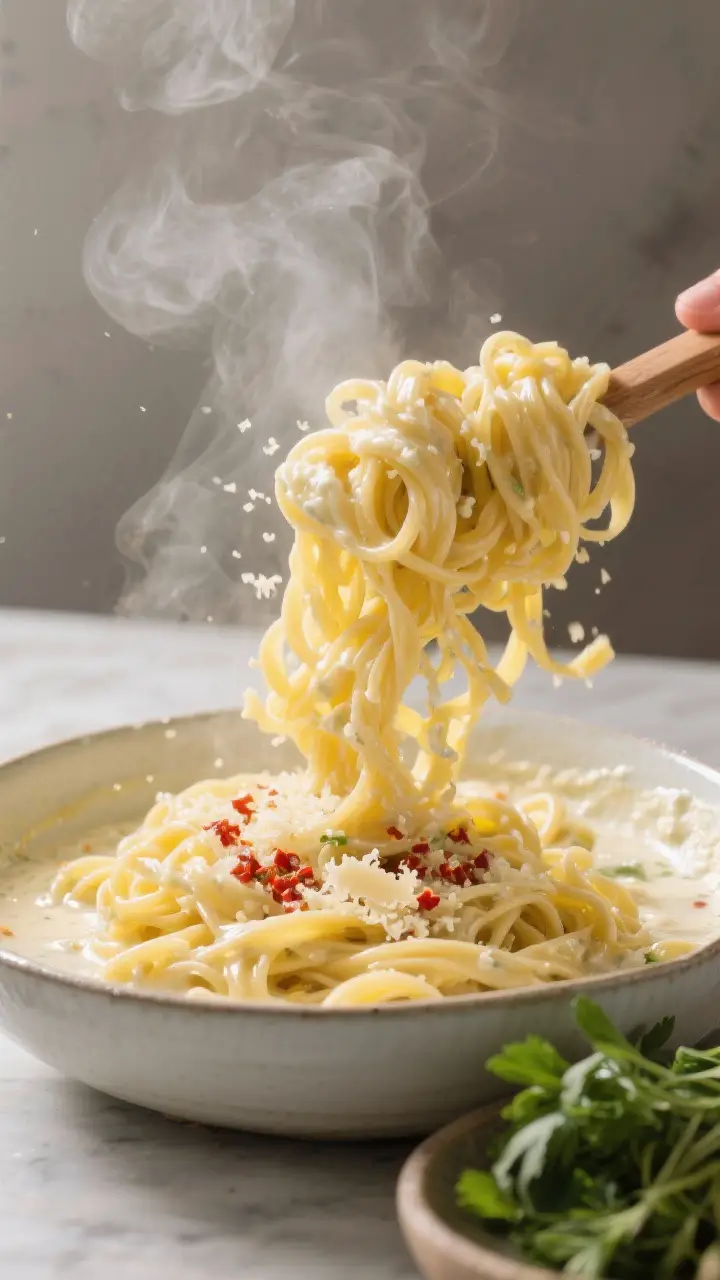
- Adjust consistency. Add 2–3 tablespoons of hot pasta water to the ricotta mixture and whisk until it loosens to a creamy, sauce-like consistency. You’ll fine-tune later.
- Chop the herbs. Finely chop parsley and chives. Tear or thinly slice mint leaves.
Keep a little extra for garnish.
- Toss with hot pasta. Add the drained pasta directly to the bowl with the sauce. Toss vigorously, adding more hot pasta water a splash at a time until the sauce clings silkily to the noodles. Aim for glossy, not gloopy.
- Taste and balance. Add more lemon juice for brightness, more parmesan for savoriness, and salt and pepper as needed.
Fold in most of the herbs, reserving some for the top.
- Plate and finish. Twirl into bowls. Top with remaining herbs, a drizzle of olive oil, and extra parmesan. Serve with lemon wedges if you want more zing.
Keeping It Fresh
- Serve immediately for the creamiest texture.
Ricotta sauces thicken as they sit.
- If reheating: Add a splash of water and a squeeze of lemon. Warm gently over low heat, stirring to bring it back to creamy.
- Storage: Keep leftovers in an airtight container in the fridge for up to 2 days. Fresh herbs will dull a bit, so add a sprinkle of new herbs before serving.
- Make-ahead tips: You can mix the ricotta, lemon zest, and cheese a few hours ahead.
Wait to add lemon juice, herbs, and pasta water until right before serving.
Health Benefits
- Protein and calcium: Whole-milk ricotta offers protein for satiety and calcium for bone health.
- Lower in saturated fat than heavy cream sauces while still tasting rich and satisfying.
- Herbs and lemon bring antioxidants and bright flavor without extra calories.
- Customizable carbs: Use whole-wheat or high-protein pasta to increase fiber and micronutrients.
What Not to Do
- Don’t boil the sauce. High heat can cause ricotta to split or turn grainy. Toss off the heat.
- Don’t skip the pasta water. It’s the key to a silky, cohesive sauce that clings to noodles.
- Don’t overdo the lemon juice. Start small and adjust. Too much can overwhelm the herbs and cheese.
- Don’t use watery ricotta. If your ricotta is loose, briefly drain it through a fine sieve to avoid a thin sauce.
- Don’t wait too long to serve. The sauce thickens as it cools and can turn pasty.
Alternatives
- Pasta shape: Try orecchiette, campanelle, or rigatoni.
Short shapes hold the sauce in nooks and crannies.
- Herb swaps: Basil, dill, or tarragon work well. Use what’s fresh and tender.
- Add-ins: Peas, asparagus tips, or sautéed zucchini fit the spring theme. Fold them in with the herbs.
- Protein: Add grilled chicken, seared shrimp, or flaked salmon.
Keep the portions light to maintain balance.
- Dairy tweaks: For extra tang, blend in a spoonful of Greek yogurt. For a deeper savory note, use Pecorino Romano instead of parmesan.
- Gluten-free: Use your favorite gluten-free pasta and watch the timing—GF pasta can overcook quickly.
- Vegan path: Use a thick almond or tofu ricotta, vegan parmesan, and a touch more olive oil. Add nutritional yeast for depth.
FAQ
Can I make the sauce ahead of time?
You can mix the ricotta, lemon zest, olive oil, and parmesan a few hours ahead and chill it.
Add lemon juice, herbs, and hot pasta water right before serving to keep the sauce bright and smooth.
What if my sauce looks grainy?
It likely got too hot or needs more pasta water. Remove from heat, add a splash of warm water, and toss vigorously. A drizzle of olive oil can also help bring it back together.
Which ricotta should I buy?
Choose whole-milk ricotta with minimal ingredients.
If it looks very wet, drain it for 15–20 minutes in a fine sieve or cheesecloth to improve texture.
Can I use bottled lemon juice?
Fresh lemon juice is best. Bottled juice can taste flat and won’t offer the bright aroma you get from fresh zest and juice.
How do I add vegetables without watering down the sauce?
Cook vegetables separately and pat them dry. Lightly sautéed asparagus, peas, or zucchini work well.
Fold them in at the end so they don’t release extra moisture into the sauce.
Is this good cold?
It’s best warm, but it can be enjoyed at room temperature. If serving later, refresh with a splash of water, a squeeze of lemon, and a little olive oil.
How salty should the pasta water be?
Season it so it tastes like the sea. This is your main opportunity to season the pasta itself and build flavor into the final dish.
Wrapping Up
Lemon ricotta pasta with spring herbs is simple, bright, and endlessly adaptable.
It’s a weeknight hero that still feels special, thanks to silky ricotta and fragrant herbs. Keep a lemon, a tub of ricotta, and a bunch of parsley on hand, and you’re never far from a satisfying, fresh bowl of pasta. Make it once, and it’ll become your spring staple.
Printable Recipe Card
Want just the essential recipe details without scrolling through the article? Get our printable recipe card with just the ingredients and instructions.