
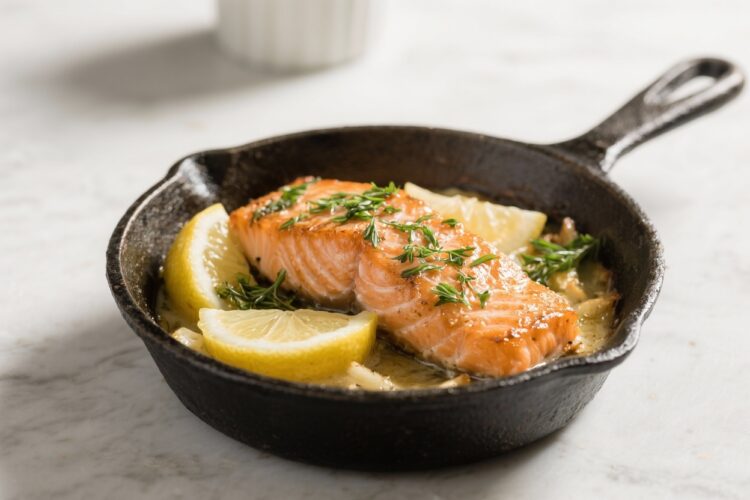
If you’re craving a fresh, flavorful meal that doesn’t take all evening, this Lemon Herb Salmon Skillet is a winner. It’s the kind of recipe that tastes like a special occasion but fits into a busy weekday. You get juicy, flaky salmon with a crisp sear, a bright lemony sauce, and fresh herbs that make everything pop.
Serve it with rice, couscous, or a pile of greens, and you’re set. Minimal dishes, big flavor, and ready in under 30 minutes.
What Makes This Special
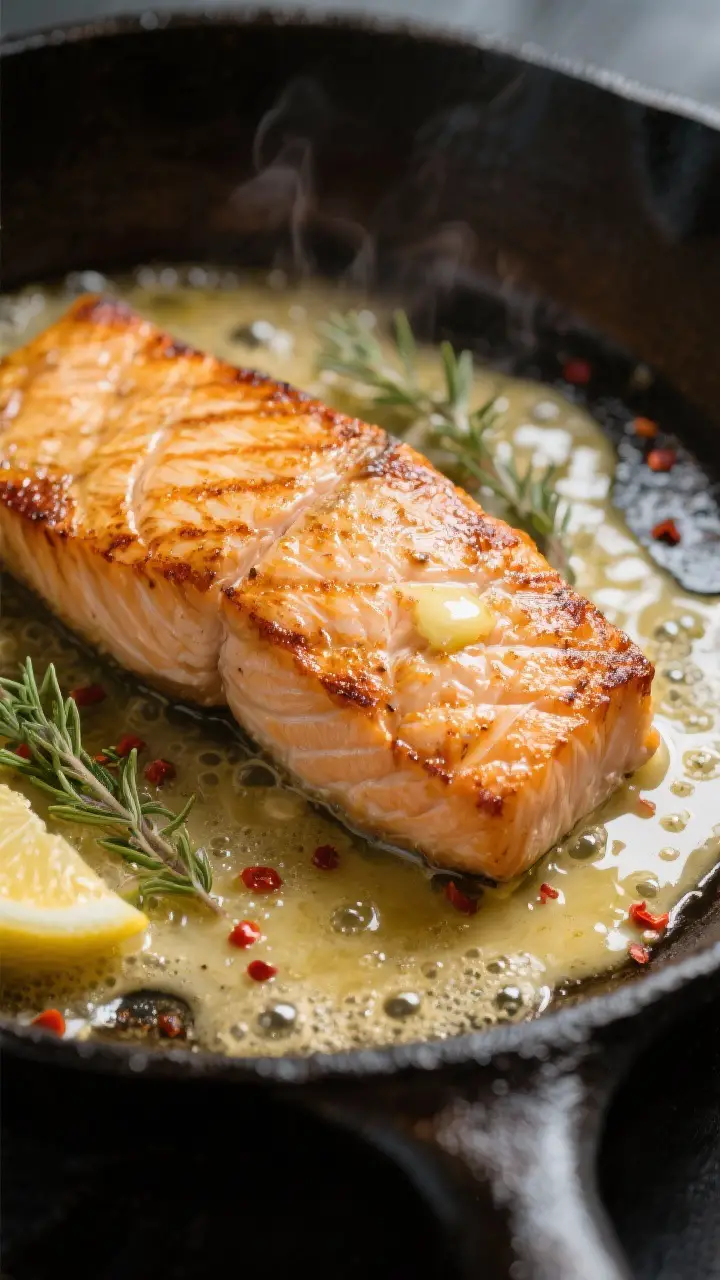
This skillet dinner hits the sweet spot between simple and impressive. The lemon butter pan sauce pulls the whole dish together, and fresh herbs add a clean finish.
Searing the salmon first gives you that restaurant-style crust without deep cooking skills or fancy tools. Everything happens in one pan, so cleanup is easy. It’s flexible enough to work with what you have—swap herbs, adjust the citrus, or add quick veggies right to the pan.
Ingredients
- 4 salmon fillets (about 6 oz each), skin-on or skinless
- 1 lemon, zested and juiced (about 2–3 tbsp juice)
- 2 tbsp olive oil
- 2 tbsp unsalted butter
- 3 garlic cloves, minced
- 1/2 cup low-sodium chicken broth (or vegetable broth)
- 2 tbsp fresh parsley, chopped
- 1 tbsp fresh dill, chopped (optional but great)
- 1 tsp fresh thyme leaves (or 1/4 tsp dried)
- 1/2 tsp kosher salt, plus more to taste
- 1/4 tsp black pepper
- Pinch of red pepper flakes (optional)
- Lemon slices for garnish (optional)
How to Make It
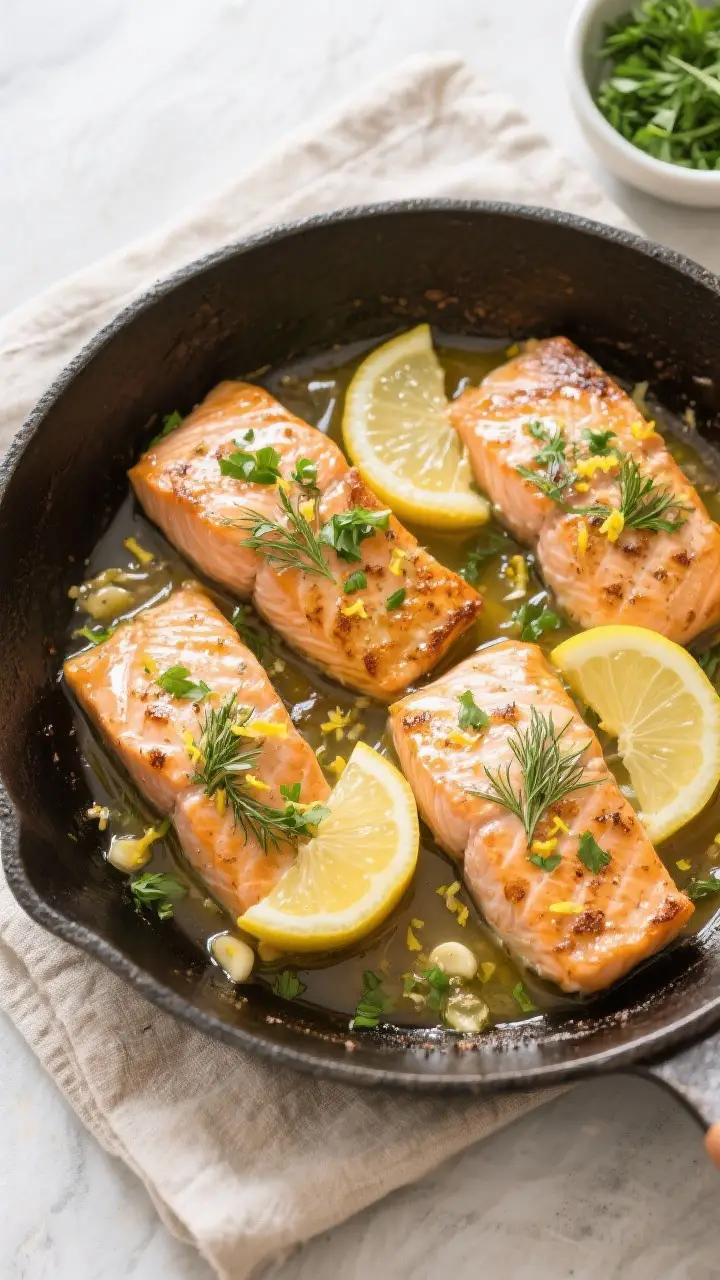
- Pat the salmon dry. Moisture prevents good searing.
Use paper towels to dry both sides thoroughly. Season with salt and pepper on both sides.
- Preheat the skillet. Set a large skillet (stainless steel or cast iron works best) over medium-high heat. Add the olive oil and let it shimmer—this takes about 1 minute.
- Sear the salmon. Place fillets in the skillet, presentation side down if skinless, or skin-side up if skin-on.
Don’t move them for 3–4 minutes. You want a deep golden crust.
- Flip and finish. Carefully flip. Cook another 2–4 minutes depending on thickness.
For skin-on, finish skin-side down. Remove salmon to a plate when it’s just opaque and flakes easily. Tent loosely with foil.
- Build the sauce. Turn the heat to medium.
Add butter to the skillet. When it melts, stir in garlic and cook 30 seconds until fragrant, not browned.
- Deglaze. Pour in the broth and scrape up any browned bits from the pan. Simmer 2–3 minutes to reduce slightly.
- Add lemon and herbs. Stir in lemon juice, lemon zest, thyme, and a pinch of red pepper flakes if using.
Taste and adjust salt and pepper.
- Return the salmon. Nestle the fillets back into the sauce for 1 minute to warm through. Spoon the sauce over the top. Sprinkle with parsley and dill.
- Serve. Garnish with lemon slices if you like.
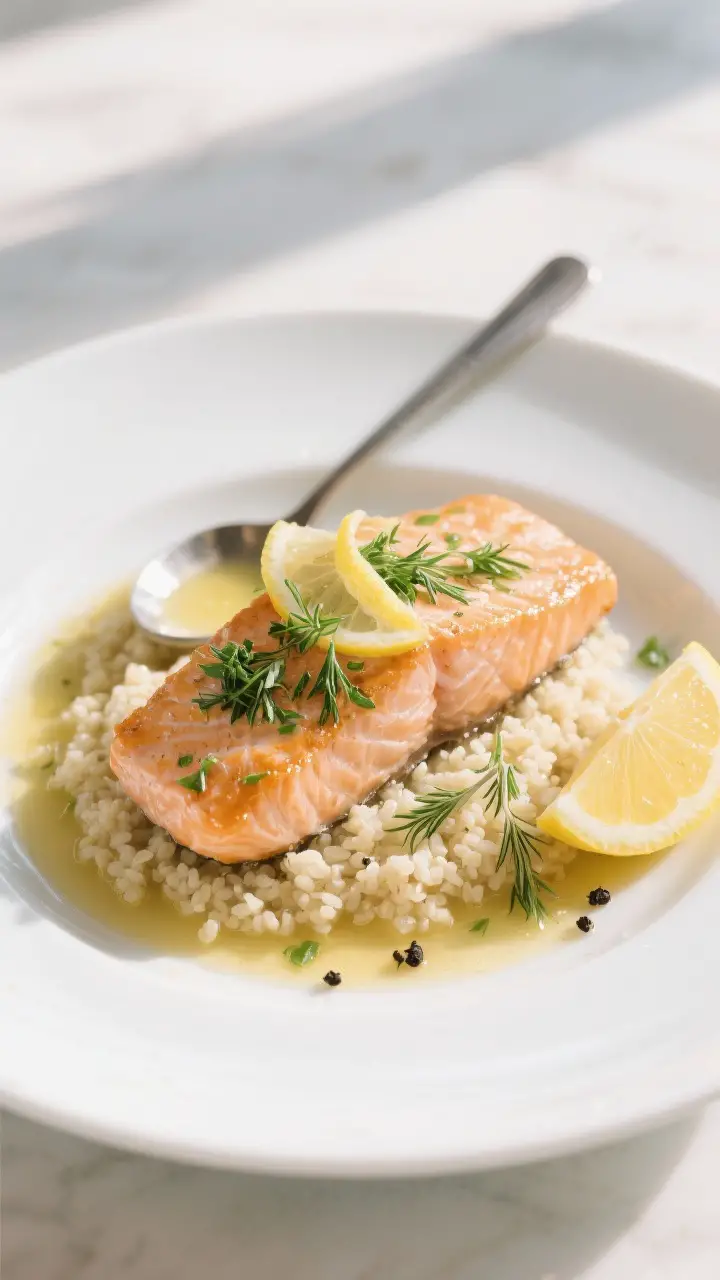
Pair with rice, roasted potatoes, or a crisp salad.
Storage Instructions
- Refrigerate: Store cooled salmon and sauce in an airtight container for up to 3 days.
- Reheat gently: Warm on low in a skillet with a splash of water or broth, or microwave at 50% power in short bursts. Avoid overcooking.
- Freeze: Cooked salmon can be frozen up to 2 months. Freeze portions with sauce.
Thaw overnight in the fridge and reheat gently.
- Leftover ideas: Flake cold salmon into salads, tuck into wraps, or mix into lemony pasta with greens.
Health Benefits
- Omega-3 fats: Salmon is rich in EPA and DHA, which support heart and brain health and help reduce inflammation.
- High-quality protein: Each serving delivers filling protein to help maintain muscle and steady energy.
- Lower sodium option: Using low-sodium broth and salting to taste keeps sodium in check.
- Antioxidants and vitamins: Lemon provides vitamin C, while fresh herbs add antioxidants and flavor without extra calories.
- Balanced meal: Pair with fiber-rich sides like quinoa, brown rice, or roasted vegetables for a complete plate.
What Not to Do
- Don’t overcrowd the pan. If the fillets are jammed together, they’ll steam instead of sear.
- Don’t start with a cold skillet. You won’t get that crisp, flavorful crust.
- Don’t overcook the salmon. Pull it when it flakes easily and looks just opaque. It will continue to cook slightly off heat.
- Don’t burn the garlic. Add it after the butter melts and cook briefly. Burnt garlic turns the sauce bitter.
- Don’t skip seasoning. Salt brings out the brightness of lemon and herbs.
Taste the sauce before serving and adjust.
Alternatives
- Herb swaps: Use basil, chives, or tarragon instead of dill or parsley. Dried herbs work in a pinch—use about one-third the amount.
- Citrus variations: Try lime for a zesty twist or orange for a sweeter note. A bit of lemon peel simmered in the sauce adds extra aroma.
- Dairy-free: Replace butter with more olive oil or vegan butter.
The sauce will still be silky.
- More veggies: Sauté asparagus, green beans, cherry tomatoes, or spinach in the pan after searing the salmon, then continue with the sauce.
- Protein swap: Use trout or cod. For chicken cutlets, cook fully before making the sauce, and simmer a bit longer to meld flavors.
- Grain pairings: Serve over couscous, orzo, lemon rice, or cauliflower rice for a lighter option.
FAQ
How do I know when the salmon is done?
Look for flesh that turns opaque and flakes easily with a fork. If you use a thermometer, aim for 125–130°F for moist, medium salmon.
It will rise a few degrees as it rests.
Should I cook salmon with the skin on?
Skin-on helps keep the fish moist and protects it during searing. Cook it skin-side down to finish, then slide a spatula between skin and flesh if you prefer to remove it before serving.
Can I use bottled lemon juice?
Fresh lemon juice tastes brighter and cleaner. Bottled works in a pinch, but add a bit of zest if you can—it makes a big difference in flavor.
What if my pan sauce is too tart?
Whisk in another tablespoon of butter or a small splash of broth.
A pinch of sugar or honey can smooth sharp edges without making it sweet.
How do I prevent sticking?
Use a hot pan and dry fish. Let the salmon sear undisturbed until it naturally releases before flipping. A thin fish spatula helps lift it cleanly.
Can I meal prep this?
Yes.
Cook the salmon slightly under your ideal doneness, store with sauce, and reheat gently. Add fresh herbs right before serving to keep them vibrant.
Is this recipe gluten-free?
It is naturally gluten-free if your broth is certified gluten-free. The rest of the ingredients are typically safe.
What skillet works best?
Cast iron and stainless steel brown the fish beautifully.
A nonstick pan is more forgiving, but you may not get as deep a sear.
Final Thoughts
This Lemon Herb Salmon Skillet brings restaurant flavor to your kitchen with simple steps and everyday ingredients. It’s fast, flexible, and satisfying without feeling heavy. Once you make it, you’ll likely add it to your weekly rotation.
Keep a lemon, a few herbs, and salmon on hand, and dinner practically makes itself. Bright, fresh, and done in one pan—hard to beat.
Printable Recipe Card
Want just the essential recipe details without scrolling through the article? Get our printable recipe card with just the ingredients and instructions.