
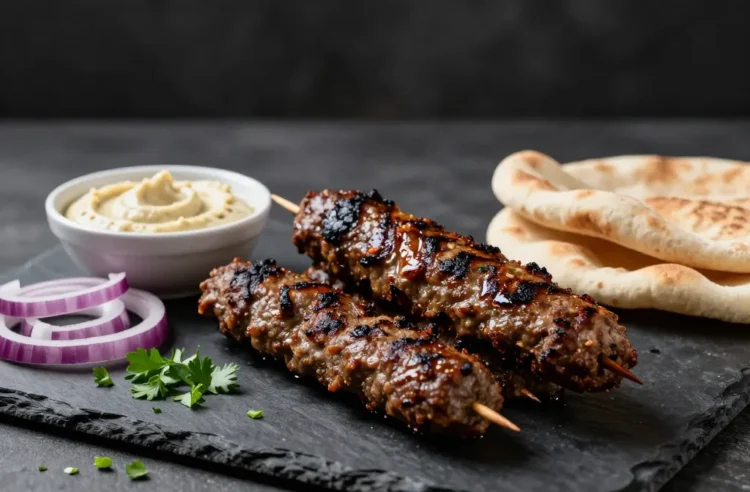
Lebanese kafta doesn’t waste time. It shows up juicy, spiced just right, and ready to steal the spotlight from whatever else you planned for dinner. Think perfectly seasoned ground meat shaped on skewers or into patties, seared until smoky outside and tender inside. Hungry yet? Good—let’s talk kafta.
What Exactly Is Kafta?
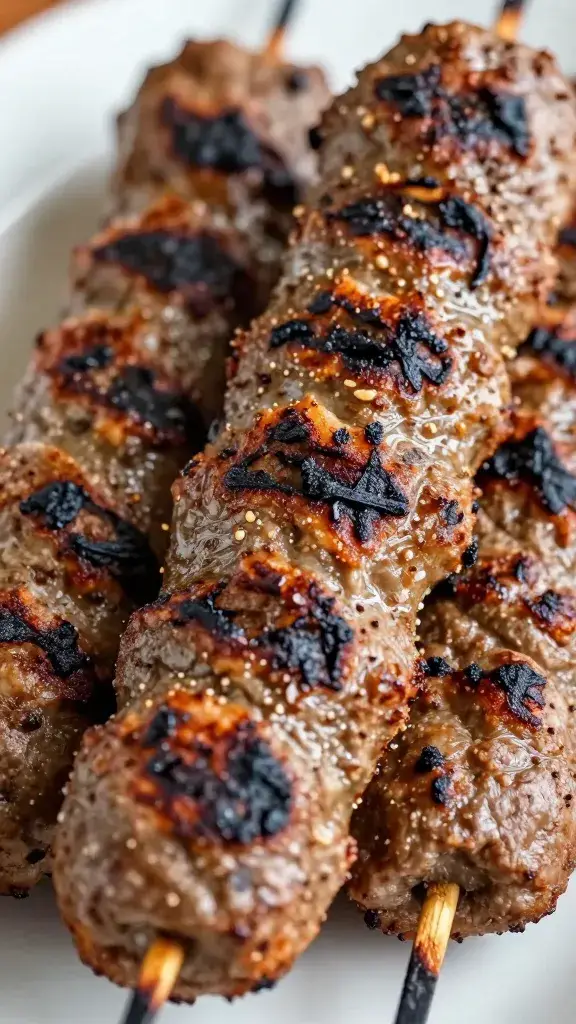
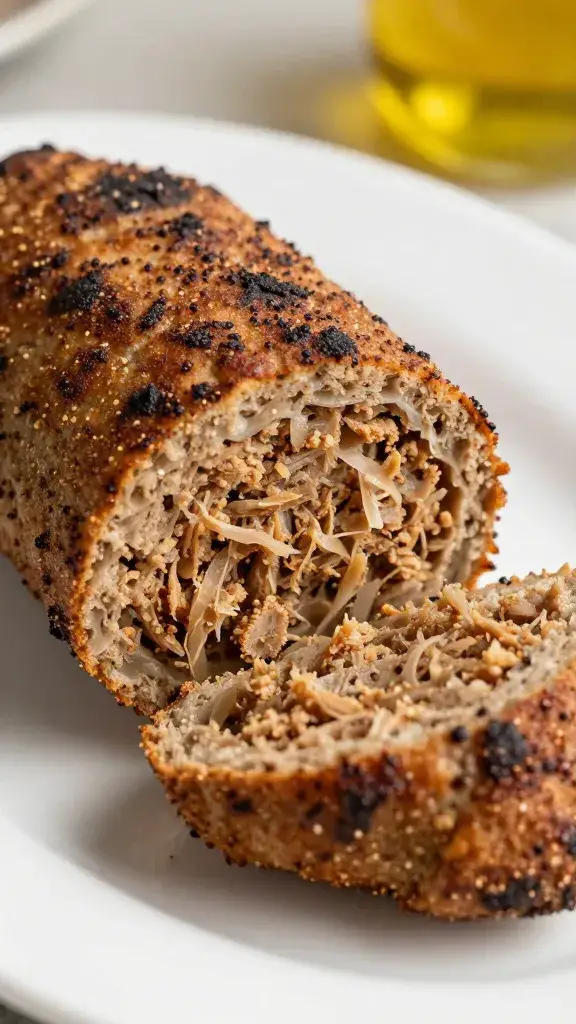
Kafta is Lebanon’s answer to the eternal “what do we do with ground meat?” question—and the answer absolutely slaps. You take ground lamb or beef (or a mix), knead it with onions, parsley, and warm spices, then shape it into logs or patties. Grill it, bake it, or pan-sear it, and boom: dinner that tastes like a backyard party.
Classic kafta gives you:
- Juicy meat with just enough fat to stay tender
- Fresh parsley and onion for brightness
- Warm, earthy spices like cinnamon and allspice
- That char or caramelized crust you dream about
The Flavor Blueprint
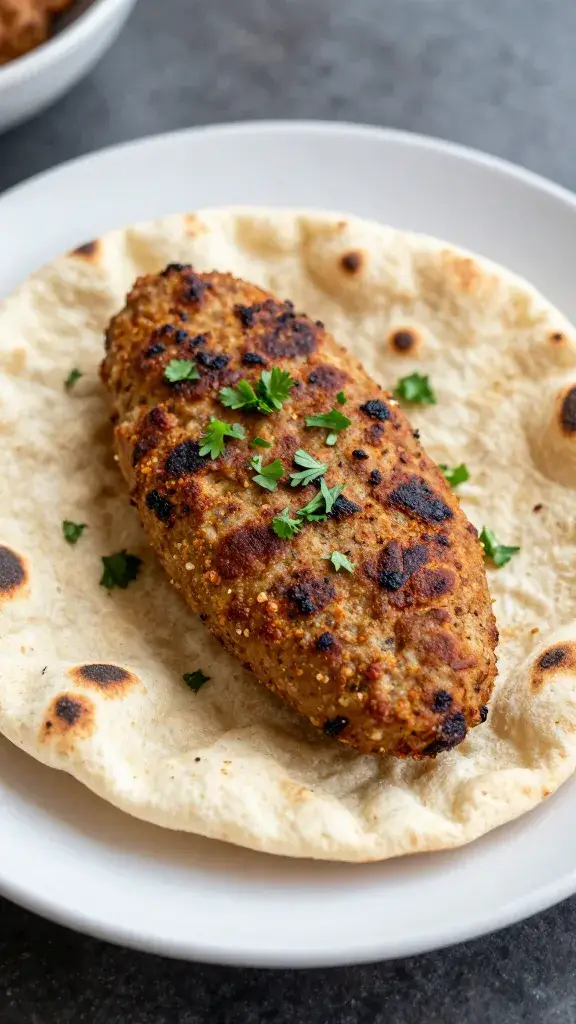
Lebanese kafta wins because it keeps the flavor clean and balanced. You won’t drown it in spices; you’ll let the meat and a few aromatics do the heavy lifting.
Essential ingredients (don’t skip these):
- Ground lamb, beef, or a 50/50 mix (aim for 15–20% fat)
- Finely grated onion (squeezed a bit to reduce moisture)
- Chopped flat-leaf parsley
- Salt and black pepper
- Ground allspice and cinnamon
Nice-to-haves (but IMO, worth it):
- Sumac for tang
- Paprika for color
- Garlic if you must—controversial, but tasty
Why the Spice Restraint Works
You want warmth without chaos. Allspice brings clove-cinnamon-nutmeg energy in one swoop, while a pinch of cinnamon whispers “hi, I’m cozy.” Too much spice? You lose the meat’s character. Kafta doesn’t need a costume—it shows up as itself.
How to Make Kafta Like You Mean It
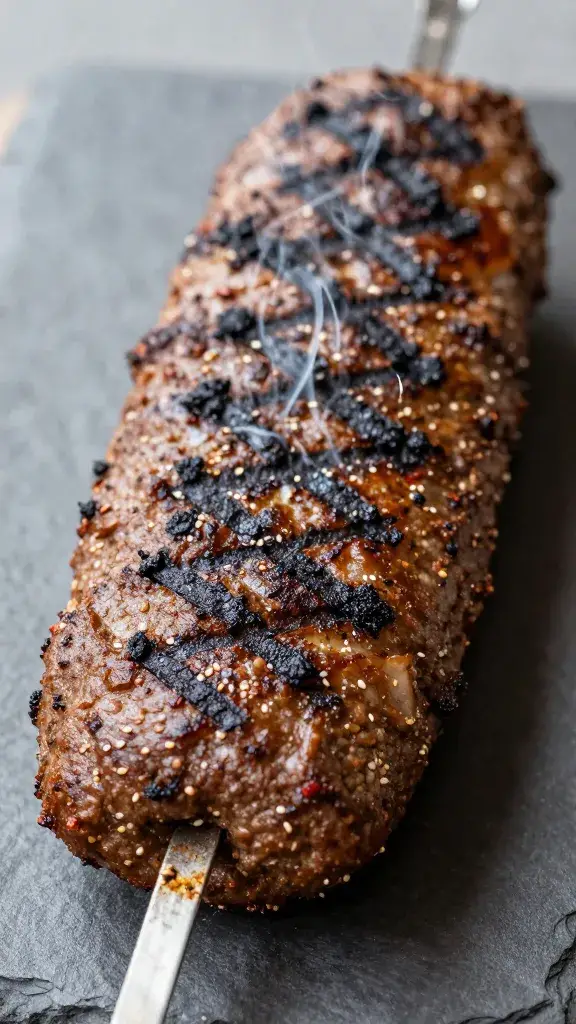
You don’t need fancy gear, just some patience and your hands. Yes, your hands. Put the spoon down.
- Prep the aromatics: Grate an onion on the fine side, then squeeze out most of the juice with your hands or a towel. Chop parsley very fine.
- Season boldly: Add salt, pepper, allspice, and a dash of cinnamon to your meat. Toss in onion and parsley. Optionally, add sumac and paprika.
- Knead the mixture: Mix with your hand until it turns sticky and cohesive—about 2–3 minutes. This helps it hold shape and stay juicy.
- Shape it: For skewers, form cigar-shaped logs around flat metal skewers. For patties, make oval disks about 3/4-inch thick. For a tray bake (kafta bil sanieh), spread in a pan with sliced tomatoes and potatoes on top.
- Cook it hot: Grill over medium-high heat, or pan-sear in a lightly oiled skillet, or bake at 425°F (220°C) until browned and cooked through.
- Rest briefly: Give it 3–5 minutes so the juices settle. Yes, waiting is pain. Do it anyway.
Grill vs. Pan vs. Oven
- Grill: Best smoke and char. Oil the grates. Flip once. Live your best life.
- Pan-sear: Get that crust. Don’t crowd the pan.
- Oven: Easiest for a crowd. Finish with a quick broil for color.
Little Tricks That Make a Big Difference
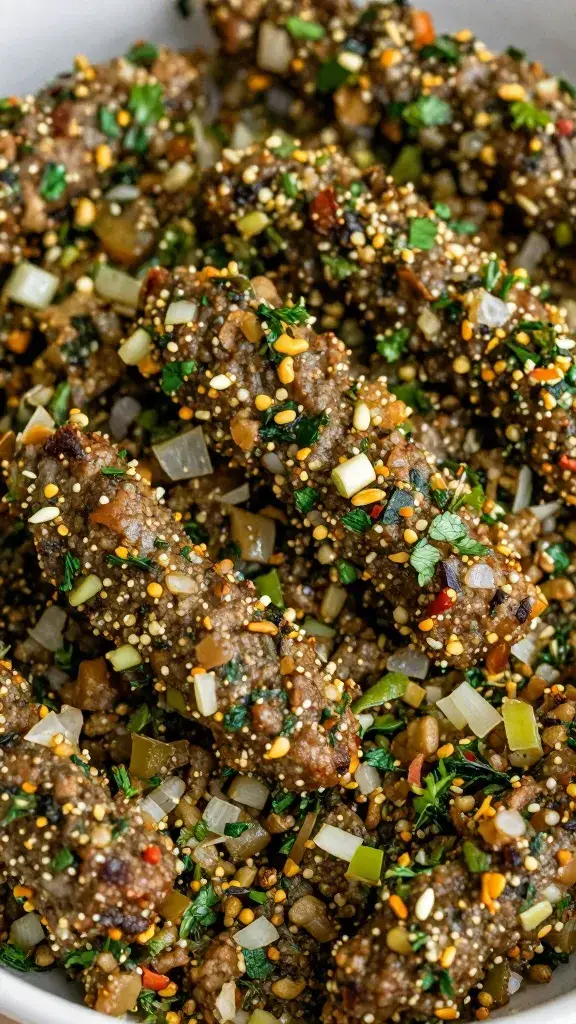
These tiny tweaks separate “pretty good” from “wow, who made this?”
- Chill the mixture for 20–30 minutes before shaping—firmer texture and easier handling.
- Use flat metal skewers if grilling—round skewers spin, which is annoying, FYI.
- Keep hands damp while shaping so nothing sticks.
- Salt generously—you’re seasoning a lot of meat and onion.
- Don’t overmix after it gets sticky—you’ve developed enough structure, no need to turn it into paste.
Choosing the Meat
- All lamb: Rich and classic. Party in your mouth.
- All beef: Leaner flavor; aim for 80/20 to avoid dryness.
- 50/50 mix: IMO the sweet spot—beef’s structure with lamb’s character.
How to Serve Kafta Without Overthinking It
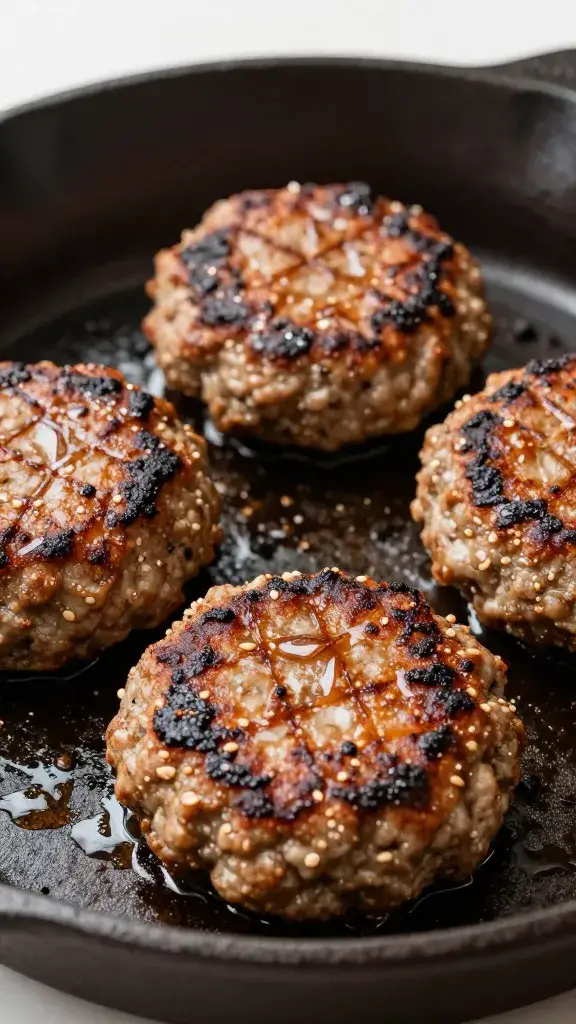
You can wrap kafta in pita and call it a day, or you can play a little.
Traditional-ish plating:
- Warm pita or markouk
- Grilled tomatoes and onions
- Fresh herbs (mint, parsley) and sliced onions with sumac
- Pickles—cucumbers, turnips, even pickled chilies
- Garlicky toum or tahini-lemon sauce
Weeknight shortcuts:
- Kafta patties + herby yogurt + salad = dinner in 20
- Kafta bowl: rice or bulgur, chopped cucumbers and tomatoes, drizzle of tahini
- Leftovers in a pita with fries? Absolutely yes.
Sauces That Never Miss
- Tahini-lemon: Tahini, lemon juice, water, garlic, salt—whisk till pourable.
- Toum: Fluffy garlic emulsion—potent, addictive, not first-date friendly.
- Simple yogurt: Greek yogurt, lemon zest, mint, olive oil, salt. Done.
Variations You’ll Actually Use
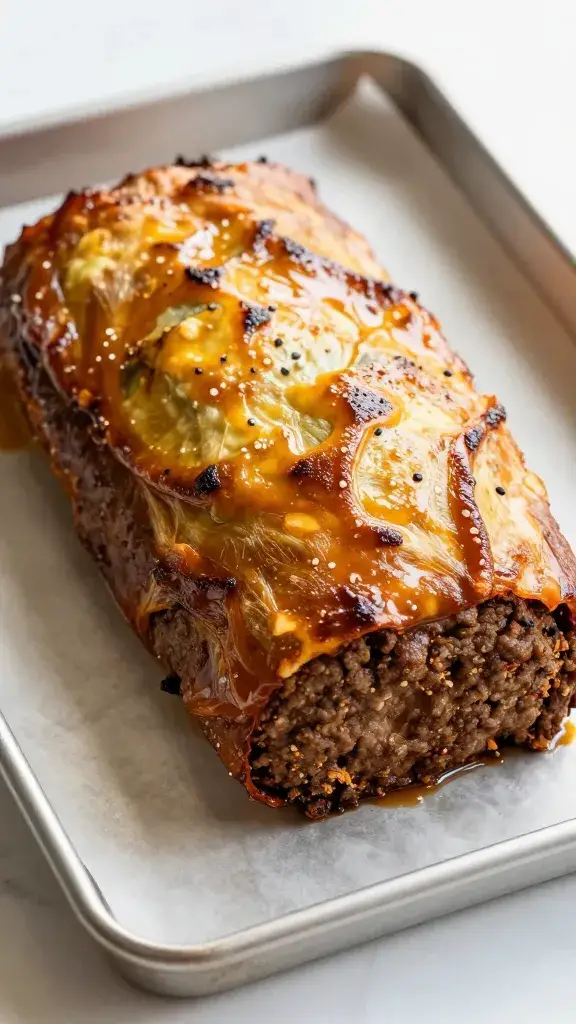
Kafta stays flexible without losing itself. You can tweak the seasonings or shape based on your mood.
- Kafta bil sanieh: Press meat into a pan, top with tomato and potato slices, bake with a tomato-y broth. Comfort food on a tray.
- Cheese-stuffed: A small cube of halloumi or akkawi inside each log. Melty surprise, zero regrets.
- Spicy kick: Add Aleppo pepper or chili flakes. Keep it balanced so you still taste the meat.
- Herb-forward: Double the parsley, add mint and a touch of dill for a greener, brighter bite.
For Meal Prep People
Form patties, freeze on a sheet till solid, then bag them. Cook from frozen over medium heat so they don’t burn outside while staying icy inside. Future-you will send present-you a thank-you text.
Troubleshooting: When Kafta Misbehaves
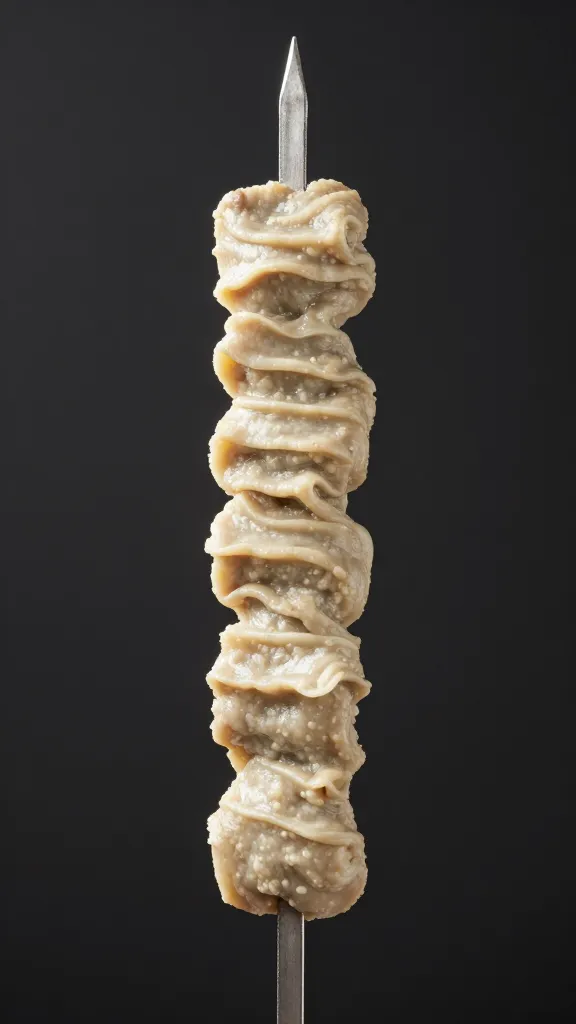
Things go wrong. It’s fine. We fix it.
- Mixture feels wet and won’t hold: Squeeze the onion more, chill the mix, or add a spoon of fine breadcrumbs (traditionalists may side-eye you, but it works).
- Dry texture: Use fattier meat, don’t overcook, and let it rest. A light brush of olive oil helps before cooking.
- Falls off skewers: Use flat skewers, pack tightly, and chill shaped skewers 15 minutes before grilling.
- Bland? You under-salted. Add more salt and a pinch more allspice. Taste-test by searing a small piece first—chef’s privilege.
FAQ
Can I make kafta without a grill?
Totally. Pan-sear over medium-high heat for 3–4 minutes per side, or bake at 425°F (220°C) for about 12–15 minutes, finishing with a broil for color. You’ll still get a great crust and juicy center.
Is kafta the same as kebab?
Close cousins, not twins. “Kebab” is the broad family; “kafta” is the spiced ground-meat version shaped into logs or patties. So all kafta is kebab, but not all kebab is kafta—family drama, basically.
What’s the best meat-to-fat ratio?
Aim for 80/20. You want enough fat to keep things moist without turning greasy. If using very lean beef, mix in lamb or a splash of olive oil to help.
Do I need breadcrumbs or egg?
Nope. Traditional Lebanese kafta binds through kneading and chilling. Breadcrumbs help if your onion added too much moisture, but treat that as a last resort, FYI.
How do I reheat kafta without drying it out?
Warm it gently in a covered skillet over low heat with a splash of water or broth for 3–5 minutes. Or wrap in foil and reheat in a 300°F (150°C) oven. Microwaves work in a pinch, but go short bursts.
What sides go best with kafta?
Keep it fresh and crunchy: fattoush or tabbouleh, cucumber-tomato salad, pickles, grilled veggies, and lots of herbs. Rice pilaf or bulgur never hurts either, IMO.
Conclusion
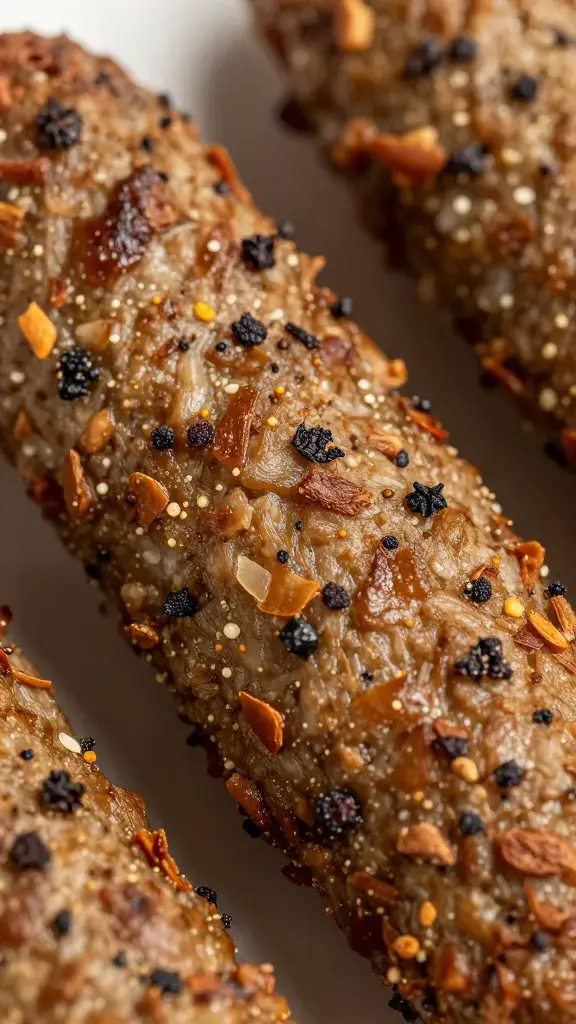
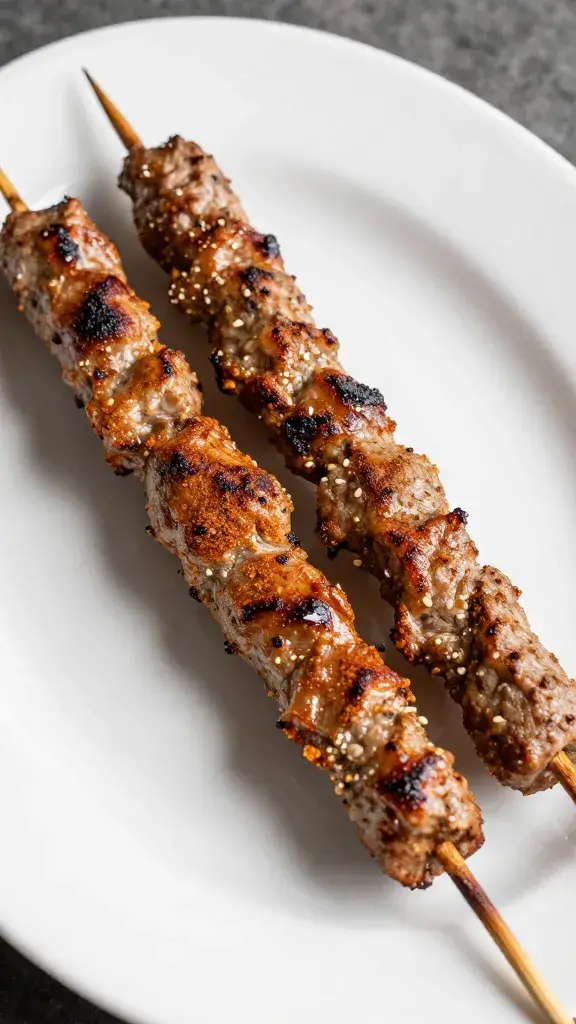
Kafta keeps things simple: quality meat, a few spices, and enough heat to kiss it with char. It slides into a pita, cozies up next to salad, or steals the whole platter without breaking a sweat. Try it once and you’ll memorize it by accident. And if anyone asks for your recipe, just smile and say, “It’s kafta—come hungry.”