
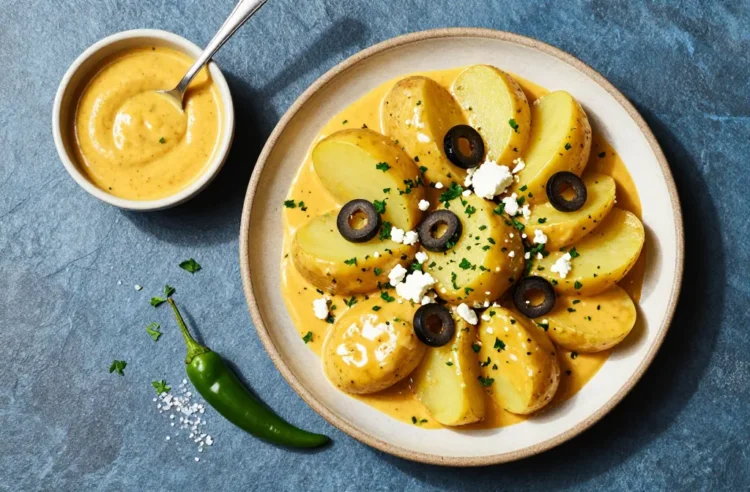
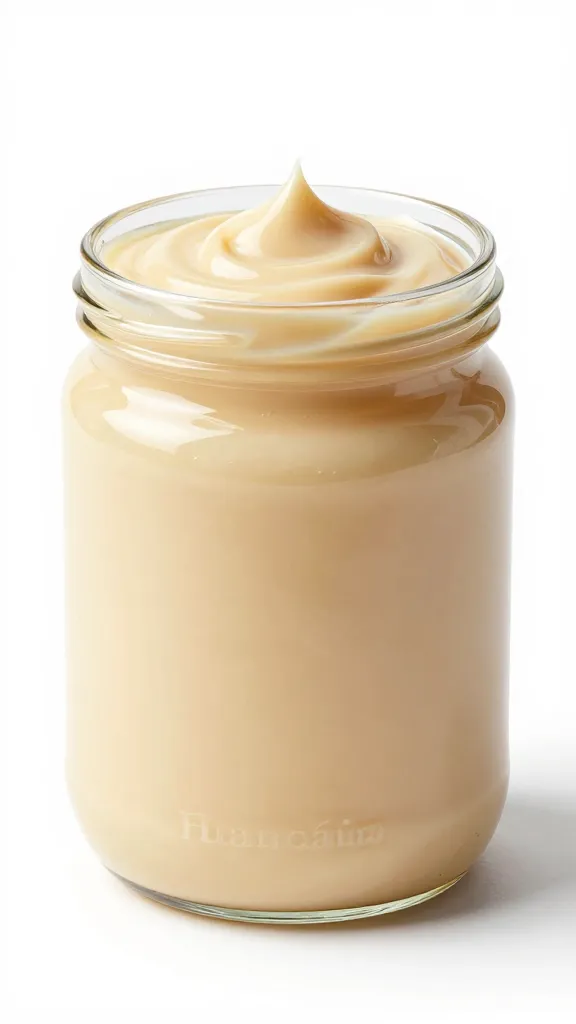
Creamy, a little spicy, and ridiculously addictive—that’s Huancaína sauce in a nutshell. This Peruvian classic turns humble potatoes into a party, but it doesn’t stop there. You can drizzle it on veggies, dip crackers into it, or spoon it straight from the bowl when nobody’s looking. Ready to meet your new favorite “where-have-you-been-all-my-life” dip?
What Exactly Is Huancaína?
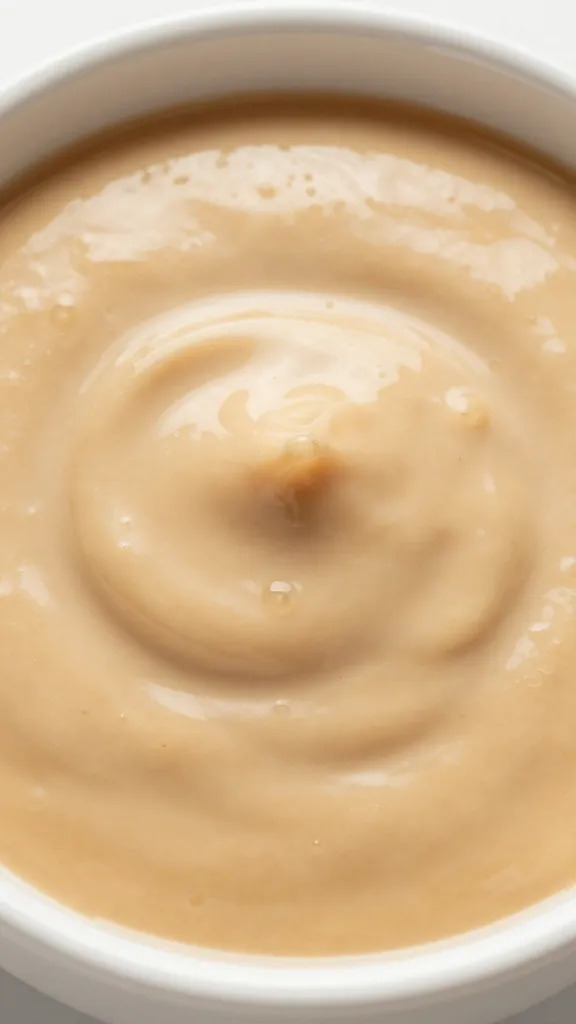
Huancaína (properly, Salsa Huancaína) is a Peruvian cheese-and-chili sauce made with aji amarillo, queso fresco, milk, and a few pantry helpers. People usually serve it over boiled potatoes as “Papa a la Huancaína,” but the sauce itself works on basically everything. It’s creamy like queso, bright like sunshine, and has a gentle kick that won’t destroy your taste buds.
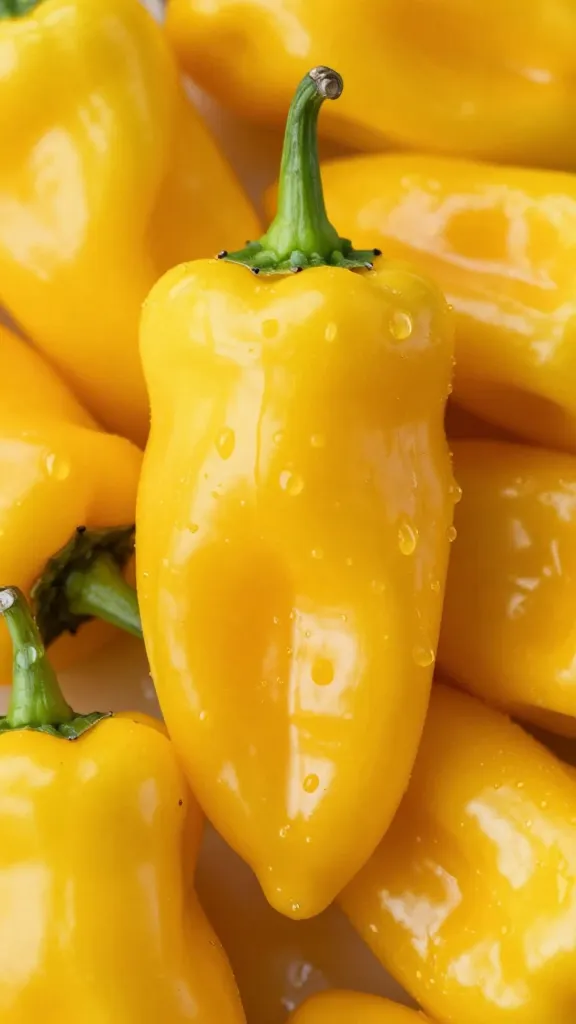
Let’s get one thing straight: aji amarillo is the star. This Peruvian yellow chili brings fruity heat and a golden color that screams, “summer in a bowl.” The rest of the ingredients line up to make it silky, salty, and oh-so-dippable.
The Flavor Profile (A Love Letter to Aji Amarillo)
The magic of Huancaína lives in three pillars:
- Creaminess: Queso fresco and milk build a smooth, spreadable base.
- Heat with personality: Aji amarillo brings a medium warmth with passionfruit-mango vibes.
- Salt and tang: Cheese and sometimes a splash of lime keep it lively, not flat.
Think of it like a cousin to queso dip and pimiento cheese who studied abroad in Lima and came back cooler. IMO, it’s the ideal “gateway” Peruvian sauce for people who want flavor without breathing fire.
Ingredients You’ll Need (and Easy Swaps)
You can find most of this in Latin markets or decent grocery stores. If not, don’t panic—I’ve got options.
- Aji amarillo: Fresh, frozen, or paste. Paste is easiest and consistent. Start with 1–2 tablespoons and adjust.
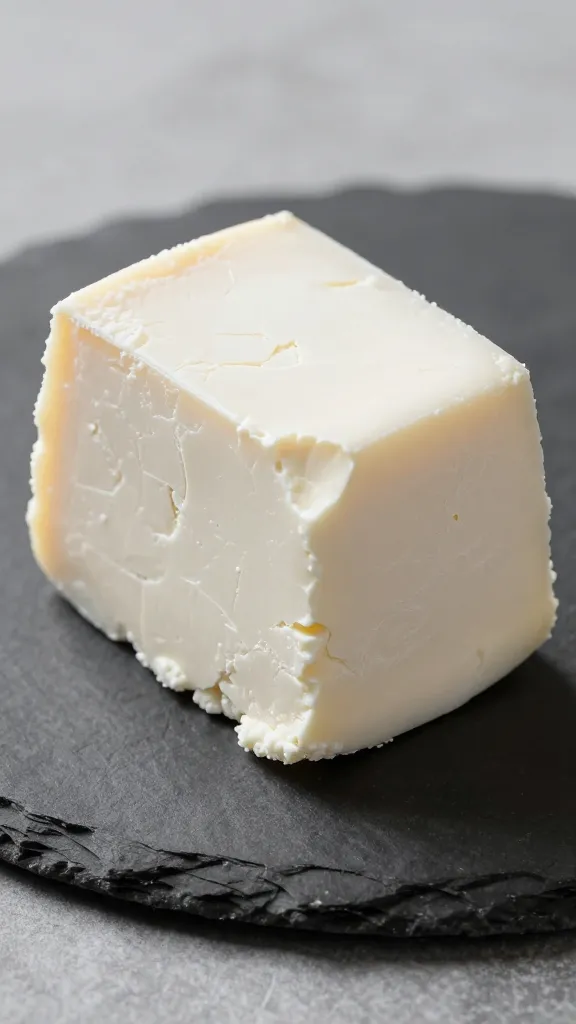
- Queso fresco: Crumbly and mild. Can’t find it? Use feta (milder kind), farmer’s cheese, or ricotta salata. FYI, feta adds extra tang.
- Evaporated milk: Traditional and lush. Whole milk works in a pinch; add a splash of cream if you want.
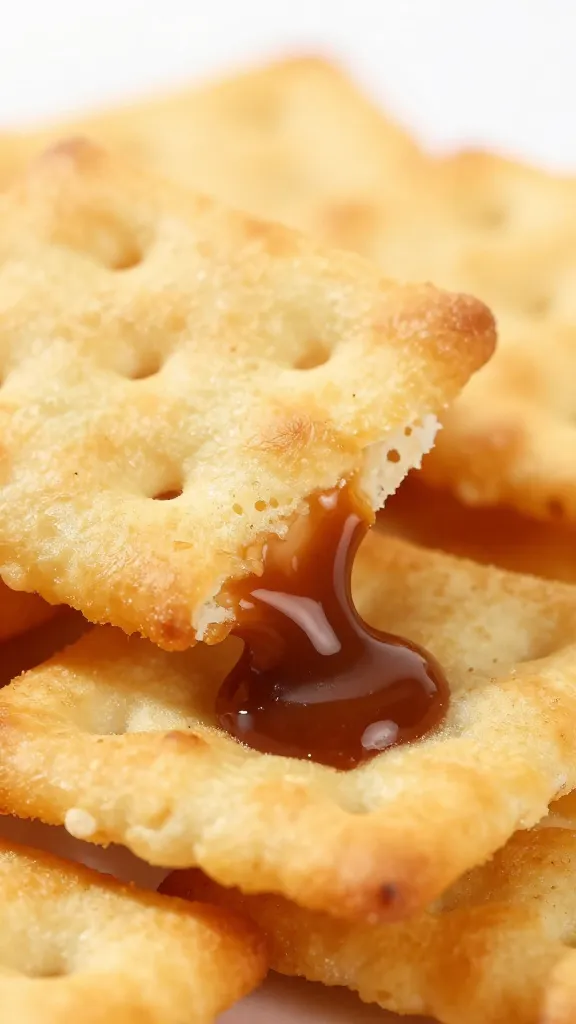
- Saltine crackers or stale bread: This thickens the sauce. Some folks use soda crackers; others use day-old bread. Team Cracker here.
- Garlic: One small clove does the job. Don’t get vampire-levels intense.
- Vegetable oil: Helps emulsify and smooth everything out.
- Lime juice (optional): A tiny squeeze brightens the finish.
- Salt and pepper: To balance it out at the end.
About The Heat
Aji amarillo runs medium—enough to wake your palate, not enough to ruin your date night. If you use paste, check the label strength. If you’re chili-shy, start small and add more after tasting.
How to Make It (No Drama, Just Blending)
You’ll love this part: it takes 10 minutes and a blender. That’s it.
- Prep the base: In a blender, add 1–2 tablespoons aji amarillo paste, 6–8 saltine crackers, 1 small garlic clove, and 1/2 cup evaporated milk.
- Blend with cheese: Add 6–8 ounces of queso fresco (crumbled) and 2–3 tablespoons neutral oil. Blend until smooth.
- Adjust thickness: Too thick? Add more milk, 1 tablespoon at a time. Too thin? Add another cracker or two and blend again.
- Season: Salt to taste. Add black pepper and a tiny squeeze of lime if you like it zippy.
- Chill: Let it rest in the fridge for 20–30 minutes to thicken and mellow. Or don’t, if patience isn’t your thing.
Texture Tips
– For a silky sauce, blend longer and strain if you’re extra.
– For a chunkier vibe (some like it rustic), pulse the blender and stop sooner.
– If using fresh aji, remove seeds and veins for milder heat, then sauté briefly in oil to soften before blending.
Classic Serving: Papa a la Huancaína
The OG move is simple and perfect. Boil peeled potatoes (Yukon Gold wins), slice them thick, and blanket them with Huancaína sauce. Top with hard-boiled egg slices, black olives, and a sprinkle of parsley. Serve it slightly chilled over room-temp potatoes. It’s filling, it’s pretty, and it gets bonus points for minimal effort.
Plating Like You Mean It
– Lay lettuce leaves on a plate, add potato rounds, spoon on generous sauce.
– Garnish with egg wedges, black olives, and maybe a drizzle of oil.
– Add a few aji amarillo strips if you want to stunt on Instagram.
More Ways to Use Huancaína (AKA Put It On Everything)
This sauce isn’t shy. It pairs with way more than potatoes:
- Dip for veggies: Carrots, cukes, blanched green beans, grilled asparagus.
- Empanada partner: Dunk and enjoy life.
- Grain bowls: Spoon over quinoa, roasted sweet potatoes, and chicken.
- Breakfast move: Drizzle on scrambled eggs or a breakfast sandwich. Trust me.
- Seafood: Lightly grill shrimp and finish with Huancaína. Crowd goes wild.
- Snack attack: Cracker dip, plantain chips, or yuca fries. Dangerous combo.
Troubleshooting & Pro Tips
You made it, but something feels off? Happens. Here’s your fix list.
- Too spicy? Add more cheese and milk. A pinch of sugar can round it out.
- Too bland? Salt. Then a squeeze of lime. Don’t be shy.
- Too thin? More crackers or cheese. Blend longer to emulsify.
- Too thick? Milk it—literally. Add small splashes until it flows.
- Grainy texture? Blend more and add a teaspoon of oil to smooth it.
Make-Ahead and Storage
– Store in a sealed container in the fridge for up to 4 days.
– It thickens as it chills—loosen with milk before serving.
– Don’t freeze it. Dairy + ice crystals = sad sauce, IMO.
Variations You’ll Want to Try
Want to get a little extra? These spins keep the soul of the sauce but play with textures and flavors.
- Huancaína-lite: Swap part of the evaporated milk for Greek yogurt. Tangier, lighter, still tasty.
- Walnut Huancaína: Add a small handful of toasted walnuts when blending. Deep, nutty, elegant.
- Smoky version: Char fresh aji amarillo or add a tiny pinch of smoked paprika. Tiny, not teaspoon-sized, please.
- Herb-kissed: Blend in cilantro stems and a few leaves for freshness and a green tint.
FAQ
What if I can’t find aji amarillo?
Use aji amarillo paste from a jar—it’s widely available online. If that’s impossible, mix roasted yellow bell pepper with a little habanero or serrano for color and heat, but FYI, it won’t taste exactly the same. Aji amarillo has a unique fruity flavor that’s hard to mimic 1:1.
Is Huancaína supposed to be very spicy?
Nope. It should taste warm and fruity with medium heat. If your batch feels intense, add more cheese and milk, then salt to rebalance.
Can I make it without dairy?
Yes, with caveats. Use firm tofu or a mild vegan cheese, and swap evaporated milk for unsweetened oat or soy milk. Add nutritional yeast for savory depth. It won’t match the original exactly, but it’ll still slap.
Why does my sauce taste flat?
You probably under-salted, or your cheese was extra mild. Add salt first, then a squeeze of lime for brightness. Sometimes a teaspoon of oil helps the flavors carry better across your palate.
Do I need crackers or bread?
Traditionally, yes—something starchy thickens the sauce. Crackers keep it smooth and consistent. If you skip them, the sauce can feel thin or separate faster.
How thick should the sauce be?
Aim for “luxurious pour.” It should coat a spoon but still flow off it. If it sits like spackle, add milk. If it runs like milk, add a cracker and blend.
Conclusion
Huancaína delivers creamy comfort with a sunny, chili-kissed attitude—and it asks almost nothing in return. With a blender and a handful of ingredients, you’ll have a dip that makes potatoes glamorous and vegetables weirdly exciting. Make a batch, invite friends, and watch it vanish. And if you eat the leftovers straight from the fridge at midnight? Zero judgment, promise.