
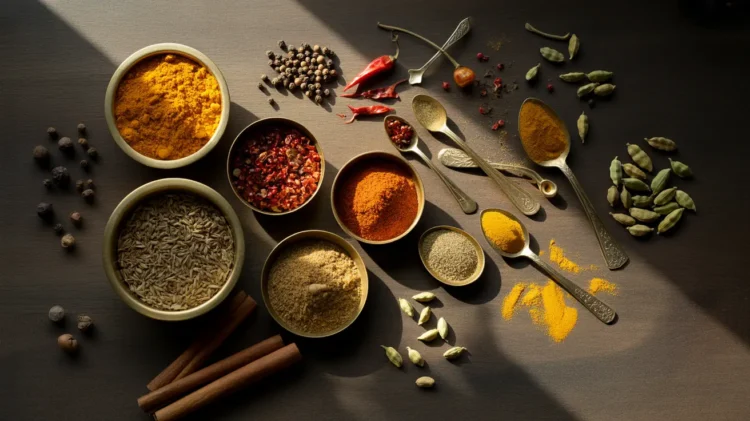
Knowing how to choose essential spices for authentic Indian curries is genuinely one of the most rewarding kitchen skills you can pick up, and here is something that might surprise you: 80% of what we perceive as “taste” in a curry actually comes from the aroma of the spices, not what lands on your tongue. That single fact changes everything about how you approach your spice rack. Get the aromas right, and your curry is already halfway there before anyone takes a bite.
Key Takeaways
| Question | Quick Answer |
|---|---|
| What are the most essential spices for Indian curries? | Turmeric, cumin, coriander, garam masala, and chili are the non-negotiable five for most authentic recipes. |
| Should I use whole spices or ground spices? | Both. Whole spices bloom at the start of cooking for depth; ground spices layer in flavor throughout the process. |
| Is homemade garam masala worth it? | Absolutely. Fresh, homemade blends are dramatically more aromatic than anything sitting on a supermarket shelf. Check out our homemade garam masala guide to get started. |
| How many spices do I actually need? | Realistically, 4 to 6 core spices cover the vast majority of authentic Indian curry recipes with confidence. |
| What spices do different regional curries need? | Coastal curries (Goan, Keralan) lean on mustard seeds and curry leaves; northern curries use more warming spices like cardamom and cloves. |
| How do I store Indian spices properly? | Airtight containers, away from heat and light. Whole spices last up to 3 years; ground spices are best used within 6 to 12 months. |
| What is a Masala Dabba and do I need one? | A Masala Dabba is a traditional Indian spice tin with 7 small compartments. It keeps your most-used spices accessible and is genuinely useful for daily cooking. |
1. How to Choose Essential Spices for Authentic Indian Curries: Start With the Big Five
If you are standing in a spice aisle feeling a little overwhelmed, this is where we begin. The foundation of almost every authentic Indian curry rests on five core spices: turmeric, cumin, coriander, chili, and garam masala.
These five cover your bases across color, warmth, earthiness, heat, and aromatic complexity. Once you are comfortable with them, everything else is layering and refinement.
- Turmeric: The golden backbone. It provides that warm, earthy depth and the unmistakable color every curry is famous for.
- Cumin: Nutty, smoky, and a little earthy. It is the engine room of most Indian spice bases.
- Coriander: Bright, citrusy, and slightly sweet. It balances the heaviness of cumin beautifully.
- Chili (red or green): Adjust the heat to your preference, but never skip it entirely. The gentle warmth is part of the authentic experience.
- Garam Masala: The finishing blend. It goes in late to add aromatic complexity without muddying the base.
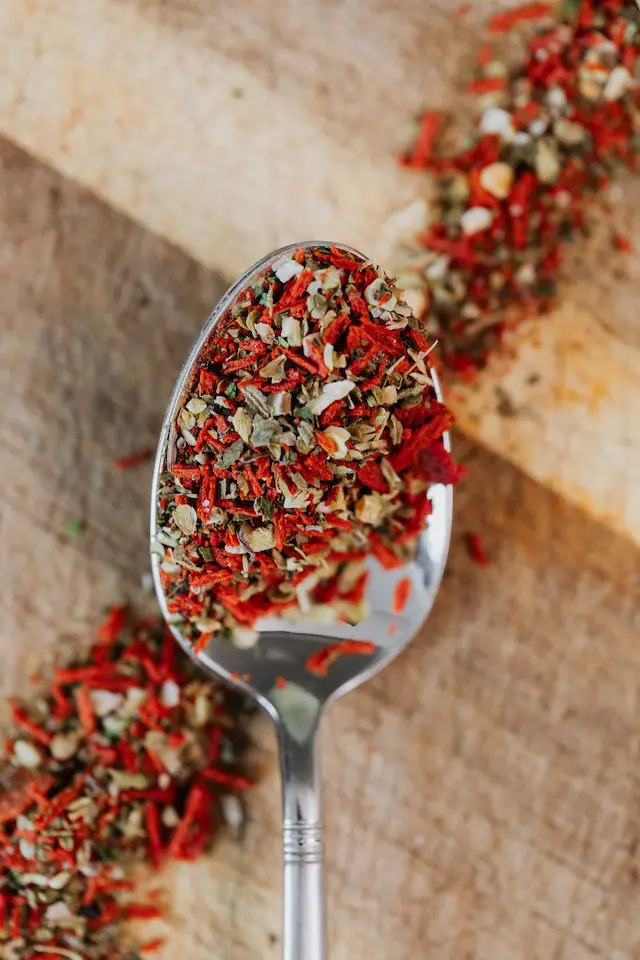
Think of these five as your curry toolkit. Everything else, from cardamom to star anise, is an upgrade you add when you are ready to go deeper.
2. The Non-Negotiable Role of Turmeric in Every Authentic Indian Curry
Turmeric deserves its own conversation because it really is in a category of its own. It is the one spice that appears across virtually every regional Indian cuisine, from the creamy kormas of the north to the coconut-laden fish curries of the coast.
Use too little and your curry looks pale and tastes flat. Use too much and it turns bitter and medicinal. The sweet spot for most recipes is between half a teaspoon and one full teaspoon for four servings.
“Turmeric usage is nearly universal. It is not a trend or a fad. It is genuinely the non-negotiable foundation of authentic Indian cooking.”
When you are learning how to choose essential spices for authentic Indian curries, treat turmeric as your constant. Everything else adjusts around it.
3. How to Choose Essential Spices for Authentic Indian Curries Based on Your Curry Type
Not all Indian curries are built the same, and choosing the right spices really does come down to what you are making. A rich, slow-cooked lamb rogan josh needs very different spices from a bright, tangy chickpea chana masala.
Here is a practical breakdown to help you match spices to your dish:
| Curry Type | Key Spices to Choose | Flavor Profile |
|---|---|---|
| Punjabi chickpea curry (Chana Masala) | Cumin, coriander, amchur, garam masala | Bright, tangy, warm |
| Goan fish curry | Kashmiri chili, turmeric, coriander, mustard seeds | Tangy, coconut-rich, gentle heat |
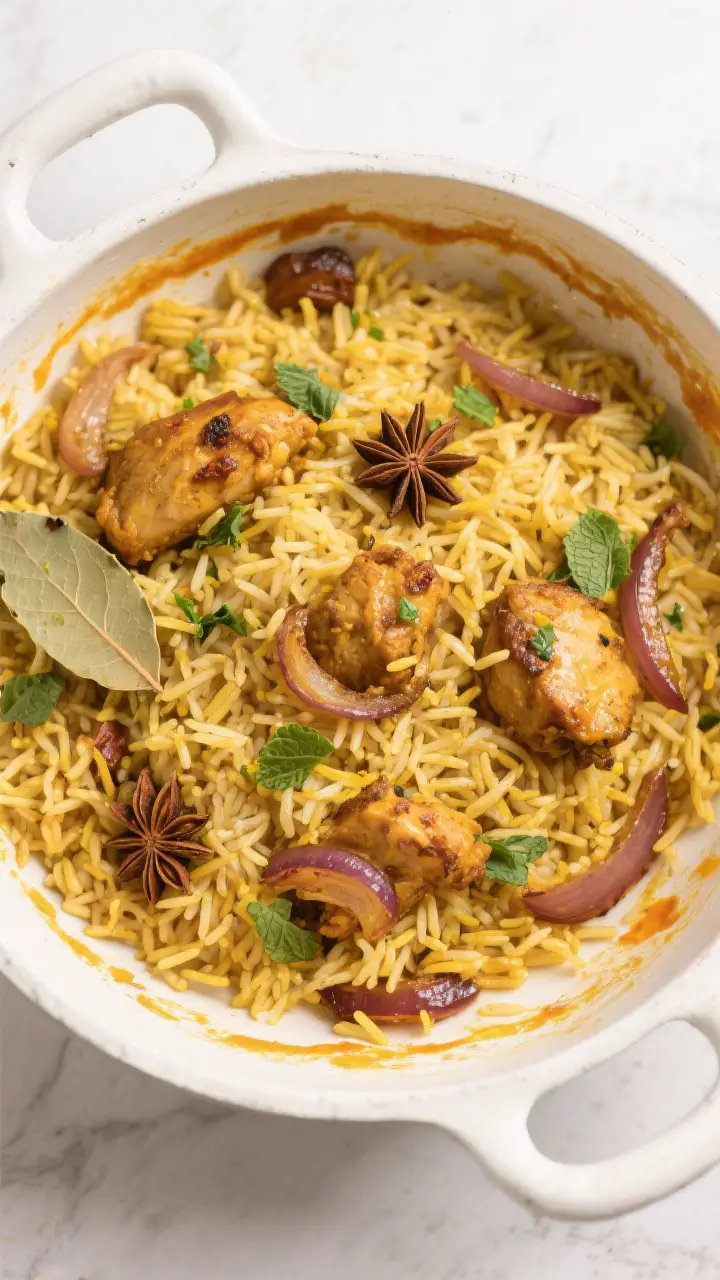
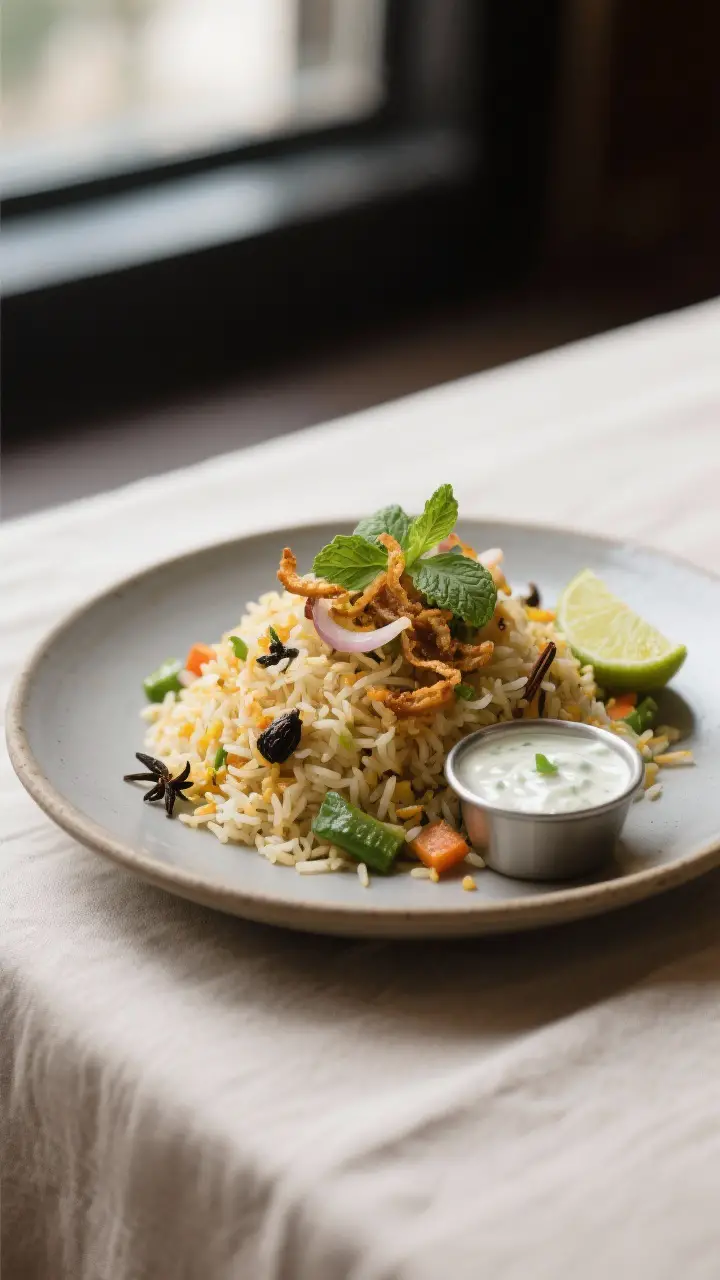
| Biryani | Mace, star anise, fennel, cumin, cinnamon | Floral, warm, deeply aromatic |
| Simple vegetable curry (Jeera Aloo) | Cumin (whole), turmeric, chili | Nutty, smoky, clean |
| Lamb rogan josh | Cardamom, cloves, cinnamon, fennel, bay | Deep, warming, complex |
This is the core logic of how to choose essential spices for authentic Indian curries: match the spice intensity and character to the main ingredient and the regional tradition it comes from.
4. Whole Spices vs. Ground Spices: How to Choose and When to Use Each
This is the question we get asked more than almost any other, and the answer is genuinely simple once you understand the logic. Whole spices bloom in hot oil at the start. Ground spices layer in during the cooking process.
Both are essential. You are not choosing between them. You are learning when each one belongs.
- Whole spices (cumin seeds, cardamom pods, cinnamon sticks, cloves): Drop these into hot oil at the very beginning. The heat causes them to pop and release their volatile oils directly into the fat, which carries that flavor through the entire dish.
- Ground spices (turmeric, coriander powder, chili powder): These go in after your onions have softened. They need a little moisture and heat to cook off their raw edge without burning.
- Finishing spices (garam masala, kasuri methi): These go in at the end, often off the heat, to preserve their delicate aromatics.
There is also a third option worth knowing: toasting whole spices in a dry pan before grinding them yourself. The difference in depth and aroma is remarkable, and it is something you notice immediately the first time you try it.

Five essential spices that define authentic Indian curries. Learn how to select and pair them to elevate your cooking.
5. How to Choose Essential Spices for Authentic Indian Curries: Building Your Masala Dabba
A Masala Dabba is the traditional Indian spice tin that sits on the counter of virtually every Indian home kitchen. It holds seven small compartments, each filled with a core spice, so everything you need is within arm’s reach when you cook.
Building yours is a great exercise in choosing which spices matter most to the kind of cooking you want to do. Here is our recommended starting lineup:
- Turmeric powder (the absolute constant)
- Cumin seeds (whole, for tempering)
- Coriander powder (essential base note)
- Red chili powder (use Kashmiri for color, regular for heat)
- Garam masala (your finishing blend)
- Mustard seeds (critical for South Indian and coastal curries)
- Black pepper (versatile, and the original heat source before chili arrived in India)
That seventh slot can rotate depending on what you cook most often. It might be cardamom, fennel seeds, or amchur (dried mango powder) for that bright tang in vegetarian curries.
6. Garam Masala: Why This Blend Is the Heart of Authentic Indian Cooking
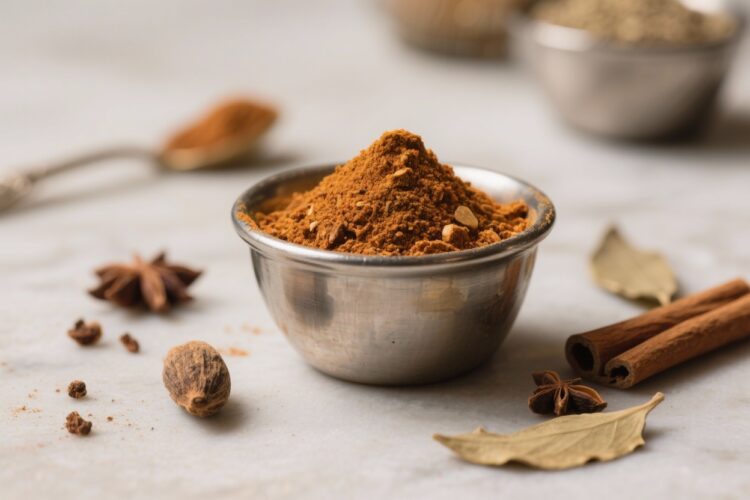
Garam masala might be the most misunderstood spice blend in the Western kitchen. Many home cooks add it too early, or use it as a substitute for individual spices rather than a complement to them. That is a common mistake that leaves curries tasting flat.
The word “garam” means warm, and this blend is all about warm, fragrant, deeply aromatic notes: think cardamom, cloves, cinnamon, black pepper, and bay. It is a finishing spice, not a base one.
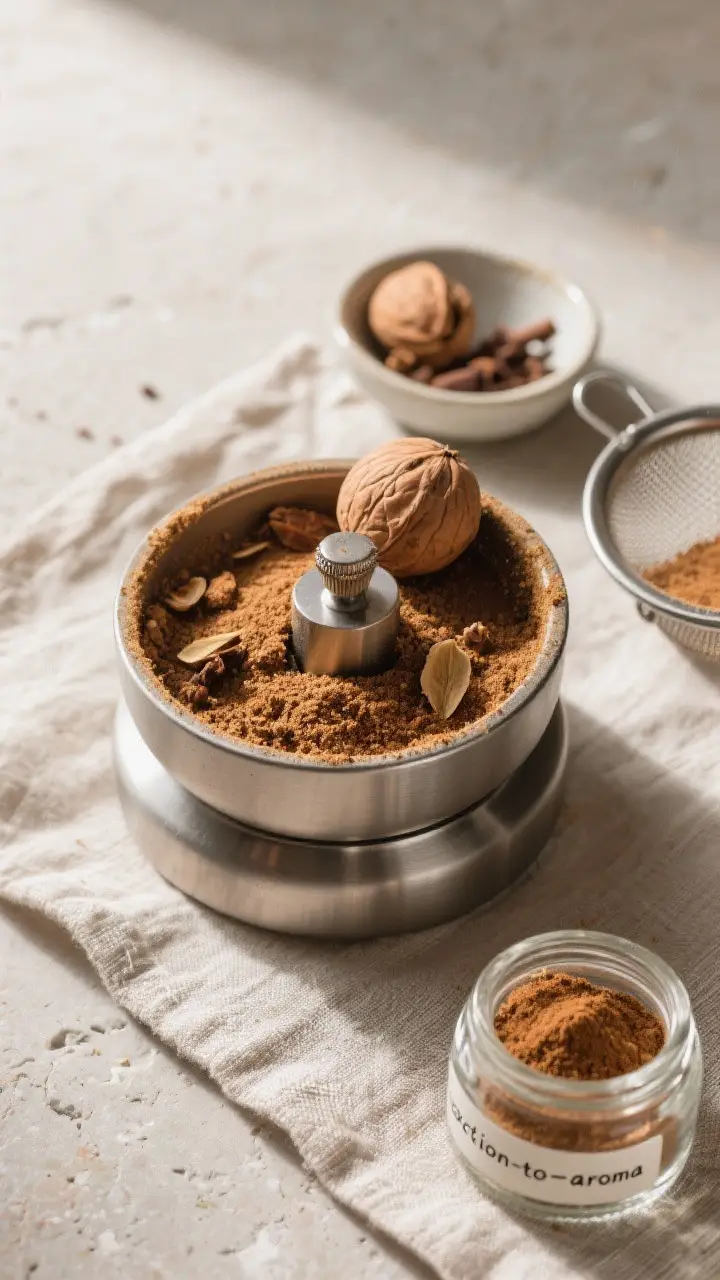
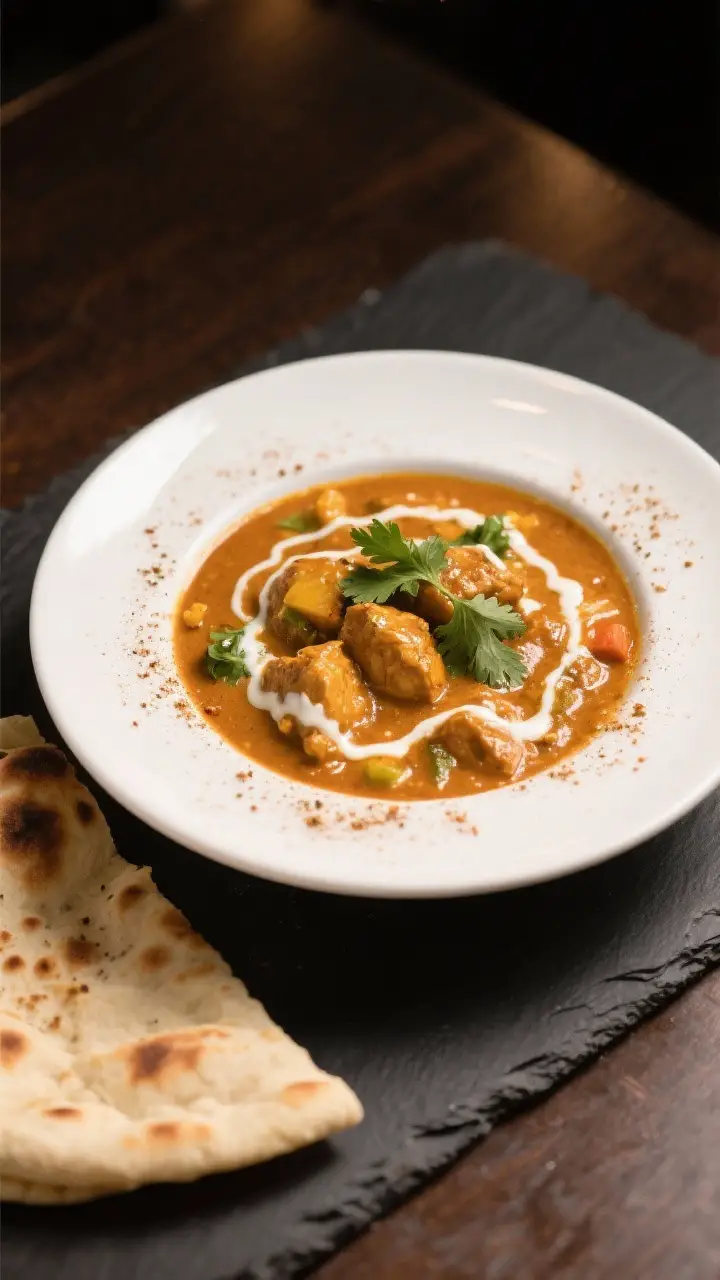
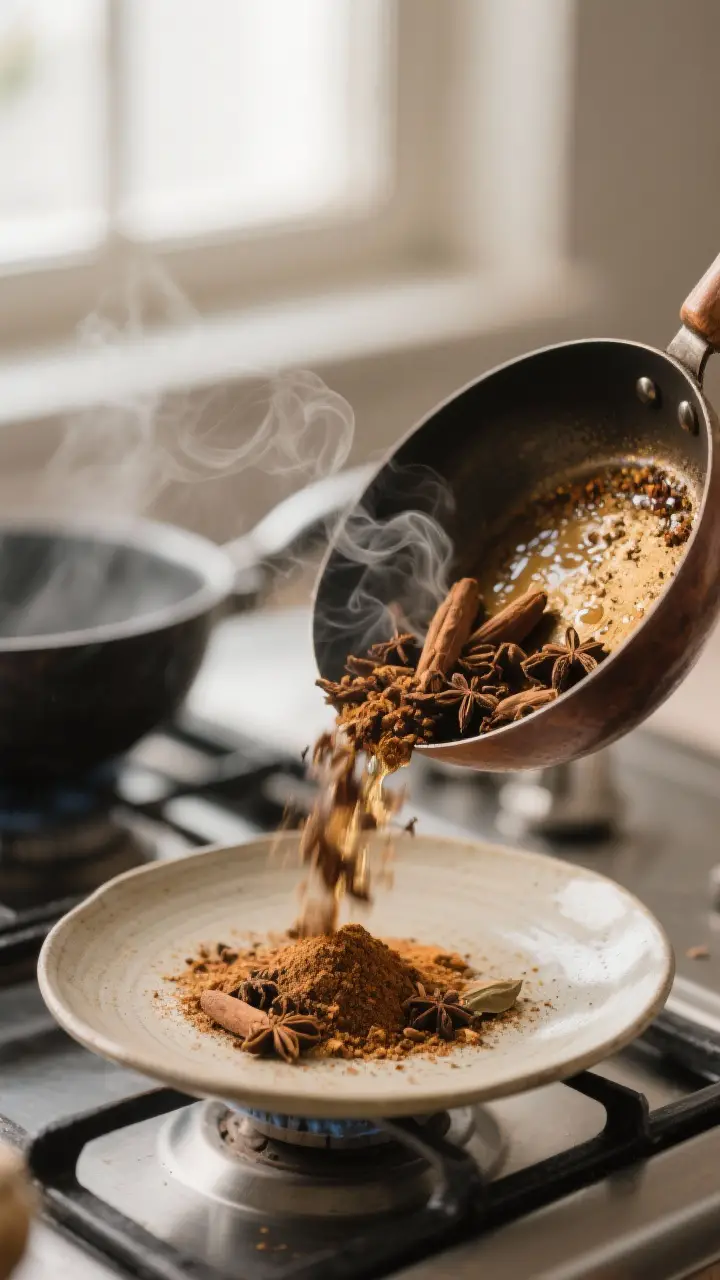
If you have only ever used the store-bought version, making your own homemade garam masala from whole toasted spices is a genuine revelation. The aroma alone will tell you something important: freshness is everything in Indian spice cooking.
7. How to Choose Essential Spices for Authentic Indian Curries From Different Regions
India is enormous, and its regional curry traditions are genuinely distinct. Choosing spices for authentic Indian curries really means deciding which regional tradition you are cooking in. The spice profiles shift dramatically from north to south and east to west.
In 2026, Keralan cuisine has become the top regional Indian food trend in the U.S., with 39% of consumers actively interested in exploring it. That means coastal spices are having a real moment right now, and it is a great place to expand your spice knowledge.
- North India (Punjab, Mughal tradition): Heavy on cardamom, cloves, cinnamon, and warming garam masala. Think buttery, rich gravies.
- South India (Tamil Nadu, Kerala): Mustard seeds, curry leaves, black pepper, and dried red chilies tempered in coconut oil. Bright and punchy.
- Goa (Portuguese-Indian coastal): Kashmiri chilies for color and mild heat, turmeric, tamarind, and coconut. Tangy and creamy simultaneously.
- Bengal (Eastern India): Mustard oil, panch phoron (a five-spice blend including fenugreek, nigella, and fennel), and dried chilies.
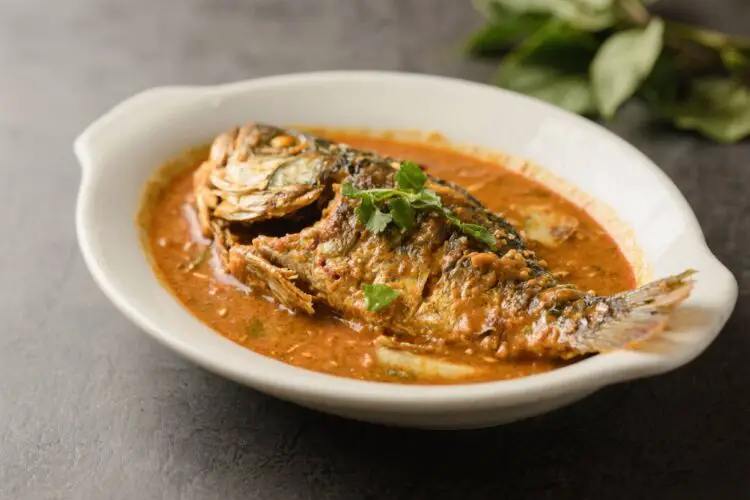
Our Goan fish curry recipe is a perfect place to start if you want to understand how a coastal spice paste built on Kashmiri chili and coconut works in practice.
8. The Underrated Duo: Mace and Nutmeg in Authentic Indian Spice Blends

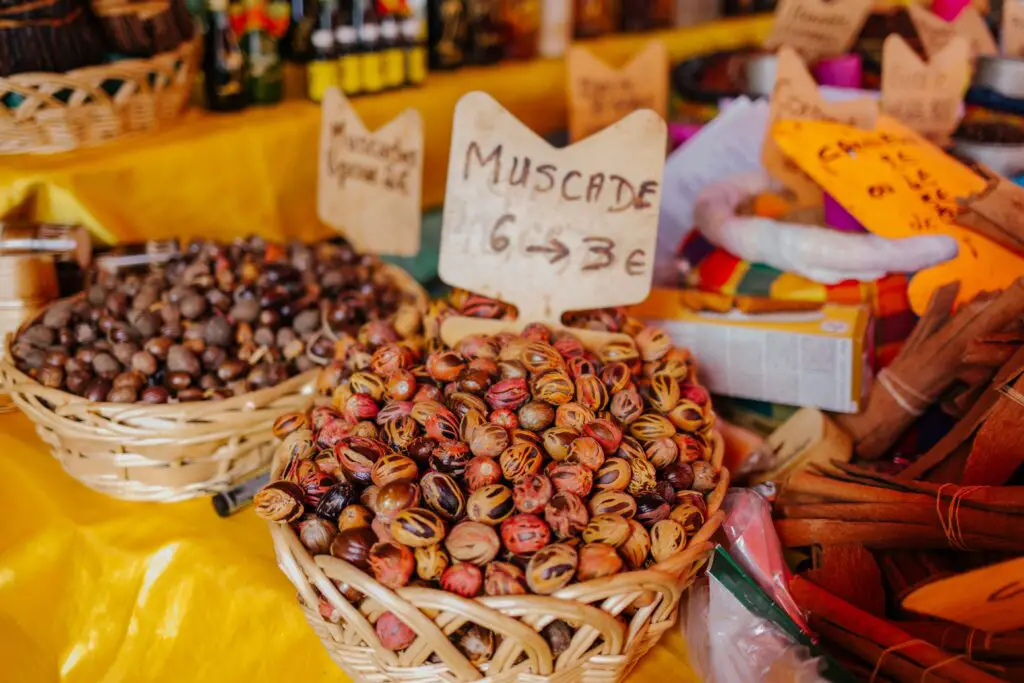
Mace and nutmeg are the spices that most beginner cooks overlook entirely when learning how to choose essential spices for authentic Indian curries. That is a missed opportunity, because both are deeply woven into classic Mughal-influenced dishes and high-quality masala blends.
Nutmeg has a deep, sweet, and woody flavor. Used sparingly (we are talking a small pinch), it adds a warmth that is hard to identify but easy to notice when it is missing. Mace, which comes from the same fruit as nutmeg, is slightly sweeter and more delicate, with an almost floral quality.
You will find both in a proper biryani masala spice blend, where mace provides those distinctive floral notes alongside star anise and fennel.
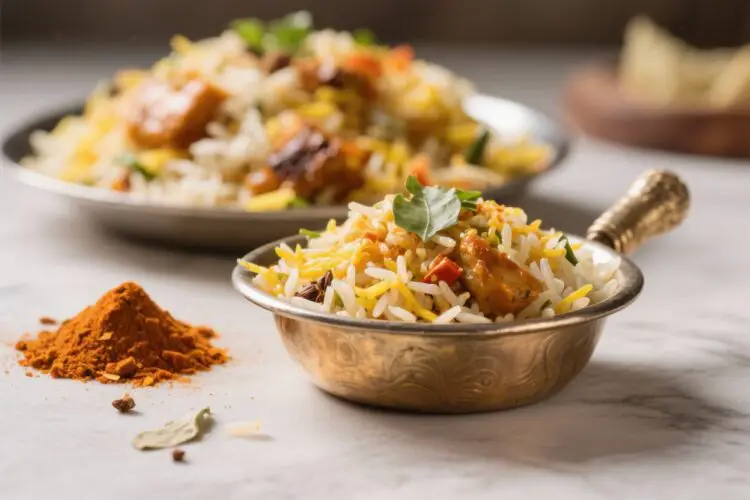
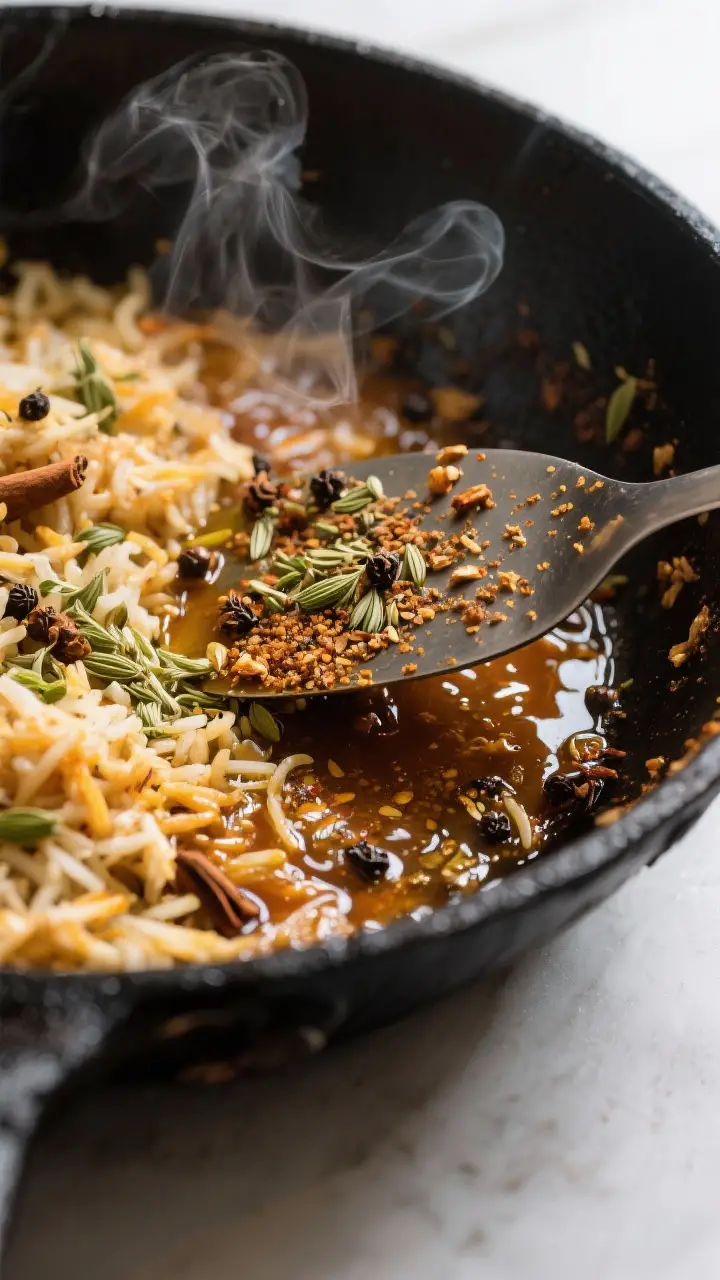
You can read the full story of mace and how to cook with it, and why these two spices were literally worth more than gold at various points in history. It makes you appreciate that pinch in your curry a lot more.
9. Storing Indian Spices Properly: How to Maintain Freshness and Potency
Here is something that does not get said enough: buying the right spices is only half the job. How you store them determines whether they are still doing anything useful six months later.
Ground spices lose their volatile aromatic compounds faster than whole spices. Once those compounds are gone, you are essentially adding colored dust to your curry rather than flavor.
- Whole spices: Keep for 2 to 3 years in airtight containers away from light and heat.
- Ground spices: Best used within 6 to 12 months. After that, they are still safe but much less effective.
- The sniff test: Open the jar and smell it. If it does not hit you immediately with a clear, distinct aroma, it is past its best.
- Avoid the spice rack above your hob: Heat and steam from cooking actively destroy the compounds you are trying to preserve.
- Buy smaller quantities more often: A fresh 30g bag of cumin beats a stale 200g jar every single time.
If you want to go deep on how specific spices behave in storage, our guide to nutmeg storage and shelf life covers the principles that apply to most whole spices in your collection.
10. Put Your Spice Knowledge to Work: Three Authentic Recipes to Try Right Now
Reading about spices and actually cooking with them are two very different experiences. The fastest way to understand how to choose essential spices for authentic Indian curries is to cook a few of them and pay attention to what each spice is doing at each stage.
Here are three recipes that cover the core principles we have been discussing, and they are all genuinely weeknight-friendly:
Chana Masala (Punjabi Chickpea Curry)
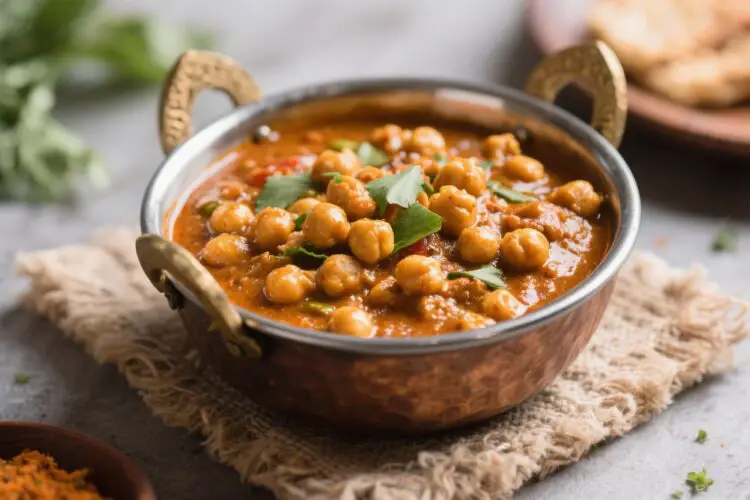

Our Punjabi Chana Masala is the perfect beginner dish for understanding how blooming spices in hot oil builds a layered, rich base. The trick here is amchur (dried mango powder), which gives the gravy that signature bright, tangy note without adding any liquid.
It is budget-friendly, naturally vegan, and deeply satisfying. We genuinely think this one is a weeknight star that feels special enough for guests.
Goan Fish Curry
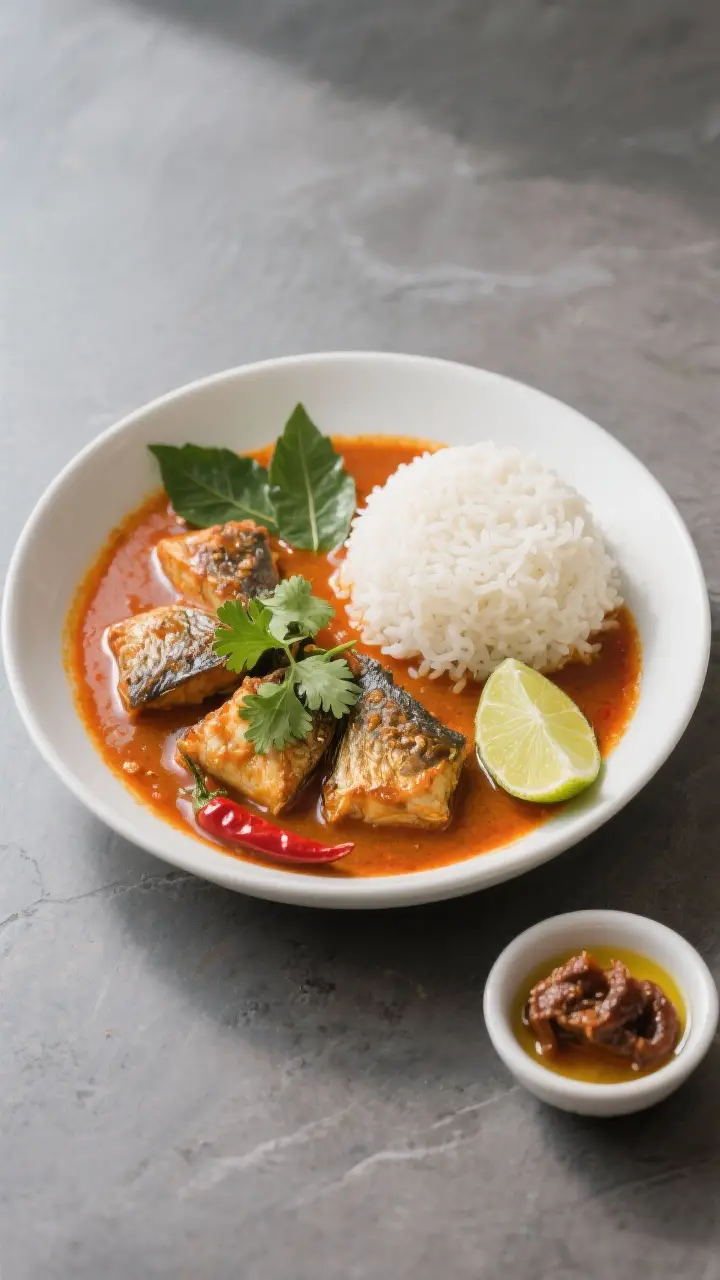
The soul of this coconut-based Goan fish curry is its spice paste, built on Kashmiri chilies, fresh coconut, and aromatics. This is the dish that teaches you what regional coastal spice selection actually looks like in practice.
Kashmiri chili is a great example of choosing spices thoughtfully: it gives a gorgeous deep red color with a relatively mild heat level. It is not just any chili. It is the right chili for this dish.
Jeera Aloo (Cumin Potatoes)
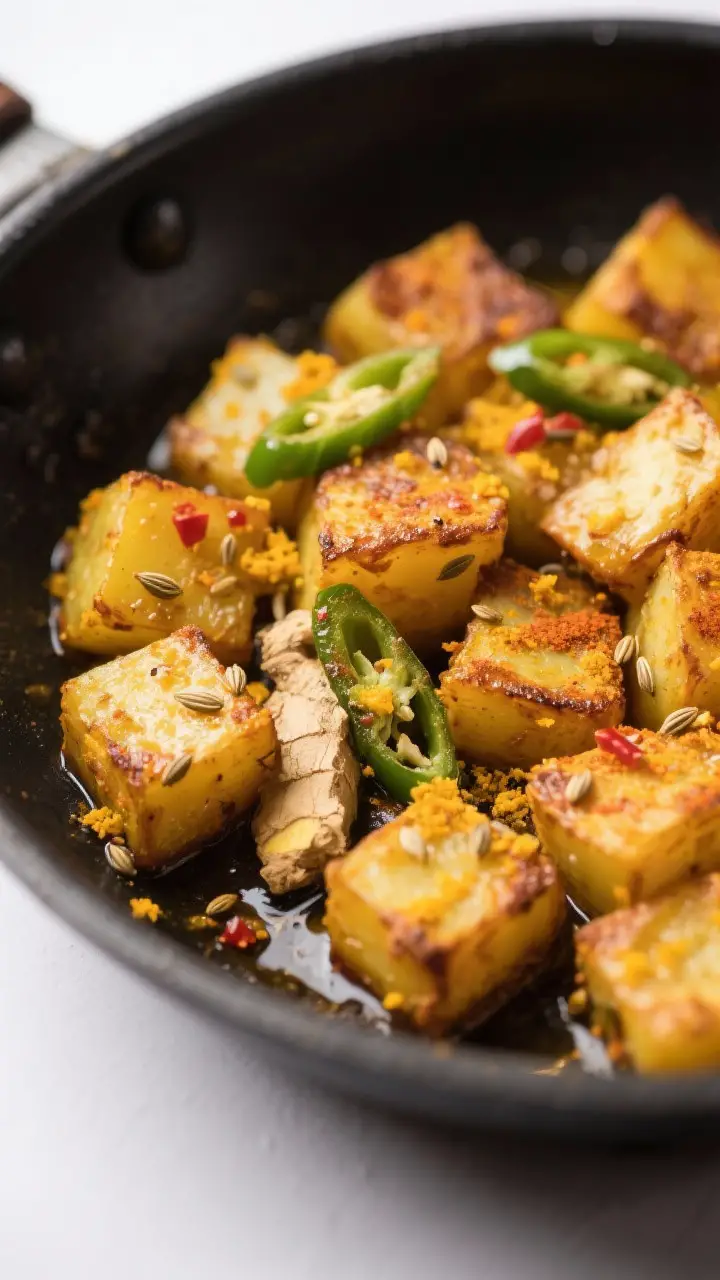
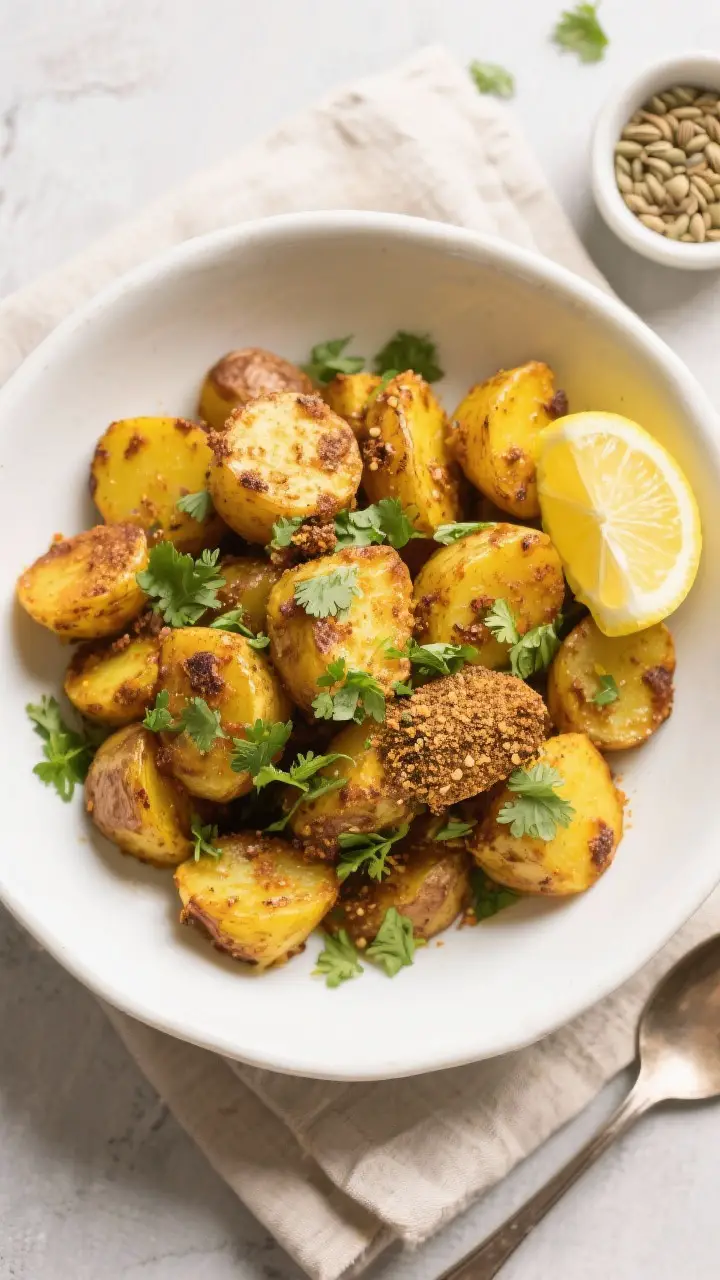
Our Jeera Aloo (cumin potatoes) is the simplest possible demonstration of what a single well-chosen spice can do. Whole cumin seeds bloom in hot oil, and that crackle and pop is your cue that the fat is now carrying pure cumin flavor into every potato it touches.
Simple food, deeply satisfying. That is the whole point of understanding your spices properly.
Conclusion
Learning how to choose essential spices for authentic Indian curries is not about memorizing an overwhelming list of 60 options. It is about understanding a handful of core principles: what each spice does, when it goes in, where it comes from regionally, and how to keep it fresh.
Start with the big five (turmeric, cumin, coriander, chili, and garam masala). Build your Masala Dabba around the curries you cook most often. Toast whole spices to release their aroma before grinding. Add garam masala at the end. And explore the underrated gems like mace, nutmeg, and amchur when you are ready to go deeper.
The more you cook with these spices, the more intuitive the choices become. Your nose will start telling you things that no recipe card can. And once that happens, you are not just following instructions anymore: you are actually cooking Indian food. That is the goal, and it is closer than you think.
Now go browse our full guide to the top 20 most popular spices and herbs to keep expanding your knowledge. Your curry game will thank you for it.