
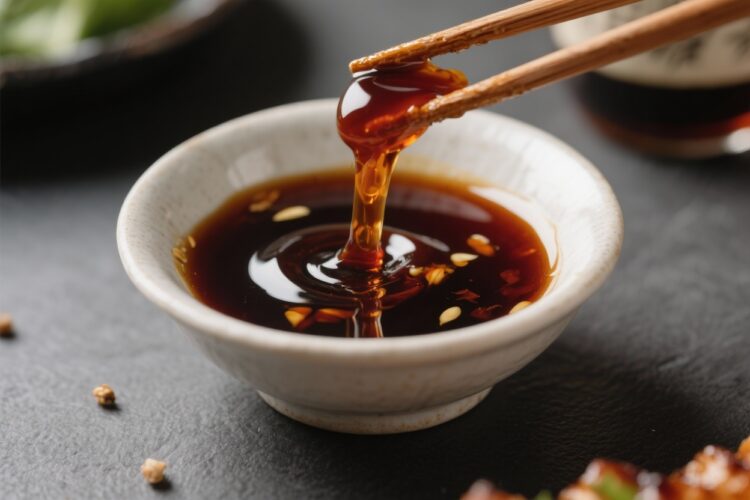
Teriyaki sauce doesn’t need a long ingredient list or a thick, syrupy bottle from the store. When you make it at home with sake, mirin, and soy sauce, you get a glossy, balanced sauce that tastes clean and real. It’s salty, lightly sweet, and full of umami without being heavy.
Use it as a marinade, glaze, or quick stir-fry sauce, and it instantly upgrades weeknight meals. If you’ve never made it from scratch, this version is about to become a staple.
Why This Recipe Works

- Classic ratio, big flavor: Sake, mirin, and soy sauce create the traditional base that delivers salty, sweet, and savory balance without extra additives.
- Quick and approachable: It comes together in 10–15 minutes on the stove. No special techniques required.
- Adjustable sweetness: You control the sugar level, so it’s never cloying or bland.
- Glossy finish: A brief simmer reduces the sauce naturally, giving it body and shine without gummy thickeners.
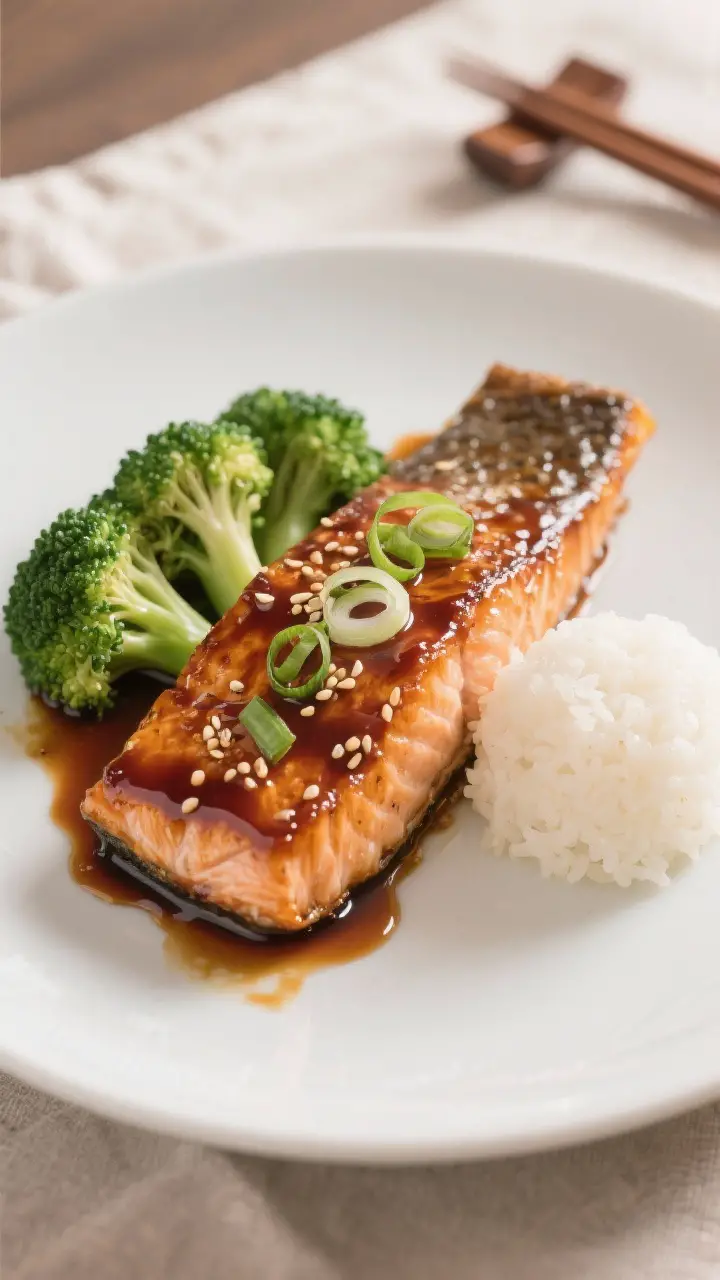
- Versatile: Works as a marinade for chicken, salmon, tofu, or beef, and doubles as a finishing glaze for grilled or pan-seared dishes.
Ingredients
- 1/2 cup soy sauce (use regular or light soy; avoid dark soy for this recipe)
- 1/2 cup mirin (sweet rice wine)
- 1/3 cup sake (dry, not sweet; cooking sake is fine if unsalted or low salt)
- 2–3 tablespoons sugar (white sugar for classic flavor; adjust to taste)
- 1–2 teaspoons fresh ginger, finely grated (optional but recommended)
- 1 small garlic clove, grated (optional for a bolder, modern flavor)
- 1–2 teaspoons cornstarch + 2 teaspoons water (optional slurry for a thicker glaze)
Instructions
- Combine the base: In a small saucepan, add soy sauce, mirin, sake, and sugar.
If using ginger and garlic, add them now.
- Heat gently: Place over medium heat and stir until the sugar dissolves. You should see small bubbles forming, not a rapid boil.
- Simmer to reduce: Lower the heat and let the sauce simmer for 4–6 minutes. This concentrates the flavor and softens the alcohol edge from the sake.
- Taste and adjust: Dip a spoon and taste.
For more sweetness, add up to 1 tablespoon sugar. For more salt, add a splash of soy sauce.
- Optional thickening: If you want a glossy glaze for finishing, stir the cornstarch and water together, then whisk it into the simmering sauce. Cook for 30–60 seconds until slightly thickened.
- Cool: Remove from heat.
The sauce will thicken a bit more as it cools.
- Use or store: Use immediately as a glaze or marinade, or transfer to a clean jar once cooled.
How to Store
- Refrigerator: Store in an airtight jar for up to 2 weeks if not thickened; 1 week if thickened with cornstarch.
- Freezer: Freeze in small portions (ice cube tray or small containers) for up to 3 months. Thaw overnight in the fridge.
- Reheating: Warm gently over low heat. If it thickens too much, whisk in a teaspoon or two of water.
- Marinade safety: If you used the sauce to marinate raw meat, do not reuse it as a finishing sauce unless you boil it for 1–2 minutes to kill bacteria.
Health Benefits
- Cleaner ingredient list: Homemade means no artificial stabilizers or high-fructose sweeteners found in some bottled sauces.
- Portion control: You control the sugar and sodium.
You can cut sugar by 25–50% and still keep great flavor.
- Umami without heaviness: Soy sauce delivers deep savoriness, which can help you use less overall sauce while still feeling satisfied.
- Ginger and garlic add antioxidants: If you include them, you get a subtle boost of anti-inflammatory compounds and a fresh, bright taste.
Common Mistakes to Avoid
- Boiling too hard: A rapid boil can turn the sauce harsh and reduce it too quickly. Keep it to a gentle simmer.
- Over-thickening: Too much cornstarch turns the sauce gummy. Start with a small slurry and stop as soon as it coats the back of a spoon.
- Using dark soy sauce: Dark soy is sweeter and much stronger in color, which can throw off the balance.
Stick with regular or light soy sauce.
- Skipping the simmer: The brief simmer is what mellows the alcohol from sake and integrates flavors. Don’t skip it.
- Oversalting: Remember that the sauce reduces. Taste after simmering before adding more soy sauce.
Alternatives
- No alcohol option: Replace sake with water or low-sodium chicken/vegetable broth.
Add 1–2 teaspoons rice vinegar at the end for brightness.
- Gluten-free: Use tamari or a certified gluten-free soy sauce. Check your mirin label, as some brands include gluten-containing additives.
- Lower sugar: Reduce sugar to 1 tablespoon and rely on mirin’s natural sweetness. Alternatively, use honey or maple syrup to taste.
- Bolder flavor: Add 1 teaspoon toasted sesame oil at the end and a pinch of red pepper flakes for gentle heat.
- Citrus twist: Add 1–2 teaspoons yuzu juice or fresh lemon juice after cooking for a bright, aromatic finish.
- Thicker restaurant-style glaze: Reduce longer (8–10 minutes) or use a slightly larger cornstarch slurry.
Watch closely to avoid scorching.
FAQ
What’s the difference between mirin and sake?
Mirin is a sweet rice wine used for cooking, with lower alcohol and higher sugar content. Sake is a drier rice wine used for drinking and cooking, offering a cleaner, less sweet taste that balances the sauce.
Can I make this without sugar?
Yes, but the flavor will be less rounded. Reduce added sugar and rely on mirin, or use a small amount of honey or maple syrup.
Start with 1 teaspoon and adjust to taste.
How do I use teriyaki sauce as a marinade?
Coat your protein with enough sauce to cover, then marinate in the fridge: 15–30 minutes for fish and tofu, 30–60 minutes for chicken, and up to 2 hours for beef. Pat dry before cooking for better browning, then brush with fresh sauce while finishing.
Why does my sauce taste too salty?
You may have reduced it too much or used a very salty soy sauce. Balance it by adding a splash of water, a bit more mirin, or a touch of sugar.
Simmer briefly to integrate.
How thick should teriyaki sauce be?
Classic teriyaki is glossy and pourable, not a heavy syrup. It should lightly coat the back of a spoon. For a glaze, a small cornstarch slurry or extra reduction is fine.
Can I use this as a stir-fry sauce?
Absolutely.
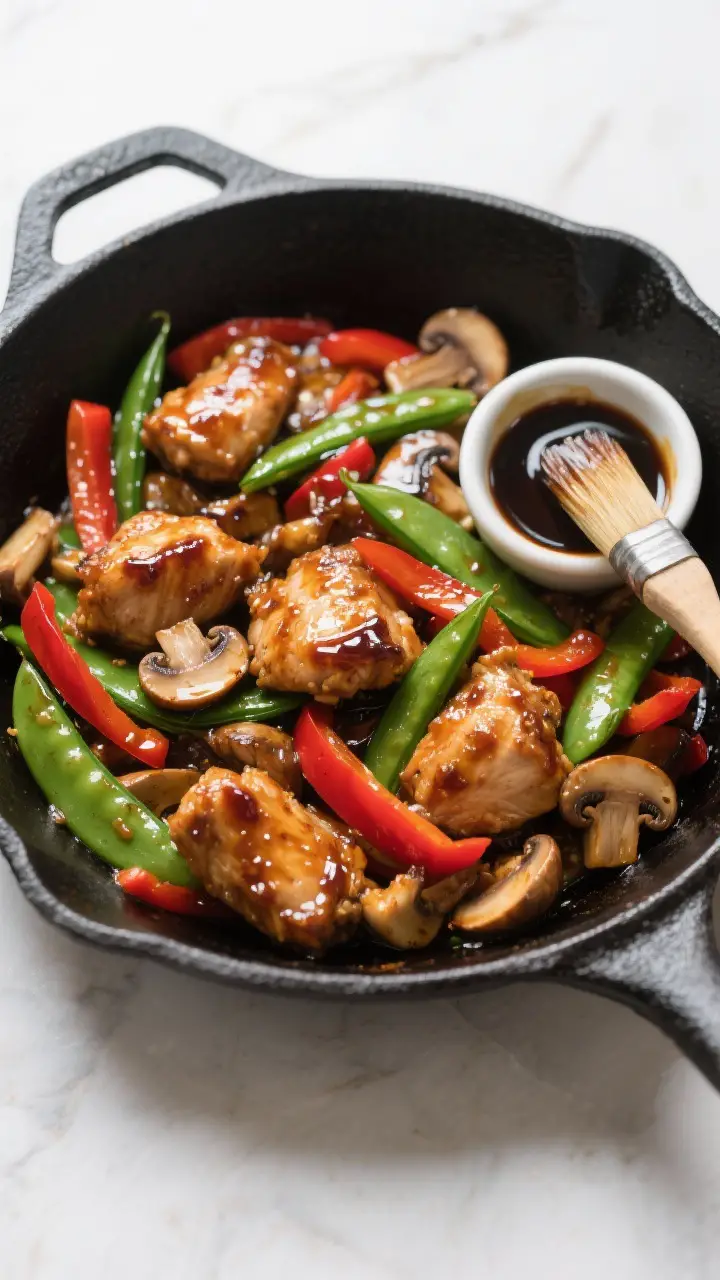
Stir-fry your ingredients until nearly done, then add the sauce and toss for 1–2 minutes until it coats and slightly thickens. Add a splash of water if it gets too sticky.
What proteins work best with this sauce?
Chicken thighs, salmon, shrimp, tofu, and thin-sliced beef are all excellent. It also complements vegetables like broccoli, snap peas, mushrooms, and bell peppers.
Is there a substitute for mirin?
If you don’t have mirin, mix 1 tablespoon sugar into 1/2 cup sake or use a blend of 1/2 cup rice vinegar and water (1:1) plus 1–2 tablespoons sugar.
Adjust sweetness to taste.
Wrapping Up
Homemade teriyaki sauce is simple, fast, and far more balanced than most store-bought versions. With a clean trio of sake, mirin, and soy sauce, you get a versatile sauce that works as a marinade, glaze, and stir-fry essential. Keep a jar in your fridge, adjust it to your taste, and use it to make quick meals feel special without extra effort.
Once you’ve tried this version, you’ll never miss the bottled kind.
Printable Recipe Card
Want just the essential recipe details without scrolling through the article? Get our printable recipe card with just the ingredients and instructions.