
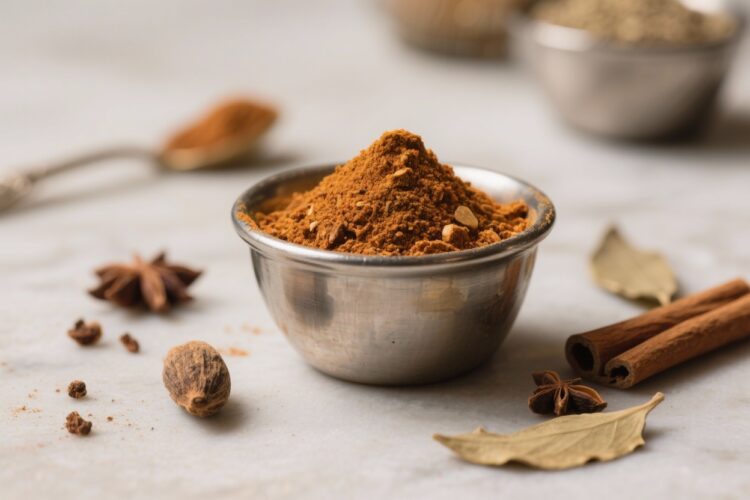
Garam masala is one of those blends that instantly transforms a dish. It’s warm, aromatic, and deeply comforting—like a cozy blanket for your cooking. Making it at home lets you control the flavors, keep it fresh, and tailor it to your taste.
The best part? It comes together quickly with whole spices and a simple toast-and-grind method. If you’ve only used store-bought garam masala before, get ready for a big flavor upgrade.
What Makes This Recipe So Good
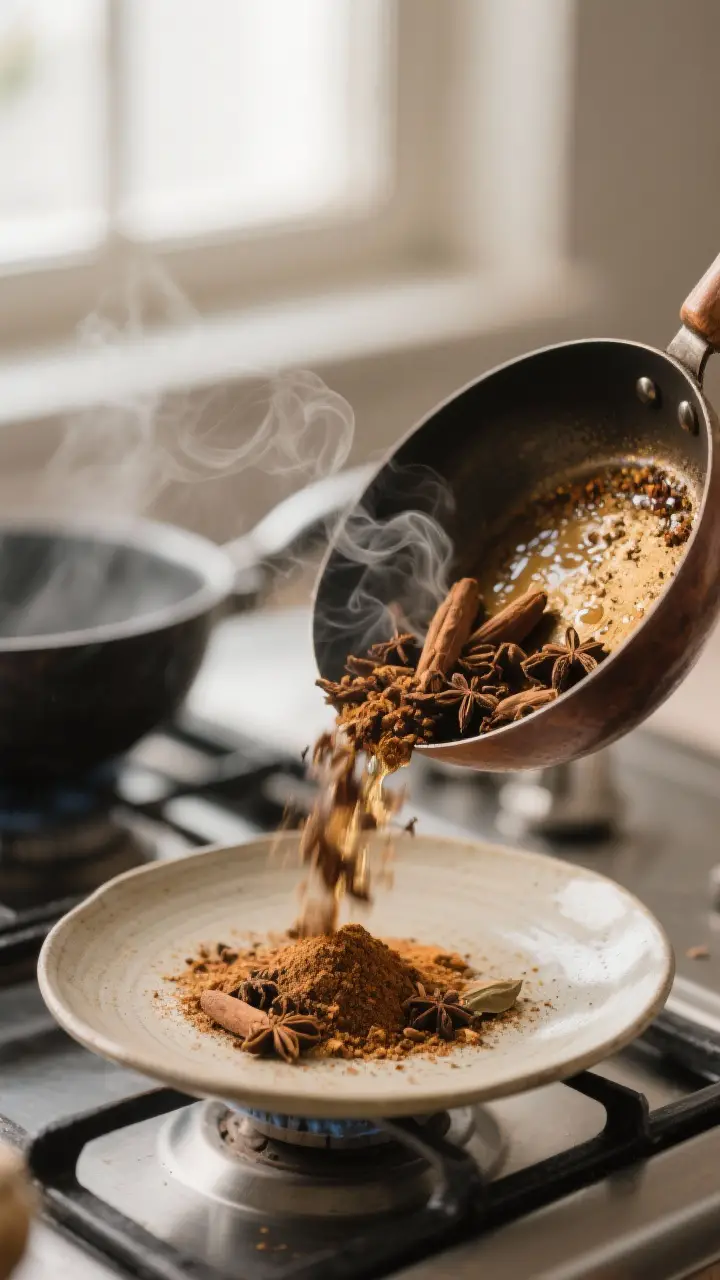
- Freshness you can taste: Toasting whole spices releases essential oils, giving you a richer, brighter flavor than pre-ground blends.
- Balanced warmth: This version leans warm and slightly sweet, with clove and cinnamon in supporting roles—not overwhelming.
- Flexible and forgiving: You can adjust the heat or sweetness by tweaking the peppercorns, cloves, or cinnamon.
- All-purpose magic: Use it in curries, roasted vegetables, marinades, rice dishes, and even soups for instant depth.
- Budget-friendly: A small batch of whole spices makes multiple jars, often cheaper and better than store blends.
What You’ll Need
- 2 tablespoons coriander seeds
- 1 tablespoon cumin seeds
- 1 tablespoon green cardamom pods (or 2 teaspoons cardamom seeds)
- 2 teaspoons black peppercorns
- 1 teaspoon whole cloves
- 2–3 small pieces cinnamon stick (about 2 inches total; Ceylon if possible)
- 1 teaspoon fennel seeds (optional for a gentle sweetness)
- 1 small bay leaf (Indian bay/tej patta if you have it)
- 1/2 teaspoon grated nutmeg (added after grinding)
If you prefer a slightly smoky note, you can add 1 star anise or a pinch of mace as an optional twist.
How to Make It
- Prep your spices: If using cardamom pods, lightly crack them to release the seeds.
You can include the husks, but most people prefer using just the seeds for a cleaner grind.
- Warm the pan: Set a dry, heavy skillet over medium-low heat. You want gentle, even heat—no oil needed.
- Toast the whole spices: Add coriander, cumin, cardamom seeds, peppercorns, cloves, cinnamon, fennel, and bay leaf. Toast for 3–5 minutes, stirring often, until fragrant and slightly darker.
Don’t let them smoke.
- Cool completely: Transfer to a plate and let the spices cool. Grinding warm spices can create moisture and clumping.
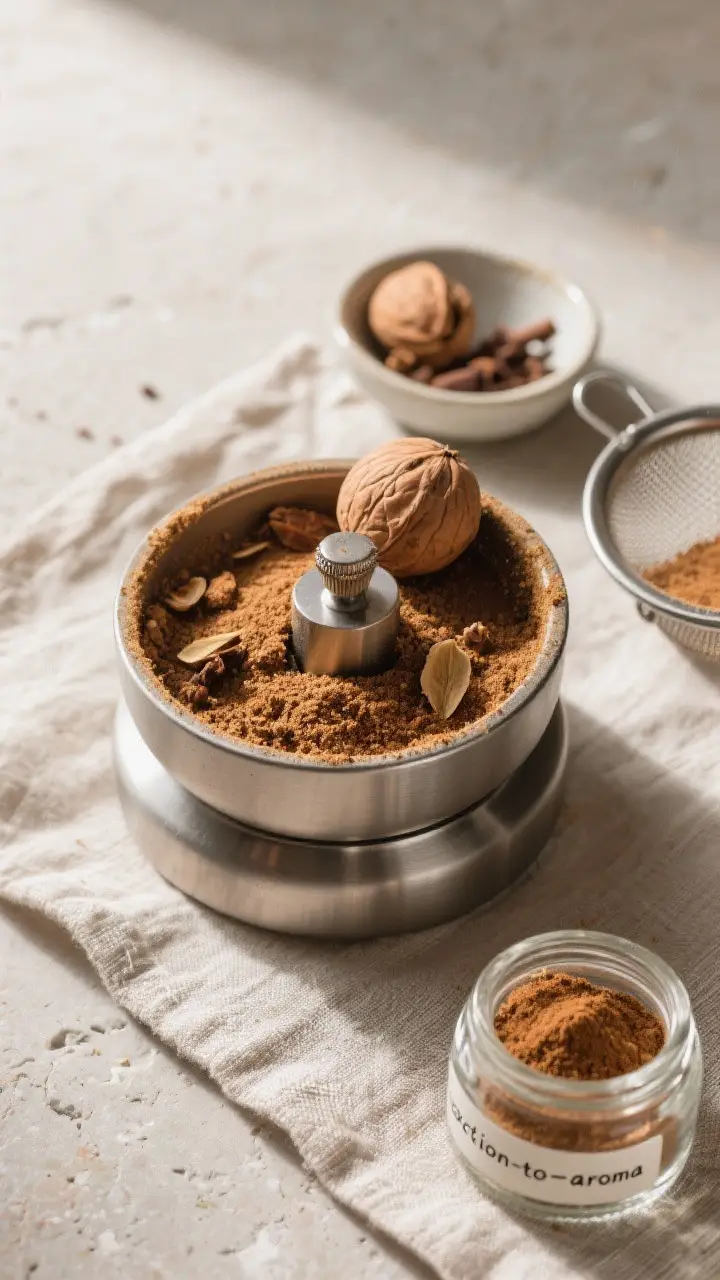
- Grind: Use a spice grinder or a clean coffee grinder to grind the toasted spices to a fine powder. Work in batches if needed for an even grind.
- Add nutmeg: Stir in the freshly grated nutmeg after grinding.
This preserves its aroma.
- Strain (optional): For a super-smooth blend, sift through a fine mesh and regrind any larger bits.
- Store: Transfer to an airtight jar, label it, and keep it in a cool, dark place.
How to Store
- Container: Use an airtight glass jar with a tight lid. Avoid clear jars if you store spices near sunlight.
- Location: Keep away from heat, light, and moisture—no cabinet above the stove.
- Shelf life: Best flavor for 3–4 months. Still usable up to 6 months, but it will gradually lose potency.
- Freezer option: For long-term storage, freeze in a small jar.
Let it come to room temp before opening to avoid condensation.
Health Benefits
- Digestive support: Cumin, coriander, and fennel can help reduce bloating and support digestion.
- Anti-inflammatory compounds: Cinnamon, cloves, and black pepper are rich in antioxidants and may support overall wellness.
- Circulation and warmth: Pepper and cloves promote gentle heat in the body, which can feel soothing in cooler months.
- Less salt, more flavor: Using garam masala adds depth without relying on sodium.
These benefits aren’t a substitute for medical advice, but they’re a nice bonus to the blend’s great taste.
Common Mistakes to Avoid
- Over-toasting: Burnt spices turn bitter fast. Keep the heat moderate and stir frequently.
- Grinding while warm: Warm spices release steam, causing clumping and dulling the aroma. Always cool first.
- Using old spices: Whole spices last longer than ground, but very old seeds won’t give you a vibrant blend.
Fresher is better.
- Overloading cinnamon and cloves: These are potent. Too much will dominate and throw off the balance.
- Storing near heat or light: This shortens the life of your blend. Keep it cool and dark.
Alternatives
- No spice grinder? Use a mortar and pestle.
It takes longer, but the aroma is fantastic. You can also grind in small batches with a clean coffee grinder reserved for spices.
- Milder blend: Reduce black peppercorns to 1 teaspoon and cloves to 1/2 teaspoon.
- Spicier kick: Increase peppercorns to 3 teaspoons or add a pinch of crushed dried chili.
- Sweeter profile: Add a little more fennel or a touch of star anise. Go easy—these can quickly overtake the blend.
- If you only have ground spices: Lightly warm them in a dry pan for 30–45 seconds, stirring constantly, then cool.
The flavor won’t be as bright, but it helps.
- Regional variations: Punjabi-style blends may include more black cardamom and mace; Maharashtrian versions might add stone flower (dagad phool) for earthiness. Adjust to your taste and what you can source.
FAQ
How much garam masala should I use in a recipe?
Start with 1/2 to 1 teaspoon for a dish serving 4, then adjust to taste. It’s typically added toward the end of cooking to keep the aroma bright.
Can I substitute this for curry powder?
They’re different blends.
Curry powder usually includes turmeric and has a different flavor profile. If you substitute, expect a change in color and taste; you may want to add turmeric separately if the recipe calls for curry powder.
Is black cardamom necessary?
No, it adds a smoky, resinous note that some versions use, but it’s optional. This recipe focuses on green cardamom for a lighter, more floral profile.
Can I make a larger batch?
Yes.
Simply scale up the ingredients and store in multiple small jars. Smaller jars help keep the blend fresher because they limit air exposure.
Why add nutmeg after grinding?
Nutmeg is delicate and volatile. Adding it at the end keeps its aroma lively and prevents it from getting lost during grinding.
Do I need to deseed the cardamom pods?
It’s best to use the seeds only for a cleaner grind and stronger flavor.
If you include the husks, sift well after grinding to remove larger fibrous bits.
What dishes can I use it in?
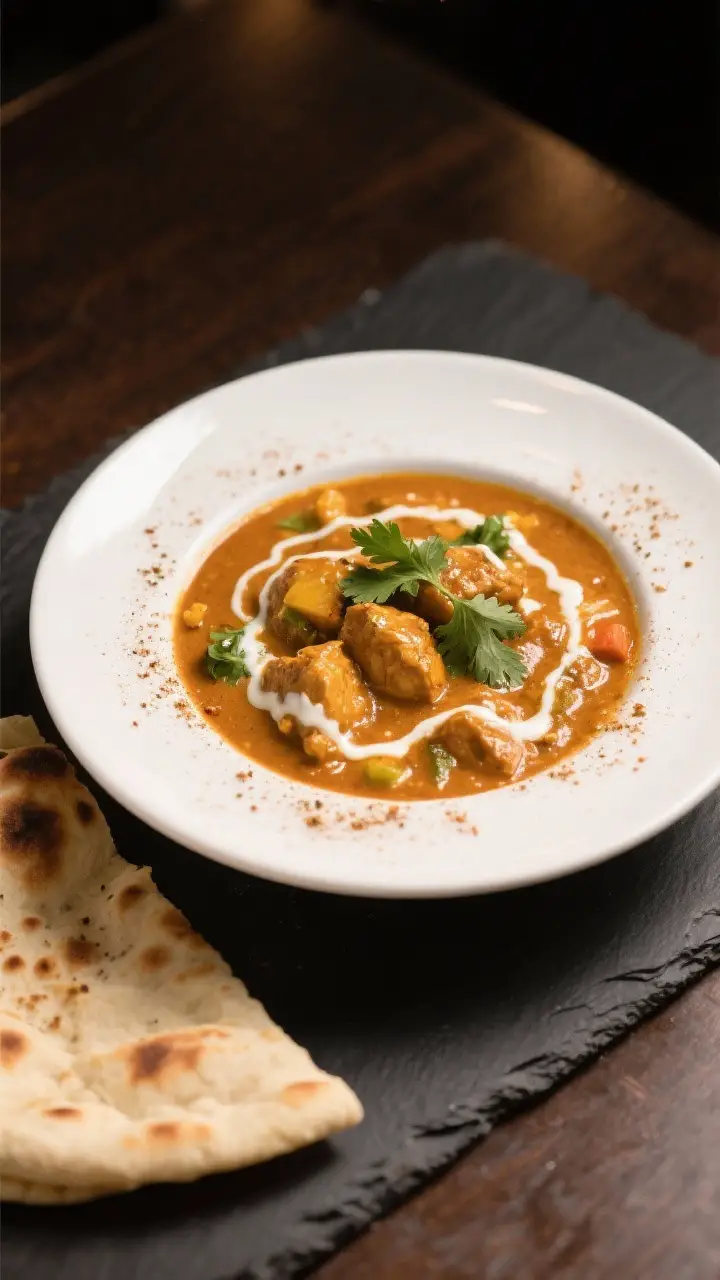
Use it in curries, dals, biryanis, tandoori marinades, roasted vegetables, lentil soups, and even sprinkled over scrambled eggs or roasted nuts. A little goes a long way.
Final Thoughts
Homemade garam masala is simple to make and instantly elevates your cooking. With a quick toast and grind, you’ll have a fragrant blend that’s brighter and more nuanced than any jar from the store.
Keep a small batch on hand, adjust it to your taste, and use it to finish dishes with warmth and depth. Once you try it, you may never go back to the pre-made version.