
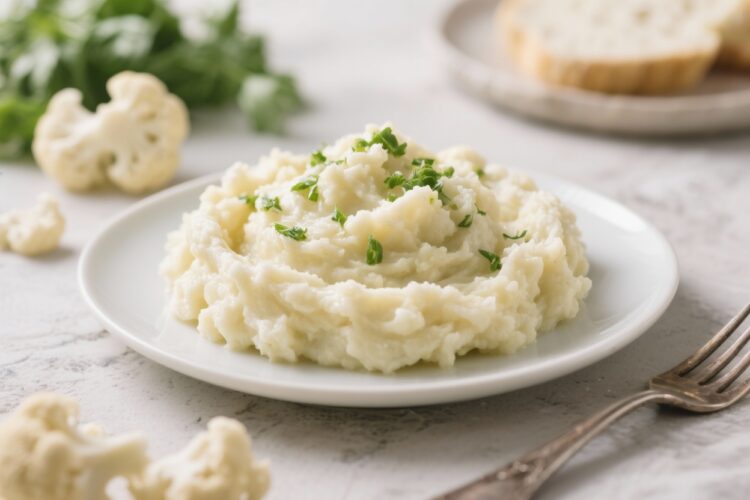
Mashed cauliflower is the cozy side dish you make when you want comfort without the heavy feeling. It’s creamy, savory, and surprisingly satisfying, even for mashed potato loyalists. With a few simple tricks, you can get a silky texture and rich flavor using basic ingredients.
This version keeps things light while still tasting like something you’d serve for a special meal. It’s easy enough for weeknights and good enough for guests.
Why This Recipe Works
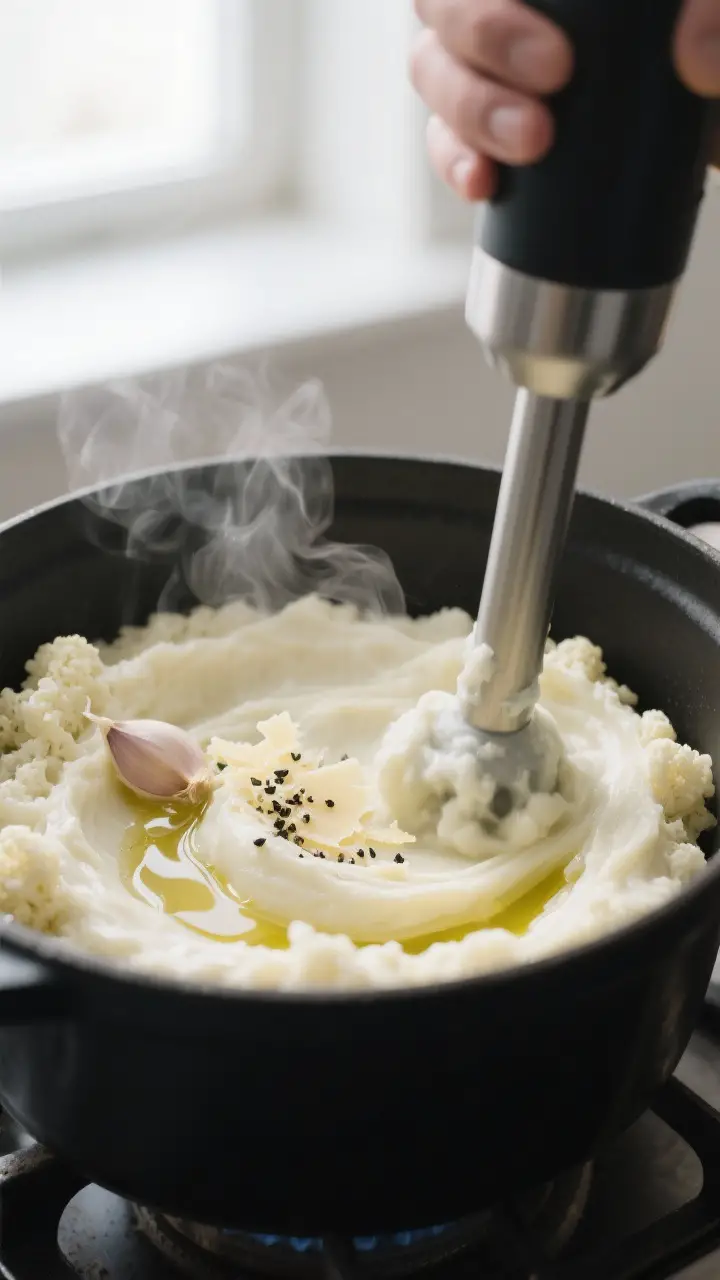
Cauliflower has a neutral flavor and a naturally creamy texture once cooked until very tender. By steaming or boiling it until soft and then blending with a small amount of fat, you get a smooth mash without loading on calories.
A little garlic, salt, and pepper bring out the savory notes, while a splash of broth or milk keeps it silky. The key is removing excess water and blending long enough for that cloud-like finish. With the right technique, you’ll get a mash that holds its shape and spreads like butter.
What You’ll Need
- 1 large head of cauliflower (about 2 pounds), cut into florets
- 2 tablespoons olive oil or unsalted butter (or a mix)
- 2–4 tablespoons milk (dairy or unsweetened almond milk), or warm low-sodium broth
- 2 cloves garlic, minced or smashed (optional but recommended)
- 1–2 tablespoons grated Parmesan (optional, for extra savoriness)
- 1/2 teaspoon kosher salt, plus more to taste
- 1/4 teaspoon black pepper
- Fresh chives or parsley, chopped, for garnish
- Lemon zest or a squeeze of lemon juice (optional, for brightness)
Step-by-Step Instructions
- Prep the cauliflower. Trim the leaves and core, then cut the head into evenly sized florets.
Rinse and shake dry so you’re not adding extra water to the pot.
- Cook until very tender. Steam in a basket over simmering water for 10–12 minutes, or boil in salted water for 8–10 minutes. You’re aiming for fork-tender florets that almost fall apart.
- Drain thoroughly. If you boiled the cauliflower, drain it well and return it to the hot pot. Let it sit over low heat for 1–2 minutes to evaporate excess moisture.
This prevents a watery mash.
- Sauté the garlic (optional but great). In a small pan, warm the olive oil or butter over low heat. Add garlic and cook gently for 30–60 seconds until fragrant, not browned.
- Blend to your texture. Add the cauliflower to a food processor or use an immersion blender in the pot. Pour in the garlic oil/butter, salt, and pepper.
Pulse to start, then blend until smooth. Add milk or warm broth, 1 tablespoon at a time, until creamy.
- Season and enrich. Taste and adjust salt. If using Parmesan, blend it in now for extra body and umami.
Add lemon zest or a small squeeze of lemon to brighten, if you like.
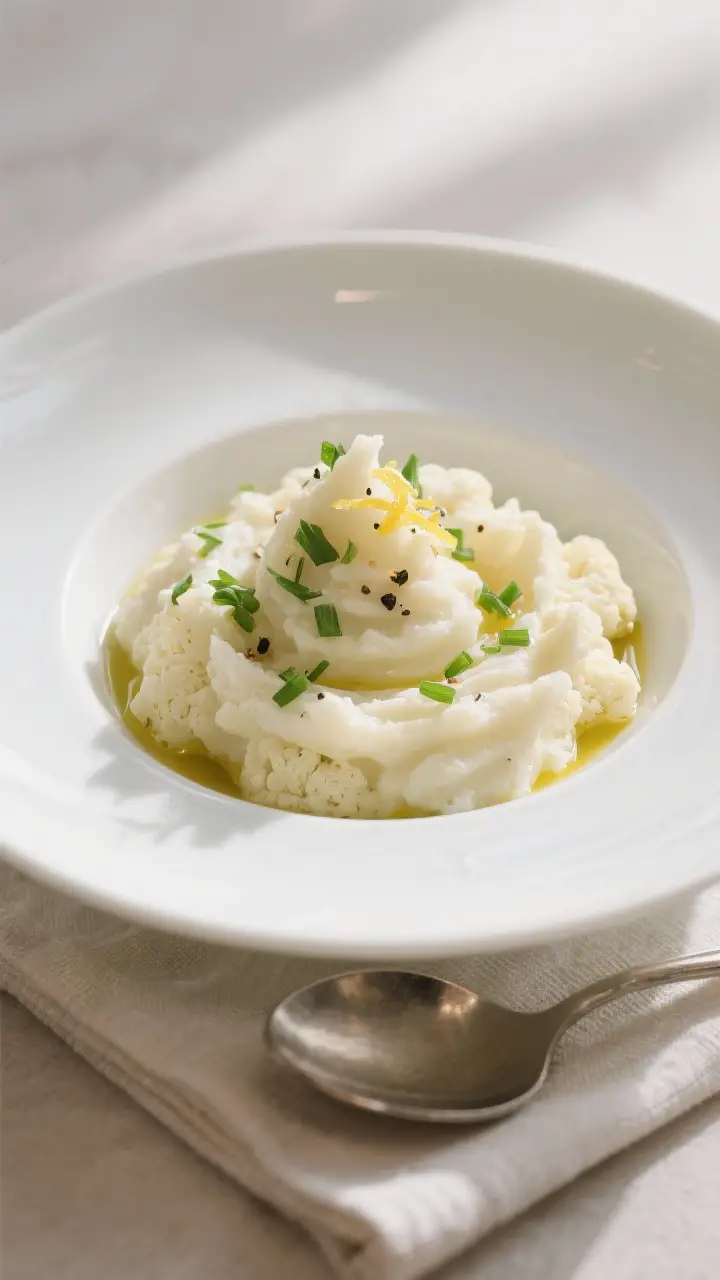
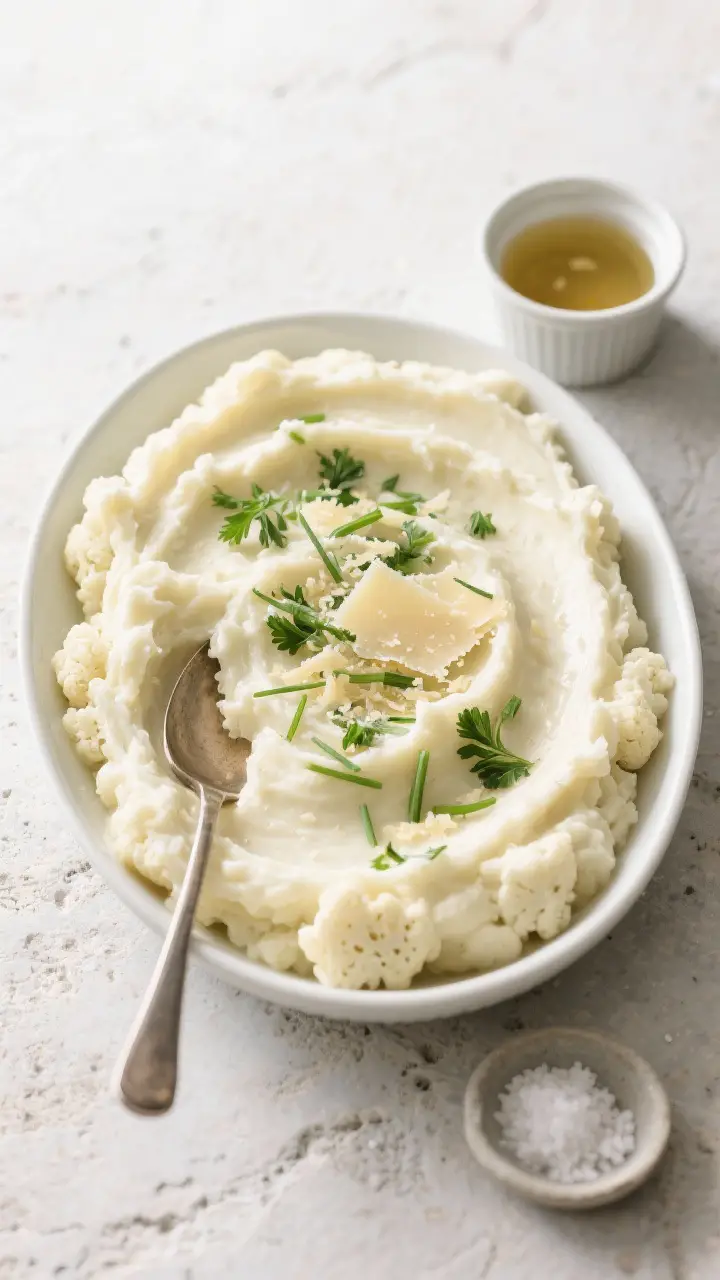
- Finish and serve. Transfer to a bowl, top with chopped chives or parsley, and a twist of black pepper. Serve warm alongside roasted chicken, salmon, steak, or veggie mains.
Keeping It Fresh
Store leftovers in an airtight container in the fridge for up to 4 days. The mash will thicken as it cools, so reheat gently on the stove over low heat, stirring in a splash of milk or broth to loosen.
For longer storage, spoon into freezer-safe containers and freeze for up to 2 months. Thaw in the fridge overnight and reheat slowly, whisking to restore the creamy texture.
Why This is Good for You
- Lower in carbs and calories than traditional mashed potatoes, making it a lighter choice without losing that comfort factor.
- High in fiber, which supports digestion and helps you feel full and satisfied.
- Rich in vitamins C and K, plus antioxidants found in cruciferous vegetables.
- Flexible with fats: You can use heart-healthy olive oil, or a small amount of butter for flavor without going overboard.
Pitfalls to Watch Out For
- Watery mash. Not draining well or skipping the “steam off” step can lead to a thin, soupy texture. Dry the florets briefly in the hot pot.
- Grainy texture. Undercooked florets won’t blend smoothly.
Cook until very tender and blend long enough to get silkiness.
- Overpowering garlic. Raw or browned garlic can taste harsh. Gently sauté it for a mellow flavor.
- Too bland. Cauliflower needs seasoning. Salt in layers, and consider Parmesan, pepper, and a touch of lemon for balance.
- Overmixing with a stand mixer. This can make potatoes gluey, and while cauliflower is more forgiving, a food processor or immersion blender gives the best texture.
Alternatives
- Dairy-free. Use olive oil and unsweetened almond or oat milk, or stick with low-sodium vegetable broth.
- Extra creamy. Add 1–2 tablespoons of cream cheese or Greek yogurt for tang and body.
- Roasted flavor. Roast the cauliflower at 425°F (220°C) with a bit of oil and salt until caramelized, then blend.
You’ll get deeper flavor and a thicker mash.
- Herb lovers. Blend in fresh thyme, rosemary, or basil. A little fresh dill is great with fish.
- Spice it up. Add a pinch of smoked paprika, cayenne, or roasted garlic instead of fresh.
- Half-and-half mash. Mix with a small portion of potatoes or parsnips for a hybrid texture and flavor.
- Protein boost. Stir in a scoop of plain Greek yogurt or a sprinkle of grated hard cheese.
FAQ
Can I make mashed cauliflower without a food processor?
Yes. Use an immersion blender for the smoothest stovetop option.
A potato masher works too, but expect a more rustic, slightly chunky texture.
Is frozen cauliflower okay to use?
Absolutely. Steam or boil straight from frozen until very tender, then drain well and proceed. Because frozen florets can be wetter, take extra care to evaporate moisture.
How do I keep it from tasting bitter?
Use fresh cauliflower and avoid overbrowning garlic.
Balance with a pinch of salt and a squeeze of lemon or a tablespoon of Parmesan to round out the flavor.
What can I serve it with?
It pairs well with roasted chicken, grilled steak, seared salmon, meatballs, or sautéed mushrooms and greens for a vegetarian plate. It’s also great under stews or saucy dishes.
Can I make it ahead for guests?
Yes. Make it a day in advance, refrigerate, then reheat gently with a splash of milk or broth.
Finish with fresh herbs and a drizzle of olive oil just before serving.
How do I thicken mashed cauliflower if it’s too thin?
Return it to a pot over low heat and stir until excess moisture cooks off, or blend in a tablespoon of Parmesan or cream cheese. Roasted cauliflower florets can also help firm it up.
What if I don’t like garlic?
Skip it and lean on herbs, pepper, and Parmesan. A little onion powder or a pat of butter can add depth without garlic.
In Conclusion
Healthy mashed cauliflower gives you the creamy comfort of a classic side with a lighter, fresher feel.
With proper draining, gentle seasoning, and the right blending method, you’ll get a smooth, flavorful mash that fits into everyday meals. Keep a head of cauliflower on your weekly list, and you’ll always have a quick, satisfying side ready to go. Simple ingredients, easy steps, and a finish that tastes like comfort done right.
Printable Recipe Card
Want just the essential recipe details without scrolling through the article? Get our printable recipe card with just the ingredients and instructions.