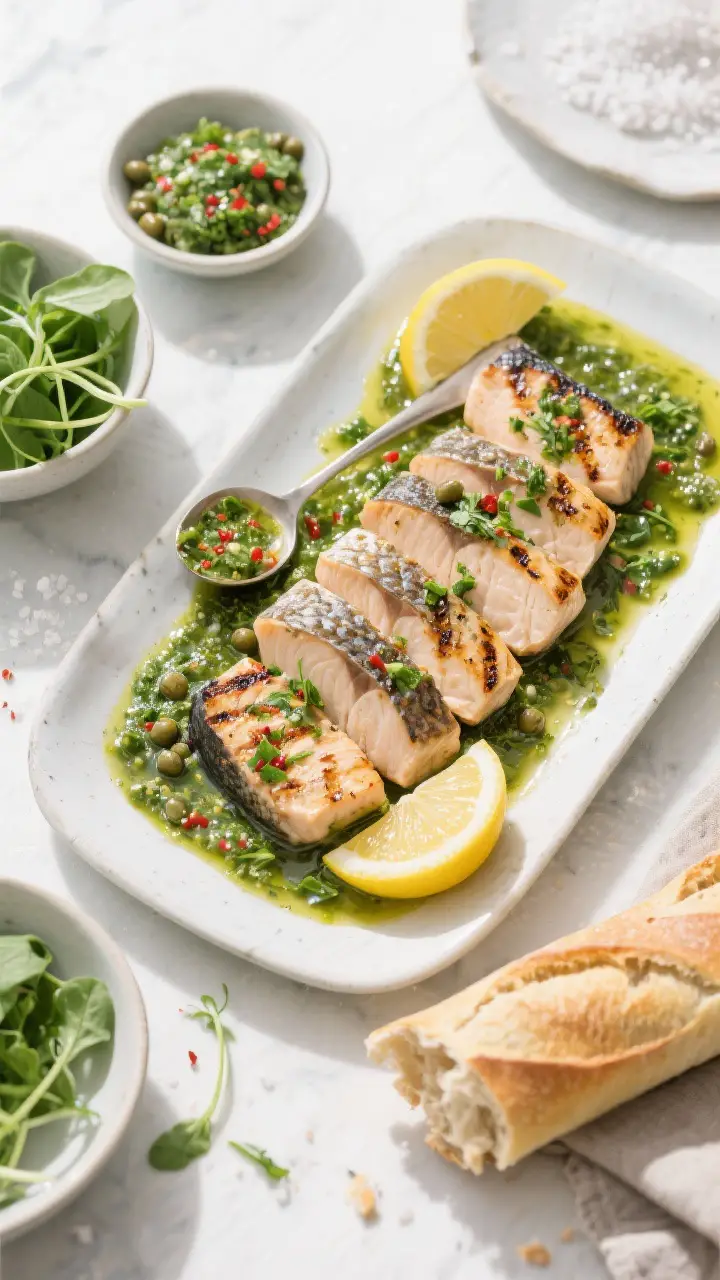
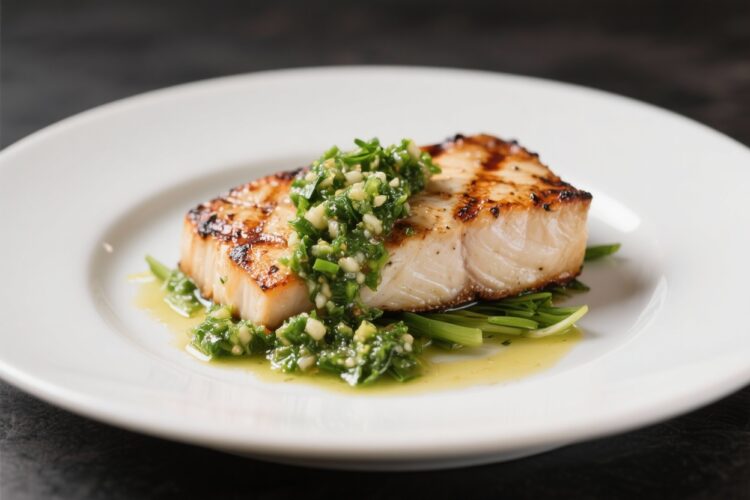
Swordfish loves the grill, and this recipe shows you why. Thick, meaty steaks cook fast, stay juicy, and soak up plenty of flavor without much effort. A zesty spring salsa verde brings herbs, lemon, and a little crunch to the party, making the fish feel fresh and lively.
It’s a dish that tastes like sunshine and takes less than 30 minutes of hands-on time. Serve it for a simple weeknight dinner or a relaxed weekend meal outside.
Why This Recipe Works
This recipe works because it balances richness and brightness. Swordfish has a buttery, steak-like texture, so it needs a punchy sauce to keep things interesting.
The spring salsa verde uses parsley, mint, chives, capers, lemon, and olive oil to cut through the richness and add a crisp, green flavor. Grilling the fish over medium-high heat gives it a light char while keeping the inside tender. The result is a fast, satisfying meal with clean flavors and minimal fuss.
Shopping List
- Swordfish steaks (1 to 1.5 inches thick, about 6–8 ounces each)
- Extra-virgin olive oil
- Kosher salt and freshly ground black pepper
- Lemon (zest and juice)
- Flat-leaf parsley (a large handful)
- Fresh mint (a small handful)
- Fresh chives
- Capers (rinsed and drained)
- Garlic (1 small clove)
- Shallot (optional, for mild bite)
- Red pepper flakes (optional, for heat)
- Dijon mustard (optional, adds body)
- Baby arugula or spring greens (for serving, optional)
- Crusty bread or small new potatoes (optional sides)
Instructions
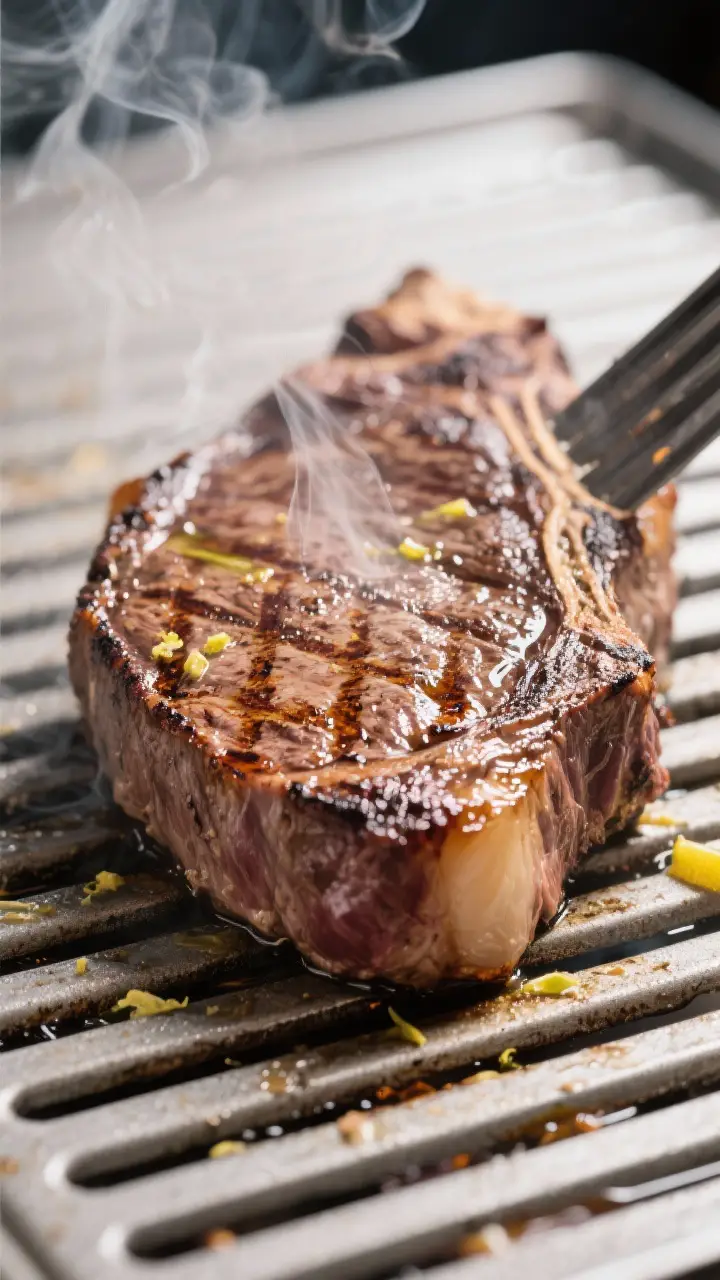
- Prep the grill. Heat a gas grill to medium-high, or prepare a two-zone fire on a charcoal grill.
Clean and oil the grates to prevent sticking.
- Pat the swordfish dry. Use paper towels to remove surface moisture. Dry fish sears better and sticks less.
- Season the fish. Brush both sides with olive oil. Sprinkle with kosher salt and black pepper.
Add a light grate of lemon zest if you like extra brightness.
- Make the spring salsa verde. Finely chop parsley, mint, and chives. Mince the garlic and a bit of shallot if using. Combine in a bowl with chopped capers, lemon zest, lemon juice, a pinch of red pepper flakes, and a spoonful of Dijon.
Stir in enough olive oil to loosen into a spoonable sauce. Taste and season with salt and pepper. It should be tangy and herb-forward.
- Grill the swordfish. Place the steaks on the hot side of the grill.
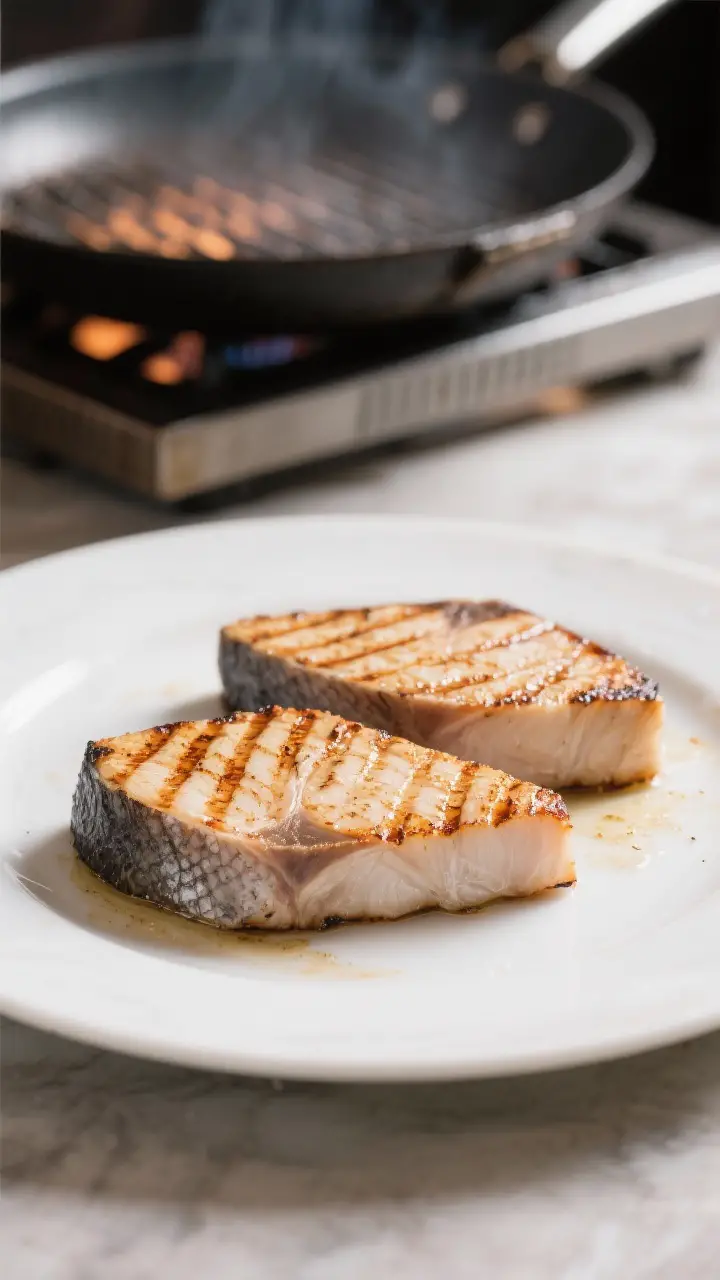
Cook for about 3–4 minutes per side, depending on thickness, until lightly charred with clear grill marks.
- Check doneness. Aim for medium to medium-well. The flesh should turn opaque and just start to flake but still feel moist. Internal temperature should reach about 130–135°F for juicy results.
- Rest briefly. Transfer the fish to a platter and let it rest for 3 minutes.
This helps the juices settle.
- Finish with salsa verde. Spoon the salsa over the warm fish so the flavors mingle. Add a squeeze of fresh lemon right before serving.
- Serve. Plate with a handful of arugula or spring greens, plus crusty bread or boiled new potatoes. Drizzle any extra salsa over the sides.
Storage Instructions
Cooked swordfish keeps in the fridge for up to 2 days in an airtight container.
Reheat gently in a low oven or a skillet over low heat with a splash of water or olive oil. Avoid microwaving at high power, which can dry it out.
Salsa verde stays fresh for 2–3 days in the fridge. Keep it covered, and add a little extra lemon juice or olive oil to wake it up before serving.
If the herbs darken slightly, it will still taste great.

Health Benefits
Swordfish is rich in high-quality protein, supporting muscle repair and overall satiety. It also provides selenium, which helps with antioxidant defenses. The olive oil and herbs deliver heart-healthy fats and phytonutrients, and lemon adds a boost of vitamin C.
Paired with a simple salad or steamed vegetables, this meal is balanced and satisfying without feeling heavy.
Note: Certain populations, including pregnant people and young children, are often advised to limit high-mercury fish like swordfish. If that applies to you, consider one of the variations below using a lower-mercury fish.
Common Mistakes to Avoid
- Overcooking the fish: Swordfish turns dry if cooked too long. Watch closely and pull it at 130–135°F.
- Skipping the grate prep: Dirty or un-oiled grates cause sticking.
Heat, scrub, then oil lightly.
- Using wet fish: Moisture prevents searing. Always pat the steaks dry before oiling and seasoning.
- Underseasoning: Swordfish needs salt, pepper, and lemon to shine. Don’t be shy with the seasoning.
- Heavy-handed garlic: Raw garlic is potent.
Use a small clove and mince very finely to avoid harshness.
Variations You Can Try
- Lower-mercury swap: Use halibut, mahi-mahi, or salmon fillets. Adjust grilling time to thickness.
- Citrus twist: Replace lemon with a mix of lemon and orange zest for a rounder, softer acidity.
- Anchovy boost: Finely mince 1–2 anchovy fillets into the salsa for extra depth and umami.
- Pickled crunch: Add diced cornichons or quick-pickled red onion to the salsa for bright texture.
- Herb shuffle: Swap mint for tarragon or basil. Keep parsley as the base for balance.
- Spice route: Stir a pinch of smoked paprika or Aleppo pepper into the salsa for warmth without overwhelming heat.
- Sheet pan method: No grill?
Roast the swordfish at 425°F for 10–12 minutes, then top with salsa.
FAQ
How thick should the swordfish steaks be?
About 1 to 1.5 inches thick is ideal. Thicker steaks grill evenly and stay juicy, making it easier to avoid overcooking.
Can I make the salsa verde ahead of time?
Yes. Make it up to a day ahead and store it covered in the fridge.
Let it come to room temperature and adjust lemon and salt before serving.
What if I don’t have a grill?
Use a stovetop grill pan or a hot cast-iron skillet with a touch of oil. You can also broil or roast at 425°F. Watch the timing closely.
How do I know when the fish is done without a thermometer?
Look for opaque flesh that flakes at the edges but still feels springy.
If it’s very firm and dry-looking, it’s gone too far.
Can I freeze leftovers?
Cooked swordfish doesn’t freeze well; it tends to dry out when thawed. It’s best eaten fresh or within two days from the fridge.
Is skin-on or skinless better for this recipe?
Most swordfish steaks are skinless, which is perfect here. If yours has skin, cook skin-side down first and release carefully once crisp.
In Conclusion
Grilled Swordfish with Spring Salsa Verde is a simple way to bring bright, clean flavors to the table fast.
The herb-packed sauce keeps the fish lively, while the grill adds a touch of char and smokiness. With a few pantry staples and fresh herbs, you get a meal that feels special without any stress. Keep the steps simple, watch the heat, and finish with lemon—you’ll have a standout dish any night of the week.