
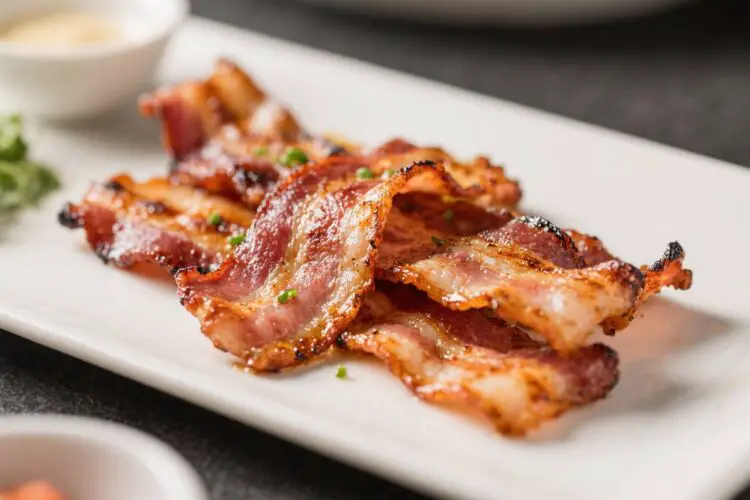
If you’ve only cooked bacon in a skillet or oven, grilling it will feel like a little revelation. The grates add a gentle char, the smoke brings extra flavor, and the cleanup is way easier than a greasy stovetop. You can cook a big batch at once, and it turns out crisp, wavy, and beautifully browned.
Whether you’re stacking it on burgers, crumbling it over salads, or serving it with eggs, grilled bacon earns its spot at any cookout or weekend breakfast. It’s simple, quick, and seriously satisfying.
What Makes This Recipe So Good
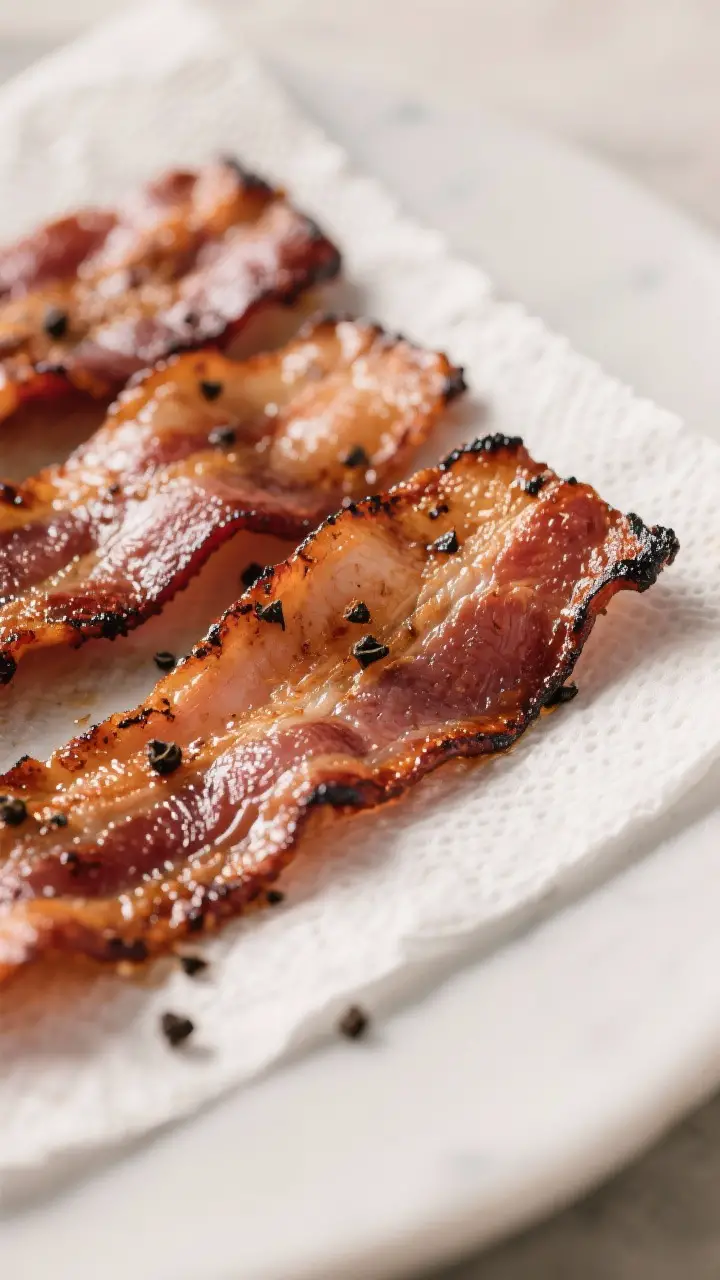
- Smoky flavor without extra effort: The grill naturally infuses bacon with a subtle smokiness and a hint of char.
- Easy cleanup: No splattering grease on your stove or oven door—most of the mess drips into the grill’s drip tray.
- Fast and efficient: Cook an entire package of bacon at once, making it perfect for feeding a crowd.
- Flexible texture: Go soft and tender or perfectly crisp—just adjust the time and heat.
- Versatile: Use it for breakfast, BLTs, burgers, salads, baked potatoes, or crumbled over mac and cheese.
Ingredients
- 1 pound thick-cut bacon (or regular if you prefer lighter, crisper strips)
- Freshly ground black pepper, optional
- Brown sugar or maple syrup, optional for a candied glaze
- Nonstick grill-safe spray or neutral oil for grates (if needed)
- Aluminum foil or a grill-safe pan for easier cleanup, optional
How to Make It
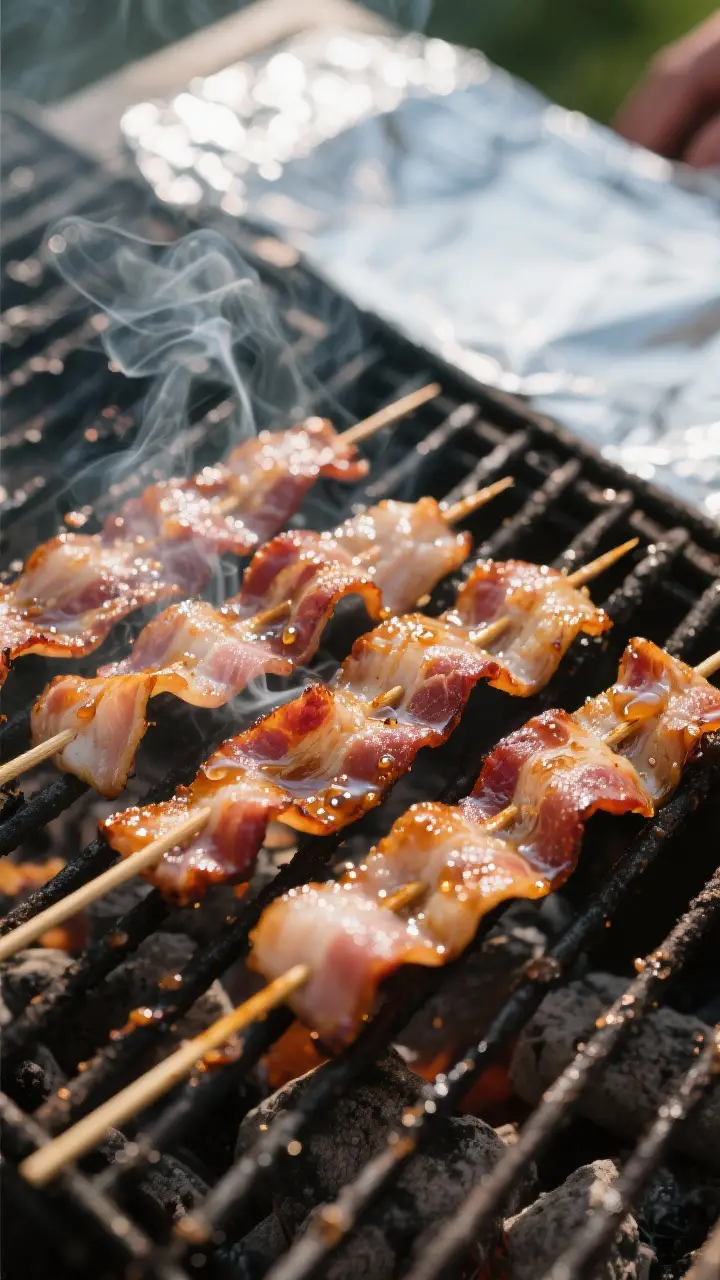
- Preheat your grill: Heat to medium or medium-low (about 350–375°F). You want steady heat that won’t scorch the bacon.
- Prep the grates: If your grates tend to stick, lightly oil them with a folded paper towel and tongs.
Or line part of the grill with foil and poke small holes for fat to drain.
- Arrange the bacon: Lay strips across the grates, perpendicular to the bars so they don’t slip through. Keep a little space between slices.
- Close the lid and cook: Grill for 3–5 minutes, then check. You’re looking for browning at the edges and some rendered fat.
- Flip carefully: Use tongs to turn each strip.
If flare-ups happen, move the bacon to a cooler zone or reduce heat.
- Finish to desired crispness: Cook another 3–6 minutes, depending on thickness and how crisp you like it. Thick-cut bacon may need an extra minute or two.
- Optional glaze: For candied bacon, brush with maple syrup or sprinkle brown sugar during the last 2 minutes. Flip once more if needed to set the glaze.
- Drain and rest: Transfer to a paper towel–lined plate to absorb excess fat.
Bacon crisps further as it cools slightly.
- Serve: Enjoy hot, or let it cool to crumble over dishes.
Keeping It Fresh
Short-term storage: Let bacon cool completely, then refrigerate in an airtight container for up to 4 days. Line layers with paper towels to keep it crisp.
Reheating: Warm in a 350°F oven for 5–7 minutes, or reheat in a dry skillet over medium heat until hot and crisp. The microwave works, but it can soften the texture.
Freezing: Freeze cooked bacon in a single layer on a sheet pan.
Once solid, transfer to a freezer bag. It keeps for 1–2 months. Reheat straight from frozen in a skillet or oven.
Health Benefits
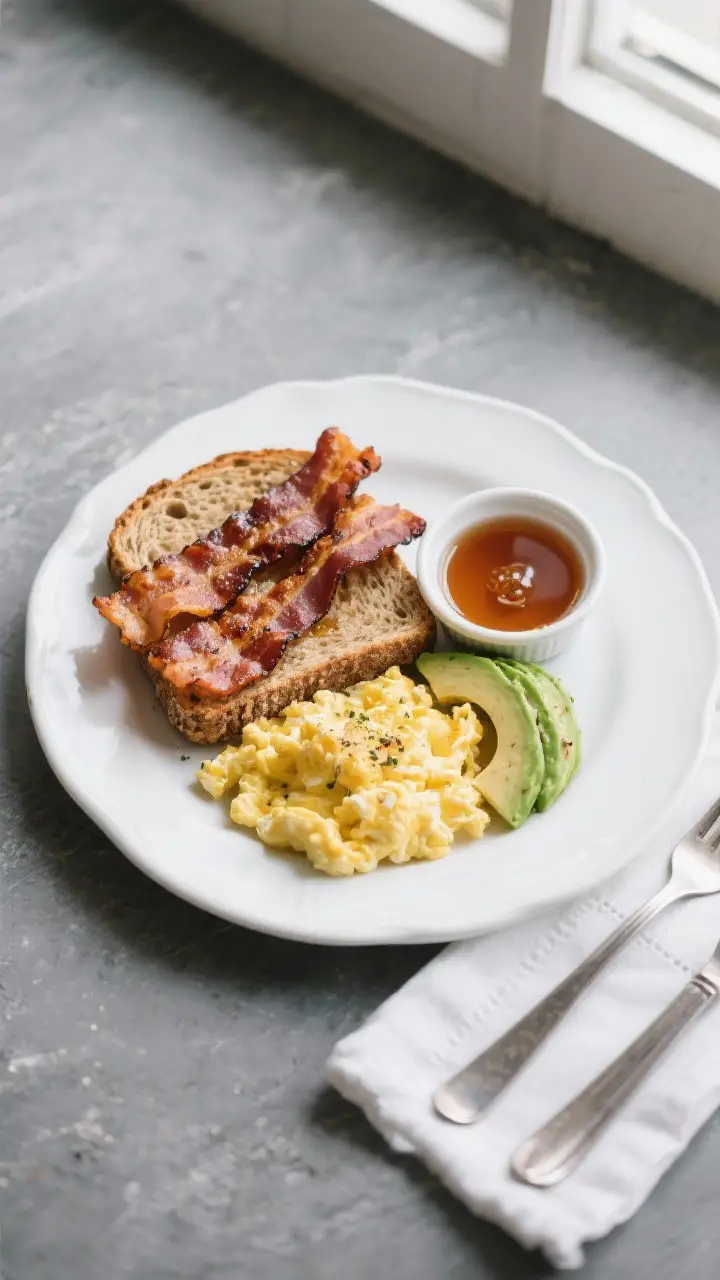
Bacon is an indulgence, but you can enjoy it mindfully. Protein and B vitamins: Bacon provides protein, plus small amounts of B vitamins that support energy metabolism. Satiety: A slice or two can make meals more satisfying, especially in a high-protein breakfast with eggs and vegetables.
That said, bacon is high in sodium and saturated fat. Balance matters: Pair bacon with fiber-rich foods—like whole-grain toast, avocado, or salad greens—to build a more balanced plate.
If you’re watching sodium, opt for reduced-sodium bacon and keep portions moderate.
Pitfalls to Watch Out For
- Flare-ups: Bacon fat drips can cause flames. Keep the heat moderate, close the lid, and move bacon to a cooler zone if needed.
- Too-high heat: Excess heat burns the edges before the fat renders. Stay in the 350–375°F range.
- Sticking: Cold grates or no oil can make bacon stick.
Preheat fully and lightly oil if necessary.
- Overcrowding: Overlapping slices steam instead of crisp. Give each strip space.
- Undercooked centers: Thick-cut bacon needs a bit more time. If the edges look done but the middle is soft, give it another minute per side.
Recipe Variations
- Maple-pepper bacon: Brush with maple syrup and crack black pepper over the top during the last few minutes.
- Spicy-sweet: Sprinkle brown sugar and a pinch of cayenne or chili powder for heat and caramelization.
- Herb-crusted: Press on finely chopped rosemary or thyme with a touch of black pepper.
- BBQ glaze: Brush with your favorite barbecue sauce right at the end to avoid burning.
- Turkey bacon: Grill over lower heat and watch closely—it cooks fast and can dry out.
Pull when just crisp at the edges.
- Bacon skewers: Thread bacon onto skewers in a gentle ribbon. This helps keep shape and prevents slipping through the grates.
FAQ
Should I use thick-cut or regular bacon?
Both work. Thick-cut is meatier and a little chewier, great for burgers or breakfast plates.
Regular-cut gets crisp faster and is perfect for crumbling over salads or pasta.
Do I need a grill pan or can I cook directly on the grates?
You can do either. Directly on the grates gives the best char and smoke, but a grill pan or foil is helpful for easier cleanup and fewer flare-ups.
How do I prevent flare-ups?
Keep the heat moderate, avoid overcrowding, and have a cooler zone ready. Close the lid to control oxygen and move strips away from active flames until they settle.
Can I cook bacon on a charcoal grill?
Yes.
Set up a two-zone fire. Cook the bacon over the cooler side, then finish briefly over hotter coals if you want more color. Watch closely; charcoal runs hotter.
Is there a way to keep the bacon flat?
For flatter strips, grill on foil or a flat griddle insert.
You can also press gently with a spatula in the first minute to reduce curling.
What’s the best way to season bacon?
Bacon is already salty, so keep it simple. Freshly ground pepper, a touch of maple, a sprinkle of brown sugar, or a pinch of spices are all you need.
Can I save the bacon grease from the grill?
Yes, if you line a drip pan with foil under the grates to catch it. Strain and store in the fridge for up to a month.
It adds amazing flavor to roasted vegetables and fried eggs.
How long does grilled bacon take?
Usually 6–10 minutes total, depending on thickness and heat. Start checking at the 3–4 minute mark and adjust as needed.
Final Thoughts
Grilled bacon is simple, quick, and loaded with flavor. With a steady medium heat and a little attention, you’ll get strips that are smoky, crisp, and evenly cooked.
Use it to elevate brunch, top a burger, or add crunch to fresh salads. Once you try bacon on the grill, it’s hard to go back to the skillet.