
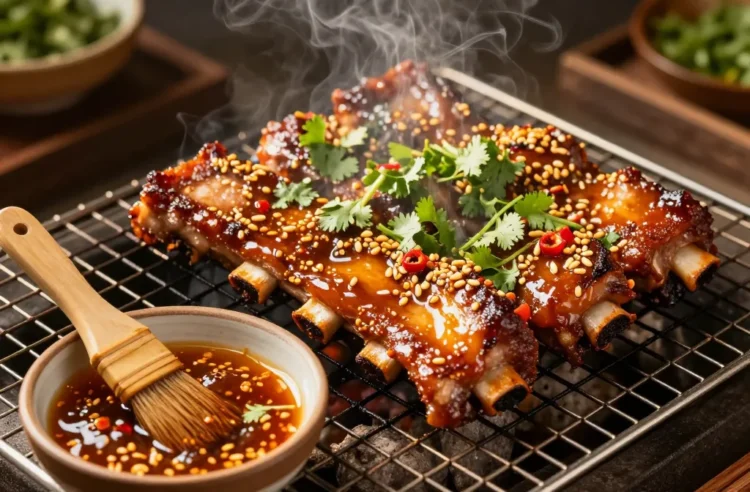
Sticky, tangy, smoky, and just enough heat to make you grin—this is the rib upgrade you didn’t know you needed. We’re taking Nam Jim Jaew, Thailand’s iconic grilled-meat dip, and turning it into a mop sauce that clings to ribs like a stage-five clinger—in a good way. Think tamarind sourness, roasted chili warmth, and that magical toasted rice crunch. Ready to make your barbecue taste like it got a passport stamp?
Why Nam Jim Jaew Belongs on Ribs
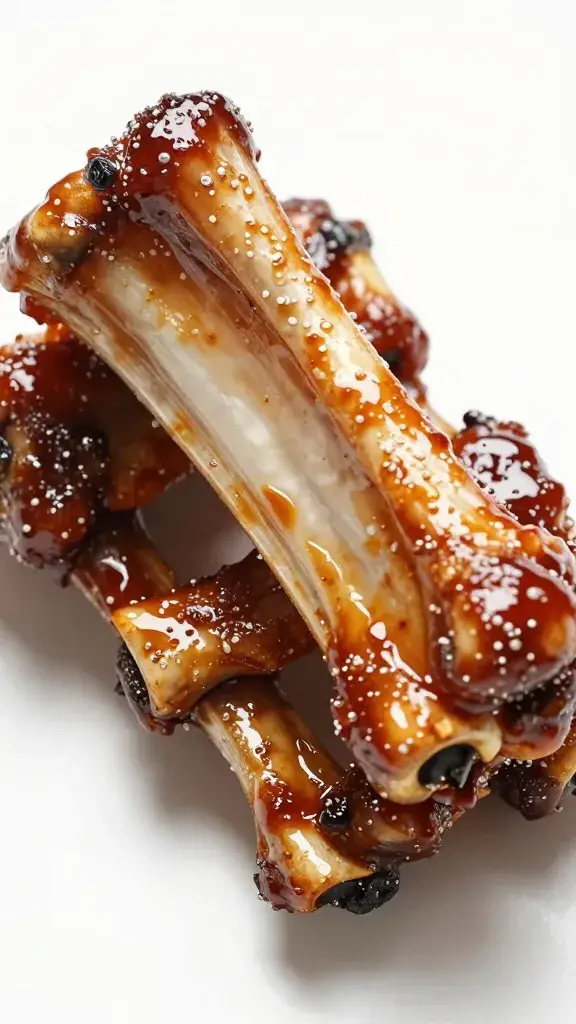
Nam Jim Jaew usually shows up as a dipping sauce for grilled pork or beef. But ribs? That’s where it shines. The sauce’s balance—sour, salty, sweet, spicy, and smoky—hits every taste bud and keeps you going back for “just one more bite.”
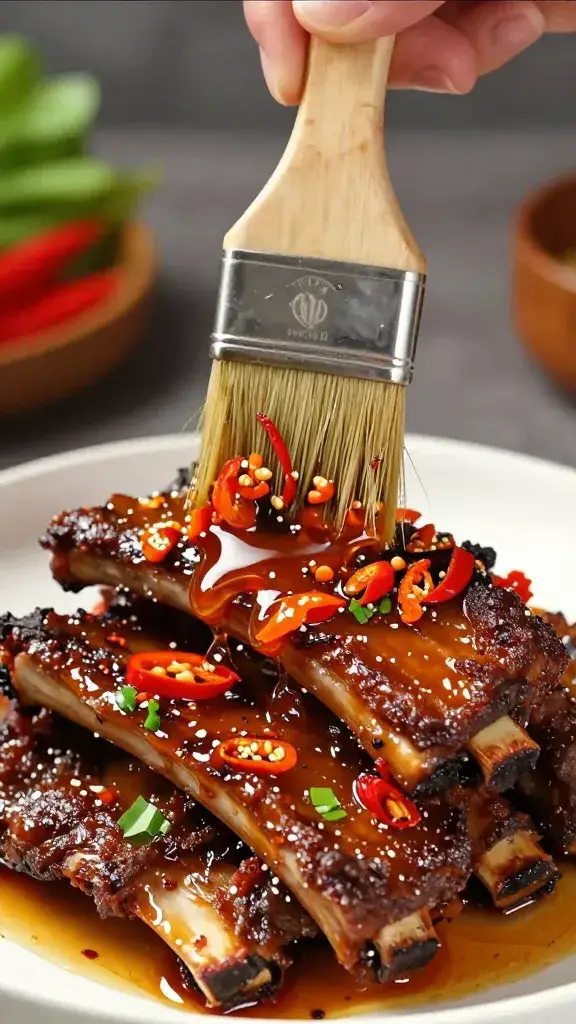
Here’s the move: turn the classic dip into a mop. You brush it on during the cook, layer by layer, then finish with a glossy glaze. It sticks, it caramelizes, and it plays nice with smoke. FYI, it also saves any rib that runs a little dry—tamarind brings it back to life.
The Flavor Blueprint
Let’s break down the essentials so you understand what you’re building. Good ribs start with bold structure.
- Sour: Tamarind paste brings a deep, fruity tang. Not lemon-tart—more like dark-plum sour.
- Salty/Umami: Fish sauce delivers backbone. Don’t skip it; it’s the difference between “good” and “obsessed.”
- Sweet: Palm sugar rounds it out and helps caramelize. Brown sugar works in a pinch.
- Heat: Roasted chili flakes (prik bon) bring warm, earthy spice. Adjust to mood and audience.
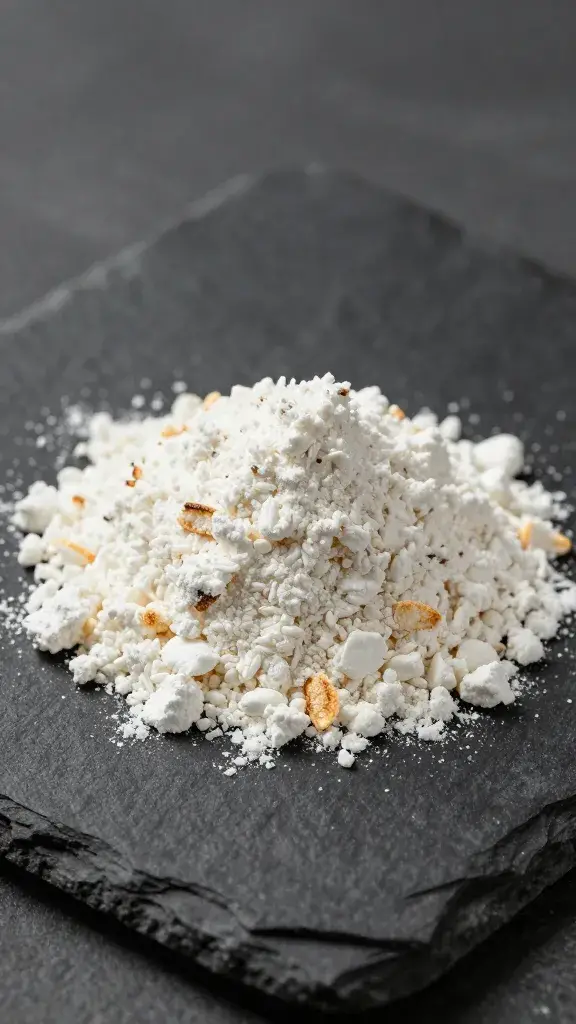
- Crunch/Toasty: Toasted rice powder adds grip and nutty vibes. It also thickens the sauce just enough to cling.
- Fresh: Lime juice and scallions or cilantro brighten the finish.
What makes this a “mop” and not just a dip?
Two tweaks: a bit more liquid for brushability and a touch of oil so it shines and adheres. You also simmer it briefly so the sugars and tamarind marry. End result? Sauce that sticks without burning at normal rib temps.
Ingredients You’ll Need
Use this as your base. Tweak to your taste, IMO that’s the fun part.
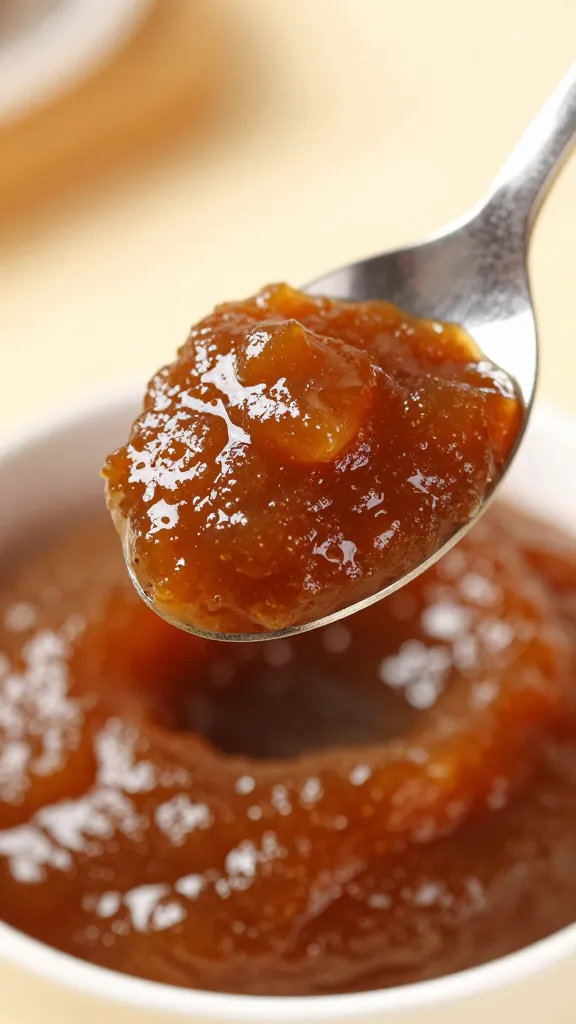
- 3 tbsp tamarind concentrate (or 4 tbsp if using a thinner paste)
- 3 tbsp warm water (to loosen tamarind)
- 2–3 tbsp fish sauce
- 2 tbsp palm sugar (or light brown sugar)
- 2 tbsp lime juice, plus more to taste
- 1–2 tbsp roasted Thai chili flakes (prik bon), or substitute crushed red pepper
- 1 tbsp toasted rice powder (khao khua), plus extra for final texture
- 1–2 cloves garlic, very finely minced (optional but recommended)
- 1 tbsp neutral oil (rice bran, canola, or peanut)
- 2 tbsp chopped cilantro stems and leaves (optional)
- 2 tbsp thin-sliced scallions or shallots
Rib prep: 1 rack St. Louis cut or baby backs, membrane removed, seasoned with salt, pepper, and a simple dry rub (think garlic powder, coriander, white pepper). Keep the rub minimal so the mop can flex.
Make the Mop (And a Finishing Glaze)
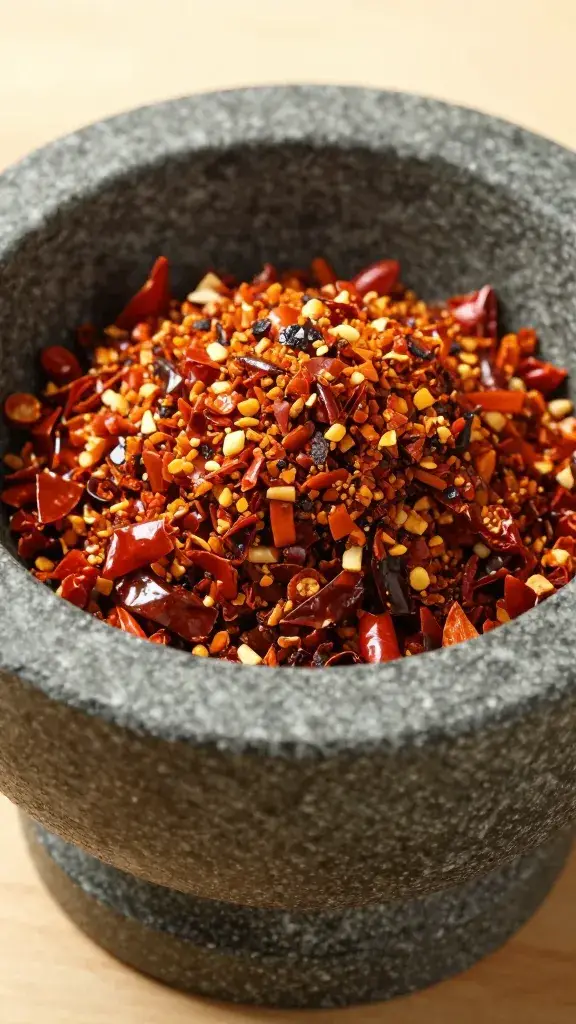
We’ll build one base sauce and split it: one part for mopping, one part for a quick sticky glaze near the end.
- In a small pot, whisk tamarind and warm water until smooth. Add fish sauce, sugar, lime juice, chili flakes, garlic, and oil.
- Bring to a gentle simmer for 2–3 minutes. Stir until the sugar dissolves and the sauce looks glossy.
- Stir in 1 tbsp toasted rice powder. The sauce will slightly thicken. Taste and adjust: more lime for zip, more sugar for balance, more fish sauce for umami.
- Split the batch in half. Reserve one half as the mop. To the other half, add 1–2 tsp extra sugar and simmer 1–2 minutes more to make a glaze that gets a touch stickier.
Toasted rice powder hack
No khao khua? DIY. Toast raw sticky rice (or jasmine rice) in a dry pan over medium heat, stirring until deep golden and nutty, 8–10 minutes. Cool, then grind fine. Store extra in a jar; you’ll use it again.
How to Cook the Ribs
You can go smoker, oven, or grill. The sauce plays nice with all three.
Low-and-slow smoker method (my favorite)
- Preheat smoker to 250–275°F. Use fruit wood—apple or cherry—for a gentle sweetness that won’t fight the tamarind.
- Smoke ribs meat-side up for 2 hours. Don’t mop yet; let the bark set.
- After 2 hours, start mopping every 30 minutes with a silicone brush. Light coats only. Too much = drips and char.
- At 3.5–4 hours, check tenderness. When a probe slides in with little resistance, brush with the glaze. Cook 10–15 minutes to set.
- Rest 15 minutes, then slice. Toss with a spoonful of fresh sauce (see “Serving” below) and a sprinkle of extra toasted rice powder. Thank me later.
Oven or grill method
- Oven: 300°F, covered with foil for 2 hours. Uncover, start mopping every 20 minutes for another 45–60 minutes until tender. Finish under the broiler 2–3 minutes with the glaze.
- Grill (two-zone): Hold ribs over indirect heat at ~300°F. Mop after 60–90 minutes once bark forms, then every 20–30 minutes. Move over direct heat briefly with glaze to set—watch closely.
Serving It Right
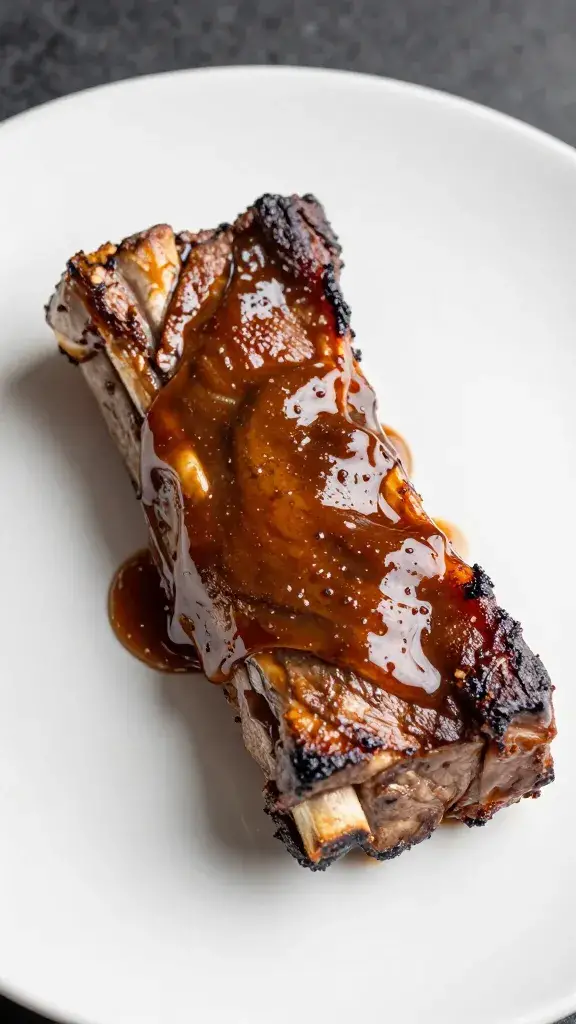
You’ve got mop and glaze, but you also want a fresh hit at the end. Mix a quick table jaew:
- 2 tbsp fish sauce
- 1 tbsp lime juice
- 1 tsp tamarind
- 1 tsp sugar
- Pinch chili flakes + pinch toasted rice powder
- Shallots, cilantro, scallions
Drizzle this over sliced ribs so you get bright, zippy contrast. Add cucumber spears, sticky rice, and some crisp cabbage leaves. The crunch balances the sticky rib bliss.
Tweak the Heat, Control the Sweet
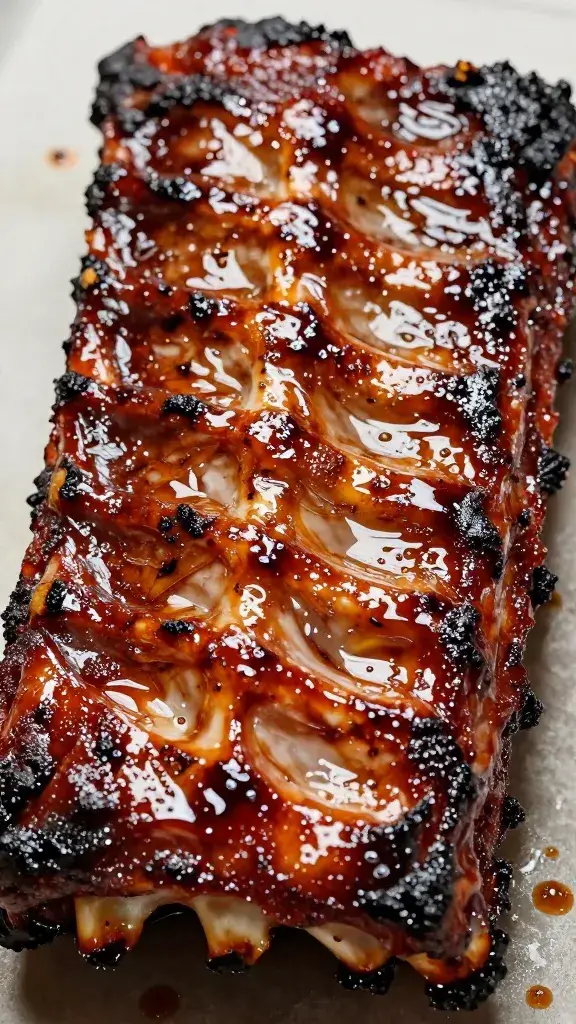
Not cooking for a chilihead crowd? No problem. This sauce adapts easily.
- Mild version: Reduce chili flakes to 1 tsp. Add more toasted rice for texture without extra heat.
- Medium: 1 tbsp chili flakes plus a few dashes of hot sauce in the glaze.
- Hot: 2 tbsp chili flakes and 1 tsp ground roasted chili powder. Keep sweet steady to protect your taste buds.
A note on sweetness
Sugar doesn’t mean dessert ribs. It just keeps the sour from getting shouty and helps caramelization. If your tamarind runs very tart, bump sugar by 1–2 tsp. Taste as you go—your tongue knows the truth, IMO.
Pro Tips So You Don’t Cry Later
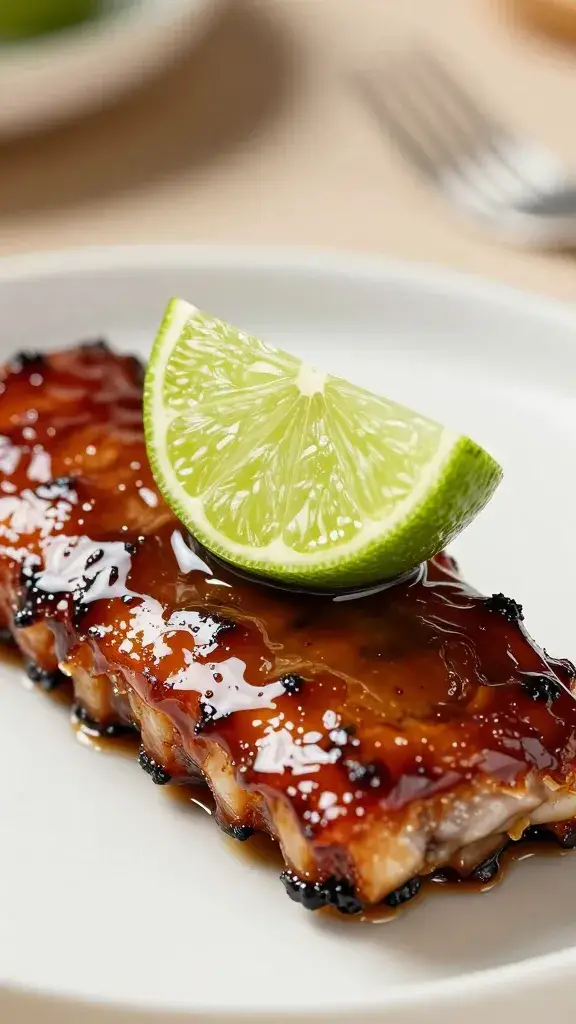
- Thin coats only: Multiple light mops beat one heavy slather. You want layers, not puddles.
- Mind the burn: Tamari—er, tamarind—gets dark fast if your fire runs hot. Keep it under 300°F when mopping.
- Finish fresh: Add chopped herbs and extra lime at the end. Heat kills brightness.
- Don’t skip fish sauce: If the smell scares you, relax. It melts into smoky umami. You won’t taste “fish,” promise.
- Rest your ribs: Ten to fifteen minutes keeps juices where they belong. You earned this patience.
FAQ
Can I make this sauce ahead?
Absolutely. Make the mop and glaze up to 5 days in advance and keep them in the fridge. Warm gently before using so the oil and tamarind loosen up again.
What if I can’t find tamarind?
Mix 2 tbsp lime juice with 1 tbsp apple cider vinegar and 1 tbsp brown sugar as a stand-in. It’s not a perfect dupe, but it keeps the sour-sweet balance in the ballpark.
Is there a fish sauce substitute?
For a vegan or fish-averse option, use light soy sauce plus a splash of mushroom powder or a little miso dissolved in water. You lose some funk, but the ribs still slap.
Will this work on chicken or wings?
Oh yes. Mop during the last 20 minutes of grilling wings, then toss in the glaze right before serving. The sticky-sour heat loves crispy skin.
How spicy is it, really?
Baseline lands at medium. Dial it down with fewer chili flakes or bump it up with extra roasted chili powder. Taste as you build—your lips should tingle, not regret life choices.
Do I need toasted rice powder?
Technically no, but you’ll miss the nutty crunch and signature texture. If you must skip it, stir in a tiny pinch of cornstarch to thicken and add extra chopped toasted peanuts for a different crunch.
Wrapping It Up
Nam Jim Jaew already crushes it as a dip, but as a mop for ribs? That’s the glow-up. Tamarind’s tang, chili warmth, and that roasty rice crunch give smoky pork a fresh personality without drowning it in sugar. Fire up the grill, brush on those layers, and finish with a bright drizzle—and get ready for everyone to “just try one” until the rack mysteriously disappears. FYI, you might want to make two.