
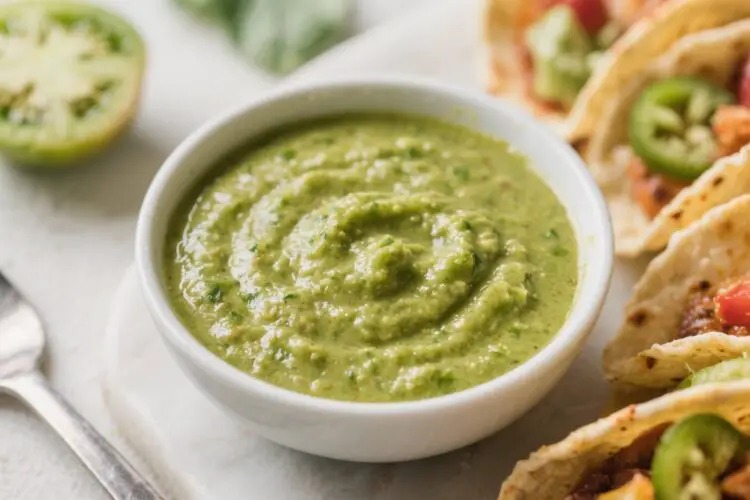
Tomatillo-based green enchilada sauce is one of those staples that instantly upgrades your cooking. It’s bright, tangy, and full of fresh flavor that bottled versions can’t match. With a handful of ingredients and a quick roast on a sheet pan, you’ll have a sauce that works for enchiladas, chilaquiles, tacos, or spooned over eggs.
The best part: it’s easy to adjust the heat and texture to your taste. If you’ve never made it at home, this is the simple, dependable method you’ll want to keep.
What Makes This Special
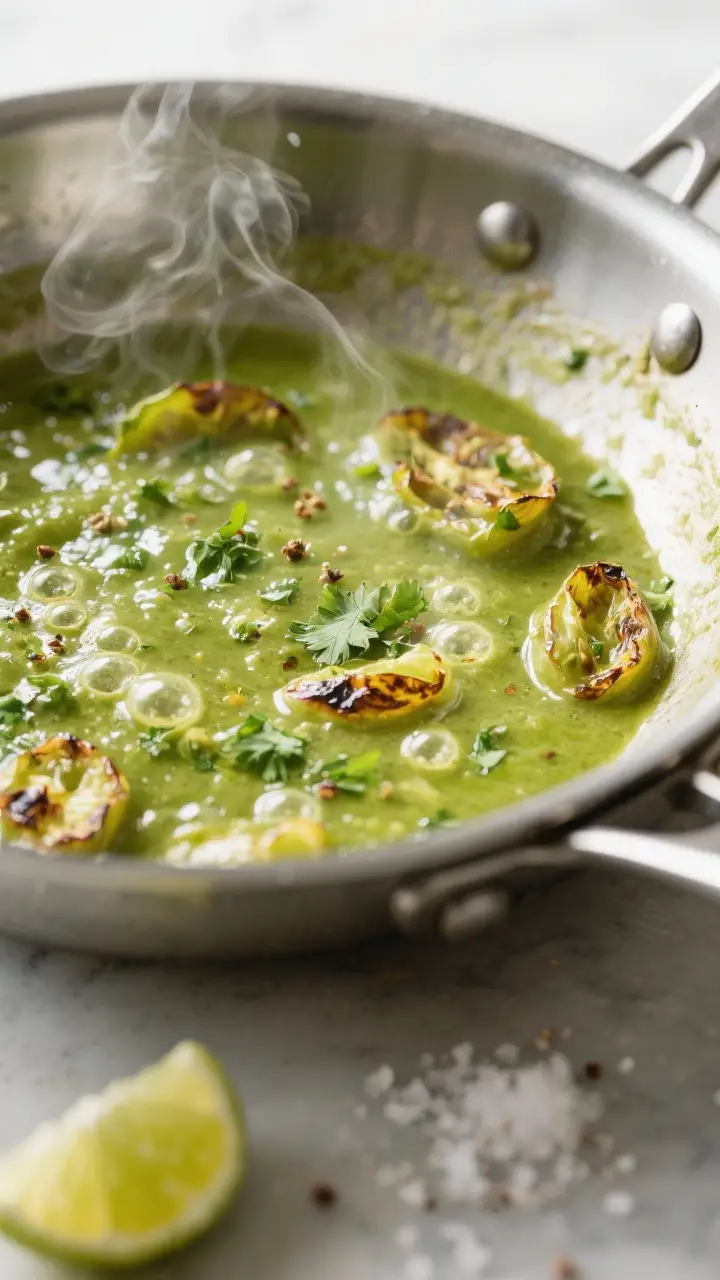
This sauce gets its punch from tomatillos, which bring a natural, citrusy tang you can’t fake. A quick roast deepens the flavor without losing freshness.
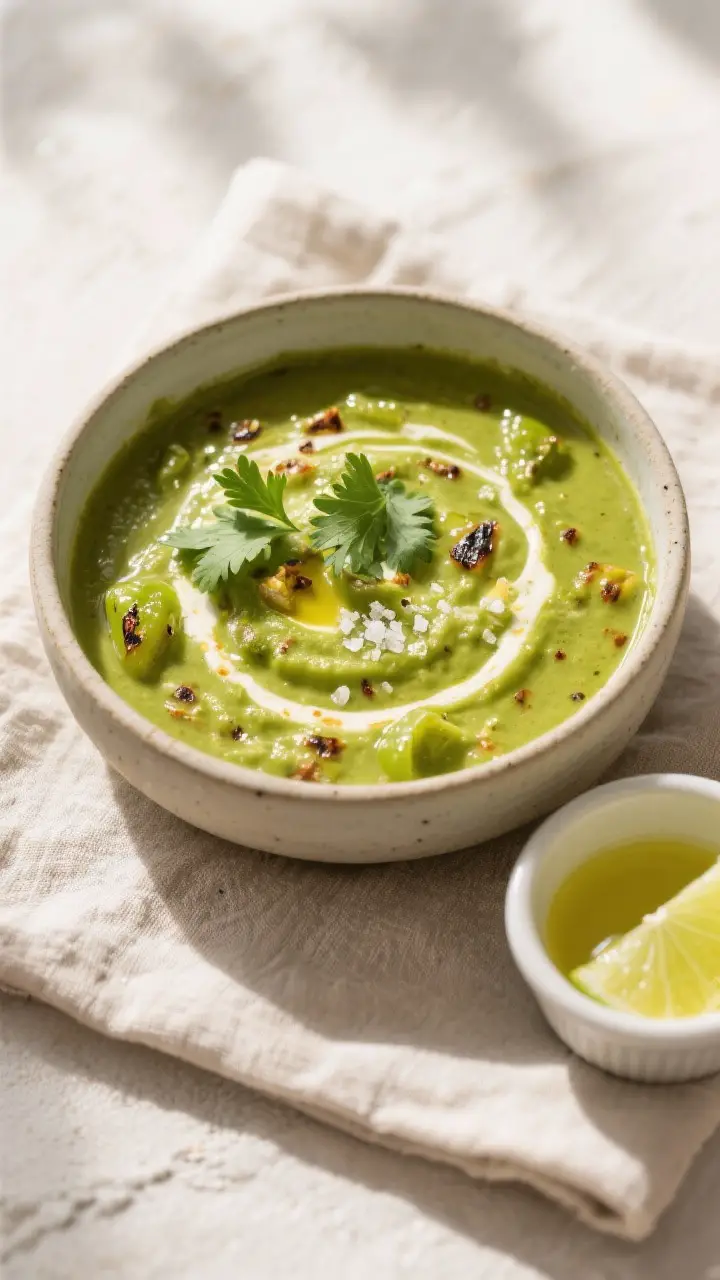
It’s also incredibly versatile—blend it smooth for a sleek finish or keep it a little chunky for rustic appeal. You control the spice, salt, and acidity, so it’s balanced exactly how you like it.
Unlike many store-bought options, this version uses real, fresh ingredients and no thickeners. It’s naturally gluten-free and can be made vegan.
And it freezes beautifully, so you can always have a jar ready for a fast weeknight meal.
Shopping List
- 1.5 pounds tomatillos, husked and rinsed
- 1–2 jalapeños or serrano chiles (serrano is spicier)
- 1 small white or yellow onion, quartered
- 3–4 garlic cloves, unpeeled
- 1/2 cup fresh cilantro (tender stems included)
- 1/2–1 cup low-sodium chicken broth or vegetable broth (or water)
- 1–2 tablespoons neutral oil (avocado or canola), plus more for roasting
- 1 teaspoon kosher salt, plus more to taste
- 1/2 teaspoon ground cumin (optional but recommended)
- 1 lime, juiced (start with half, add more to taste)
- Optional: a pinch of sugar if tomatillos are very tart
Instructions
- Prep the produce: Remove husks from tomatillos and rinse off the sticky residue. Pat dry. Halve larger tomatillos.
Leave chiles whole for milder sauce or slice in half and remove seeds for less heat.
- Roast for depth: Heat your oven to 450°F (230°C). On a sheet pan, toss tomatillos, onion, garlic (still in skins), and chiles with a light drizzle of oil and a pinch of salt. Roast 12–16 minutes, flipping once, until tomatillos blister and leak juices, edges char slightly, and garlic is soft.
- Peel and blend: Squeeze the roasted garlic from the skins.
Add roasted tomatillos, onion, chiles, garlic, cilantro, cumin, and 1/2 cup broth to a blender. Blend until smooth. If you like a thinner sauce, add more broth.
Taste and adjust salt.
- Simmer to marry flavors: Warm 1–2 tablespoons oil in a saucepan over medium heat. Pour in the blended sauce. It should sizzle.
Simmer 6–8 minutes, stirring occasionally, until slightly thickened and glossy.
- Balance the acidity: Stir in lime juice. Taste. Add more salt, more lime, or a tiny pinch of sugar if it’s too sharp.
The flavor should be bright but rounded.
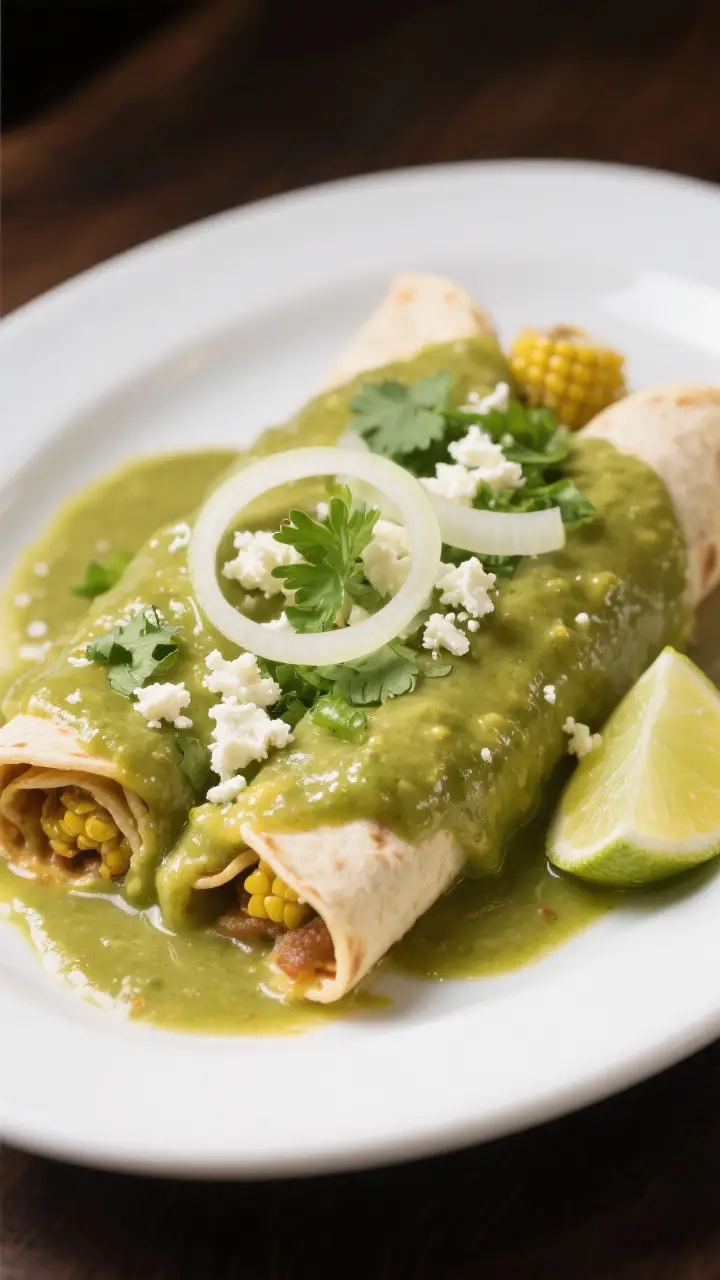
- Use or cool: Use right away for enchiladas, chilaquiles, or as a table sauce. Or let cool before storing.
How to Store
- Refrigerator: Store in an airtight jar up to 5–6 days. Keep a thin layer of oil on top if you want extra freshness insurance.
- Freezer: Freeze in containers or zip bags for up to 3 months.
Leave headspace for expansion. Thaw overnight in the fridge.
- Reheat: Warm gently on the stove. If it thickens in the fridge, loosen with a splash of broth or water.
Recheck salt and acid.
Health Benefits
- Vitamin C boost: Tomatillos and lime pack vitamin C, which supports immune health and helps with iron absorption.
- Low in calories: The sauce is light but flavorful, making it a smart way to add interest without heavy fats.
- Antioxidants and fiber: Tomatillos offer polyphenols and a little fiber; onions and garlic add prebiotics for gut health.
- Customizable sodium: You control the salt and can choose low-sodium broth to keep it heart-friendly.
- Naturally gluten-free and dairy-free: Works for many dietary preferences as-is.
Pitfalls to Watch Out For
- Skipping the roast: Raw blending works, but you’ll miss the sweetness and complexity that roasting brings.
- Over-thickening: Remember the sauce thickens as it simmers and cools. Add broth as needed to keep it pourable.
- Under-salting: Tomatillos are tart, which can hide under-seasoning. Taste at the end and adjust salt and lime.
- Too spicy or too mild: Start with 1 chile if unsure.
You can blend a roasted chile separately and stir it in to boost heat later.
- Metallic bitterness: Occasionally from underripe tomatillos. A pinch of sugar or extra roasting usually fixes it.
Variations You Can Try
- Smoky poblano: Swap one jalapeño for a roasted poblano. Adds warmth and a mild smoky note.
- Roasted green onion: Add a bunch of scallions to the sheet pan for savory sweetness and a deeper green hue.
- Creamy version: Stir in a splash of Mexican crema or coconut milk off the heat for a silky texture.
- Roasted cumin and coriander: Toast 1/2 teaspoon each in a dry pan before blending for a fragrant, earthy twist.
- Avocado salsa verde: Blend in half a ripe avocado at the end for a thicker, creamy salsa that’s great on tacos.
- No-cook fresh salsa verde: Skip roasting, blend raw tomatillos, onion, chiles, garlic, cilantro, and lime.
Brighter, sharper, great as a dip.
FAQ
Can I use canned tomatillos?
Yes. Drain them well and roast briefly to dry and caramelize the surface, or skip roasting and go straight to blending. Fresh will taste brighter, but canned works in a pinch.
What’s the difference between jalapeño and serrano here?
Jalapeños are milder and slightly grassy.
Serranos are smaller, hotter, and cleaner-tasting. Use jalapeño for gentle heat, serrano for more kick.
Do I need to peel tomatillos?
You only remove the papery husks and rinse off the sticky film. The thin skin on the fruit stays on and blends smooth after roasting.
How do I keep it from turning brown?
Acid prevents oxidation.
Lime juice helps, as does storing the sauce in a sealed container with minimal air space. A thin layer of oil on top can also protect the color.
Can I skip the simmer step?
You can, especially if serving as a fresh salsa. For enchiladas, simmering concentrates flavor, rounds the acidity, and improves texture, so it’s worth the extra minutes.
What if my sauce is too sour?
Balance with a pinch of sugar or a splash of broth to dilute.
A brief simmer can also mellow sharpness. Always recheck salt after adjustments.
Is this sauce freezer-friendly?
Absolutely. Freeze in portions, thaw in the fridge, then reheat gently.
Add a splash of broth to restore a silky consistency.
How spicy should enchilada sauce be?
It’s personal. Traditional salsa verde ranges from mild to fairly hot. Start mild, then add heat incrementally so it suits your crowd.
Wrapping Up
Homemade green enchilada sauce is simple, fresh, and endlessly useful.
With roasted tomatillos, a few aromatics, and a quick simmer, you get a sauce that tastes bright and authentic. Make a double batch, freeze some, and you’re set for fast enchiladas, breakfast chilaquiles, or a lively topping for grilled chicken or veggies. Once you try it, the jarred stuff won’t call your name as often.
Printable Recipe Card
Want just the essential recipe details without scrolling through the article? Get our printable recipe card with just the ingredients and instructions.