
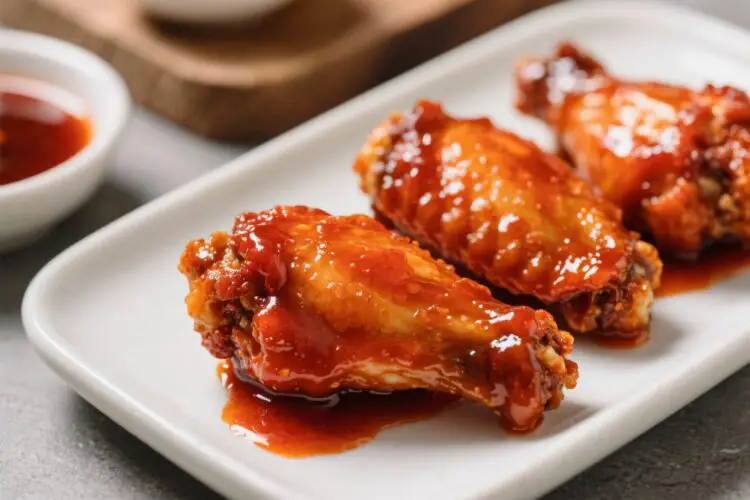
If you love wings that are sweet, spicy, and seriously addictive, this glaze has your name on it. Gochujang brings a deep, savory heat that tastes different from any other hot sauce—rich, slightly smoky, and full of umami. Paired with honey, soy, and a touch of citrus, you get a sticky glaze that clings to every inch of those crispy wings.
It’s just as great for game day as it is for a quick weeknight treat. Make a batch once, and you’ll keep it on repeat.
What Makes This Recipe So Good
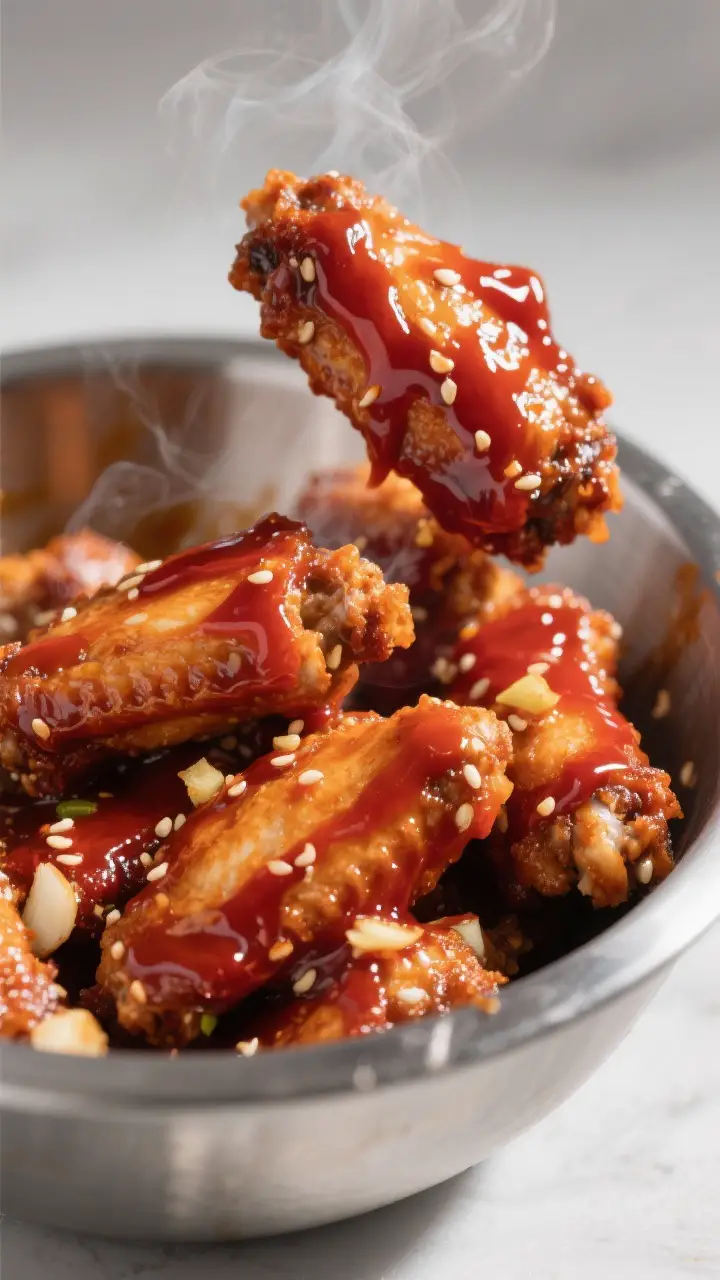
- Balanced flavor: Sweet, spicy, salty, and tangy all work together, so every bite hits just right.
- Restaurant-quality texture: The glaze simmers down to a glossy, sticky finish that coats wings perfectly.
- Fast and flexible: It comes together in minutes and works on baked, fried, or air-fried wings.
- Pantry-friendly: Most ingredients are shelf-stable, and gochujang lasts a long time in the fridge.
- Custom heat: You control the spice level—turn it up or down without losing flavor.
Shopping List
- Gochujang (Korean chili paste) – the star ingredient
- Honey (or brown sugar)
- Soy sauce (regular or low-sodium)
- Rice vinegar (or apple cider vinegar)
- Toasted sesame oil
- Fresh garlic
- Fresh ginger (or ground ginger in a pinch)
- Unsalted butter
- Orange juice or lime juice (fresh is best)
- Water
- Cornstarch (optional, for extra-thick glaze)
- Red pepper flakes or gochugaru (optional, for more heat)
- Sesame seeds (for garnish)
- Scallions (thinly sliced, for garnish)
- Your favorite cooked wings (baked, fried, or air-fried)
How to Make It
- Prep aromatics: Mince 2–3 cloves of garlic and grate 1 teaspoon of fresh ginger. If using ground ginger, measure 1/2 teaspoon.
- Combine the base: In a small saucepan, add 3 tablespoons gochujang, 3 tablespoons honey, 2 tablespoons soy sauce, 1 tablespoon rice vinegar, 1 teaspoon toasted sesame oil, 2 tablespoons orange or lime juice, and 2 tablespoons water.
- Add aromatics: Stir in the garlic and ginger.
If you want extra heat, sprinkle in a pinch of red pepper flakes or gochugaru.
- Simmer gently: Place the pan over medium-low heat. Stir often and cook for 3–5 minutes until the mixture looks glossy and slightly thick. Don’t let it boil hard—gentle heat keeps the flavors smooth.
- Finish with butter: Turn off the heat and whisk in 1 tablespoon of unsalted butter until fully melted.
This rounds out the spice and adds a silky finish.
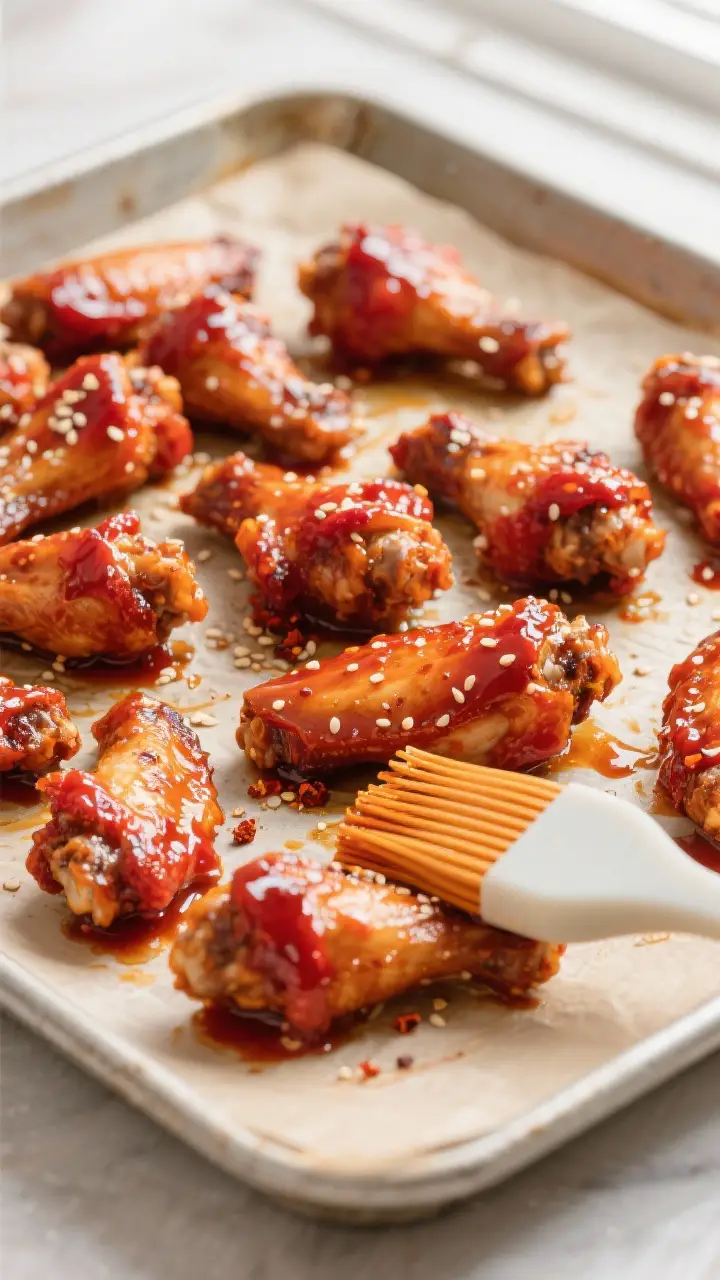
- Adjust thickness (optional): For a thicker glaze, whisk 1/2 teaspoon cornstarch with 1 teaspoon cold water. Bring the glaze back to a gentle simmer and whisk in the slurry. Cook 30–60 seconds until thickened.
- Taste and tweak: Need more sweetness?
Add a touch more honey. More brightness? A squeeze of citrus.
More salt? A splash of soy. Keep it balanced.
- Toss the wings: Place hot, cooked wings in a large bowl.
Pour the glaze over and toss until every wing is coated and shiny.
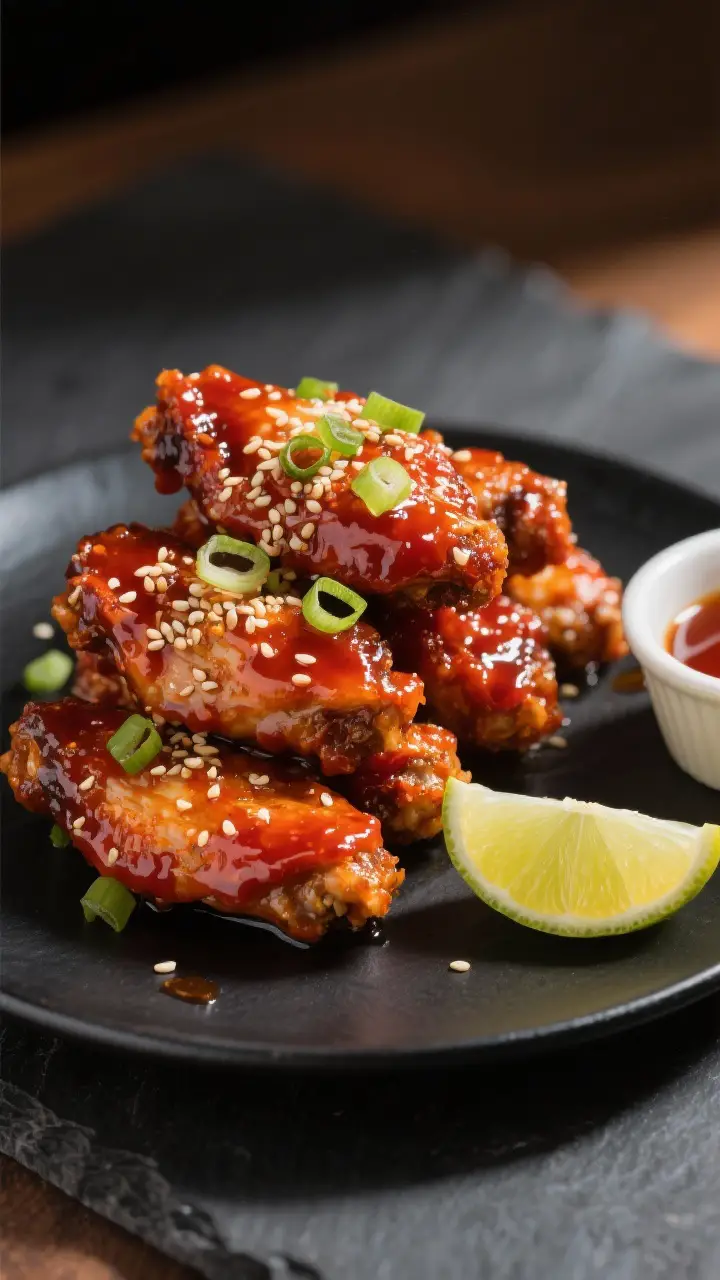
- Garnish and serve: Sprinkle with sesame seeds and sliced scallions. Serve immediately while sticky and warm.
Storage Instructions
- Glaze only: Store cooled glaze in an airtight jar in the fridge for up to 1 week. Reheat gently on the stove with a splash of water if too thick.
- Sauced wings: Keep leftovers in a sealed container for up to 3 days.
Reheat in a 350°F (175°C) oven or air fryer to restore crisp edges.
- Freezing: The glaze freezes well. Spoon into a freezer-safe container and freeze up to 3 months. Thaw overnight in the fridge and whisk before using.
Why This is Good for You
- Umami without overload: Gochujang gives big flavor, so you can use less sugar and salt overall.
- Ginger and garlic benefits: They bring antioxidants and a fresh, bright taste that makes fried foods feel lighter.
- Control your ingredients: You’re skipping preservatives and dialing in the sweetness and sodium to your liking.
- Protein partner: Paired with wings—or even grilled chicken thighs—this glaze turns a simple protein into a satisfying meal.
Pitfalls to Watch Out For
- Overheating the glaze: Boiling too hard can scorch gochujang and make the sauce bitter.
Keep it at a gentle simmer.
- Too thick, too soon: The glaze thickens as it cools. If it looks perfect in the pot, it may be overly sticky later. Aim for a pourable consistency.
- Skipping balance: Gochujang is savory and spicy; it needs sweetness and acid.
Don’t skip the honey or citrus.
- Soggy wings: Glaze wings when they’re hot and crisp, right before serving. Tossing too early softens the crust.
- Salt creep: Different soy sauces vary in saltiness. Taste before adding extra salt or soy.
Variations You Can Try
- Garlic-Forward: Double the garlic and add a small knob of butter at the end for a rich, garlicky finish.
- Citrus Kick: Swap orange juice for yuzu or add extra lime zest for brighter, tangier notes.
- Smoky Sweet: Stir in 1 teaspoon smoked paprika and use brown sugar instead of honey.
- Extra Hot: Add gochugaru or a dash of your favorite hot sauce to the simmering glaze.
- Sticky Sesame: Whisk in 1 tablespoon tahini while the glaze is warm and finish with toasted sesame seeds.
- No-Butter Version: Replace butter with 1 teaspoon neutral oil or skip entirely for a cleaner, sharper taste.
- Vegetarian and Tofu-Friendly: Use the glaze on crispy tofu, cauliflower bites, or grilled mushrooms.
FAQ
What is gochujang, exactly?
Gochujang is a Korean chili paste made from red chili, fermented soybeans, rice, and salt.
It’s thick, savory, slightly sweet, and brings deep umami along with manageable heat. You’ll find it in tubs or squeeze bottles in most grocery stores or Asian markets.
How spicy is this glaze?
It’s a medium heat by default. You can reduce the gochujang slightly and add more honey for a milder sauce, or increase gochujang and add red pepper flakes for a hotter version.
Can I make it gluten-free?
Yes.
Use gluten-free tamari or coconut aminos in place of soy sauce, and make sure your gochujang is labeled gluten-free, as some brands include wheat.
What if I don’t have rice vinegar?
Use apple cider vinegar or a mix of white vinegar and a bit of orange juice. Start with less and add to taste, since some vinegars are sharper.
Do I need cornstarch?
Not necessarily. The glaze thickens as it simmers and cools.
Cornstarch is helpful if you want a super-glossy, clingy sauce quickly or if you plan to brush it on grilled wings.
Can I use this on other proteins?
Absolutely. It’s great on grilled chicken thighs, pork chops, salmon, shrimp, or tofu. Brush during the last few minutes of cooking and finish with a final toss or drizzle.
How do I keep wings crispy after saucing?
Toss quickly with hot glaze and serve right away.
If they sit, re-crisp in a hot oven or air fryer for a few minutes, then add a touch more glaze before serving.
Is there a good substitute for honey?
Brown sugar or maple syrup both work well. Brown sugar gives a deeper, molasses vibe; maple adds a lighter, aromatic sweetness.
Wrapping Up
Gochujang Spicy Wing Glaze is that perfect mix of sweet heat and glossy, sticky goodness. It’s easy to make, endlessly adaptable, and guaranteed to wake up any plate of wings.
Keep a jar in your fridge for last-minute dinners, weekend snacks, or whenever you’re craving bold flavor. Once you’ve tried it, plain wings won’t cut it anymore.
Printable Recipe Card
Want just the essential recipe details without scrolling through the article? Get our printable recipe card with just the ingredients and instructions.