
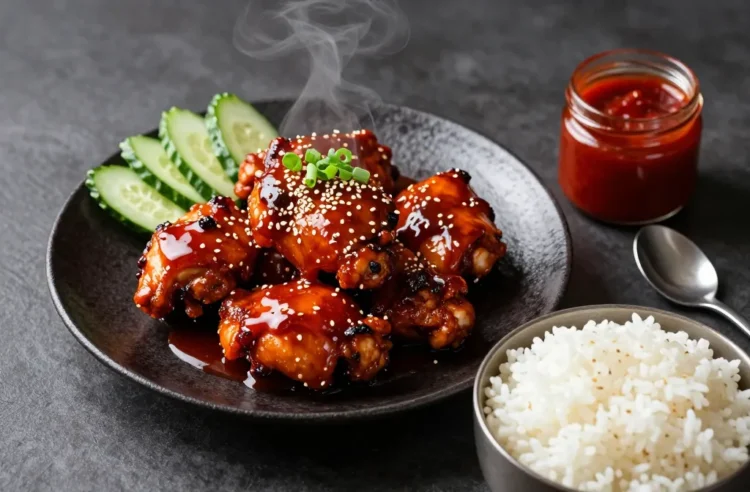
Gochujang chicken doesn’t whisper; it sings. One bite and you get smoky heat, deep savoriness, a touch of sweetness, and that sticky gloss that clings to your fingers in the best way. It’s weeknight-friendly but feels like a small victory on a plate. Want a dish that makes rice vanish and vegetables suddenly seem exciting? This is it.
What Makes Gochujang Chicken So Addictive?
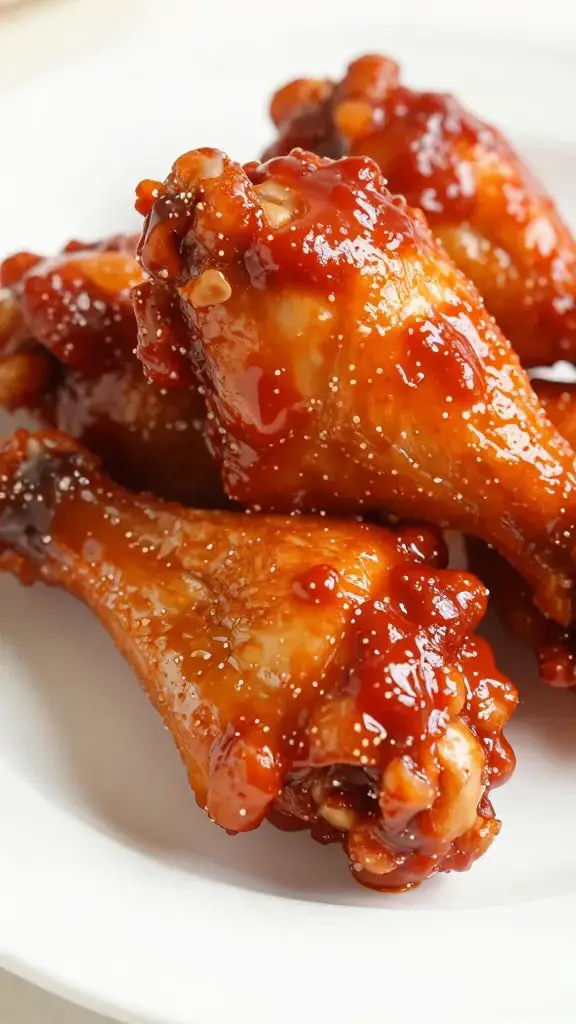
Gochujang does the heavy lifting. It’s a Korean fermented chili paste that brings heat, umami, and sweetness in one tidy spoonful. No single ingredient cheats like that, and I respect it.
The sauce hits that perfect sticky-sweet-spicy balance. It caramelizes on the chicken and turns dinner into a “wait, who made this?” moment. FYI, you can dial the spice up or down without losing the soul of the dish.
Meet Gochujang: Your Flavor MVP
Think of gochujang as the golden retriever of condiments: loyal, friendly, and good with almost everything. It’s:
- Fermented – which packs deep, funky complexity
- Balanced – chili heat + sweetness from rice + savory backbone
- Versatile – marinades, sauces, soups, even dressings
The Sauce Blueprint (So You Don’t Wing It)
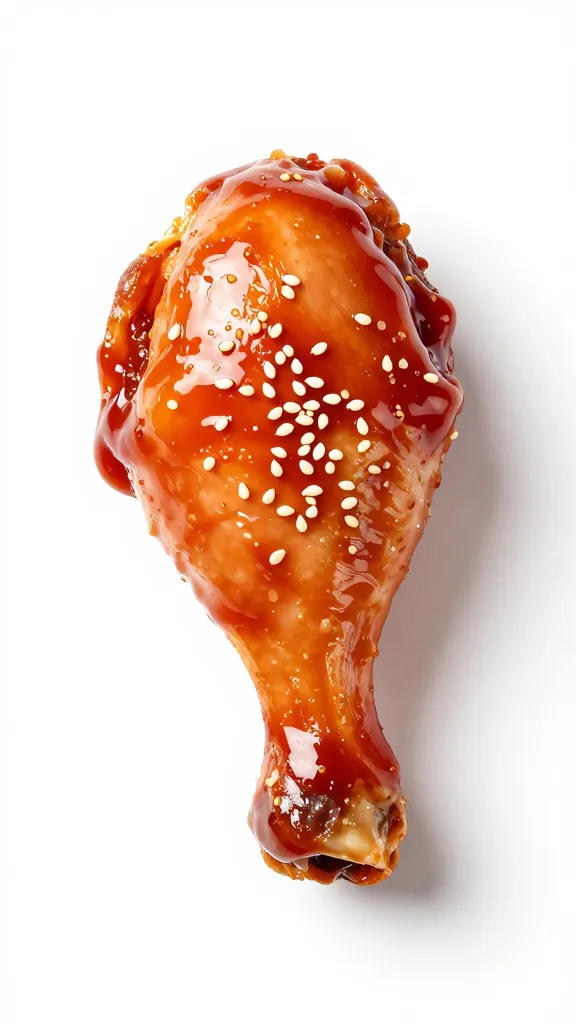
You can toss random stuff in a bowl and hope for magic, or you can use a simple formula. IMO, structure helps:
- Gochujang – the base, 2-3 tablespoons
- Soy sauce – salty depth, 1-2 tablespoons
- Sweetness – honey or brown sugar, 1-2 tablespoons
- Aromatics – garlic and ginger, fresh and generous
- Acid – rice vinegar or lime, 1 tablespoon to brighten
- Body – sesame oil, a teaspoon or two for silkiness
- Optional heat – gochugaru or chili flakes if you want fireworks
Whisk it until smooth. Taste. Adjust. You’re the boss.
Flavor Tweaks for Your Mood
– Want sweeter? Add a splash of pineapple juice or more honey.
– Want smokier? A dash of smoked paprika sneaks in like a ninja.
– Want tang? Up the vinegar or finish with a squeeze of lime.
Choose Your Chicken (and How to Cook It)
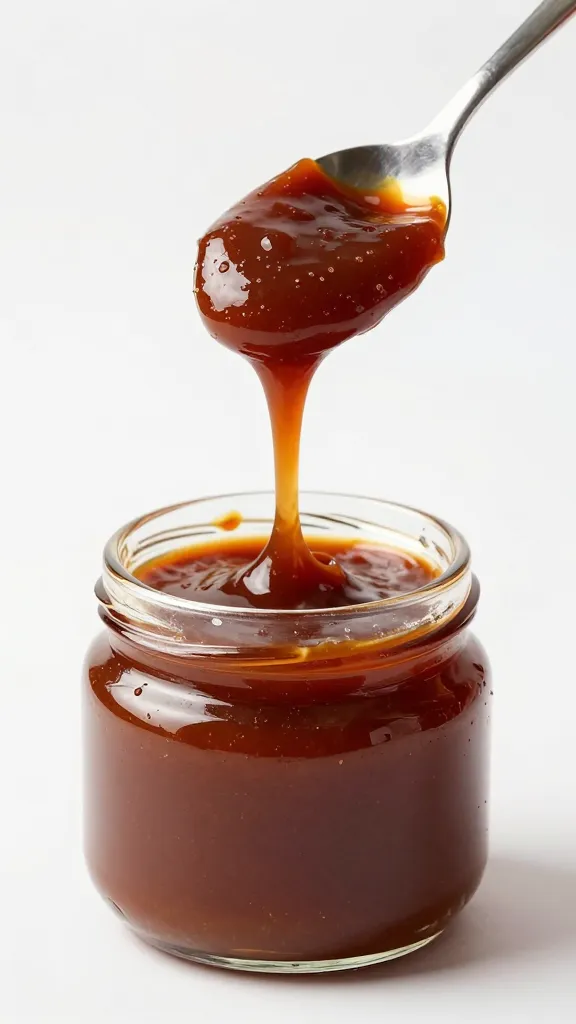
You can use thighs, breasts, wings, or even tofu if you’re feeling rebellious. The cooking method changes the vibe, but the sauce stays the star.
- Boneless thighs – juicy, forgiving, borderline impossible to mess up
- Breasts – lean, slice them thin for speed and saucy coverage
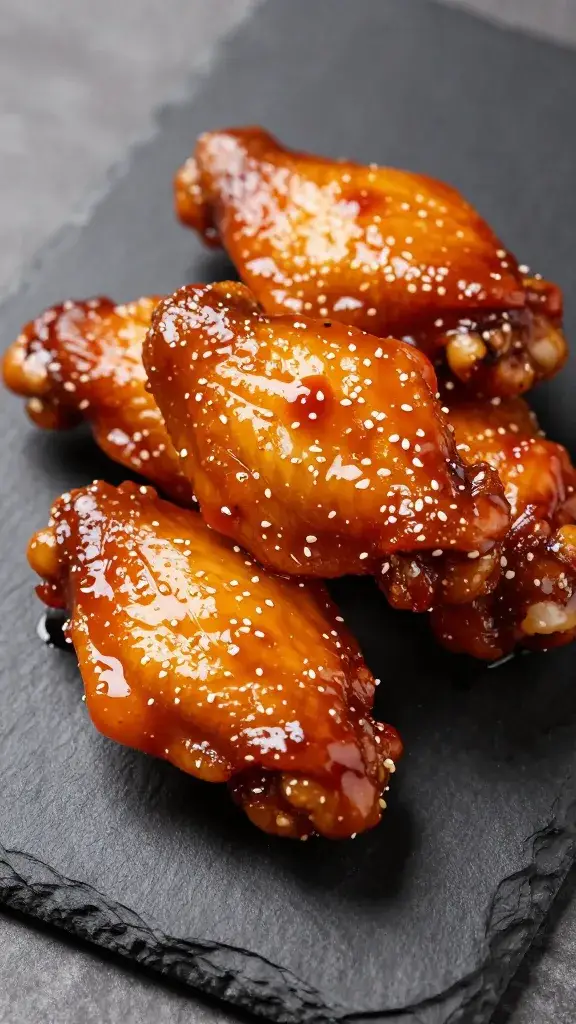
- Wings – party food energy, sticky and glorious
- Tofu or cauliflower – legit delicious with the same sauce, FYI
Three Legit Ways to Cook It
1) Skillet sear
– Marinate 20-30 minutes (or don’t, I won’t tell).
– Sear chicken in a bit of oil until browned.
– Add sauce, simmer until glossy and thick, 2-4 minutes.
– Finish with sesame seeds and scallions.
2) Oven-baked
– Roast at 425°F (220°C) until almost done.
– Brush with sauce and return for 5-8 minutes to caramelize.
– Great for wings and thighs when you need hands-off time.
3) Grilled
– Oil the grates, then cook over medium-high heat.
– Sauce goes on in the last few minutes to avoid flare-ups.
– Smoky char + sweet heat? Yes please.
Sidekicks That Make It a Meal
Don’t let the chicken party alone. These sides love gochujang:
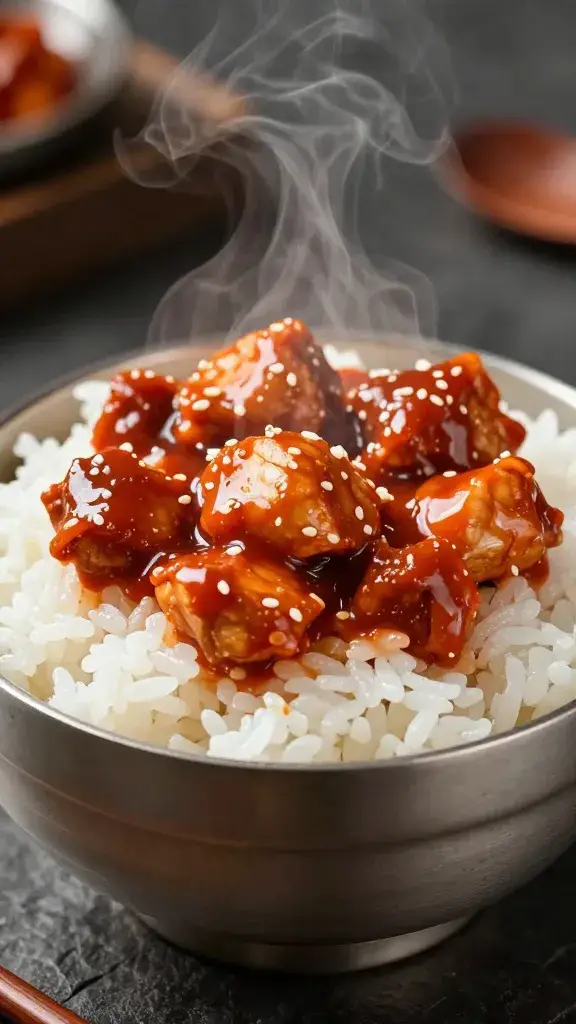
- Rice – jasmine, short-grain, or even coconut rice for a subtle sweet counterpoint
- Quick pickles – cucumbers with rice vinegar, sugar, and salt
- Kimchi – crunchy, funky, and the ultimate wingman
- Greens – sautéed spinach, bok choy, or a crisp salad with sesame dressing
- Roasted veg – carrots, broccoli, or sweet potatoes for earthy sweetness
Toppings That Earn Their Keep
– Thinly sliced scallions
– Toasted sesame seeds
– A drizzle of sesame oil
– Lime wedges for extra zip
– Chopped peanuts or cashews for crunch (non-traditional but delicious)
Meal Prep Without the Meh
You want leftovers that don’t taste like regret? Try this:
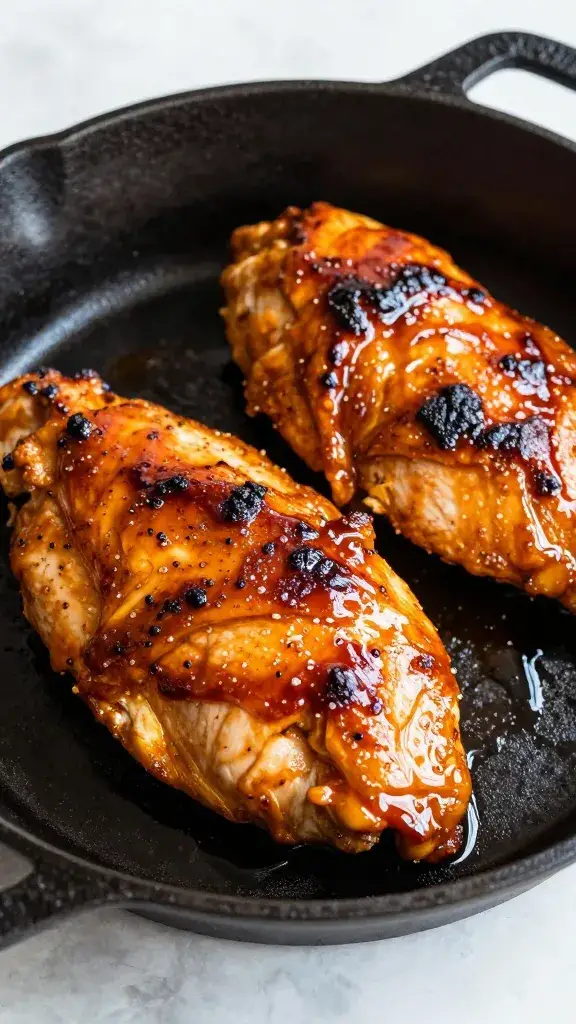
- Marinate ahead – up to 24 hours in the fridge
- Cook a big batch – the sauce scales like a champ
- Store smart – keep extra sauce separate to refresh reheated chicken
- Reheat gently – low heat in a skillet with a splash of water to re-gloss the sauce
Cook once, eat twice. Maybe thrice if you show restraint. Which, let’s be real, might not happen.
Common Pitfalls (And How to Dodge Them)
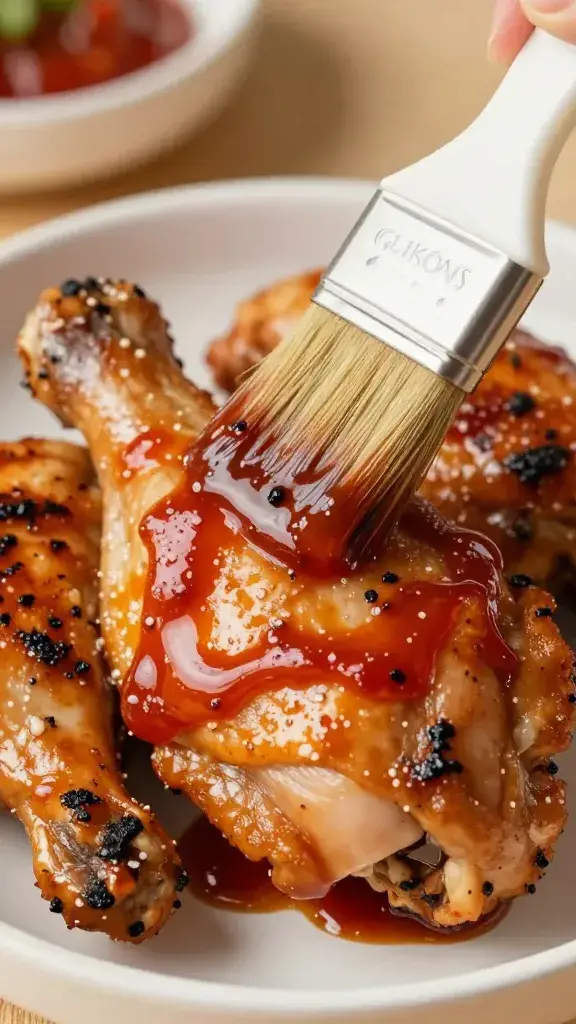
– Burning the sauce: Sugars caramelize fast. Add sauce near the end and keep heat medium.
– Dry chicken: Don’t overcook. Thighs forgive, breasts don’t. Use a thermometer if you must.
– Flat flavor: Add acid at the end. A squeeze of lime rescues everything like a tiny citrus superhero.
– Too spicy: Stir in honey or a spoonful of mayo/yogurt on the side. Balance beats bravado, IMO.
Quick Start: A No-Fuss Recipe You’ll Actually Make
Serves 3-4. Weeknight chaos approved.
Ingredients
– 1.5 lb boneless, skinless chicken thighs, cut into bite-size pieces
– 2.5 tbsp gochujang
– 1.5 tbsp soy sauce
– 1.5 tbsp honey or brown sugar
– 2 tsp rice vinegar
– 2 cloves garlic, minced
– 1 tsp grated ginger
– 1 tsp sesame oil
– 1-2 tbsp water (to loosen sauce)
– Neutral oil for cooking
– Sesame seeds and scallions, for finishing
Steps
1) Stir together gochujang, soy, honey, vinegar, garlic, ginger, sesame oil, and water until smooth. Taste and tweak.
2) Toss chicken with half the sauce and marinate 20-30 minutes (or as long as your hunger allows).
3) Heat a skillet over medium-high, add a slick of oil, and brown the chicken in a single layer. Don’t crowd it.
4) Lower heat to medium, add remaining sauce, and toss until the chicken glazes and sauce thickens, 2-4 minutes.
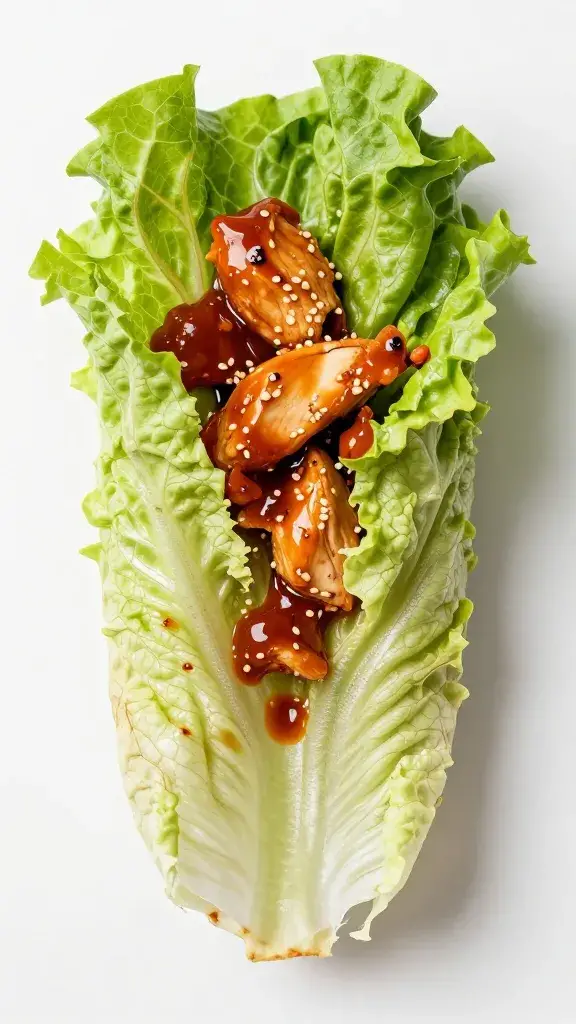
5) Shower with sesame seeds and scallions. Serve with rice and something crunchy.
FAQ
How spicy is gochujang chicken?
It’s medium by default: warm, not ruin-your-day hot. You control the level by adjusting the gochujang and adding honey or extra vinegar. If you’re nervous, start with 1 tablespoon and build from there.
Can I make it gluten-free?
Yes. Use a gluten-free soy sauce or tamari, and double-check your gochujang label, since some brands include wheat. Everything else stays the same, including the deliciousness.
What protein swaps work well?
Shrimp, tofu, and cauliflower all shine. Shrimp cooks in minutes; tofu loves a cornstarch dusting for crispy edges; cauliflower roasts like a champ and soaks up the sauce. Same sauce, different mood.
Do I need to marinate the chicken?
Nope, but it helps. Even 15 minutes gives you better flavor and juicier bites. In a rush? Cook the chicken and let the sauce reduce right in the pan—it still slaps.
How do I stop the sauce from getting too thick?
Keep a splash of water or stock nearby. If it tightens up, stir in a tablespoon and keep it moving. You want glossy and clingy, not cement.
What do I do with leftover gochujang?
Stir it into mayo for a killer sandwich spread, whisk it into dressings, or add a spoonful to soups and stews for instant depth. It lasts ages in the fridge, tightly sealed.
Conclusion
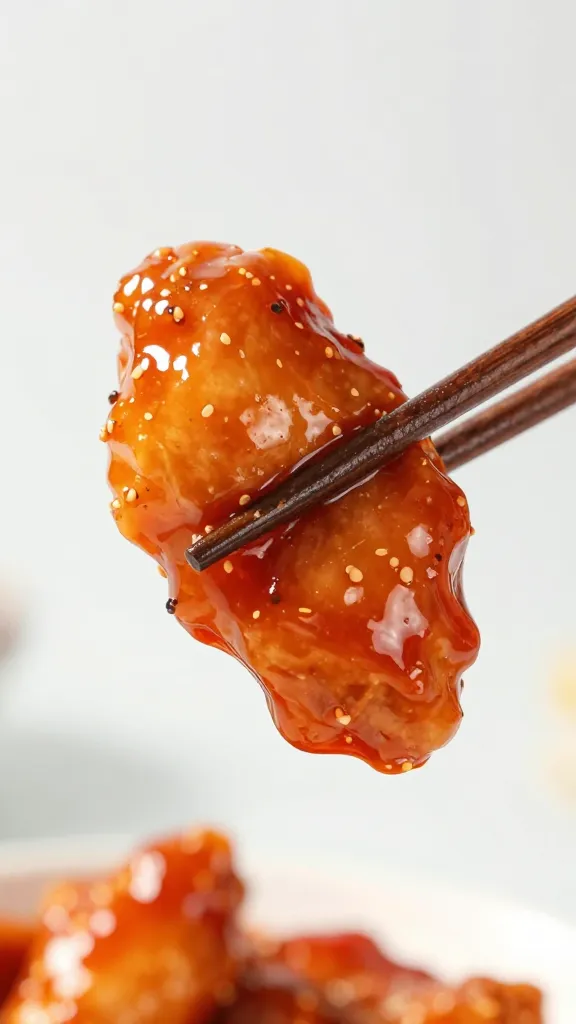
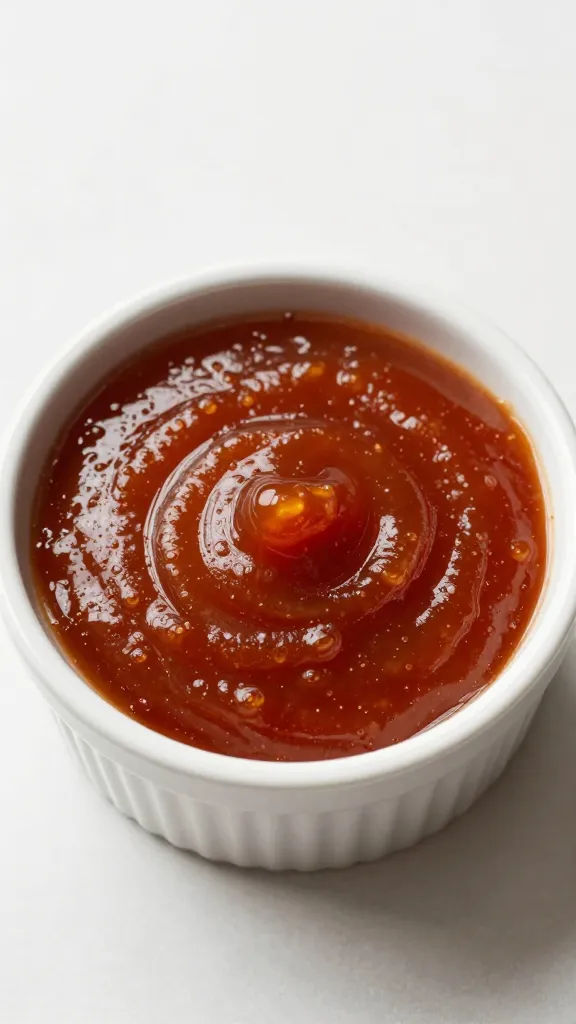
Gochujang chicken hits that sweet spot between comfort food and “wow, I cooked this?” energy. It’s saucy, sticky, and ridiculously satisfying without demanding a culinary degree. Keep a tub of gochujang in your fridge, and you’ve basically unlocked a cheat code for weeknight greatness. Now go make a batch—and maybe some extra rice, because you’ll need it.
Printable Recipe Card
Want just the essential recipe details without scrolling through the article? Get our printable recipe card with just the ingredients and instructions.