
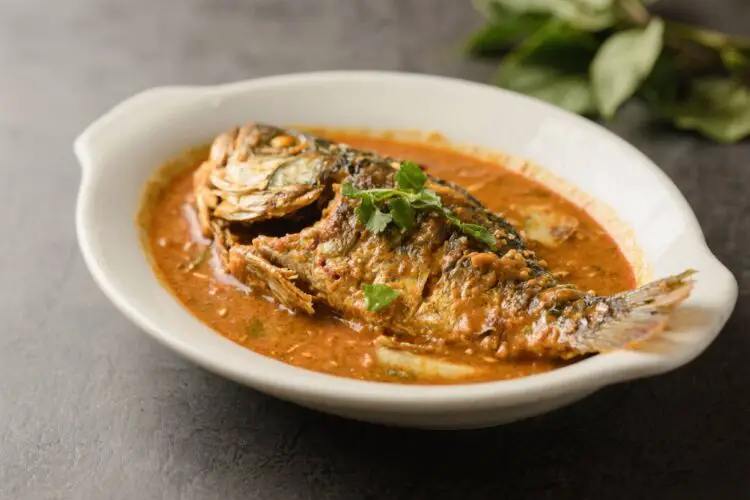
Goan Fish Curry is one of those dishes that instantly lifts your mood: creamy coconut, a gentle heat, and that signature tang from tamarind. It’s the kind of curry that tastes like sunshine—bold but balanced, rich but still fresh. If you’re new to Goan cooking, this is a great place to start.
The method is simple, the ingredients are honest, and the payoff is big. Serve it with steamed rice and a squeeze of lime, and you’ve got a cozy, satisfying meal with minimal fuss.
What Makes This Special
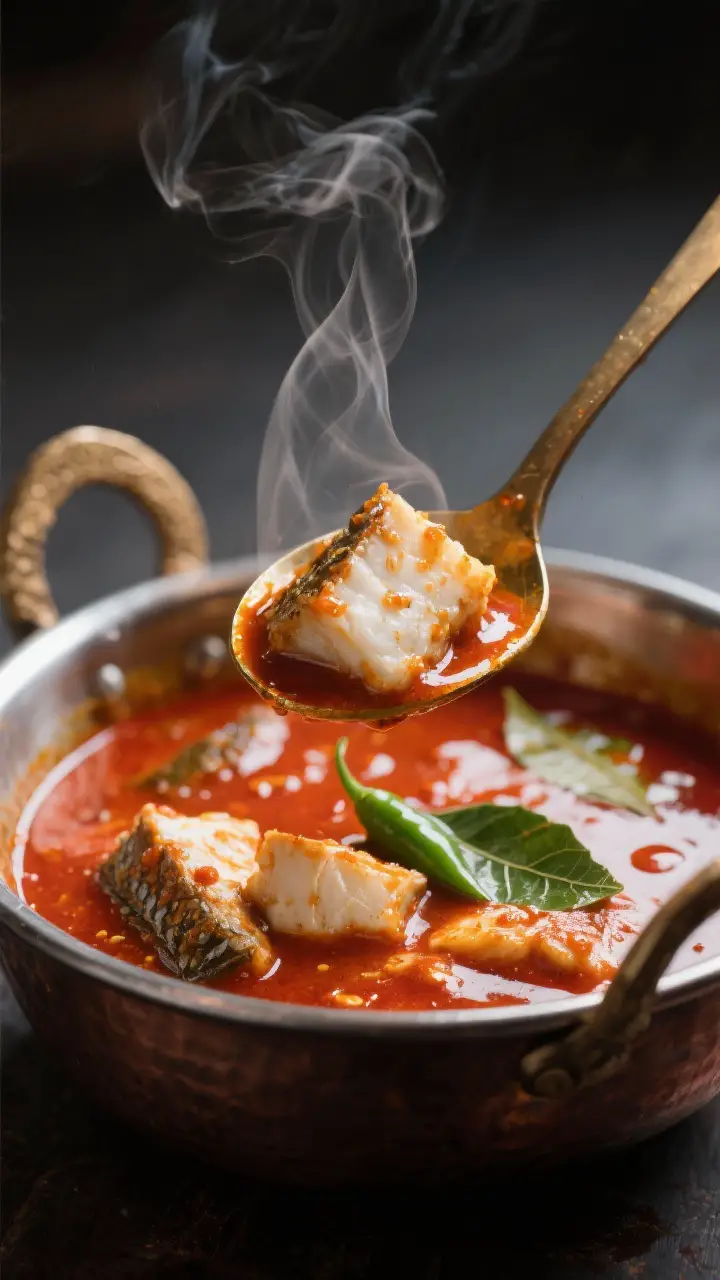
The soul of this curry lies in its spice paste (or masala) made with grated coconut, Kashmiri chilies, and aromatics. Kashmiri chilies bring a bright red color and a mild heat, so the curry is flavorful without being overwhelming.
Tamarind adds a gentle sour note that cuts through the creaminess, giving the dish its classic Goan balance. You can use almost any firm white fish, making it budget-friendly and flexible. Best of all, it comes together quickly, so it’s perfect for weeknights.
Shopping List
- Fish (500–700 g): Firm white fish like cod, tilapia, seabass, snapper, or kingfish steaks.
- Freshly grated coconut or unsweetened desiccated coconut (1 cup): Fresh gives the best texture, but desiccated works.
- Kashmiri red chilies (6–8, dried) or 2–3 tbsp Kashmiri chili powder for color and mild heat.
- Tamarind pulp (2–3 tbsp) or a small ball of tamarind soaked in warm water and strained.
- Onion (1 medium), sliced.
- Garlic (4–5 cloves) and ginger (1-inch piece).
- Coriander seeds (1.5 tsp) and cumin seeds (1 tsp).
- Turmeric powder (1/2 tsp).
- Black pepper (1/2 tsp, optional).
- Coconut oil (2–3 tbsp) or a neutral oil.
- Curry leaves (8–10, optional) for aroma.
- Green chilies (1–2, slit, optional) if you want extra heat.
- Salt to taste.
- Water as needed to adjust consistency.
- Lime wedges and fresh cilantro for serving (optional).
Instructions
- Prep the tamarind. If using whole tamarind, soak a small lemon-sized ball in 1/2 cup warm water for 10 minutes, then press and strain to remove fibers.
Set aside the thick tamarind water.
- Toast the spices. In a dry pan, lightly toast coriander seeds and cumin seeds for 1–2 minutes until fragrant. Remove and cool.
- Soften the chilies. If using whole dried Kashmiri chilies, remove stems and seeds, then soak in hot water for 10 minutes to soften. Drain before grinding.
- Make the coconut masala. In a blender, add coconut, soaked chilies (or chili powder), toasted coriander and cumin, garlic, ginger, turmeric, and a splash of water.
Blend to a smooth, thick paste. Add more water as needed, but keep it fairly thick at this stage.
- Season the fish. Cut fish into medium chunks. Sprinkle lightly with salt and a pinch of turmeric.
Set aside while you start the curry.
- Sauté the aromatics. Heat coconut oil in a pot over medium heat. Add sliced onion and curry leaves. Sauté until the onion turns soft and translucent.
- Cook the masala. Add the coconut paste to the pot.
Stir frequently and cook for 3–4 minutes until the raw smell fades and the oil begins to separate slightly.
- Add tamarind and water. Stir in the tamarind water and 1–1.5 cups of water. Bring to a gentle simmer. You’re aiming for a pourable but not watery gravy.
Adjust with more water if needed.
- Simmer the fish. Slide in the fish pieces and reduce heat to low. Cover and cook for 6–8 minutes, depending on thickness, until the fish is opaque and flakes easily. Avoid stirring too much to prevent breaking the fish; gently swirl the pot instead.
- Adjust seasoning. Taste and add salt, more tamarind for tang, or a pinch of sugar if the tamarind is very sharp.
Add slit green chilies now if you want extra heat and simmer 1 minute more.
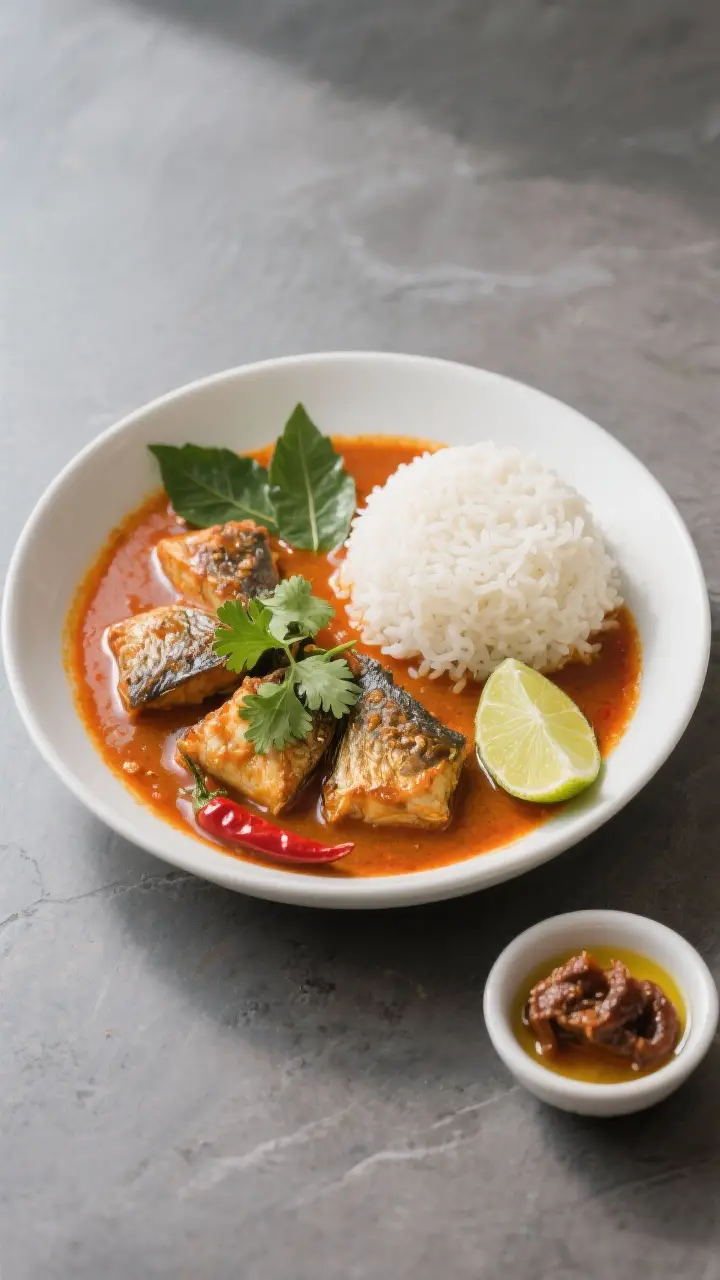
- Rest and serve. Turn off heat and let the curry rest for 5 minutes to settle. Garnish with cilantro if you like. Serve hot with steamed rice, red rice, or warm chapatis, plus lime on the side.
Storage Instructions
- Refrigerator: Store cooled curry in an airtight container for up to 2 days.
Reheat gently on the stove; avoid boiling hard to keep the fish intact.
- Freezer: Fish can toughen after freezing, but the sauce freezes well. If you must freeze, do so without the fish and add fresh-cooked fish when reheating the sauce.
- Make-ahead tip: The coconut masala can be blended 2–3 days ahead and kept refrigerated, or frozen in portions for quick meals.
Health Benefits
- Protein-rich: Fish provides lean protein that supports muscle health and keeps you full.
- Omega-3 fats: Fatty fish like mackerel or kingfish add heart-healthy omega-3s, which support brain and cardiovascular health.
- Anti-inflammatory spices: Turmeric, ginger, and garlic offer antioxidant and anti-inflammatory benefits.
- Lower dairy load: Coconut milk or grated coconut gives creaminess without dairy, making the dish friendly for lactose-sensitive eaters.
- Balanced meal: Pairing the curry with rice and a simple salad creates a satisfying mix of carbs, protein, and healthy fats.
Pitfalls to Watch Out For
- Overcooking the fish: Fish cooks quickly. Once opaque and flaky, turn off the heat to avoid tough or dry pieces.
- Too much water: The curry should be creamy, not thin.
Add water gradually and simmer to the right consistency.
- Raw spice taste: Cook the coconut masala a few minutes before adding water to remove the raw edge.
- Harsh sourness: Tamarind strength varies. Start with less, taste, then add more as needed.
- Using very delicate fish: Soft fillets can break apart. Choose firmer fish or keep pieces larger and stir minimally.
Recipe Variations
- Mangalorean twist: Add a small piece of roasted onion and a few fenugreek seeds to the masala for a different coastal note.
- Coconut milk version: Replace part of the water with 1 cup thin coconut milk for a silkier texture.
Simmer gently to prevent splitting.
- Vegetable add-ins: Okra or eggplant can be added to the curry; simmer them until just tender before adding fish.
- Toddler-friendly: Reduce chilies to half, use extra coconut, and finish with a tiny pinch of sugar to balance the tang.
- No tamarind: Use kokum (2–3 petals) soaked in warm water, or a mix of lime juice and a little vinegar added at the end.
- Grilled fish finish: Lightly grill or pan-sear the fish first, then simmer briefly in the curry for a firmer texture and a smoky hint.
FAQ
What fish works best for Goan Fish Curry?
Firm, meaty fish like kingfish, snapper, seabass, or cod hold up well in the sauce. Avoid very delicate fish that may flake apart easily. If using frozen fish, thaw fully and pat dry before cooking.
How spicy is this curry?
Kashmiri chilies give more color than heat, so the curry is typically mild to medium.
To make it spicier, add green chilies or a pinch of hot chili powder. For milder heat, reduce the chilies and add more coconut.
Can I use desiccated coconut instead of fresh?
Yes. Soak desiccated coconut in warm water for 10 minutes to soften, then blend.
The texture will be slightly different, but it still tastes great.
Is there a substitute for tamarind?
You can use kokum or a mix of lime juice and a splash of white vinegar. Start small and adjust to taste, as these substitutes can be sharper than tamarind.
How do I prevent the curry from splitting?
Keep the heat moderate and avoid rapid boiling after adding the masala and liquids. If using coconut milk, simmer gently and add towards the end to keep it smooth.
What can I serve with Goan Fish Curry?
Steamed white rice or Goan red rice is traditional.
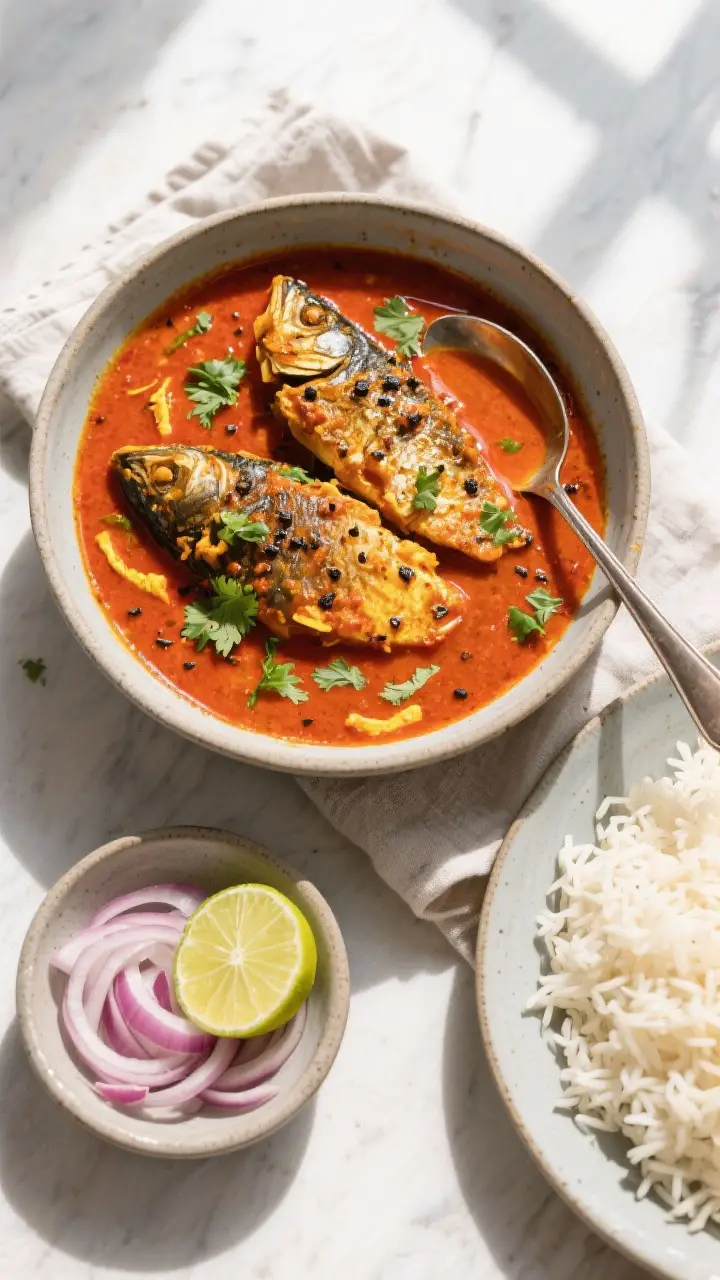
You can also serve with basmati, jeera rice, or chapatis, plus a simple cucumber salad or quick pickled onions.
Can I make it ahead?
The sauce can be made ahead and refrigerated for up to 3 days. Add the fish and simmer just before serving for the best texture and flavor.
Final Thoughts
Goan Fish Curry is a great example of how simple ingredients can create big flavor. With coconut, gentle spices, and a bright tang, it’s a dish that feels both comforting and fresh.
Once you get the hang of the masala, you can adapt it to whatever fish you have on hand. Keep it mild or turn up the heat—either way, it’s a reliable, repeat-worthy recipe for your weeknight rotation.
Printable Recipe Card
Want just the essential recipe details without scrolling through the article? Get our printable recipe card with just the ingredients and instructions.