
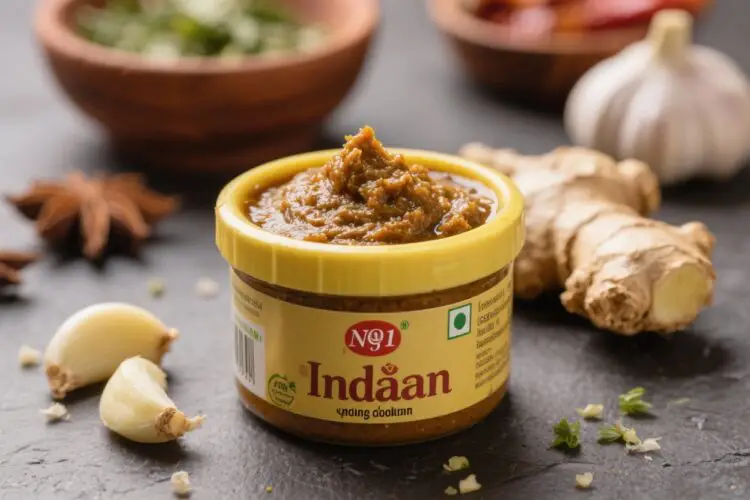
Ginger garlic paste is the quiet powerhouse behind countless Indian dishes. It adds instant aroma, depth, and warmth to everything from curries to marinades. If you’ve ever wondered why restaurant food tastes so balanced, this paste is a big part of it.
Making it at home is cheaper, fresher, and more flavorful than store-bought. Plus, it takes just a few minutes and keeps well when stored properly.
Why This Recipe Works
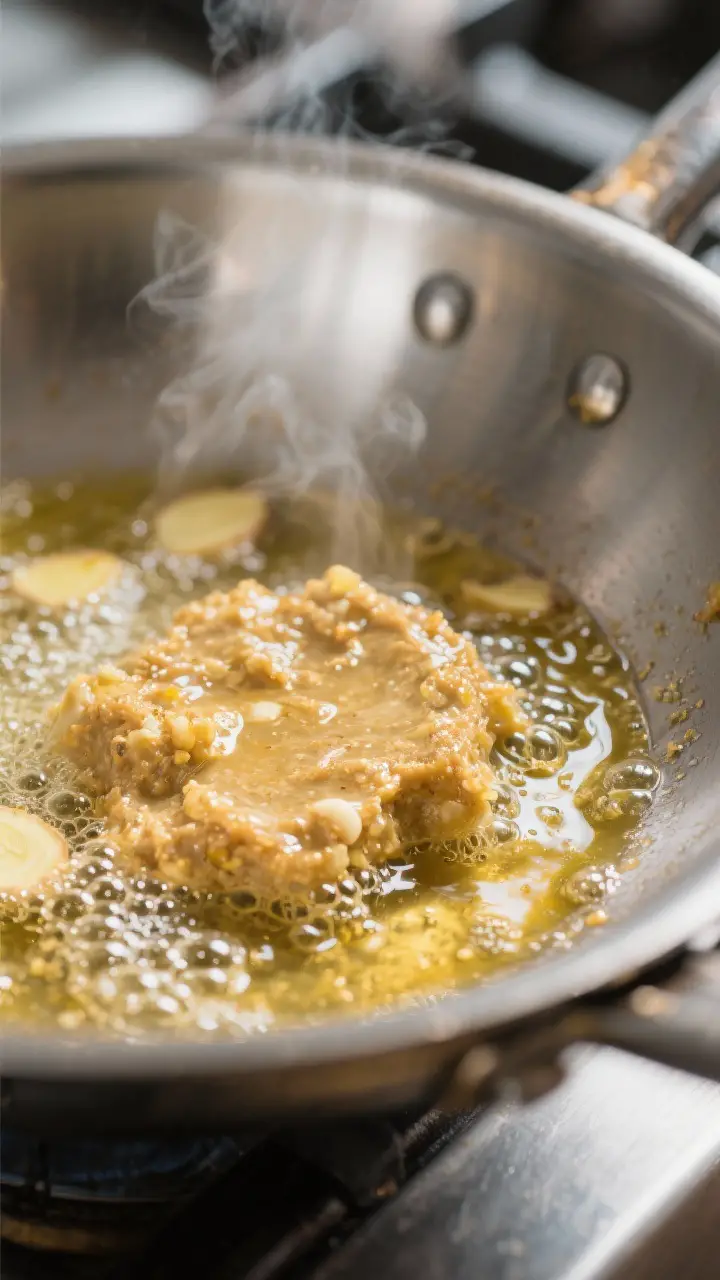
This version keeps things simple and clean, so the ginger and garlic shine. The proportions are balanced—enough ginger heat to cut through rich dishes and enough garlic to bring that savory backbone.
A small amount of oil and salt improves texture and shelf life without dulling flavor. We also skip water to avoid watering down the paste and to reduce spoilage. The result is smooth, bold, and versatile.
What You’ll Need
- Fresh garlic cloves: 1 cup, peeled (about 3–4 heads, depending on size)
- Fresh ginger: 1 cup, peeled and roughly chopped
- Neutral oil: 2–3 tablespoons (sunflower, avocado, or canola)
- Salt: 1 teaspoon (fine sea salt or kosher)
- Optional: 1 tablespoon lemon juice or white vinegar for brightness and preservation
- Optional: 1–2 tablespoons water (only if needed to help blend; avoid if possible)
How to Make It
- Prep the aromatics: Peel the garlic.
Peel the ginger with a spoon or paring knife and chop into small chunks. Aim for equal volumes of ginger and garlic.
- Set up your blender: A small jar blender or food processor works best. Add half the ginger and half the garlic to start, along with the salt.
- Add oil, not water: Pour in 2 tablespoons of oil.
Oil helps create a smooth paste and slows oxidation. Avoid water unless absolutely necessary.
- Blend in stages: Blitz until the mixture begins to break down. Add the remaining ginger and garlic.
Scrape the sides and continue blending until smooth or slightly coarse, depending on your preference.
- Adjust consistency: If it’s too thick and not catching, add another 1 tablespoon of oil or a teaspoon of lemon juice. Use a splash of water only if your machine struggles.
- Taste and fine-tune: The paste should be pungent but balanced. Add a pinch more salt if needed.
Lemon or vinegar adds a subtle lift and helps preserve color.
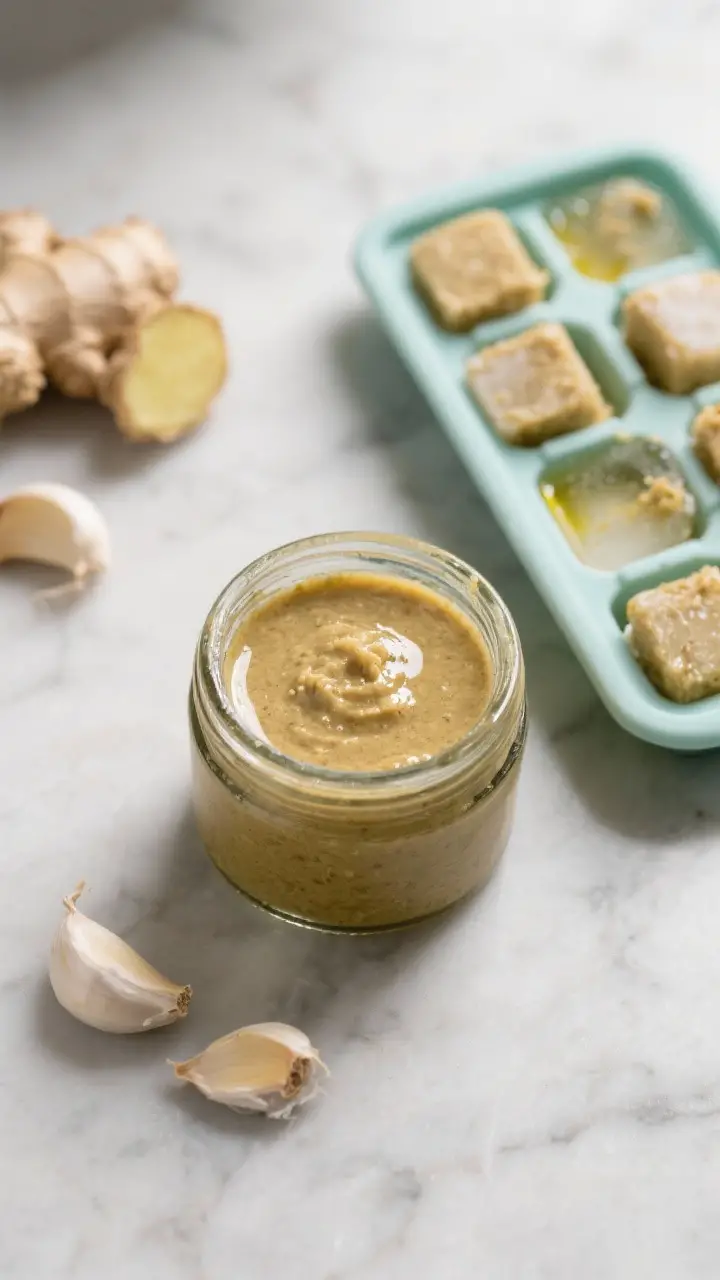
- Store properly: Transfer to a clean, dry glass jar. Level the top and smooth it out. Drizzle a thin film of oil over the surface to limit air contact.
How to Store
- Refrigerator: Keeps for 2–3 weeks in a sealed glass jar.
Always use a clean, dry spoon.
- Freezer: Spoon into an ice cube tray or silicone mold. Freeze, then pop out and store in a zip-top bag for up to 3 months.
- Oil seal: After each use, re-level the top and add a thin layer of oil to slow oxidation.
- Avoid contamination: No wet spoons, no double-dipping. Moisture and food particles lead to spoilage.
Why This Is Good for You
Ginger and garlic are more than flavor—they’re packed with benefits.
Ginger may help with digestion, nausea, and inflammation. Garlic is linked to heart health and immune support. Together, they add depth to dishes without extra sugar or heavy sauces.
You’re building flavor the wholesome way.
What Not to Do
- Don’t add lots of water: It speeds up spoilage and makes the paste watery.
- Don’t skip the salt: It helps preserve and balances sharpness.
- Don’t use old or sprouted garlic: It tastes harsh and bitter.
- Don’t leave it uncovered: Air exposure darkens and degrades the paste.
- Don’t overheat during blending: Long blending can warm the paste and dull the fresh flavor. Pulse and scrape down as needed.
Variations You Can Try
- Green chili kick: Add 1–2 green chilies for heat. Great for marinades and stir-fries.
- Cumin-coriander twist: Blend in 1 teaspoon toasted cumin seeds and 1 teaspoon ground coriander for a head-start masala base.
- Turmeric tone: Add 1/2 teaspoon ground turmeric for a golden hue and earthy note.
Store carefully to avoid staining containers.
- No-oil version: Use lemon juice or vinegar instead of oil for a lighter, sharper paste. Freeze for best shelf life.
- Roasted garlic: Swap half the raw garlic for roasted cloves to mellow the bite and add sweetness.
- Coconut oil option: For South Indian dishes, use melted coconut oil. It sets in the fridge but melts quickly in a hot pan.
FAQ
What’s the best ginger-to-garlic ratio?
One-to-one by volume is the most versatile.
If you prefer more warmth, go up to 60% ginger and 40% garlic. For milder heat, flip it the other way.
Can I use pre-peeled garlic?
Yes, but choose fresh-looking cloves without dryness or green sprouts. Pre-peeled garlic can be slightly less punchy, so adjust salt and lemon for brightness.
Why does my paste turn green?
Garlic can react with acids or cold temperatures and develop a harmless green tint.
Use fresh garlic, blend with a bit of oil, and avoid excessive acid if color matters. It’s safe to eat.
How much paste equals fresh ginger and garlic?
Use 1 tablespoon paste for about 1 teaspoon each of minced ginger and garlic. Most recipes handle this swap well.
Do I need to cook the paste first?
No, but you should sauté it briefly when starting most dishes.
Cook in oil for 30–60 seconds until aromatic to remove raw bite.
Can I make it in a mortar and pestle?
Absolutely. Pound ginger and garlic with salt until smooth. The texture is rustic, and the flavor can be even brighter due to less heat from blending.
Is lemon juice necessary?
It’s optional.
Lemon or vinegar adds brightness and helps preserve color and freshness. If you plan to freeze, you can skip it.
What oils work best?
Neutral oils like sunflower, avocado, or canola keep the flavor clean. Mustard oil or coconut oil add character if you want a regional touch.
How do I use it in cooking?
Start your dish by heating oil, add 1–2 teaspoons of paste, and sauté until fragrant.
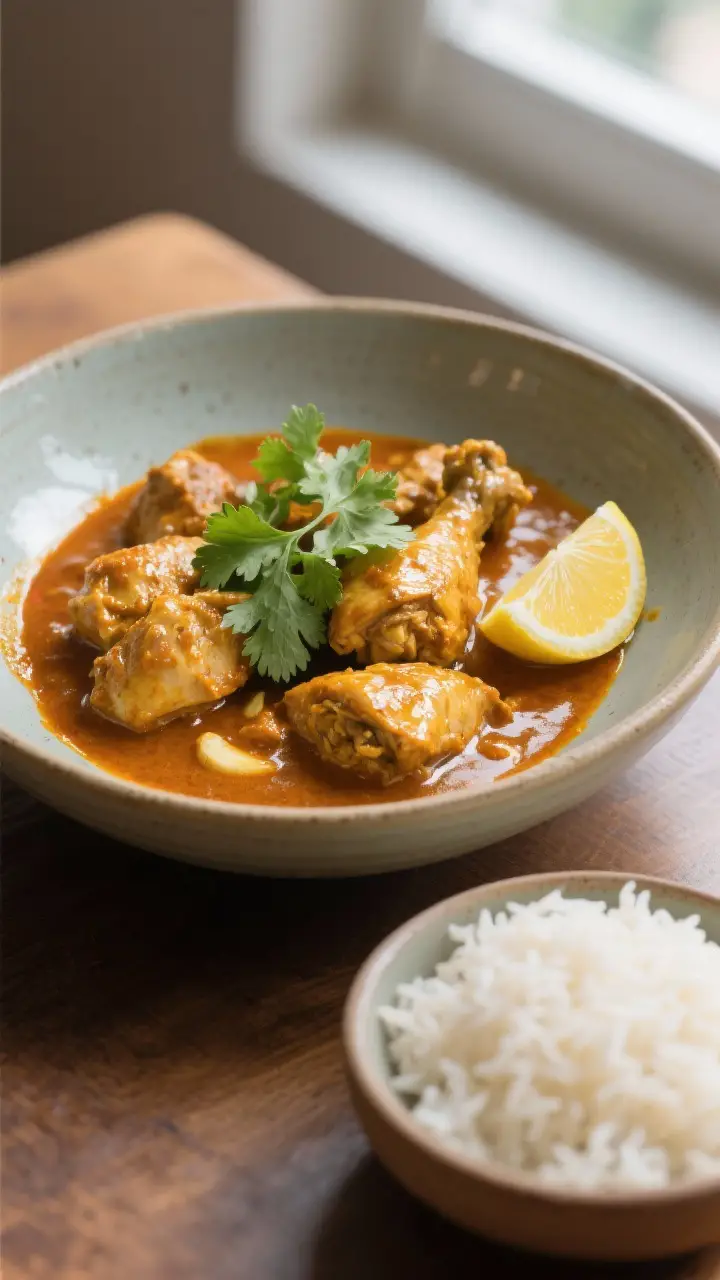
Then add onions, tomatoes, or spices as your recipe calls for. It also works in marinades with yogurt and spices.
Can I make a big batch?
Yes. Double or triple the recipe and freeze in portions.
Keep one small jar in the fridge for immediate use and the rest in the freezer.
Final Thoughts
Ginger garlic paste is the everyday flavor builder you’ll reach for again and again. With a handful of ingredients and a few smart storage habits, you can keep a jar ready for quick weeknight cooking. Make it once, and your curries, stir-fries, and marinades will taste brighter and more rounded.
It’s a small step with a big payoff—fresh, fast, and reliably delicious.