
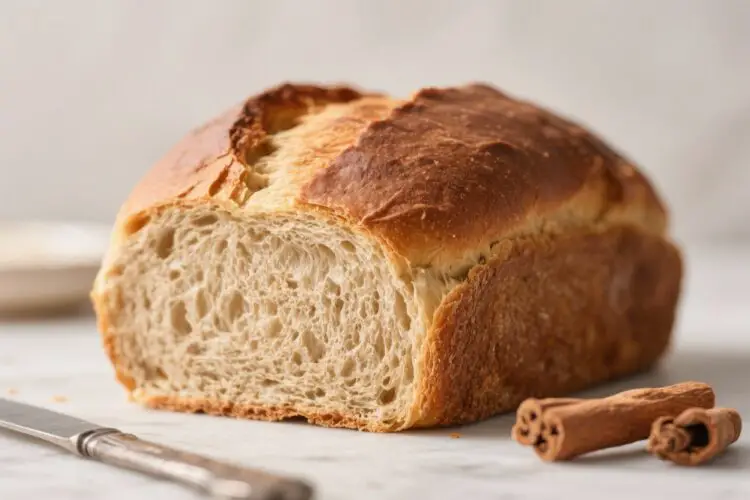
If you love the cozy flavor of ginger and the heartiness of brown bread, this loaf brings both together in a way that feels familiar and special. It’s lightly sweet, warmly spiced, and makes your kitchen smell incredible while it bakes. The texture is soft with a tender crumb, yet sturdy enough for slicing, toasting, and sandwiches.
It’s the kind of bread you’ll want to eat warm with butter, then again the next morning with honey. No fussy techniques—just honest, reliable baking with great results.
What Makes This Special
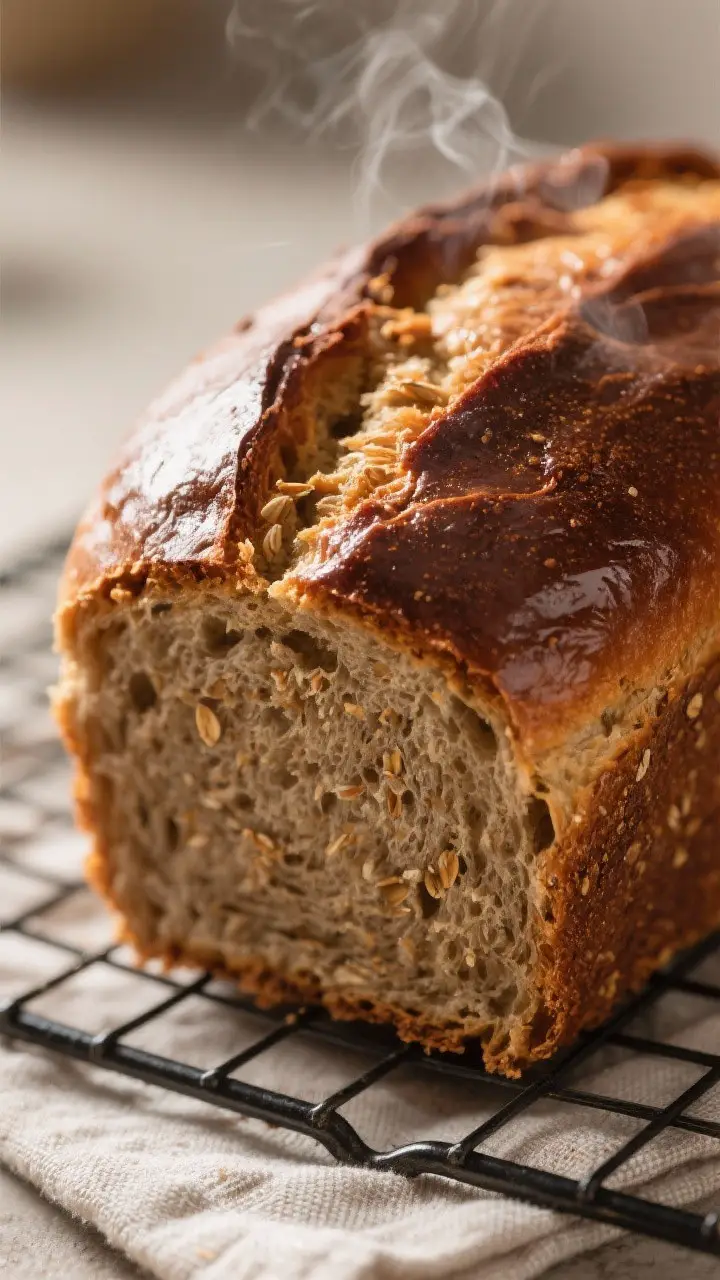
This bread blends fresh ginger and ground ginger for a layered, bright spice that’s not overwhelming. A touch of molasses adds color and depth, giving the loaf that classic brown bread character.
Whole wheat flour offers gentle nuttiness, while bread flour keeps the crumb soft and springy. It’s versatile, too: enjoy it with soups and stews, or toast it for breakfast with cream cheese or jam. Best of all, the dough is forgiving, so it’s a great choice for newer bakers.
Shopping List
- Bread flour – 2 1/4 cups (plus more for dusting)
- Whole wheat flour – 1 1/4 cups
- Active dry yeast – 2 1/4 teaspoons (one packet)
- Warm water – 1 cup (about 105–110°F / 40–43°C)
- Milk – 1/2 cup (room temperature)
- Unsalted butter – 3 tablespoons, melted and cooled
- Molasses – 1/4 cup
- Brown sugar – 2 tablespoons
- Fresh ginger – 1 tablespoon, finely grated
- Ground ginger – 1 1/2 teaspoons
- Ground cinnamon – 1/2 teaspoon
- Salt – 1 1/2 teaspoons
- Optional add-ins – 1/2 cup raisins or chopped dates; 1/3 cup chopped walnuts or pecans
- Optional glaze – 1 tablespoon honey mixed with 1 teaspoon hot water
Instructions
- Proof the yeast: In a large bowl, combine warm water, a pinch of brown sugar, and the active dry yeast.
Let it sit for 5–10 minutes until foamy. If it doesn’t foam, the yeast is inactive—start over with fresh yeast.
- Mix the wet ingredients: Add milk, melted butter, molasses, the remaining brown sugar, grated fresh ginger, and ground ginger. Stir to combine.
- Combine the dry ingredients: In a separate bowl, whisk bread flour, whole wheat flour, cinnamon, and salt.
- Bring the dough together: Add the dry mixture to the wet mixture in stages, stirring with a sturdy spoon until a shaggy dough forms.
If using raisins or nuts, fold them in now.
- Knead: Turn the dough onto a lightly floured surface and knead for 8–10 minutes, adding small sprinkles of flour as needed. The dough should become smooth, elastic, and slightly tacky but not sticky.
- First rise: Place the dough in a lightly oiled bowl, turning once to coat. Cover with a damp towel or plastic wrap and let rise in a warm spot for 60–90 minutes, or until doubled in size.
- Shape the loaf: Gently punch down the dough to release air.
Pat into a rectangle about 8 x 12 inches. Roll up tightly from the short side, pinch the seam, and tuck the ends under.
- Second rise: Place the shaped dough seam-side down in a greased 9 x 5-inch loaf pan. Cover and let rise again for 35–50 minutes, until the dough crests about 1 inch over the pan rim.
- Preheat the oven: While the loaf proofs, preheat to 350°F (175°C).
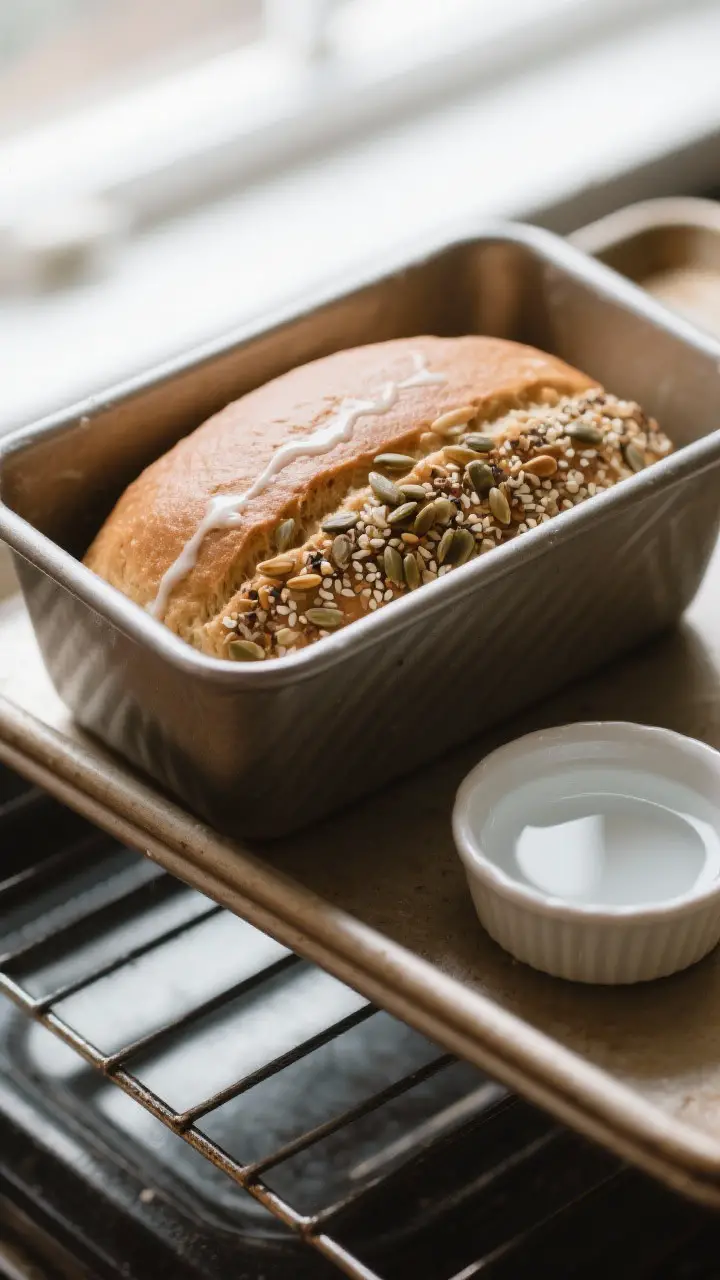
For a softer crust, place a small oven-safe dish of hot water on the lower rack.
- Bake: Bake for 30–38 minutes until the top is deep brown and the internal temperature reaches about 195–200°F (90–93°C). If the top browns too quickly, tent loosely with foil for the last 10 minutes.
- Glaze (optional): While warm, brush the top with the honey-water mixture for a gentle sheen and added sweetness.
- Cool and slice: Let the loaf cool in the pan for 10 minutes, then transfer to a rack. Cool at least 45 minutes before slicing to keep the crumb from compressing.
How to Store
Room temperature: Store the cooled loaf in a bread box or wrapped in a clean towel for up to 3 days.
Avoid airtight plastic at room temp—it can make the crust rubbery.
Freezer: Slice the loaf, wrap tightly in plastic, and place in a freezer bag. Freeze for up to 2 months. Toast slices straight from frozen or thaw at room temperature.
Reviving: If the loaf feels a little dry after a day or two, warm slices in a toaster or in a 300°F oven for 5–7 minutes.
A light smear of butter helps bring back softness.
Benefits of This Recipe
- Balanced flavor: Ginger, molasses, and cinnamon create a warm, bakery-style taste that’s comforting but not overly sweet.
- Approachable technique: Standard kneading and two rises—nothing complicated or fussy.
- Great texture: Whole wheat adds body while bread flour keeps it soft and sliceable.
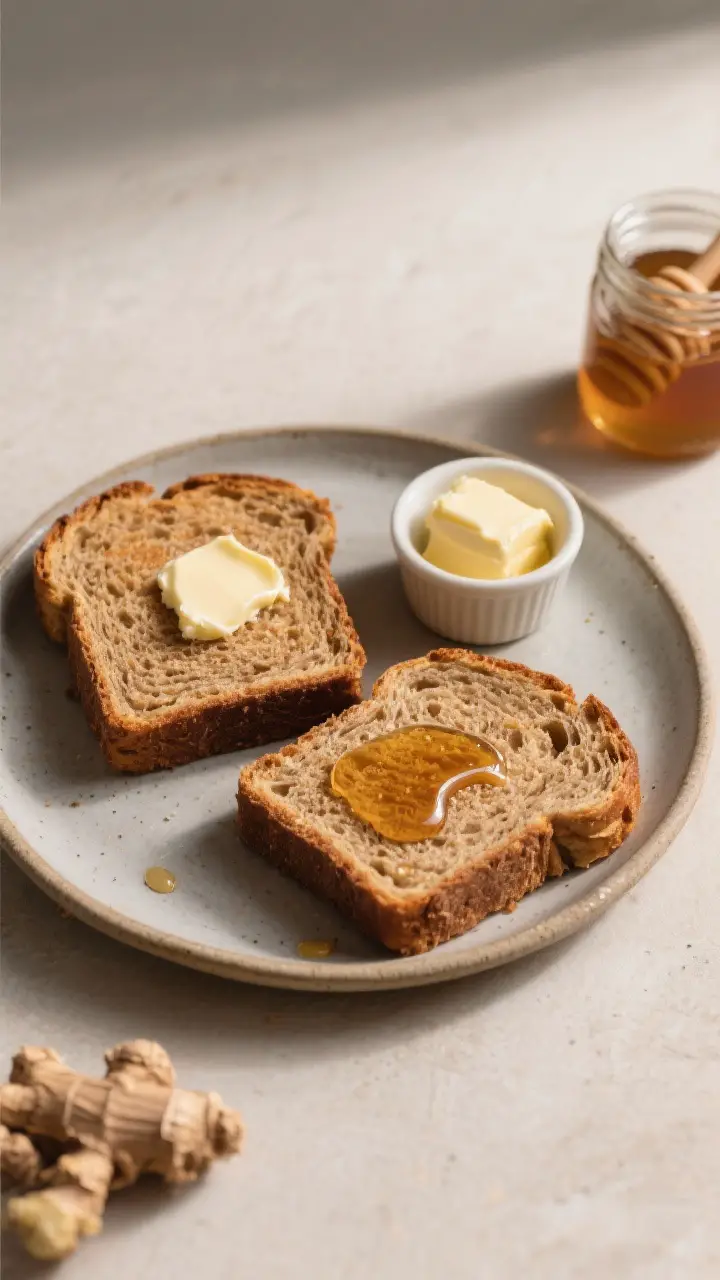
- Versatile serving: Works for breakfast toast, grilled cheese, turkey sandwiches, or with a bowl of chili.
- Make-ahead friendly: Freezes well and reheats beautifully, so you can bake once and enjoy all week.
What Not to Do
- Don’t kill the yeast: Water hotter than 115°F can stop fermentation. Aim for warm, not hot.
- Don’t add too much flour: A slightly tacky dough is ideal. Over-flouring leads to a dense, dry loaf.
- Don’t rush the rise: If the dough hasn’t doubled, give it more time.
Temperature and humidity affect proofing.
- Don’t slice while hot: Cutting too soon compresses the crumb and makes the loaf gummy.
- Don’t skip salt: It strengthens gluten and balances sweetness. Without it, flavor falls flat.
Recipe Variations
- Orange-Ginger Twist: Add 1 tablespoon orange zest to the dough and swap half the molasses for honey.
- Seeded Crust: Brush the shaped loaf with milk and sprinkle sesame or sunflower seeds before the second rise.
- Extra Spice: Add a pinch of cloves and nutmeg for a stronger gingerbread vibe.
- Raisin-Walnut Loaf: Fold in 1/2 cup raisins and 1/3 cup chopped walnuts after mixing the dough.
- All-Whole-Wheat Option: Use 100% whole wheat flour and add 1–2 tablespoons vital wheat gluten. Increase water by 2–4 tablespoons as needed.
- Dairy-Free: Swap milk for water or almond milk, and use oil instead of butter.
FAQ
Can I use instant yeast instead of active dry yeast?
Yes.
Use the same amount of instant yeast and skip the proofing step. Mix it directly with the dry ingredients, then proceed as directed. Keep the liquid warm and the dough will rise on schedule.
How strong is the ginger flavor?
It’s noticeable but balanced.
Fresh ginger brings brightness, while ground ginger adds warmth. If you want a stronger kick, increase the ground ginger by 1/2 teaspoon.
Can I make this without molasses?
You can, but the flavor and color will change. Replace molasses with honey or maple syrup and add 1 teaspoon cocoa powder to mimic color.
Expect a lighter, less robust taste.
Do I need a stand mixer?
No. Hand-kneading works well and gives you good feel for the dough. If using a mixer, knead with a dough hook on medium-low for about 6–8 minutes.
Why did my loaf sink?
Over-proofing is usually the cause.
If the dough rises too high and starts to collapse, bake sooner. Weak gluten from too much flour or not enough kneading can also be a factor.
How do I know it’s baked through?
Tap the bottom—if it sounds hollow, it’s done. For more accuracy, use a thermometer.
The internal temperature should be around 195–200°F.
Can I make rolls instead of a loaf?
Yes. Divide the dough into 10–12 pieces, roll into balls, and proof on a greased sheet pan. Bake at 375°F for 16–20 minutes, until golden.
Is this bread very sweet?
No.
It’s gently sweet from molasses and brown sugar. For a sweeter loaf, add 1–2 extra tablespoons brown sugar or finish with the honey glaze.
In Conclusion
Ginger Brown Yeast Bread is warm, aromatic, and easy to love. The spice is cozy, the crumb is soft, and the loaf fits right into everyday meals.
Once you see how simple it is, you might make it part of your weekly routine. Enjoy it fresh, toast it the next day, and keep a few slices in the freezer for quick comfort whenever you want it.
Printable Recipe Card
Want just the essential recipe details without scrolling through the article? Get our printable recipe card with just the ingredients and instructions.