
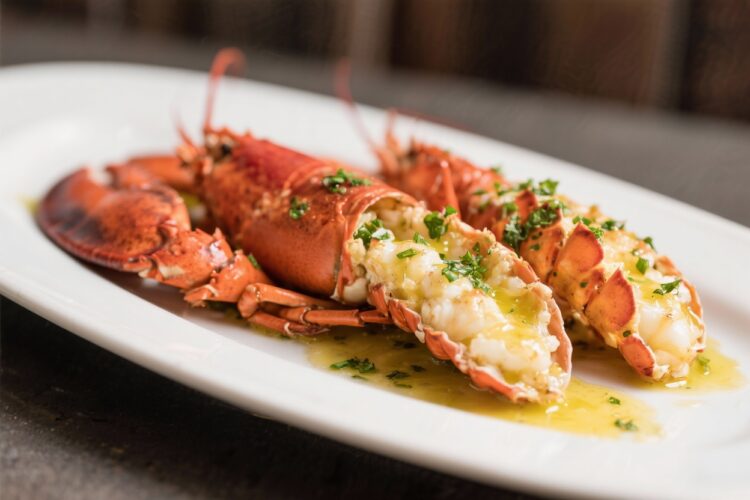
Lobster tails feel fancy, but this recipe keeps them easy and approachable. With a quick garlic herb butter and a few smart steps, you’ll get juicy, tender lobster in under 30 minutes. The flavor is rich but balanced—lemony, garlicky, and buttery without being heavy.
This is the kind of dinner that makes a regular night feel special without turning your kitchen into a project. Whether you’re cooking for a date night or just because, you’re going to love how simple and satisfying this is.
What Makes This Recipe So Good
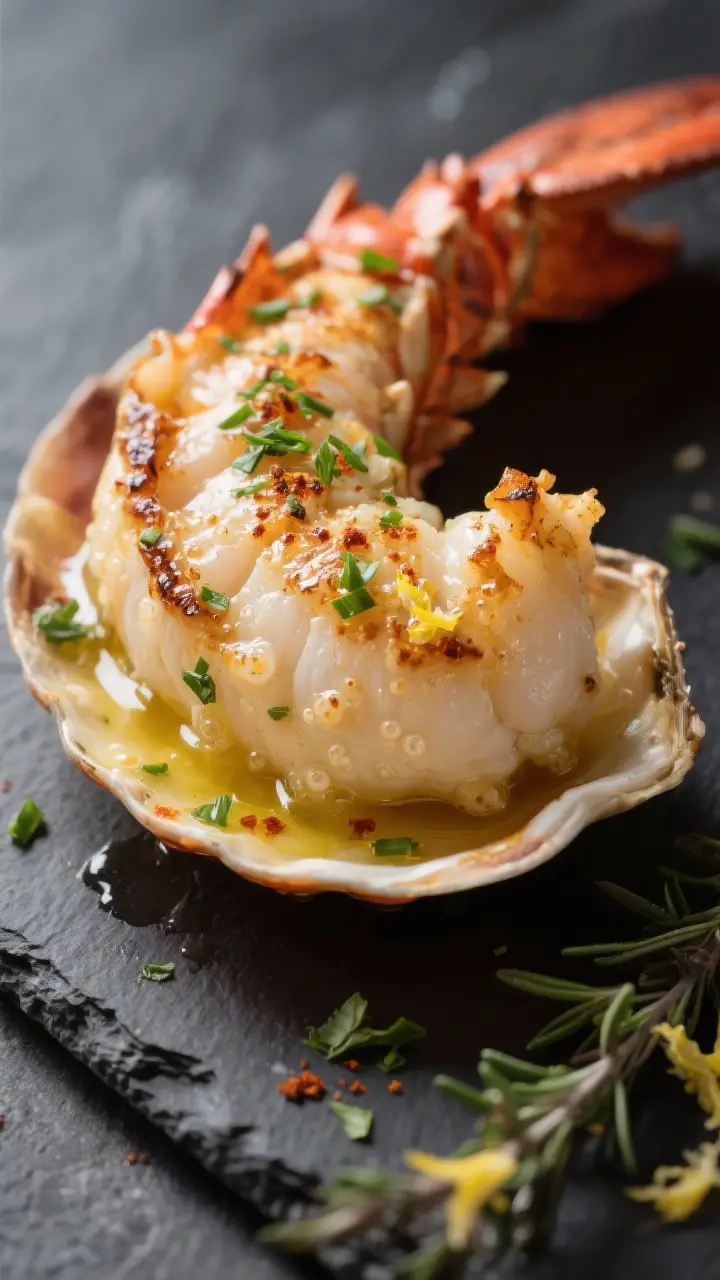
- Fast and foolproof: Lobster cooks quickly, and broiling or grilling delivers a golden top and tender meat in minutes.
- Big flavor, minimal effort: Garlic, herbs, butter, and lemon do the heavy lifting. No complicated techniques.
- Restaurant-worthy presentation: Butterflied tails look impressive but come together easily with scissors and a spoon.
- Flexible cooking methods: Works under the broiler, on the grill, or in a hot skillet with a quick oven finish.
- Balanced richness: Fresh lemon and herbs cut through the butter for a bright, clean finish.
Ingredients
- 4 lobster tails (4–6 ounces each), thawed if frozen
- 6 tablespoons unsalted butter, softened
- 3 garlic cloves, finely minced
- 2 tablespoons fresh parsley, finely chopped
- 1 tablespoon fresh chives, finely chopped (optional but great)
- 1 teaspoon fresh thyme leaves, chopped (or 1/2 teaspoon dried)
- 1 teaspoon lemon zest (from 1 lemon)
- 2–3 teaspoons fresh lemon juice, plus extra wedges for serving
- 1/2 teaspoon smoked paprika (or sweet paprika)
- 1/4 teaspoon crushed red pepper flakes (optional, for a hint of heat)
- 1/2 teaspoon kosher salt, plus more to taste
- 1/4 teaspoon freshly ground black pepper
- Olive oil, for brushing
Step-by-Step Instructions
- Prep the lobster tails: If frozen, thaw in the fridge overnight or in a cold water bath for 30–45 minutes.
Pat dry with paper towels so the butter sticks and the lobster browns nicely.
- Butterfly the tails: Using kitchen shears, cut down the top of the shell lengthwise to the tail fin, stopping before you cut the fin. Gently loosen the meat with your fingers and lift it up to rest on top of the shell, tucking the shell underneath. This helps the meat cook evenly and look beautiful.
- Make the garlic herb butter: In a small bowl, mix softened butter, garlic, parsley, chives, thyme, lemon zest, lemon juice, paprika, red pepper flakes (if using), salt, and pepper.
Taste and adjust seasoning. The mixture should be bright, salty, and garlicky.
- Preheat your heat source: Set your oven rack 6 inches from the broiler and preheat the broiler on high. Alternatively, preheat a grill to medium-high (about 450°F/230°C).
- Season and butter: Lightly brush the lobster meat with olive oil and a pinch of salt.
Spoon generous mounds of the garlic herb butter over the exposed meat, pressing it in so it clings. Reserve a little butter for finishing, if you like.
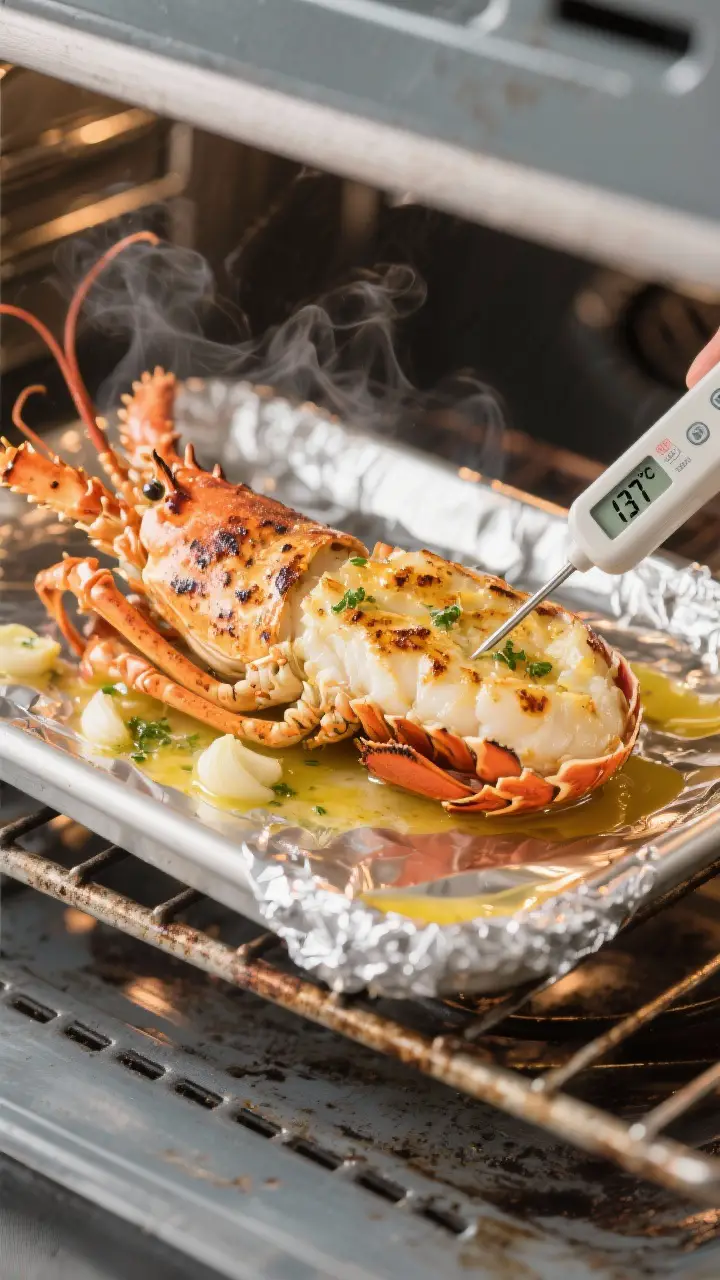
- Cook under the broiler: Place the tails on a foil-lined sheet pan. Broil for 6–10 minutes, depending on size, until the meat is opaque and firm but still juicy.
The surface should look lightly browned and the internal temperature should read 135–140°F (57–60°C).
- Or grill them: Place the tails meat-side up over direct heat, close the lid, and cook 6–8 minutes. For more char, finish for 1–2 minutes meat-side down, watching closely to avoid flare-ups.
- Baste and finish: As the tails cook, baste once or twice with melted butter from the pan. When done, drizzle a little extra lemon juice and a spoonful of reserved herb butter over the top.
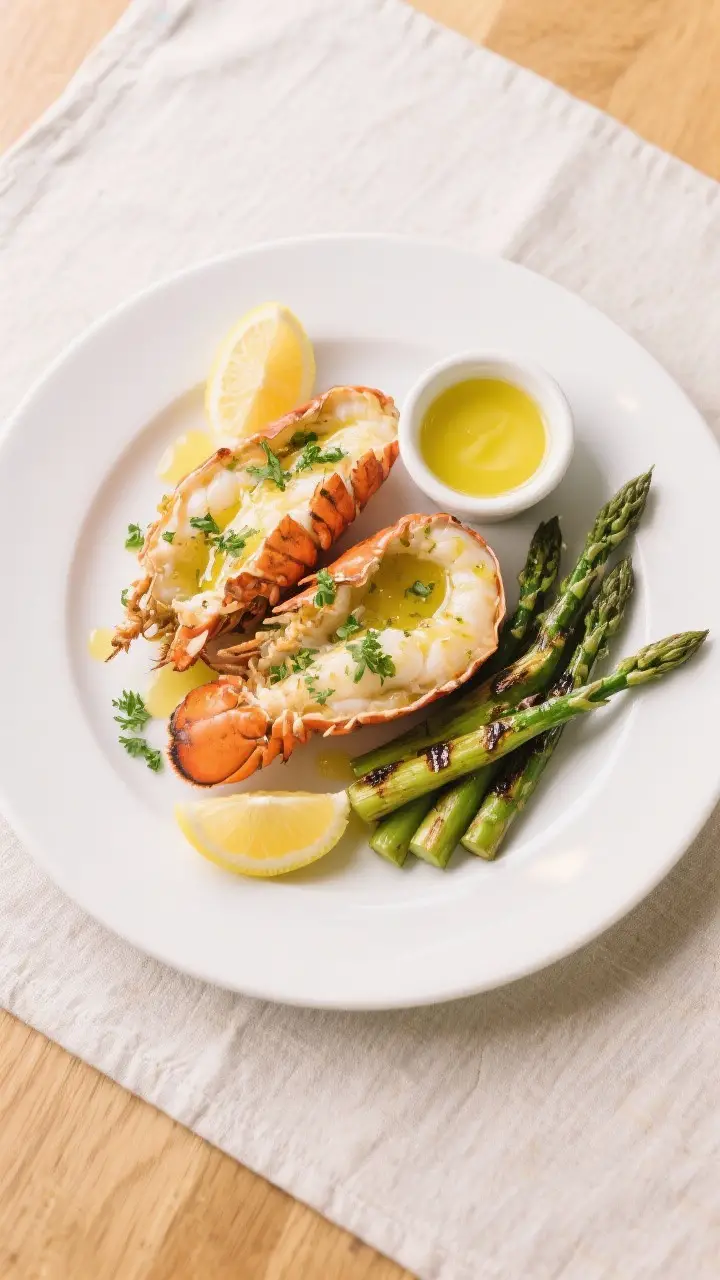
- Serve immediately: Plate with lemon wedges and extra chopped herbs.
Pair with a simple salad, grilled asparagus, or crusty bread to mop up the buttery pan juices.
Keeping It Fresh
- Short-term storage: Leftover cooked lobster keeps in an airtight container in the fridge for up to 2 days. Reheat gently in a covered skillet over low heat with a dab of butter or a splash of water to keep it tender.
- Make-ahead tips: Mix the garlic herb butter up to 3 days ahead and refrigerate, or freeze it for a month. Butterfly the tails the day you plan to cook and keep them chilled, covered, on a tray.
- Don’t overheat leftovers: High heat makes lobster rubbery.
Warm it just until heated through.
Why This is Good for You
- Lean protein: Lobster is high in quality protein and naturally low in fat, making it a satisfying main without feeling heavy.
- Micronutrients: It provides selenium, B12, and zinc, which support immunity and energy metabolism.
- Balanced fats: Butter adds richness, but you can control the amount. Fresh herbs and lemon brighten the dish, so it doesn’t rely solely on fat for flavor.
Pitfalls to Watch Out For
- Overcooking: The biggest risk. Keep an eye on color and texture.
Pull them when the center is opaque and just firm. An instant-read thermometer is your friend.
- Skipping the dry-off: Wet lobster won’t brown and the butter will slide off. Pat the meat dry before seasoning.
- Too much salt: Some lobster tails can be slightly briny.
Taste the butter and season lightly; you can always add a pinch at the end.
- Uneven heat: Broilers and grills have hot spots. Rotate the pan or move the tails around if one is cooking faster than the others.
Alternatives
- Dairy-free: Use a quality vegan butter or olive oil. Add an extra hit of lemon zest and a pinch of nutritional yeast for savory depth.
- Herb swaps: Try dill and tarragon for a fresh, anise-like note, or basil and oregano for a Mediterranean twist.
- Spice variations: Add a touch of Cajun seasoning or Old Bay for a classic seafood vibe.
For heat lovers, a dash of hot sauce in the butter works well.
- Different cooking method: Pan-sear meat-side down in a hot skillet with butter for 1–2 minutes, then transfer to a 400°F (200°C) oven for 5–7 minutes until done.
- Surf and turf: Pair with a small steak or garlicky roasted potatoes for a complete meal.
FAQ
How do I know when the lobster is done?
The meat should turn from translucent to opaque and feel springy, not mushy or tough. An instant-read thermometer should read 135–140°F (57–60°C) in the thickest part. If in doubt, pull it early; carryover heat will finish the job.
Can I use frozen lobster tails?
Yes.
Thaw them in the refrigerator overnight for best results, or submerge sealed tails in cold water for 30–45 minutes, changing the water once. Pat dry thoroughly before cooking.
What size lobster tails work best?
Four- to six-ounce tails cook evenly and stay tender. Larger tails can work, but add a couple of minutes and watch closely.
Do I need to remove the vein?
If you see a dark vein along the underside of the meat, gently pull it out and rinse briefly, then pat dry.
It’s not harmful, just not appealing.
Can I make the butter ahead of time?
Absolutely. Mix it and store in the fridge up to 3 days or freeze for a month. Let it soften before spreading on the lobster.
What should I serve with it?
Keep sides simple: lemony arugula salad, grilled asparagus, sautéed green beans, or buttery rice.
A crisp white wine like Sauvignon Blanc or Chardonnay pairs nicely.
How do I avoid a smoky oven when broiling?
Line your pan with foil to catch drips, and keep the tails a few inches from the heating element. Make sure the butter isn’t spilling over excessively; use just enough to coat, and add more after cooking if needed.
In Conclusion
Garlic Herb Butter Lobster Tails deliver big flavor with minimal effort. A quick butter blend, a smart butterfly cut, and a hot broiler or grill are all you need.
Keep an eye on doneness, finish with fresh lemon, and serve right away. It’s an easy, elegant recipe you’ll come back to whenever you want something special without the stress.
Printable Recipe Card
Want just the essential recipe details without scrolling through the article? Get our printable recipe card with just the ingredients and instructions.