
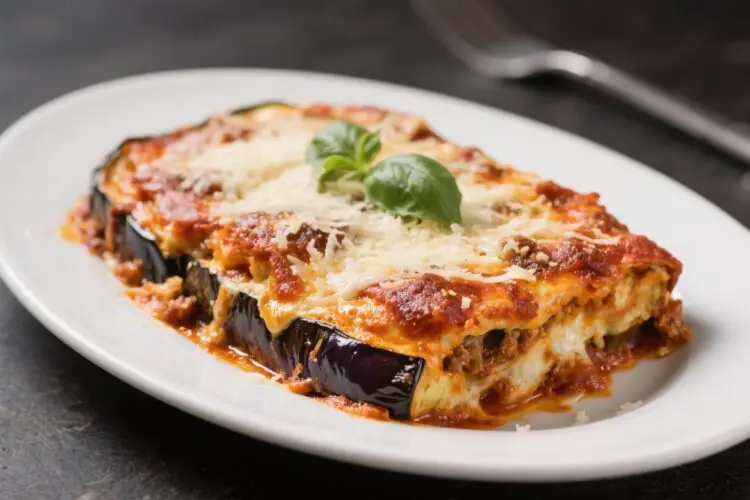
Eggplant Parmigiana is comfort food with a little elegance. Thin slices of eggplant, a bright tomato sauce, and gooey cheese come together in warm, layered goodness. It feels like a Sunday dinner, but it’s simple enough for a weeknight if you plan ahead.
Whether you fry or bake the eggplant, it’s rich, satisfying, and deeply savory. If you love lasagna but want something lighter and meatless, this is your dish.
What Makes This Special
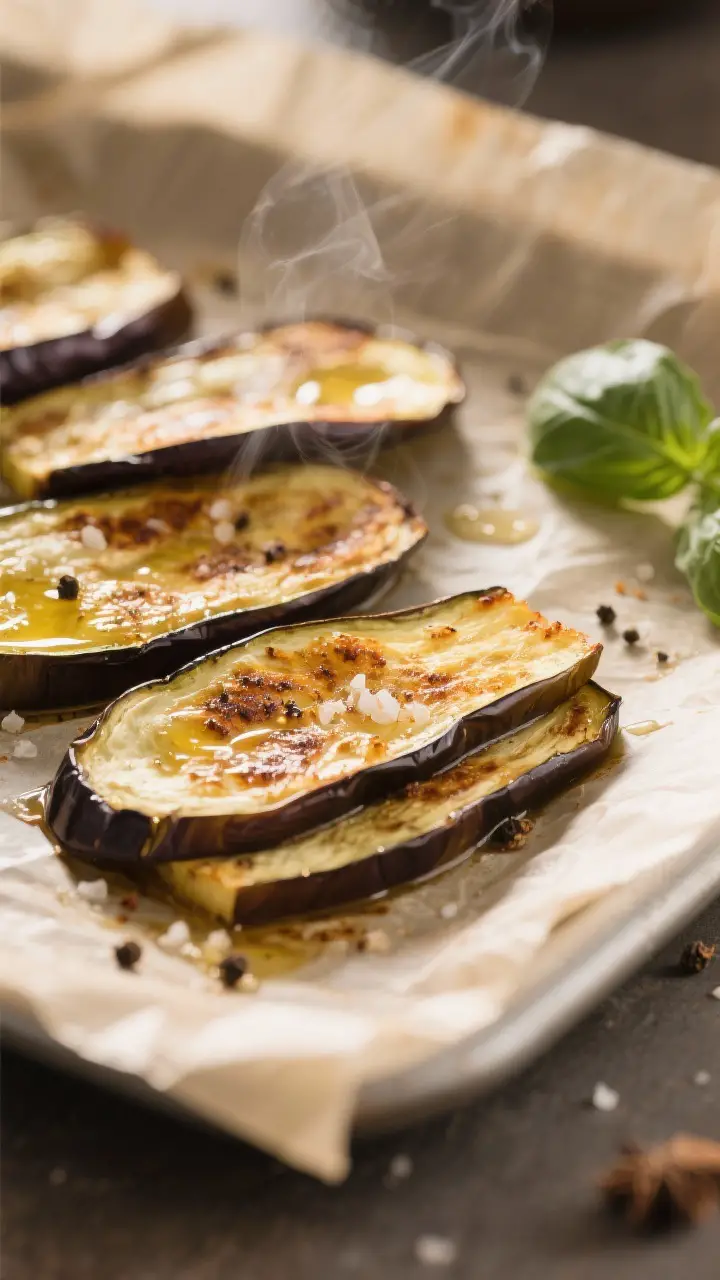
This classic Italian casserole celebrates eggplant without hiding it. The secret lies in thin, well-seasoned slices and a clean, bright tomato sauce.
You get layers of texture—soft eggplant, stretchy mozzarella, a crisped top of Parmigiano Reggiano. It tastes better as it rests, and it slices beautifully once cooled.
It’s also flexible. You can fry the eggplant for a traditional result or bake it for a lighter touch.
Either way, the flavor stays true: simple, honest, and unmistakably Italian.
Ingredients
- Eggplant: 2–3 large globe eggplants (about 2.5–3 lb), sliced lengthwise or crosswise into 1/4-inch slices
- Salt: For seasoning and drawing out moisture
- Olive oil: For frying or brushing if baking
- All-purpose flour (optional): About 1 cup, for light dredging before frying
- Eggs (optional): 2–3, beaten, for a classic dipped fry (optional step)
- Canned tomatoes: 1 large can (28 oz) whole peeled or crushed
- Garlic: 2–3 cloves, sliced
- Fresh basil: A small bunch, torn
- Mozzarella: 12–14 oz, low-moisture shredded or fresh mozzarella sliced and patted dry
- Parmigiano Reggiano: 1 to 1 1/2 cups, finely grated
- Black pepper: To taste
- Red pepper flakes (optional): A pinch
- Sugar (optional): A small pinch if the tomatoes are very acidic
Step-by-Step Instructions
- Prep the eggplant: Slice into even 1/4-inch rounds or long planks. Lay on a sheet pan, sprinkle both sides with salt, and let sit 30–40 minutes. This draws out moisture and softens any bitterness.
- Make the sauce: Warm 2 tablespoons olive oil in a saucepan.
Add garlic and cook until fragrant, about 30 seconds. Add tomatoes (crush by hand if whole), season with salt, pepper, and a pinch of red pepper flakes. Simmer 15–20 minutes until slightly thickened.
Stir in torn basil off the heat. Taste and adjust with a pinch of sugar if needed.
- Dry the eggplant: Rinse the salted slices briefly and pat completely dry with paper towels. This helps browning and prevents sogginess.
- Choose your cooking method:
- Traditional fry: Dredge slices lightly in flour (and dip in beaten egg if you prefer a richer crust).
Shallow-fry in olive oil over medium heat until golden on both sides. Drain on paper towels and season lightly with salt.
- Lighter bake: Brush slices with olive oil, place on parchment-lined sheets, and bake at 425°F (220°C) for 18–22 minutes, flipping once, until tender and lightly browned.
- Traditional fry: Dredge slices lightly in flour (and dip in beaten egg if you prefer a richer crust).
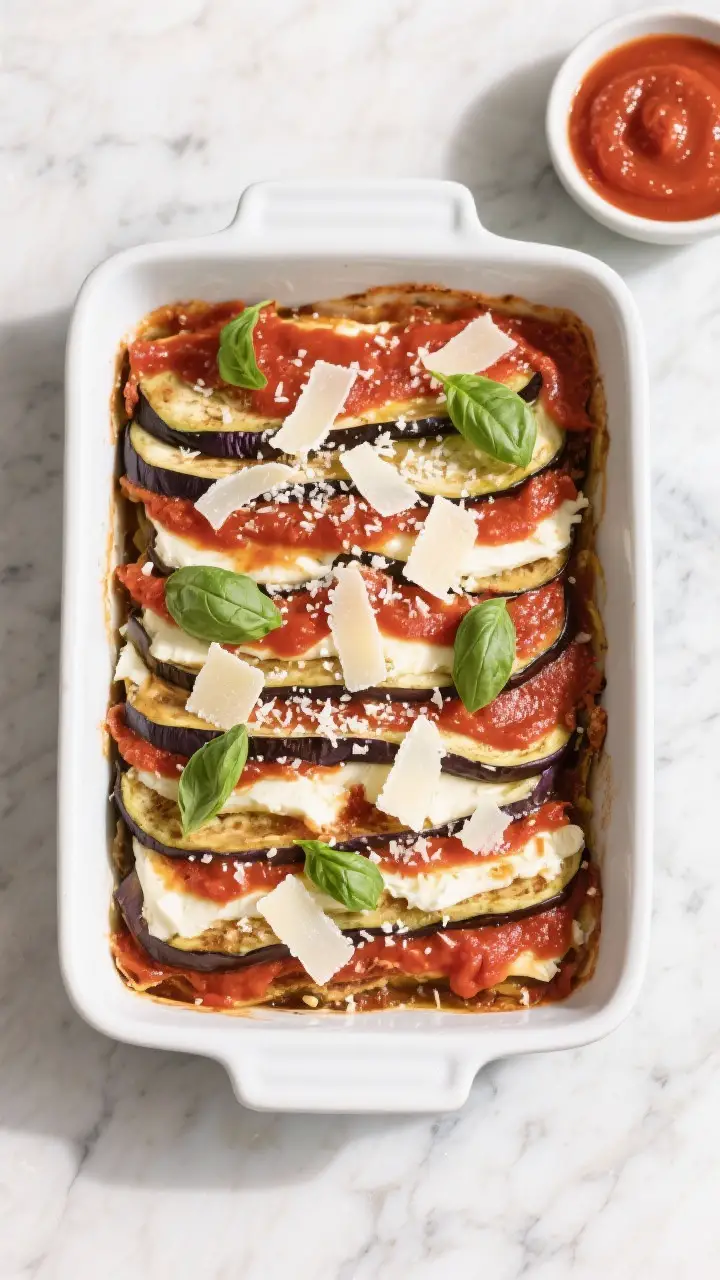
- Preheat and assemble: Heat the oven to 375°F (190°C). Spread a thin layer of tomato sauce in a 9×13-inch baking dish.
- Layer 1: Arrange a snug layer of eggplant.
Spoon a thin, even layer of sauce over it, then add mozzarella and a sprinkle of Parmigiano. Add a few torn basil leaves.
- Repeat layers: Continue layering eggplant, sauce, mozzarella, and Parmigiano until you run out, finishing with sauce and a generous layer of Parmigiano on top. Keep layers thin so it bakes evenly.
- Bake: Cover loosely with foil (tent so it doesn’t stick to the cheese) and bake 20 minutes.
Remove foil and bake another 15–20 minutes until bubbling around the edges and lightly browned on top.
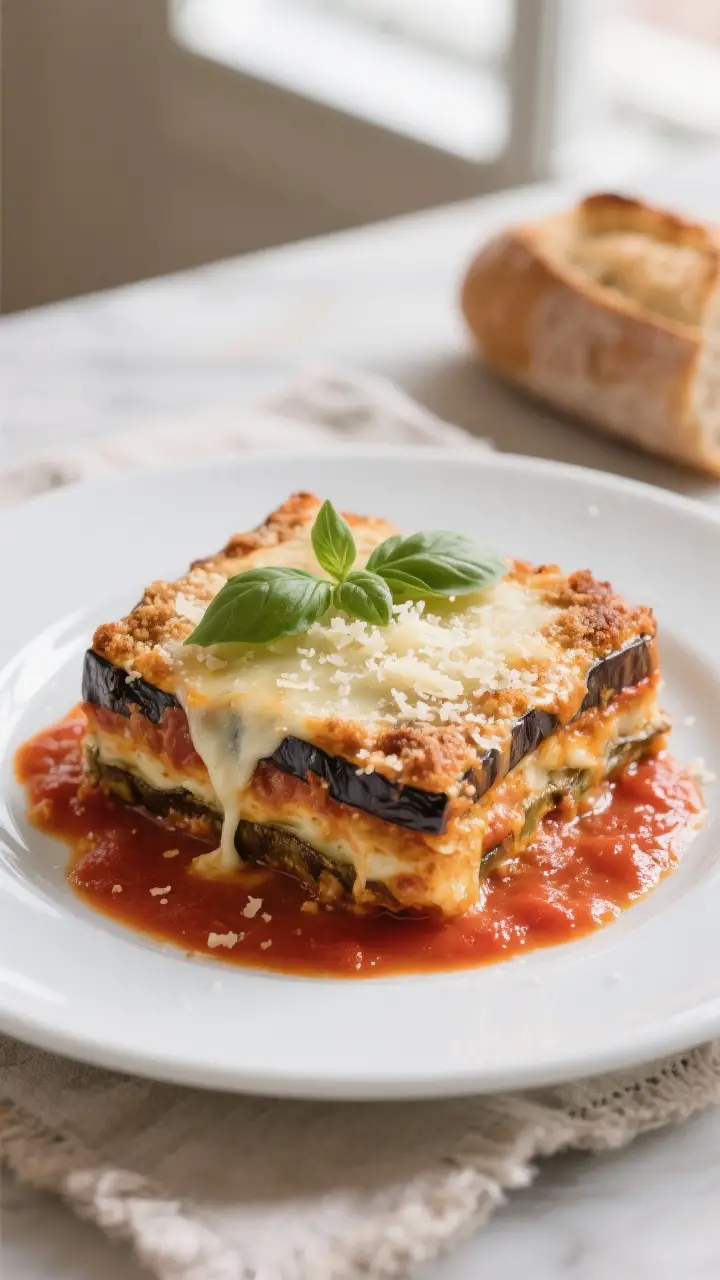
- Rest: Let the Parmigiana rest at least 20–30 minutes before slicing. This is crucial for clean slices and deeper flavor.
- Serve: Garnish with fresh basil and a final grating of Parmigiano. Serve warm, not piping hot.
A crisp green salad or crusty bread makes a perfect side.
Storage Instructions
- Refrigerator: Cool completely, then cover and refrigerate for up to 4 days. The flavor often improves by day two.
- Freezer: Wrap tightly in portions and freeze for up to 2 months. For best texture, freeze after baking and cooling.
- Reheating: Reheat covered at 350°F (175°C) until hot, then uncover to re-crisp the top.
Individual slices reheat well in a toaster oven.
Benefits of This Recipe
- Vegetarian comfort food: Satisfying and substantial without meat.
- Make-ahead friendly: Assembled casserole can rest in the fridge before baking or be baked and reheated later.
- Flexible technique: Fry for tradition and richness or bake for a lighter, less oily version.
- Simple pantry staples: Tomatoes, garlic, olive oil, and herbs do the heavy lifting.
Common Mistakes to Avoid
- Skipping the salting step: This leads to watery layers and a bland result. Salting improves texture and flavor.
- Too-thick slices: Thick eggplant can stay spongy. Aim for about 1/4 inch for even cooking.
- Soggy assembly: If your eggplant is underbrowned or your sauce is too thin, the casserole may weep.
Reduce the sauce and cook the eggplant to a light golden color.
- Cutting too soon: Let it rest. Slices hold together better and taste richer after 20–30 minutes.
- Overloading cheese: It’s tempting, but too much mozzarella makes it rubbery. Balance with Parmigiano for flavor.
Alternatives
- Breadcrumb coating: For a crispier layer, dip eggplant in flour, then egg, then fine breadcrumbs before frying or baking.
- Grilled eggplant: Brush slices with oil and grill for a smoky note.
Great in summer.
- Cheese swaps: Try smoked mozzarella (scamorza) for depth, or part-skim mozzarella for a lighter touch.
- Herb upgrades: Add oregano to the sauce, or finish with fresh parsley alongside basil.
- Gluten-free: Skip flour or use a gluten-free flour or crumb for dredging.
FAQ
Do I have to salt the eggplant?
Salting is strongly recommended. It draws out moisture and reduces bitterness, which helps the casserole stay firm and flavorful. If you’re using very fresh, young eggplant, bitterness is rare, but the moisture control still helps.
Is frying better than baking?
Frying gives the richest flavor and the most classic texture, but baking works very well and keeps the dish lighter.
If baking, be sure to brown the slices well so the final casserole isn’t soft.
Can I use fresh mozzarella?
Yes, but blot it dry thoroughly and slice thin. Fresh mozzarella has more moisture, which can make the dish watery if you use too much. Low-moisture mozzarella is easier and more predictable.
What tomatoes should I use?
Use good-quality canned whole peeled or crushed tomatoes.
San Marzano or similarly sweet, low-acid brands give a clean, bright sauce. Avoid overly seasoned sauces that might mask the eggplant.
How do I prevent a watery Parmigiana?
Reduce the sauce until thick, salt and dry the eggplant, and brown the slices well. Let the baked dish rest before cutting.
These steps keep layers neat and flavorful.
Can I make it ahead?
Yes. Assemble up to one day in advance, cover, and refrigerate. Add 10–15 minutes to the covered bake time.
It also reheats beautifully after baking.
What should I serve with it?
A simple green salad with a sharp vinaigrette, roasted vegetables, or crusty bread. Keep sides light to balance the richness of the cheese.
In Conclusion
Eggplant Parmigiana is a timeless Italian favorite for a reason. With a handful of simple ingredients and a few smart steps, you get a layered bake that’s cozy, balanced, and deeply satisfying.
Whether you fry or bake the eggplant, the result is a dish you can serve proudly to family and friends. Make it once, and it will become a regular in your home kitchen routine.
Printable Recipe Card
Want just the essential recipe details without scrolling through the article? Get our printable recipe card with just the ingredients and instructions.